Creative Ways to Use Popcorn in Cooking
Secret ingedient – How America’s favorite movie snack became a star in the kitchen
Popcorn’s connection to film runs deeper than concession stands and movie nights. Long before it became a theater staple, popcorn was one of America’s oldest snack foods, enjoyed by Indigenous peoples thousands of years ago. By the late 1800s popcorn machines were popping up at fairs and street corners, filling the air with an irresistible aroma. When movie theaters struggled during the Great Depression, popcorn became their unlikely lifeline. Inexpensive, portable and profitable, it helped keep cinemas open. From that point on, popcorn and film were inseparable, linked by sound, scent and shared experience.
Today, popcorn is being rediscovered in kitchens for many of the same reasons it succeeded on screen. It’s affordable, versatile and remarkably adaptable. A single kernel can be light and crisp, toasty and nutty, or deeply aromatic, depending on how it’s prepared. Chefs are embracing popcorn not just for nostalgia, but for its ability to add texture and subtle flavor without overwhelming a dish. Like a good supporting actor, it enhances the scene without stealing it.
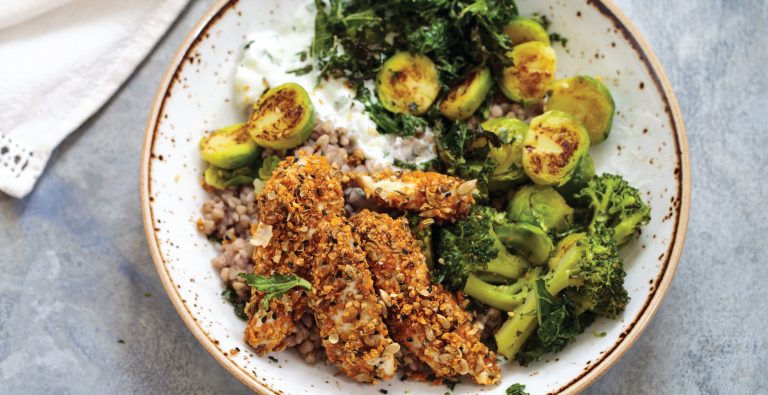
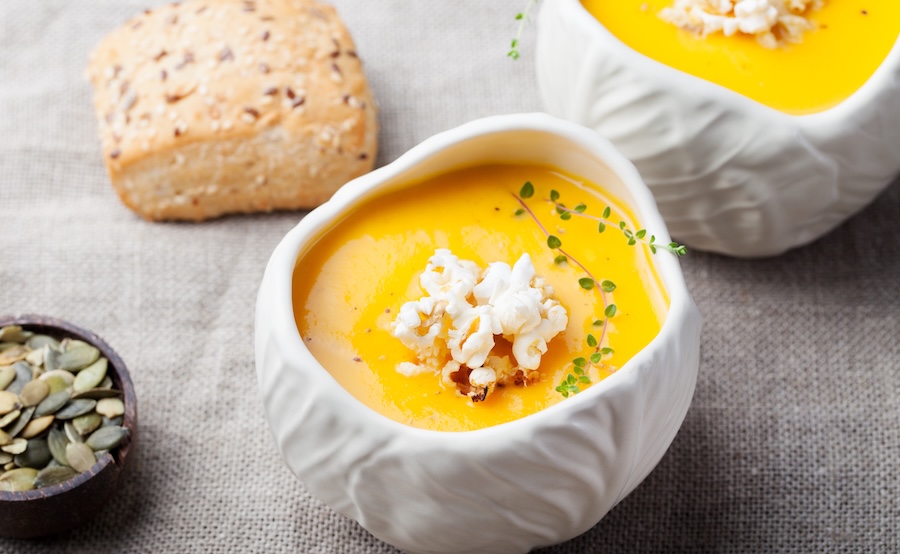
What surprises many home cooks is how easily popcorn moves beyond the bowl. Freshly popped kernels can be crushed into a crunchy coating for fish, chicken or vegetables, offering a lighter alternative to breadcrumbs. Steeped in warm cream or milk, popcorn gently infuses sauces, soups and even mashed potatoes with toasted-corn flavor. Tossed with olive oil, herbs and cheese, it becomes a savory garnish for pasta or roasted vegetables. On the sweet side, popcorn adds contrast to chocolate, caramel, cookies and cakes, balancing richness with crunch.
Popcorn also thrives in hybrid roles, bridging sweet and savory in playful, modern ways. Think kernels finished with chili oil and citrus zest, folded into brittle or lightly seasoned and scattered over ice cream or custards. Even finely ground popcorn can be mixed into spice blends or used to thicken sauces, adding body without heaviness.
In a film-inspired issue, popcorn feels especially fitting. It reminds us that atmosphere matters as much as flavor. Familiar, comforting and quietly adaptable, popcorn proves that an ingredient doesn’t need to be flashy to be memorable. Sometimes the best moments come from what’s been there all along, simply waiting for a new role.

Try it at home
Infused liquids: Steep popped kernels in cream, milk or broth for soups, sauces or ice cream bases.
Powdered popcorn: Grind dried popcorn into a fine crumb for coating fish, chicken or vegetables.
Popcorn butter: Blend popcorn with melted butter to create a savory base for sauces or compound butters.
Garnish with a twist: Lightly crushed popcorn adds crunch to risotto, roasted vegetables or pasta.
Flavor extracts: Toast or caramelize popcorn, then infuse into syrups or oils for desserts, cocktails or glazes. LL