Is Your Furniture Working Against You? How to Create a More Functional Home
Dr. Debi Lynes is the founder of Freudian Slipcovers on Hilton Head Island, where she combines her expertise as a licensed therapist and interior designer to create homes that support both emotional well-being and everyday living.
Key Points
● Keeping 30 to 36 inches between major furniture pieces can create more comfortable, accessible pathways throughout the home.
● Firm seating, motion-activated lighting and secure rugs can make everyday routines easier while reducing common obstacles.
● Thoughtful furniture placement can also encourage conversation and create a home that better supports the way people move, rest and connect.
It’s 2:17 a.m. You’re thirsty after a late- night snack, so you quietly slip out of bed. Without turning on a light, you weave past the coffee table, brush your fingertips across the back of a familiar chair and round the corner to the refrigerator. You never stop to think about where you’re going. Your body already knows. How? Because your brain has already rehearsed that journey hundreds, perhaps thousands, of times.
Our brains are constantly building mental maps of the places we know best. Every hallway, chair and doorway becomes part of an internal navigation system. When furniture stays where we expect it and pathways remain open, we move almost automatically. But when obstacles appear, our brains have to work harder to process every step. Good design isn’t just about how a room looks. It’s about how effortlessly it supports the way we live.
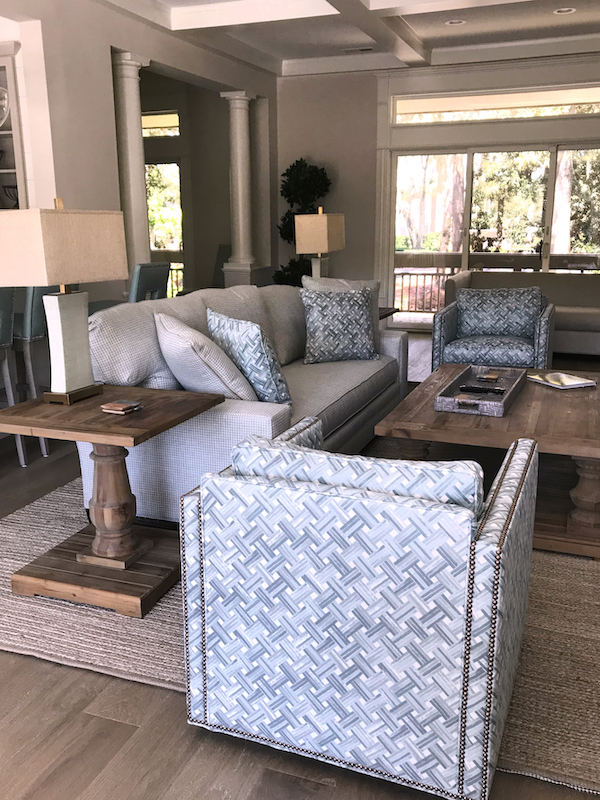
Homes rarely become difficult to navigate overnight. Instead, they change one small decision at a time. A new accent chair narrows a favorite shortcut. A rug develops a curled corner. An oversized ottoman becomes something everyone walks around. A once-comfortable sofa loses its support until standing up feels like more work than it should.
As both an interior designer and licensed therapist (which explains the name Freudian Slipcovers) I’ve learned that the best rooms do far more than look beautiful. They quietly shape how we move, rest, gather and connect. The most successful homes aren’t necessarily the most expensive. They’re the ones designed with intention. One of my favorite reminders is this: Your home shouldn’t require an instruction manual every time you walk through it. The best rooms don’t ask you to think harder. They make everyday life easier.
Sometimes the most meaningful makeover doesn’t involve buying a single new piece of furniture. It simply means arranging what you already own with greater intention. When your furniture works with your brain instead of against it, your home becomes easier to navigate, more comfortable to enjoy and more welcoming to family and friends. That’s the true power of intentional design. It isn’t just about creating a beautiful home. It’s about creating one that supports your safety, independence and the way you want to live every day.
5 Simple Ways to Make Your Home More Functional
Take five minutes this week to walk through your home as if you’ve never seen it before.
Clear the path.
Leave 30 to 36 inches between major furniture pieces so people can move comfortably. If a piece creates a bottleneck, consider moving it.
Light the way.
Install motion-activated LED night lights in hallways, bathrooms and the kitchen. They provide just enough light to guide you without disturbing your sleep.
Check your favorite seat.
Chairs and sofas with firm cushions and seat heights around 18 to 20 inches make sitting down and standing up noticeably easier.
Secure your rugs.
Use non-slip rug pads, flatten curled edges, and remove small throw rugs from busy walkways.
Encourage conversation.
Angle seating toward one another instead of pointing every chair at the television. Even a small change can make a room feel more welcoming.