Meet the Lowcountry’s Gray Foxes: Denning Season, Baby Kits and Common Myths
A closer look at how gray foxes raise their young and more answers about these elusive Lowcountry residents.
Story by Bailey Gilliam
Photography by Jeanne Paddison
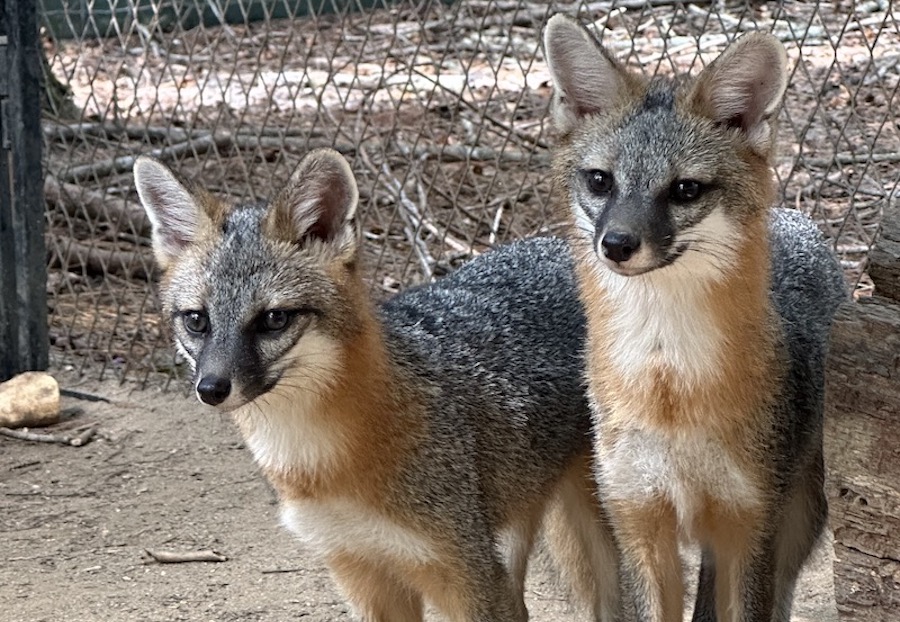
If luck is on your side, you might spot one at dawn or dusk. A gray fox slips along a tree line, pauses near the edge of a marsh, then disappears just as quickly as it arrived. Alert, curious and almost always misunderstood, gray foxes have long carried an unfair reputation shaped by folklore and modern fear.
The truth is far less dramatic. Gray foxes are canines, relatives of one of our most beloved household companions. And much like shy dogs, they prefer to stay out of sight.
Where fear fills the gaps
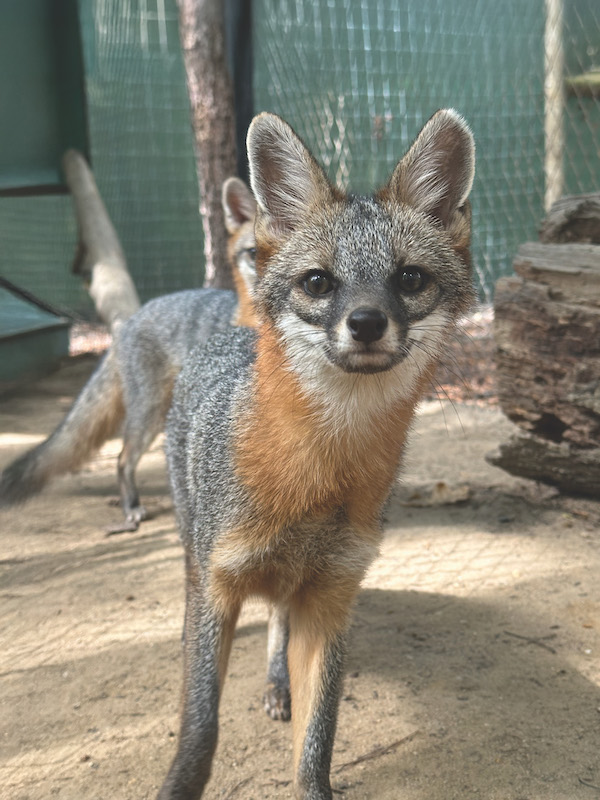
In the Lowcountry, where wooded edges give way to marsh grass and backyards blur into wildlife corridors, gray foxes move through spaces most people rarely notice. They help control rodent populations drawn in by bird feeders, spilled chicken feed and other human activity. But because foxes look wild and unfamiliar, fear often fills the gaps where understanding should be.
According to wildlife rehabilitator Jeanne Paddison, that fear is misplaced.
“Foxes are one of the most nonconfrontational animals there are,” she says. “They’re not after your cats or dogs. They’re after rodents, and they’re doing us a service.”
At Savannah Wildlife Rescue Center, many gray foxes arrive, not because they are aggressive or dangerous, but because they have chosen sensible places to den. Under sheds, garages and abandoned buildings, these quiet, sheltered spots are ideal for raising young, especially during denning season. Unfortunately, their presence often triggers alarm among property owners.
“People trap them because they’re afraid,” Paddison says. “And that fear is based on a myth.”
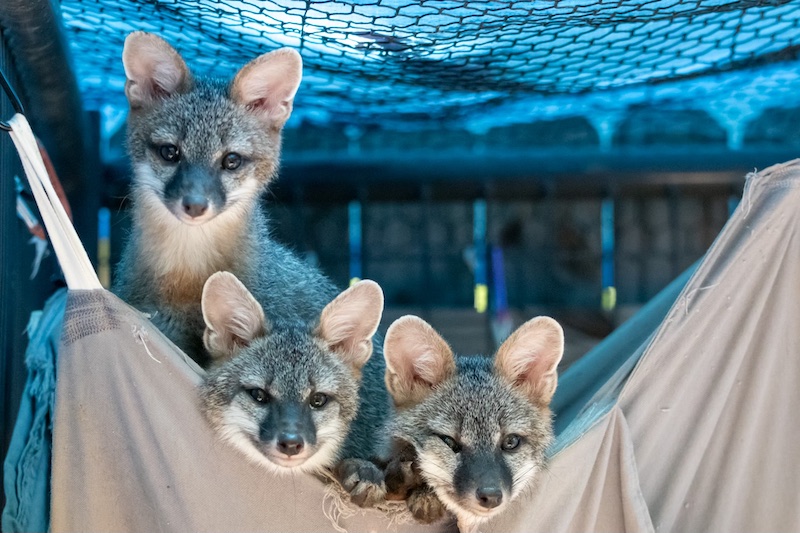 Three gray fox kits lounge together in a hammock at the Savannah Wildlife Rescue Center, discovering the simple joys of play, exploration and sibling bonds as they prepare for life back in the wild.
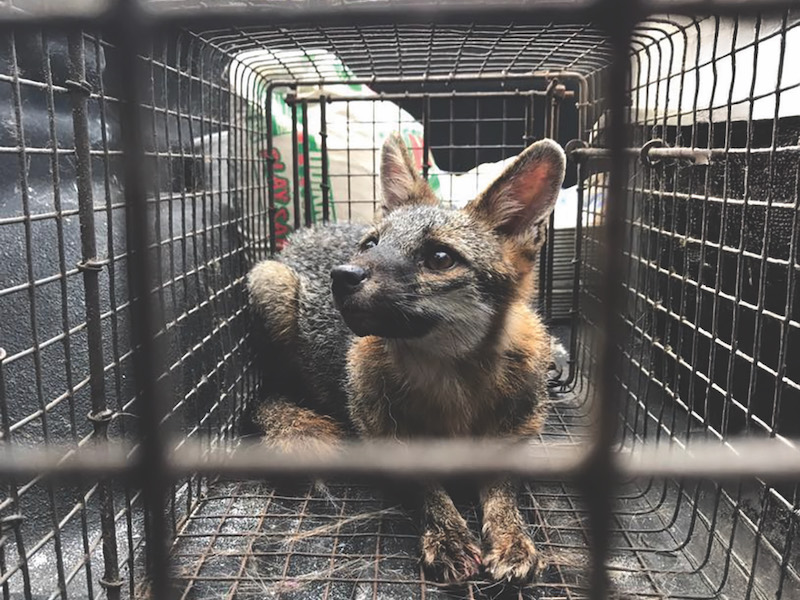 This mother was trapped for three days while her kits waited nearby. Desperate to reach them, she injured her paws and mouth digging and chewing at the trap before being rescued and brought to the Savannah Wildlife Rescue Center.
Gray foxes avoid confrontation whenever possible. They slip away unseen, focusing their energy on hunting rodents and navigating a landscape shaped by people. When backyard chickens enter the picture, tensions tend to rise, but Paddison is clear about where responsibility lies.
“Chickens are the bottom of the totem pole in the food chain,” she says. “If we decide to bring chickens into an area, it’s our job to protect them. That doesn’t
mean killing wildlife. It means building a chicken coop like Fort Knox and learning how to coexist.”
Gray foxes are simply doing what nature designed them to do. Punishing them for that behavior only disrupts the balance they help maintain.
Denning season, misunderstood
In the Lowcountry denning season typically runs from March through August, with the most sensitive weeks in early spring.
One of the most heartbreaking outcomes of fear-driven decisions is the live trapping and relocation of foxes during this time. In one case, a gray fox mother was trapped for three days while her kits waited nearby. Desperate to reach them, she injured her paws and mouth trying to dig and chew her way out.
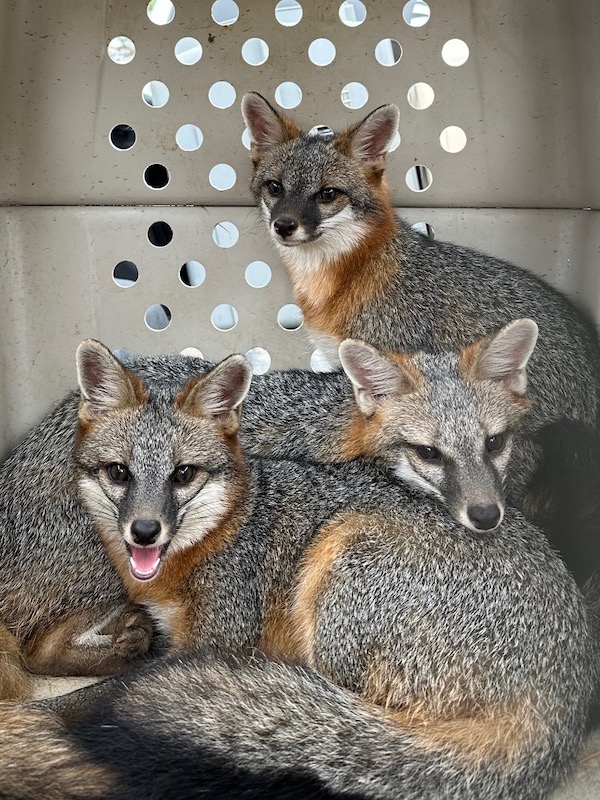
“Her mothering instinct was overwhelming,” Paddison recalls.
Once reunited in care, the fox reclaimed her two kits and accepted an orphaned kit from another litter, raising all three as her own. Stories like this reveal the hidden cost of relocation. While it may seem humane, moving wildlife often leads to suffering or death. Animals removed from familiar territory struggle to find food, shelter and safety. Many fall victim to predators or starvation. Any young left behind rarely survive without their mother.
“It’s tragic,” Paddison says. “And it’s almost always preventable.”
Patience pays off
The solution, she explains, is patience. Denning season is short. Within a few weeks, fox families move on naturally. When intervention is truly necessary, homeowners can gently encourage relocation by making an area less appealing. Lights, noise or strong scents can help, as long as the mother is given time to move her kits safely.
“We’re here to help,” Paddison says. “For both the people and their wild house guests.”
At the rescue center gray fox kits are given the time and space they need to grow up wild. Raised together, moved into outdoor enclosures and gradually exposed to the sights, sounds and smells of nature, they build strength, instincts and independence before release.
“They play, they explore, they learn how to be foxes,” Paddison says. “Then they’re given a second chance at life in the wild.”
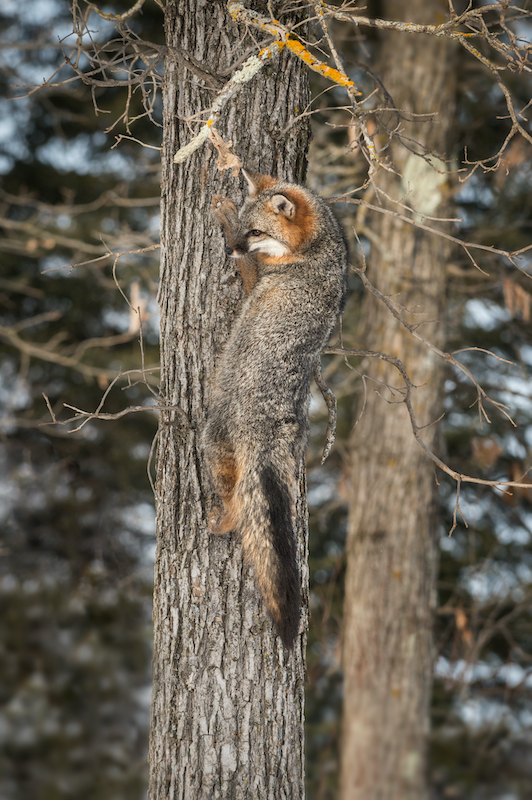
Gray foxes are not villains lurking at the edges of our neighborhoods. They are quiet caretakers of the ecosystem, skilled mousers, rodent controllers and devoted parents doing their best to survive and raise their young in a human-shaped world. With a little understanding and respect, coexistence is not just possible. It is often the simplest and best outcome for everyone.
Who you gonna call?
If you find an injured, orphaned or trapped gray fox, contact: