
The power of play: How simple toys build lifelong skills
HOW SIMPLE TOYS BUILD SKILLS THAT LAST A LIFETIME
STORY BY LANCE HANLIN
A tower of blocks tumbles to the floor. A stuffed animal gets a checkup. On a Hilton Head beach, a sandcastle becomes a lesson in patience, problem-solving and starting over. To a child, it’s all fun and games. But something more important is happening. Every time children build, pretend, create or compete, they’re developing skills that will serve them long after the toys are packed away. The American Academy of Pediatrics considers play so essential that it encourages pediatricians to recommend it during well-child visits. Research also links play to brain development, emotional regulation and the ability to focus, remember instructions and work with others. Closer to home, South Carolina First Steps identifies play as one of five building blocks of school readiness. For Ashley Parks, executive director of First Presbyterian Day School on Hilton Head Island, the connection is clear.
“Play at this age is truly practice for life,” she says.
Little toys, big lessons: How play supports childhood development
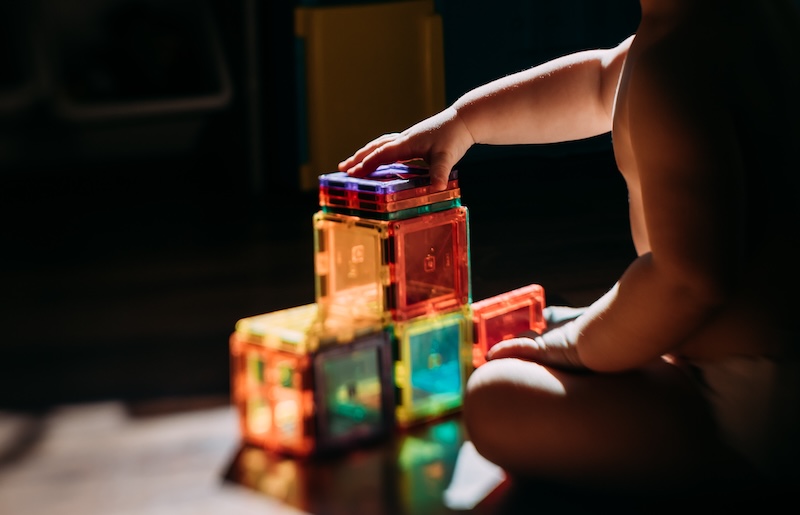
Consider a simple set of wooden blocks. Children experiment with shapes, balance and gravity, discovering what works through trial and error. Puzzles encourage pattern recognition and persistence. Dolls and stuffed animals invite storytelling and opportunities to practice caring for others. Parks especially recommends open-ended toys, those that offer more than one way to play. Toy cars introduce basic physics concepts, while magnetic building tiles encourage creativity and problem-solving. A pretend kitchen becomes a classroom where children practice sharing, taking turns and communicating their needs. Parks points out that children pretending to cook, set the table or care for a baby are rehearsing real-life interactions. The same child who learns to ask a friend for a toy is developing the confidence to ask a teacher for help or a classmate to pass the scissors. Even the frustration of a collapsing tower or a puzzle piece that refuses to fit serves a purpose. Children learn to adjust their approach, manage disappointment and try again.
Healthy bodies, healthy minds: Physical and cognitive benefits of play
Play’s benefits extend beyond the classroom. Bicycles, balls and backyard obstacle courses develop balance, coordination and strength. Drawing, sculpting and playing musical instruments strengthen fine motor skills while encouraging self-expression. Games give growing brains a workout, too. Harvard researchers recommend age-appropriate card games, memory challenges and physical activities to strengthen executive function, the mental skills involved in focusing, remembering instructions and managing impulses. A game of “Simon Says” requires listening and self-control. Board games introduce rules, strategy and the sometimes difficult art of losing gracefully. Whether children are racing across a lawn or waiting for their turn at the table, they’re practicing skills that help them navigate everyday challenges.
Why playing together matters: Building social skills and family connections
Ken Weisner, author of “The Power of Play” and founder of Beach Play Company, has spent more than 40 years bringing people together through games and shared experiences. At a family reunion Weisner introduced a challenge game to a group of cousins ages 10 to 16 who barely knew one another. The activity required them to exchange ideas and work toward a common goal. One quieter child initially stayed in the background. As the game progressed, he began contributing ideas and interacting with the others. By the end, he was laughing and participating alongside cousins who had been little more than strangers at the start.
“Sometimes all it takes is the right opportunity to play for a child to discover confidence, find their voice, and connect with others,” Weisner says.
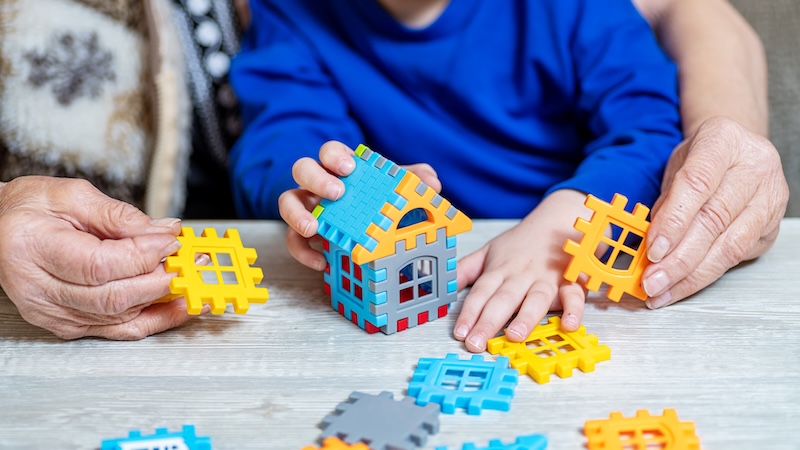
He believes those connections become even more meaningful when parents and grandparents participate rather than simply supervise. Sitting on the floor with a toddler, joining a board game or stepping into an imaginary world shows children that their ideas and experiences matter. Parks agrees. She encourages adults to follow a child’s lead instead of directing every activity. When children make up the rules, invent characters or explain how a game works, they practice expressing themselves and listening to others.
Simple toys, lasting benefits: The value of traditional and open-ended play
With electronic toys and digital entertainment competing for attention, both experts encourage families to make room for traditional play. Weisner acknowledges technology’s educational benefits but cautions against allowing screens to replace personal interaction. A deck of cards, a puzzle or a box of building blocks can encourage face-to-face conversation, collaboration and creative thinking without batteries or complicated instructions.
“Electronic toys may be bright, loud, and fancy, but they usually offer only one or two ways to play,” Parks says.
A cardboard box can become a spaceship, a grocery store or a secret clubhouse. A few toy cars can inspire a race, a construction project or an entire imaginary town. The possibilities grow with the child.
The best gift isn’t in a box: Meaningful ways to play as a family
For families thinking about holiday gifts, Weisner suggests considering what a toy inspires rather than what it costs. Does it encourage a child to build, create, move, think or interact with others? Some of the most meaningful play doesn’t require buying anything at all. Local families can build sandcastles, organize a backyard scavenger hunt, collect shells along the beach, explore a nature trail or gather around the table for charades and card games. The opportunities aren’t limited to holidays, either. A rainy afternoon, a weekend visit with grandparents or a few spare minutes before dinner can become an invitation to play.
“The greatest gift we can give children isn’t necessarily something wrapped in a box,” Weisner says. “It’s our time, our attention and the opportunity to create memories together.”
The blocks will tumble. The sandcastles will wash away. But the confidence, curiosity and connections children build through play can last a lifetime.
Keep the fun, lose the germs
Toys spend plenty of time in little hands, on floors and occasionally in mouths. A little regular cleaning helps keep germs from joining the fun.
- Plastic toys: Wash with warm, soapy water, rinse thoroughly, and air-dry. Check manufacturer instructions before using the dishwasher.
- Stuffed animals: Machine-wash when the care label allows. Use a gentle cycle, and dry completely before returning them to the toy box.
- Wooden toys: Wipe with a lightly damp cloth and mild soap. Avoid soaking, which can cause wood to swell or crack.
- Electronic toys: Turn off and unplug before cleaning. Wipe exterior surfaces according to manufacturer instructions, keeping moisture away from openings and battery compartments.
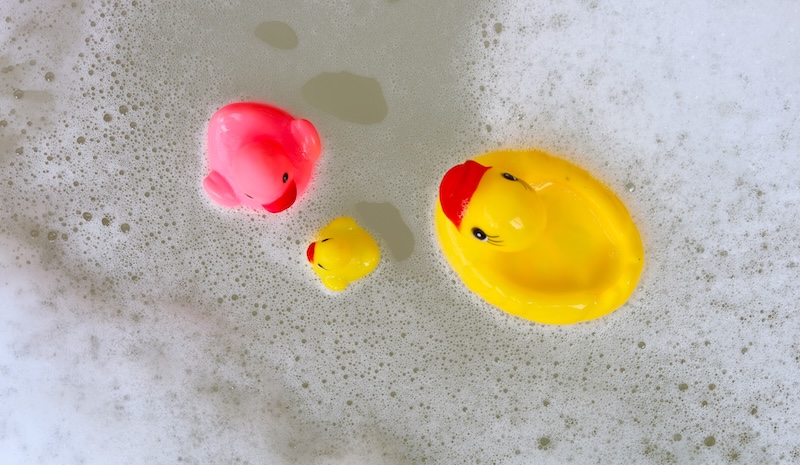
- Bath toys: Drain, rinse and dry after each use. Discard toys with trapped moisture or mold that cannot be thoroughly removed.
- Healthy habit: Clean frequently handled toys regularly and whenever they’re visibly dirty. Cleaning with soap and water removes dirt and many germs. When disinfection is needed, such as after an illness, use a product appropriate for the toy’s material, and follow the label’s directions, including any required rinsing before children handle the toy again.
Related reading
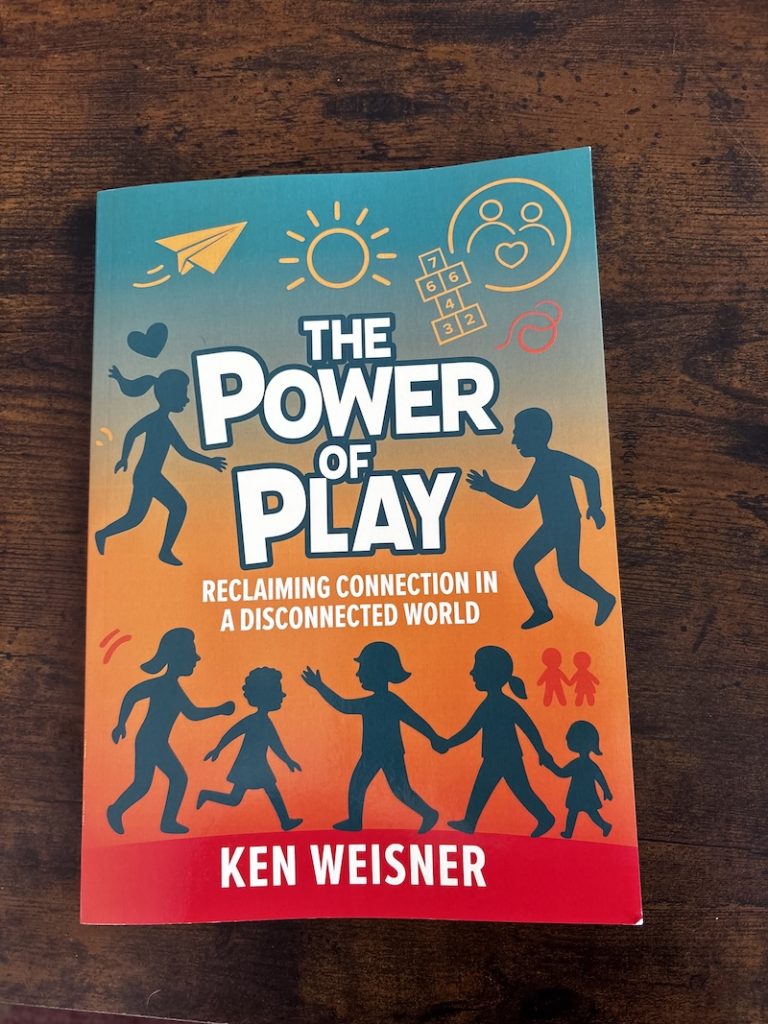
The Power of Play: Reclaiming Connection in
a Disconnected World
Hilton Head Island author Ken Weisner believes play is one of the best ways to bring people together. Drawing on more than 40 years of experience, the founder of Beach Play Company shares stories, practical strategies and insights into how games and shared experiences build trust, spark creativity and strengthen relationships. His book makes the case that play isn’t something we outgrow. It’s something we need at every age.