Broccolini: How to Grow, Store and Cook This Tender Green
BROCCOLINI IS LONG ON FLAVOR, SHORT ON PREP AND DELICIOUS FROM TOP TO BOTTOM
STORY BY BAILEY GILLIAM
Broccolini has a bit of an identity problem. Depending on where you shop, this slender green vegetable might be labeled baby broccoli, tenderstem broccoli, sprouting broccoli or Broccolini, a trademarked name that has become its most familiar moniker. Whatever you call it, one thing it isn’t is immature broccoli. It’s a hybrid of broccoli and Chinese broccoli, combining familiar florets with long, tender stems and edible leaves. Sweeter and more delicate than traditional broccoli, it’s also remarkably easy to cook. Roast it, grill it, steam it, or toss it into a stir-fry. This versatile green deserves an identity all its own.
History of Broccolini
Despite its Italian-sounding name, broccolini traces its roots to Japan. In 1993 Sakata Seed Corp. developed the hybrid by crossing broccoli with Chinese broccoli, seeking desirable traits from both vegetables. Originally marketed as Asparation, a nod to its slender, asparagus-like stems, the vegetable eventually made its way to California for commercial production. By the late 1990s Broccolini had begun appearing in American produce aisles, where its more marketable name ultimately stuck.
Broccolini vs. Broccoli and Broccoli Rabe: Family Matters
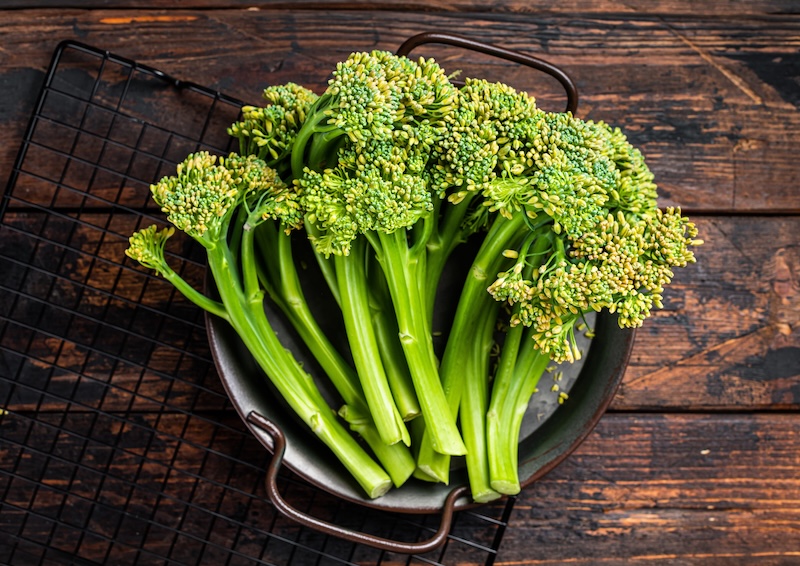
Broccoli, broccolini and broccoli rabe may share a produce aisle and a few too many letters, but they’re distinctly different vegetables. Traditional broccoli has thick stalks topped by large, tightly packed florets. Broccolini has smaller florets, long tender stems and edible leaves. Broccoli rabe is the odd one out. Despite the name, it’s more closely related to turnips and has thinner stems, more leaves and a noticeably bitter flavor. Broccolini is milder and sweeter, with a slightly nutty flavor and stems tender enough to eat from top to bottom.
Health Benefits of Broccolini
Here’s another reason to eat the whole stalk: broccolini packs plenty of nutrition into every part. Like other cruciferous vegetables, it provides fiber along with vitamins and minerals, including vitamins A, C and K, potassium, calcium and iron. It also contains glucosinolates, naturally occurring plant compounds found in cruciferous vegetables. The bottom line is simple: eating broccolini is an easy and delicious way to put more vegetables, fiber and nutrients on your plate.
How to Grow Broccolini in the Lowcountry
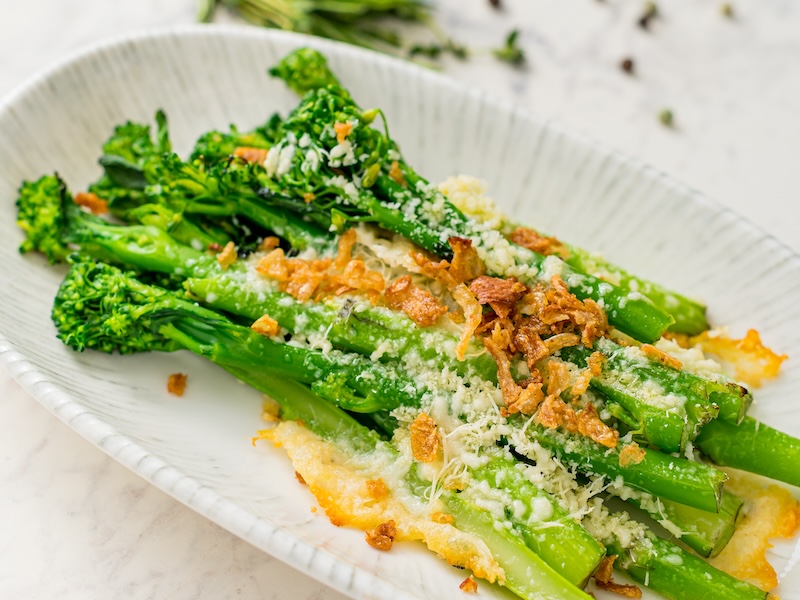
November is a good time to have broccolini growing in the Lowcountry. It performs best as a cool-season crop, with seeds or transplants going into the garden from late summer through fall once the worst of the heat has passed. Choose a spot with at least six hours of sun each day and rich, well-draining soil amended with compost. Keep the soil consistently moist, and watch for common brassica pests such as cabbage worms and aphids. When the main central shoot reaches harvest size, cut it rather than pulling the entire plant. That encourages smaller side shoots to develop, extending the harvest through our mild winter and potentially into early spring.
How to Choose Fresh Broccolini: Best of the Bunch
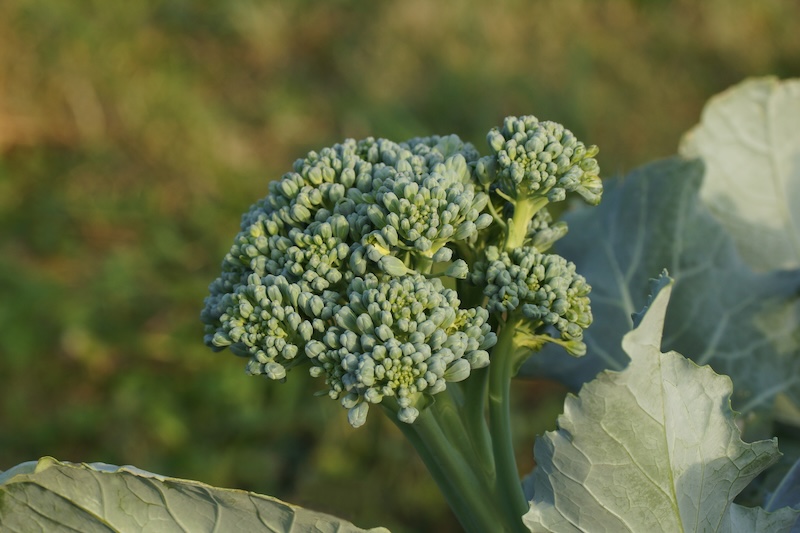
Look for bright-green, firm stalks with fresh-looking cut ends and tightly closed florets. The leaves should be crisp and vibrant too. Skip bunches with yellowing or flowering buds, shriveled ends, soft stems or dark spots, all signs that the vegetable is past its prime. Broccolini is often sold in relatively small bunches, so grab an extra one if you’re feeding a crowd.
How to Store Broccolini: Keep It Crisp
Leave broccolini unwashed until you’re ready to use it, since excess moisture can speed spoilage. Refrigerate it loosely wrapped or in a produce bag in the crisper drawer. For longer storage, cut it into pieces, blanch briefly in boiling water, plunge it into an ice bath, drain thoroughly, and freeze in a single layer before transferring to freezer bags. For the best quality, use frozen broccolini within six to eight months.
How to Prepare Broccolini: Broc & Roll
One of broccolini’s greatest advantages is how little prep it requires. The florets, leaves and slender stems are all edible, so there’s very little waste and no need to peel away a tough outer stalk. Rinse it under cold water just before cooking, trim any dry ends, and slice particularly thick stalks lengthwise so everything cooks evenly. That’s it. From floret to stem, this vegetable is ready for the pan.
How to Cook Broccolini: Tender Love
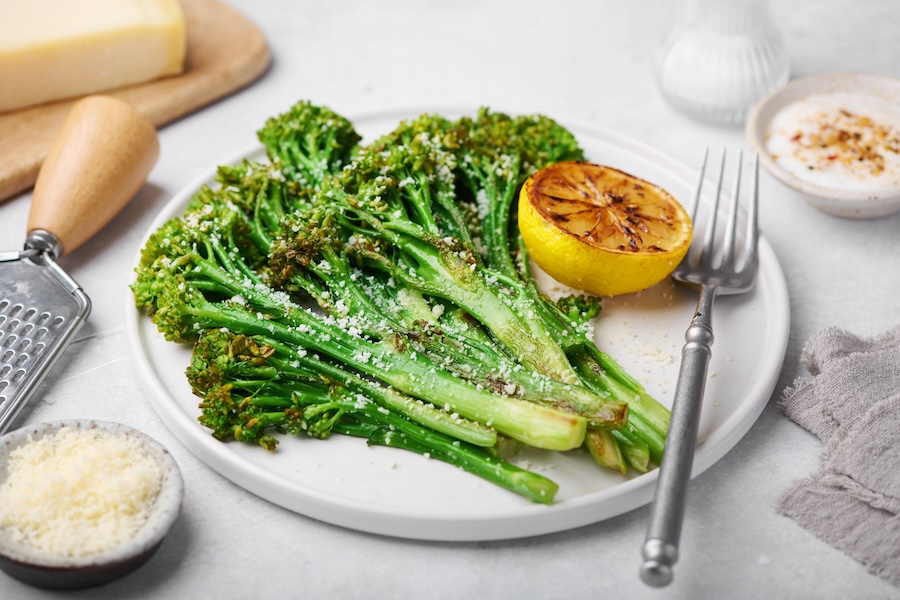
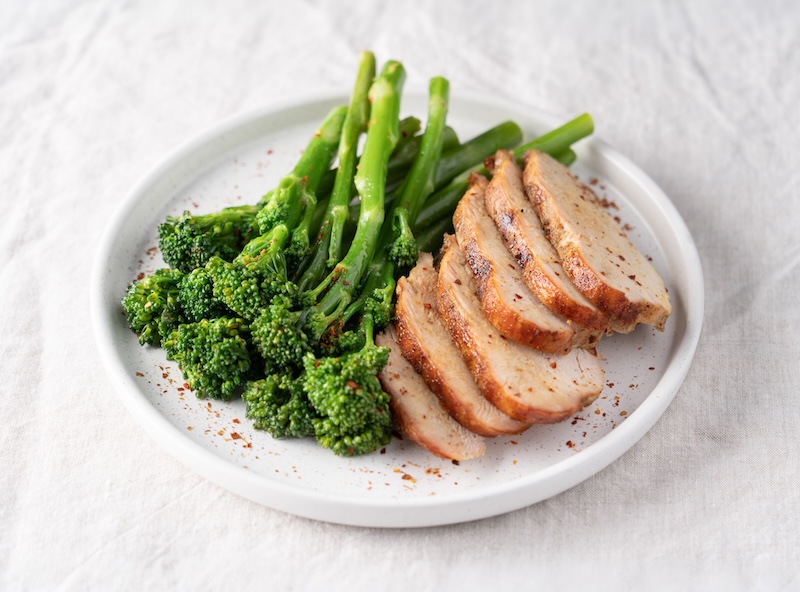
Broccolini has a mild, slightly sweet and nutty flavor, with a subtle mustardy bite that mellows as it cooks. Its slender stems become tender quickly while retaining a satisfying bite, making it equally suited for sautéing, steaming, roasting and grilling. Pair it with garlic, ginger, sesame and soy sauce for Asian-inspired dishes; brighten it with lemon or lime; or finish it with Parmesan, feta or toasted nuts. It makes an easy green side for steak, lamb or salmon and slips effortlessly into pasta, pizza, salads, casseroles and stir-fries.
Cook It: Four Ways to Prepare Broccolini
- Sauté: Cook with olive oil or butter over medium-high heat for 6-10 minutes, depending on thickness.
- Steam: Steam for about 5 minutes, until bright green and tender-crisp.
- Roast: Toss with olive oil, and roast at 425 degrees for 10-12 minutes.
- Grill: Cook over medium-high heat for 5-6 minutes, turning occasionally.
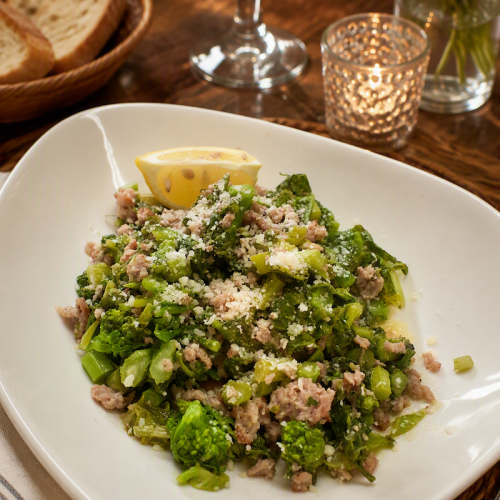
Broccolini with Crumbled Italian Sausage
Ingredients
- 8 ounces broccolini about 3 cups
- 2 1/2 ounces Italian sausage about 1/3 cup, cooked and crumbled
- 6 tablespoons olive oil
- 1 cup grated Parmesan
- 1/4 cup white wine
- 1 ounce garlic 6-8 cloves, peeled and minced
- 1 teaspoon crushed red pepper flakes
- Fresh lemon juice to taste
- Lemon wedges for garnish
Instructions
- Blanch the broccolini until crisp-tender. Drain and set aside.
- Heat the olive oil in a large skillet over medium heat. Add the cooked sausage and garlic, and sauté for about 2 minutes.
- Deglaze the pan with the white wine, scraping up any browned bits.
- Add the Parmesan, stirring quickly until it combines with the wine and oil to create a sauce.
- Add the blanched broccolini and cook for about 2 minutes, tossing to coat.
- Finish with lemon juice and crushed red pepper flakes. Transfer to a serving dish, and garnish with lemon wedges.