Pop, Pour and Cook: How to Use Leftover Champagne in the Kitchen
GIVE LEFTOVER CHAMPAGNE A SECOND ACT IN THE KITCHEN
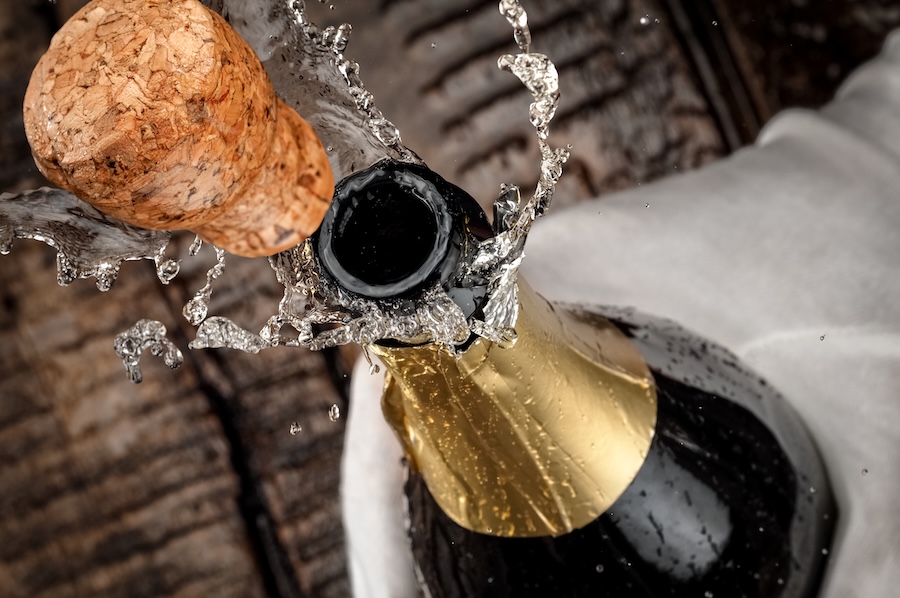
Champagne may be made for raising a glass, but the celebration doesn’t have to end when the party does. That unfinished bottle can bring bright acidity, delicate fruit and a touch of elegance to everything from seafood and risotto to sauces and desserts. And if the bubbles are gone, no problem. The fizz may fade, but the flavor is still ready to party.
In the kitchen, Champagne works much like dry white wine, with flavors that can range from citrus, apple and pear to floral, nutty and brioche-like notes. Cooking concentrates those flavors, while the wine’s acidity provides a welcome counterpoint to rich ingredients such as butter, cream and cheese.
For savory dishes, brut is the most versatile choice. It’s dry enough to add brightness without making a dish noticeably sweet, and there’s no need to sacrifice an expensive vintage bottle to the saucepan. An affordable Champagne works beautifully, as do other dry sparkling wines such as Cava, Crémant or dry Prosecco. Save the special bottle for your glass.
The key is not to overdo it. Add Champagne early enough for its flavors to mingle with the other ingredients, but avoid reducing it too aggressively, which can concentrate both acidity and sweetness. Butter, cream, stock and herbs can help bring everything into balance. Flat Champagne works just as well, provided it still smells fresh and tastes good.