How to Help Anxious Pets Through Fireworks Season
While fireworks light up Lowcountry skies, preparation and a familiar routine can help pets feel safe, secure and less stressed by the noise.
Story by Bailey Gilliam
Key Points
● Creating a quiet indoor space with familiar toys, bedding and soothing sounds can help pets stay calm during fireworks shows.
● One of the biggest fireworks-season risks is pet escape. Before celebrations begin, check collars, update ID tags and ensure microchip information is current in case a frightened pet gets loose.
● Long walks, play sessions, puzzle toys and other forms of mental stimulation help burn nervous energy and promote relaxation.
● For pets with severe fireworks anxiety, veterinarians may recommend calming aids such as anxiety medications, pheromone diffusers, anxiety wraps or other veterinarian-approved solutions.
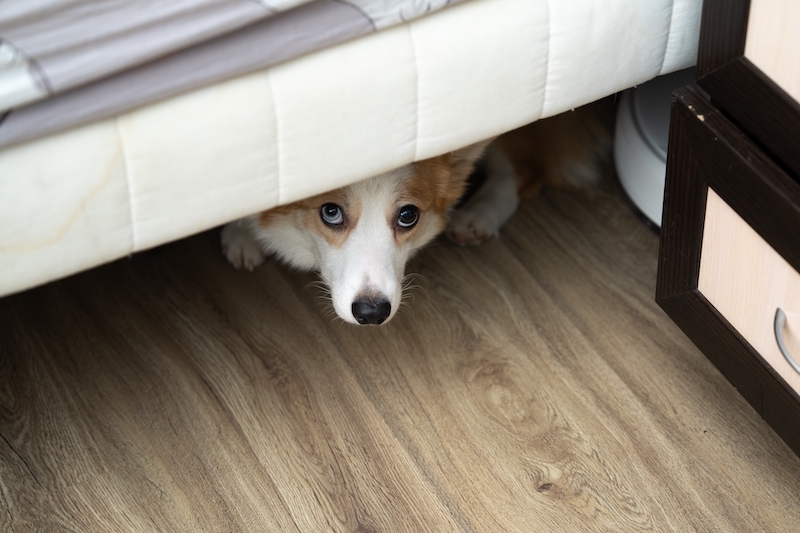
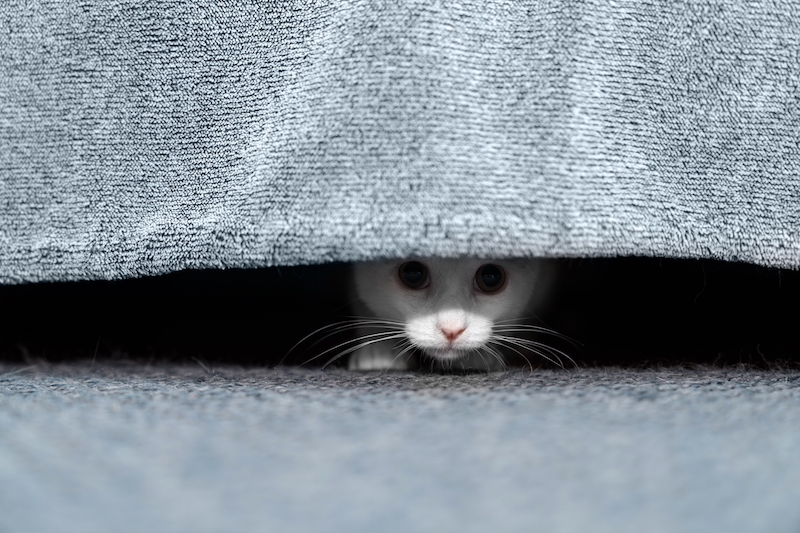
For many families vacationing on Hilton Head Island, Tuesday night fireworks at Shelter Cove Harbour & Marina mark the storybook ending to a summer day: sunset over Broad Creek, waterfront music drifting through the air and bursts of color lighting up the night sky. Locals often pause to enjoy the weekly spectacle, too, as HarbourFest hums with the easy energy of summer. But inside many nearby homes with pets, the experience feels very different. Dogs pace. Cats disappear beneath beds. Nervous pets tremble at every crack and boom, overwhelmed by sounds they cannot understand.
For humans, fireworks are celebration. For many pets, they can feel frightening and unpredictable.
“Fireworks can be extremely stressful on your pets,” says Dr. Matthew Tenwolde, owner of Carolina Veterinary Critical Care. “Keep pets at home in a familiar place with lots of toys and soothing music to distract them from fireworks and excessive noise that can cause a pet to become anxious.”
Loud booms, flashing lights and vibrations can overwhelm even calm pets, triggering pacing, trembling, barking, hiding, accidents indoors, excessive drooling or frantic attempts to escape. One of the biggest dangers during fireworks season is the number of pets that run away in fear. Nationwide, missing-pet reports spike around July Fourth, as startled animals bolt through open doors, leap fences or slip out of collars in a panic.
“Your pet can become scared, escape and run away during festivities,” Tenwolde says. “Make sure he or she is wearing a collar, tags and is micro-chipped.”
Even pets that normally stay close to home may panic when startled, making preparation essential. Before celebrations begin, check collars, update contact information, and make sure microchip registrations are current. Keeping a recent photo of your pet on your phone can also prove invaluable, should the unthinkable happen.
Build a comfort zone
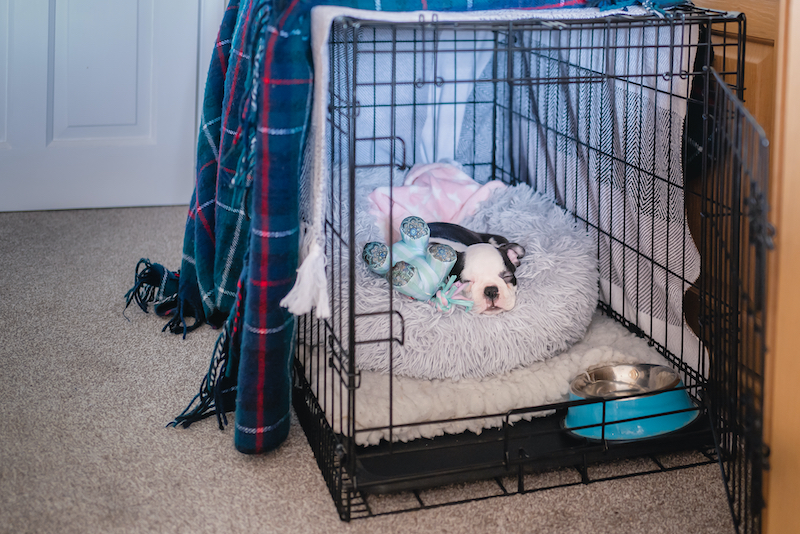
Creating a quiet indoor retreat can make a tremendous difference. Choose a room away from windows, and fill it with soft bedding, favorite toys, treats and comforting scents. Some pets instinctively retreat to caves of comfort, disappearing beneath beds, behind sofas or inside covered crates where the world feels quieter and smaller.
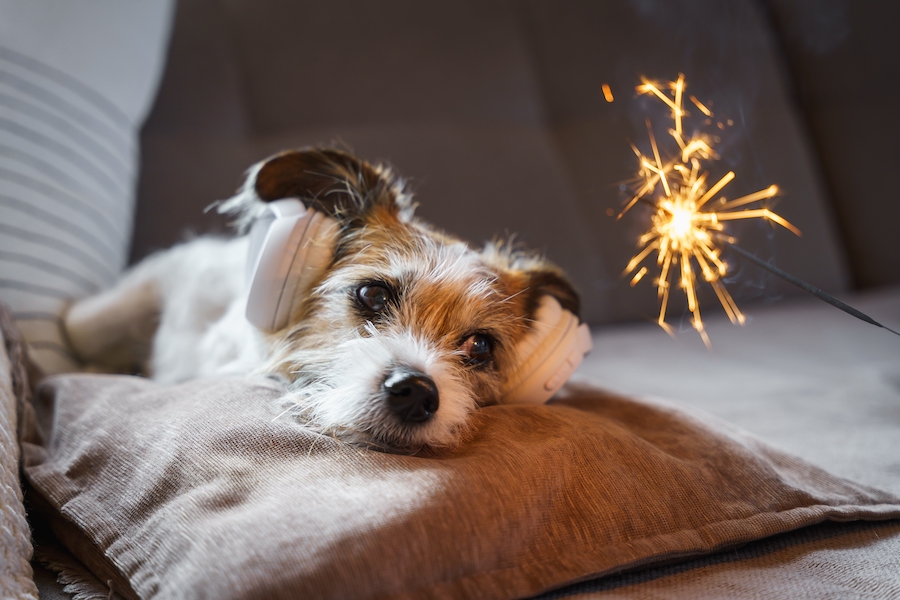
Closing curtains and turning on soothing music, a television or white noise can soften outside sounds and flashing lights. If you plan to attend festivities yourself, consider asking a trusted friend, pet sitter or family member to stay with your pet, rather than leaving them alone during peak fireworks hours.
Start before the first boom
Preparation begins before fireworks light the sky.
“One way to ensure that your dog will be more relaxed and calm during fireworks is to tire them out a bit during the day,” says Tenwolde. “Mental stimulation can be just as tiring as physical activity.”
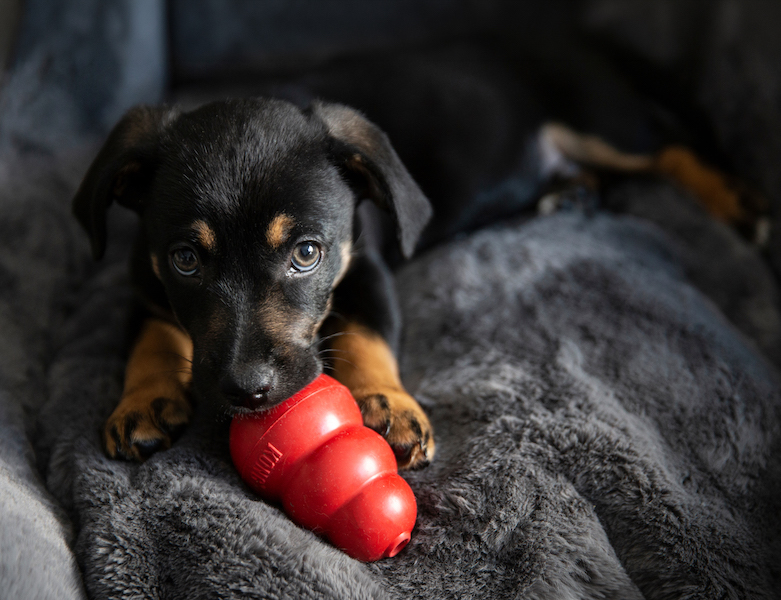
A long walk, swim, play session, frozen treat-filled Kong or puzzle toy can help burn nervous energy before evening arrives. Giving pets something engaging to focus on may help distract them once the noise begins. And while reassurance matters, experts caution against forcing pets to confront fireworks or punishing fearful behavior, both of which can worsen distress.
Watch for hidden hazards
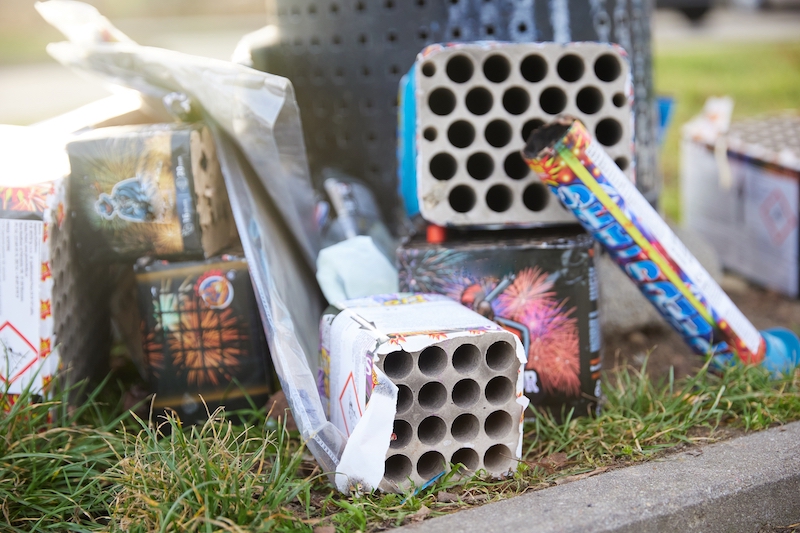
Summer celebrations bring more than loud noises. Sparklers, fireworks debris, matches, glow sticks and discarded food scraps all pose risks to curious pets.
“Pets are curious,” Tenwolde explains. “Intestinal blockage and gastrointestinal distress can occur if your pet ingests these objects.”
Burns, mouth injuries and toxic reactions are also possible. After festivities end, walk your yard carefully before letting pets back outside, checking for leftover debris that may have landed unnoticed overnight.
When anxiety runs deeper
For some pets fireworks are more than a passing fright. Anxiety can last for hours or even days after the final boom fades.
“Don’t wait until it’s too late to contact your local vet for refills on anxiety medications for your pet,” Tenwolde advises.
Prescription medications often require an established veterinarian- client relationship, meaning that emergency clinics may not legally dispense them without an exam. Other calming tools such as pheromone diffusers, anxiety wraps like thunder shirts, veterinarian-approved supplements or white-noise machines also help take the edge off.
If your pet escapes
Despite careful planning, frightened pets sometimes still get loose.
If it happens, act quickly. Search your property thoroughly, notify your microchip company, contact local shelters and veterinary clinics, and post clear, recent photos online and around your neighborhood. Leaving familiar bedding, food or unwashed clothing outside may help guide pets home.
“If you find a stray animal, we will be open and have a microchip scanner and can try to help locate the owners,” says Tenwolde.
Fireworks fade quickly, but reassurance lasts longer. For frightened pets, comfort often comes from something simple: a quiet room, a familiar routine and the people who help the world feel safe again.