
Lowcountry Almanac: July 2026
From beach mornings spent shelling to nights lit by fireworks and meteor showers, July in the Lowcountry blends peak summer heat with moments of coastal tradition and seasonal abundance.
Story by Bailey Gilliam
Photo by Shelter Cove Harbour & Marina
July arrives in the Lowcountry with heat, humidity and summer in full swing. Afternoon storms offer brief relief before grills fire up, boats return to the dock, and families head back outside. Beach days stretch toward sunset, fireworks light the sky, and ice cream disappears as quickly as it melts. With guidance from the 2026 Old Farmer’s Almanac and Grow Great Vegetables South Carolina, this almanac serves as a practical guide to midsummer life in the Lowcountry.
Weather predictions
July delivers the Lowcountry’s hottest, steamiest stretch of the year, with sun-soaked days, sticky afternoons and the familiar rumble of pop-up thunderstorms offering brief relief from the heat.
Average temperature: 86 degrees
Precipitation: 4.5 inches (2 inches above average)
Forecast by week
- July 1-10: Mostly sunny, hot and humid.
- July 11-15: Sunshine continues with warm, muggy afternoons
- July 16-31: Hot with scattered afternoon thunderstorms, followed by slightly cooler conditions late in the month.
Night & day
July’s long days stretch deep into the evening, bathing the Lowcountry in golden light. Later dinners outside and warm nights are made for porch sitting.
Sunrise: 6:20-6:37 a.m. (later each day)
Sunset: 8:33-8:21 p.m. (earlier each day)
Astronomical events
- July 6: Earth reaches aphelion, its farthest point from the sun, a reminder that summer heat has more to do with Earth’s tilt than distance.
- July 14: A new moon brings darker skies, creating ideal conditions for stargazing and spotting faint constellations, including the Summer Triangle overhead.
- July 29-30: The Delta Aquarids meteor shower peaks, joined by the smaller Alpha Capricornids, bringing up to 15-20 meteors per hour and the occasional bright fireball. Look up after midnight for the best show.
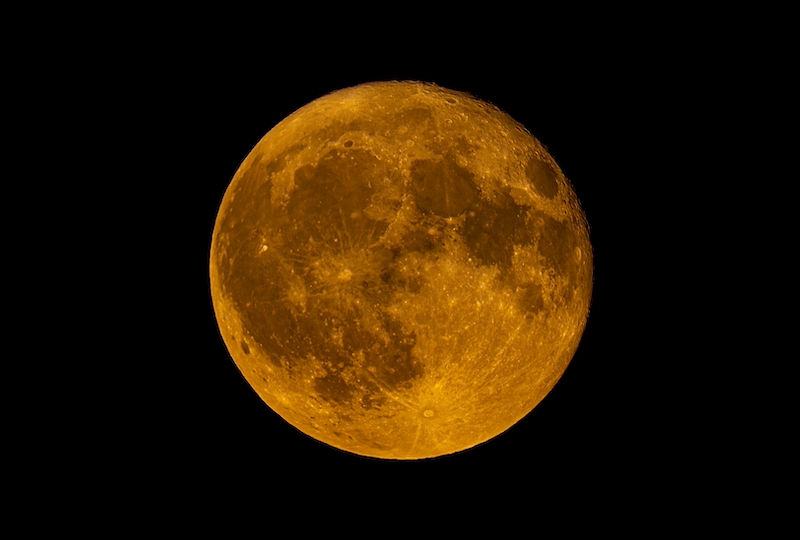
- July 29: The full buck moon rises, illuminating the night sky. Named for the season when male deer regrow their antlers, this midsummer moon has long symbolized abundance.
Tides & currents
Life here follows the water. Follow the latest tide and current predictions from NOAA, and plan your days accordingly.
In the garden
July is a season of persistence, when heat-loving plants thrive, weeds seem unstoppable and careful watering becomes the key to surviving the hottest stretch of summer.
Prep
July is a month for maintenance and planning. Shade greenhouses with 30 percent shade cloth, hill up peanuts once plants reach 12 inches, harvest spring potatoes about two weeks after tops die back, spread compost, clear spent spring crops, mulch perennials, and begin planning winter cover crops.
Plant
July favors resilient, heat-loving vegetables that can handle long days and steamy afternoons.
Outdoors: Sow heat-tolerant lettuces in small batches, and continue planting cucumbers, zucchini, beans, corn and rutabagas. It is also the last call for summer squash before fall planning begins.
Harvest
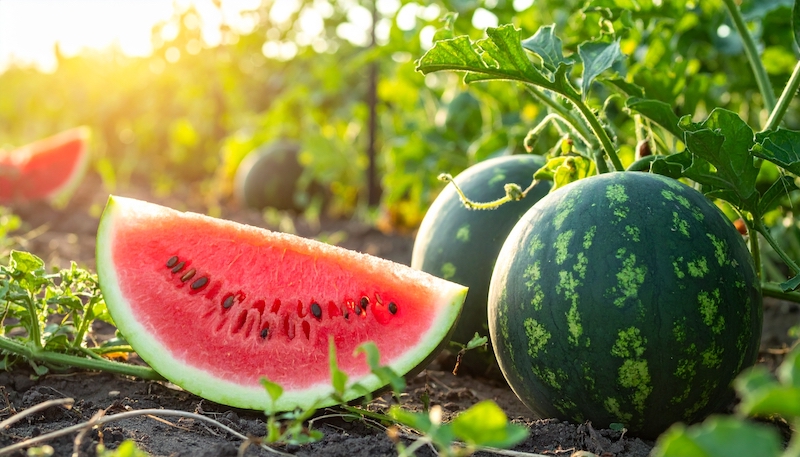
July gardens reward persistence with an abundance of fresh produce, including beans, beets, blueberries, cantaloupes, carrots, celery, chard, corn, cow peas, cucumbers, eggplant, figs, lettuce, okra, onions, peppers, plums, scallions, squash, tomatoes, watermelon and zucchini.
Best days
July rewards early starts, moving tides and cooler hours outdoors.
- Enjoy a porch night: After a passing storm, when breezes cool the air
- Go fishing or crabbing: Early morning or near sunset, especially during movie tides
- Hit the beach: Early morning for cooler sand or late afternoon into sunset
- Plan a boat day: Mornings before storms and peak heat build
- Go shelling: Early morning at low tide before heat and foot traffic pick up