Seeing spirits: How synesthesia shapes the craft at Hilton Head Distillery
Hilton Head Distillery’s master distiller has a hidden superpower that gives him an entirely different perspective on his craft
Story by Barry Kaufman + Photography by Michael Hrizuk
The human brain is a wonderfully mysterious piece of biological machinery. And yet, even among the many feats of this incredible organ, synesthesia stands apart as a nearly supernatural phenomenon. Affecting around 4% of the global population, this neurological condition causes an unusual blending of the senses, allowing people to “see” things that most of us would only hear, smell or taste. In some cases, certain words have a flavor. “Crystal” might taste like sugar, while “prime” might taste like a well-done steak. In others, numbers have their own colors, with three appearing deep green and seven a rusty brown.
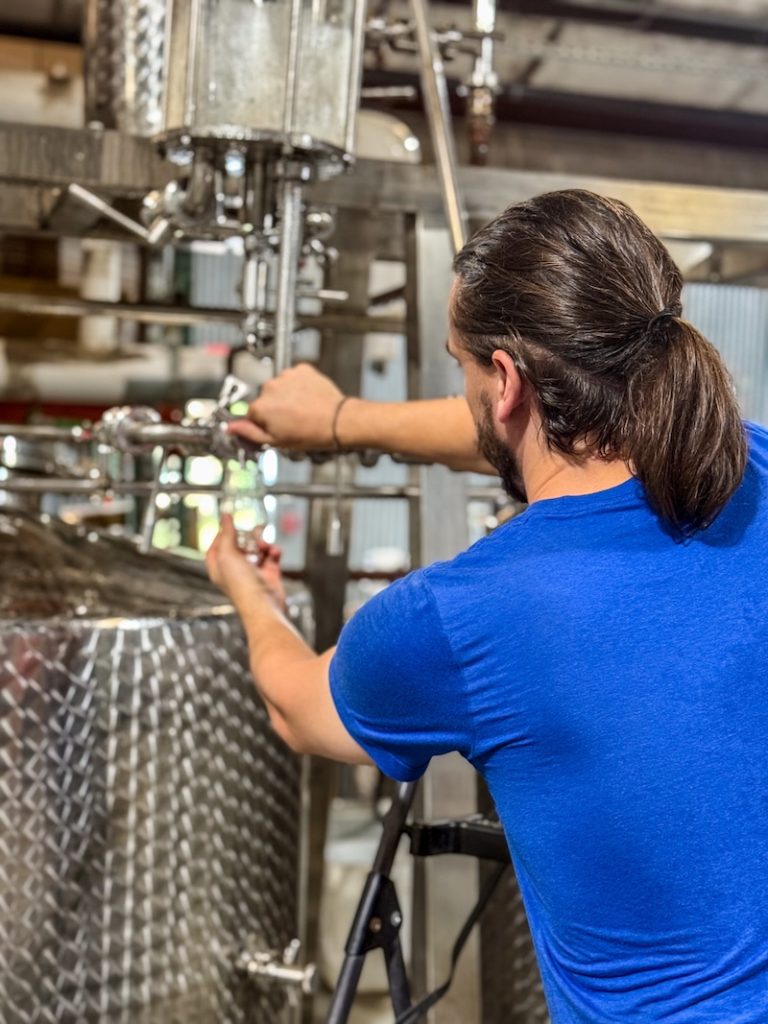
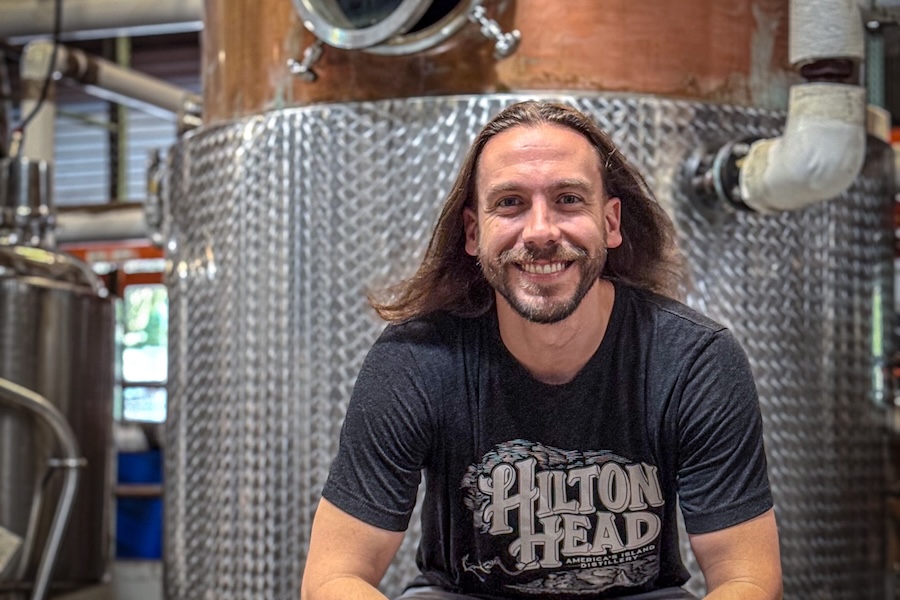
In Cody Chinn’s case, his synesthesia manifests as a blending of taste and color, giving him a superpowered edge as Hilton Head Distillery’s master distiller. To him, each flavor has its own distinct hue.
“When I was a kid, my parents would ask me how something tastes, and I’d say, ‘It’s very blue.’ And they’d tell me, ‘You know that’s not a word for taste, right?’ So I kind of learned not to describe things that way. … Later on, I learned about synesthesia in college,” Chinn said. “I can pick up really subtle things because I can see a small flash of color when I’m trying to pick out a taste. So, I can pick up on subtleties that others might miss.”
He describes it as a crosshair that appears in the periphery of his vision, like a pie chart with sections that light up in different colors as he samples. Green vegetables tend to taste green to him, while certain spices produce a dark brown. The award-winning E.S.D. Extra Special Dark Rum he distills sends up a kaleidoscope of purples and whites.
“The ESD is very complex. I get a whole light show when I taste it, which is why I really like complexity,” he said.
As a distiller, it gives him a tremendous advantage. But even without it, his passion for crafting spirits has been a constant throughout his life. Growing up in Kentucky, bourbon was naturally part of the culture, and a tour of Buffalo Trace Distillery introduced him to the artistry behind its flavor.
Of course, bourbon isn’t the only spirit Kentucky does well.
“I bootlegged moonshine for the Amish in high school because they are nothing if not entrepreneurs,” he said with a laugh. “I actually removed the spare tire out of a ’96 Pontiac Grand Am so I could put a little whiskey tank in there for people to fill their own containers. I never got caught.”
After continuing his illicit spirits trade for a while, making wine from Mott’s apple juice in his college dorm room, Chinn went pro at Lazy Guy Distillery in Atlanta. He was still a novice, but his connections back home proved vital in helping him take the next step.
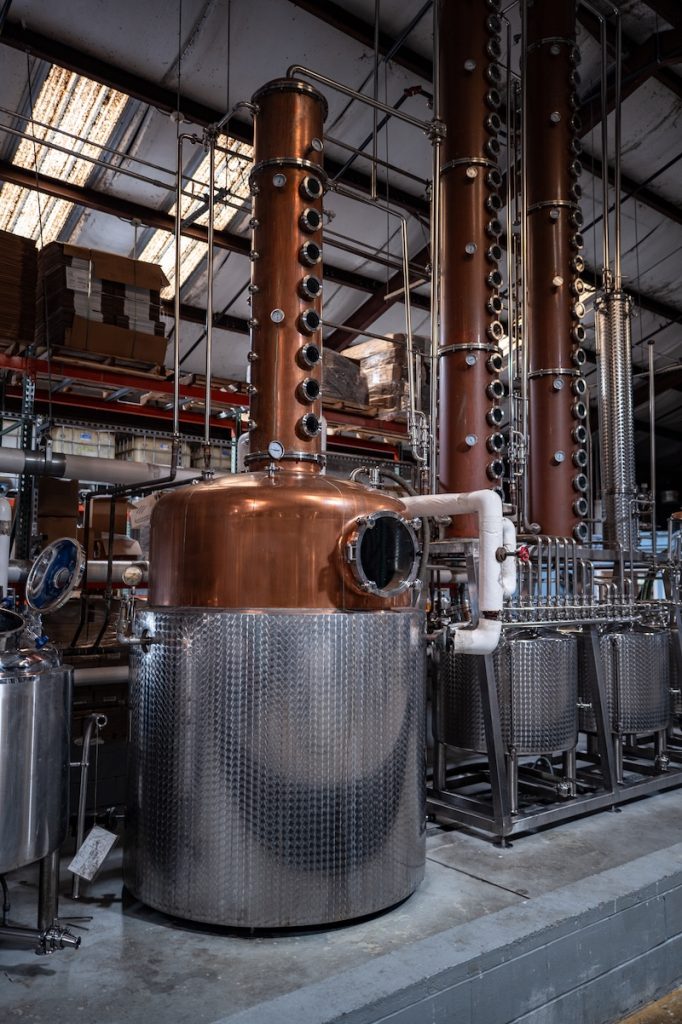
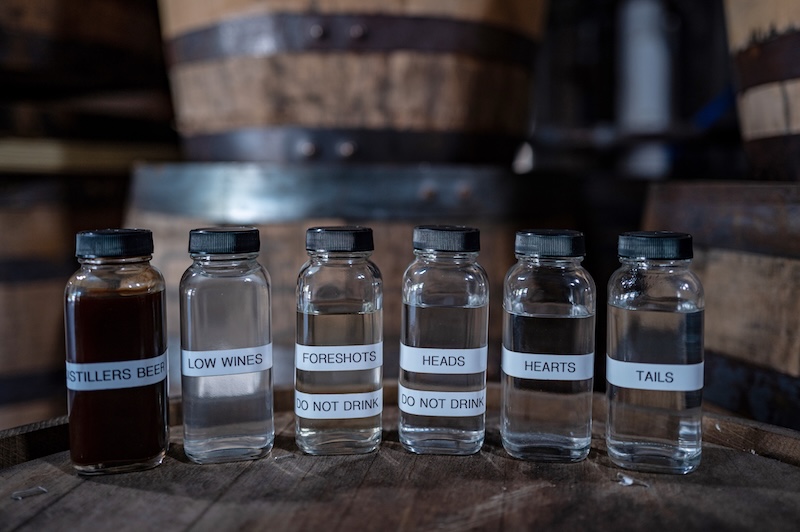
Charles Medley, the man who had inducted Chinn’s father as a Kentucky colonel, came from a family with a long tradition in the spirits industry. He agreed to take Chinn under his wing, teaching him when to make cuts, how to separate components and how to adjust when things went awry.
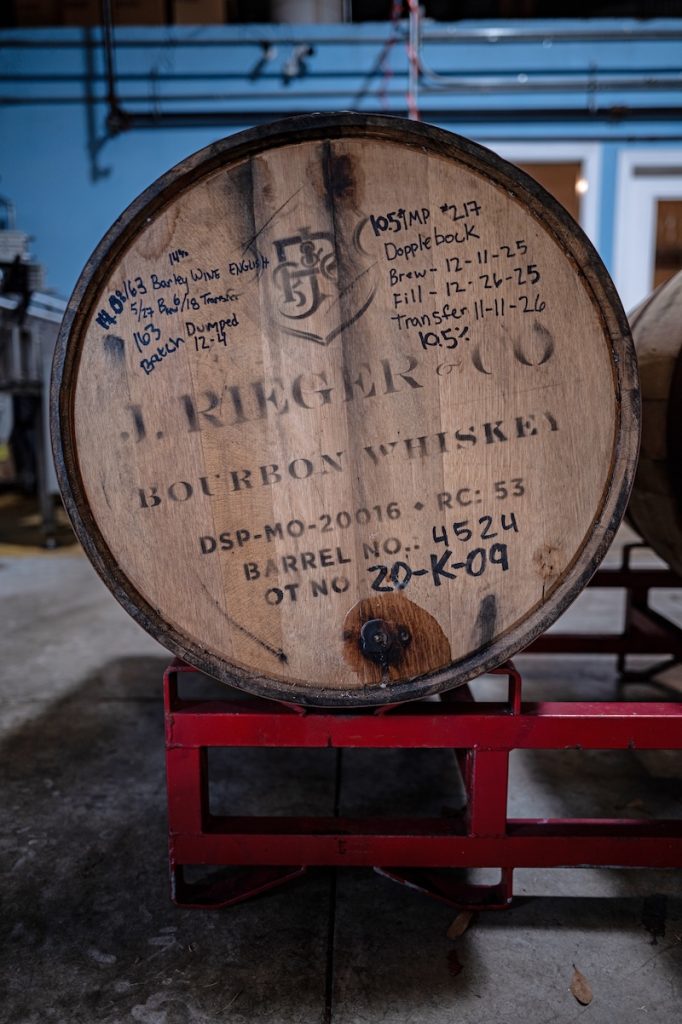
“Distilling is an art, where brewing is a science. It’s kind of like the difference between cooking and baking. Baking is very scientific. You have to control all your variables, and if you don’t have the exact right temperature with the right humidity for the right amount of time, it just won’t work,” he said. “But distilling is more like cooking; it’s all done on the fly. … I can run a still hot and fast and give you a complex, spicy bourbon, or low and slow and give you creamy, buttery and smooth.”
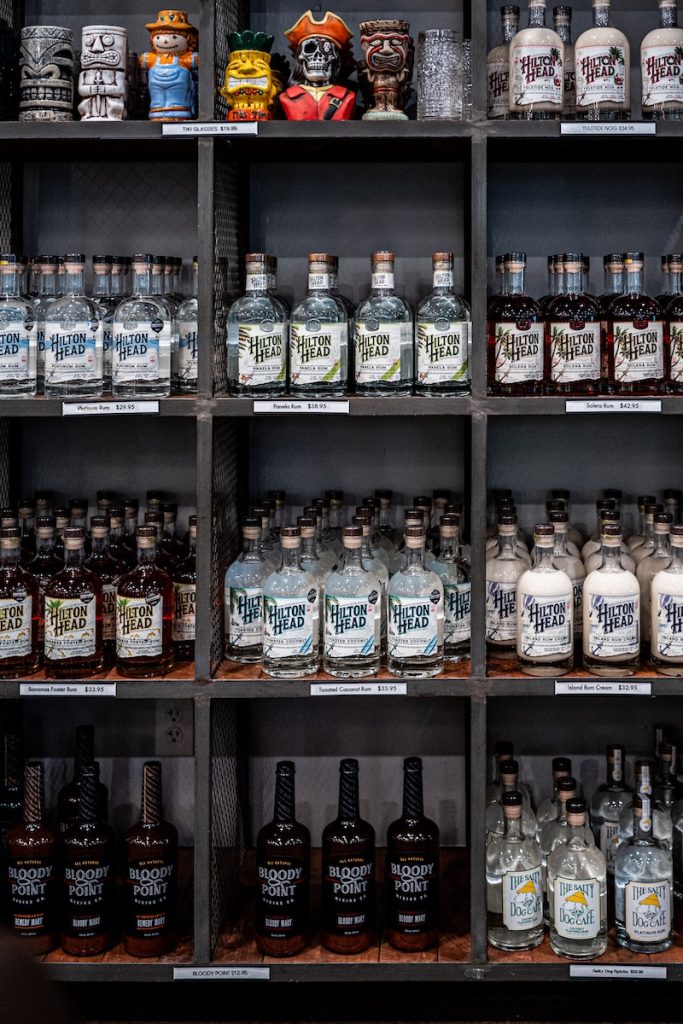
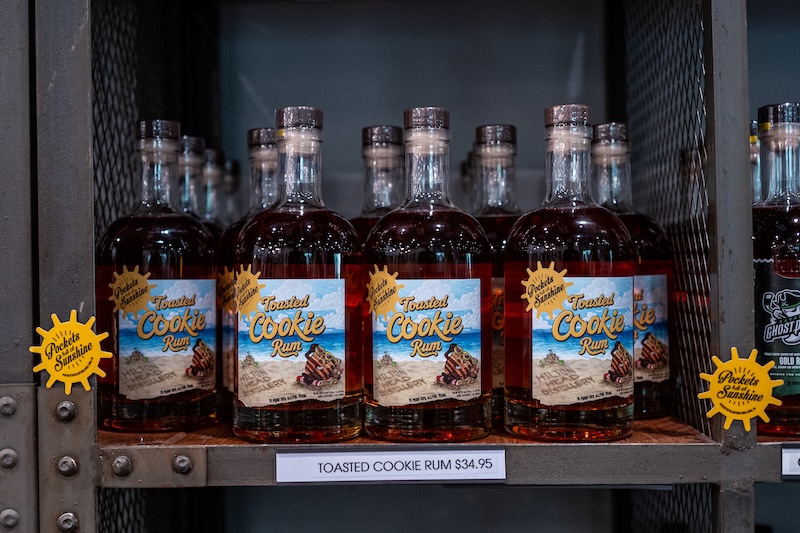
That approach to distillation, informed by classic Kentucky techniques and shaped by his unusual ability to see flavors, has already earned Chinn accolades and awards for his spirits. Since arriving at Hilton Head Distillery in 2025, his goal has been to use those gifts to elevate its already celebrated line of rums.
“In the last few years, rum has been going through somewhere where a lot of bourbon drinkers are now looking at rum. But bourbon drinkers in the market expect transparency and honesty, and that doesn’t exist in rum. You can add a lot of sugar and artificial coloring. But that transparency is starting to happen,” he said. “That’s why I’ve removed all the fake ingredients and all the coloring so everything is real whole ingredients. … What I want to do is move it towards what whiskey is, because rum is America’s spirit.”