Horseradish Guide: How to Use, Grow & Store This Fiery Root
The fiery ingredient that gives cocktail sauce, bloody marys and Lowcountry seafood its unmistakable kick
Story by Bailey Gilliam
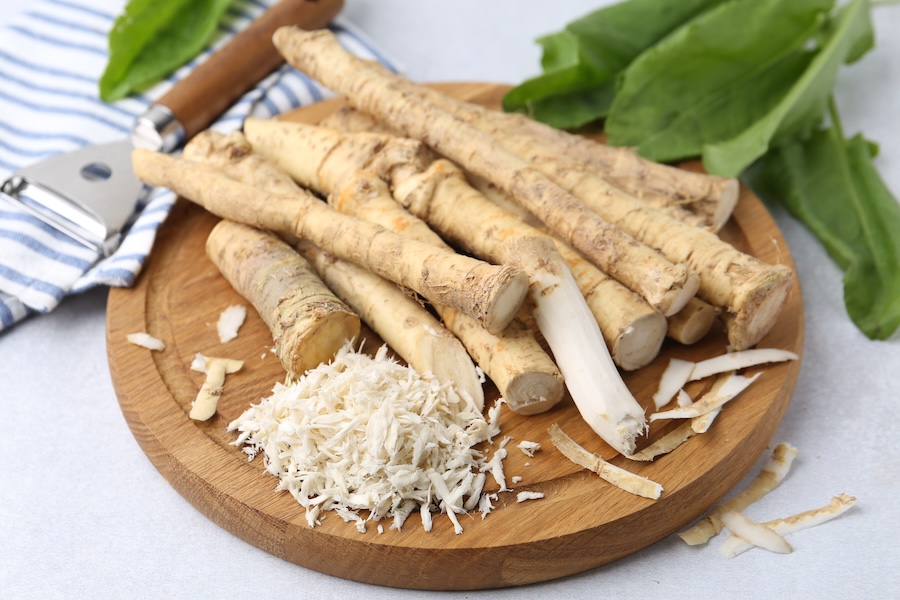
Horseradish isn’t shy. One whiff of a freshly grated root is enough to clear your sinuses, water your eyes and wake up your taste buds. Best known for adding bite to shrimp cocktail, prime rib and bloody marys, this fiery plant has been prized as both a medicine and a seasoning for more than 3,000 years. Although it prefers cooler climates, horseradish can be grown in the Lowcountry with a little extra care. Whether stirred into cocktail sauce, folded into mashed potatoes or spread on a roast beef sandwich, it proves that some of the boldest flavors come from underground.
The History of Horseradish
Ancient roots
Native to Central and Eastern Europe, horseradish was valued by the ancient Egyptians, used medicinally by the Greeks and remains one of the traditional bitter herbs served during Passover. During the Renaissance its popularity spread across Europe before settlers introduced it to North America, where immigrants established commercial farms throughout the Midwest. Even its name has evolved over time, from the German meerrettich (“sea radish”) to the English “horseradish.”
Horseradish Nutrition & Potential Benefits
Small root, big benefits
Horseradish may be best known for clearing your sinuses, but its benefits extend beyond its fiery kick. Like other members of the mustard family, it’s rich in vitamin C, antioxidants and plant compounds that help protect cells from damage and may reduce inflammation. It also provides calcium, potassium, magnesium and small amounts of fiber. Researchers continue to study horseradish compounds for their antibacterial and anti-inflammatory properties, though more research is needed to confirm many of their potential health benefits. Fresh horseradish is naturally low in calories, but prepared sauces can be high in sodium, so a little goes a long way.
Who Should Avoid Horseradish?
Who should skip it?
Because of its intense compounds, horseradish isn’t recommended for young children and may not be appropriate for people who are pregnant or breastfeeding or those with certain digestive disorders, thyroid conditions or stomach ulcers. If you have a medical condition, ask your health-care provider before adding large amounts to your diet. And while your dog may beg for a bite, keep horseradish away from pets.
How to Store Fresh Horseradish
Keep it fresh
Store whole, unwashed roots in a perforated plastic bag in the refrigerator for up to two months. Once cut or grated, use within a few days, or preserve in vinegar to maintain its signature bite. Prepared horseradish keeps refrigerated for up to three months, though its flavor is strongest during the first month. Freshly grated horseradish also can be frozen for several months, although it will lose some of its heat.
How to Buy Fresh Horseradish
Buying tips
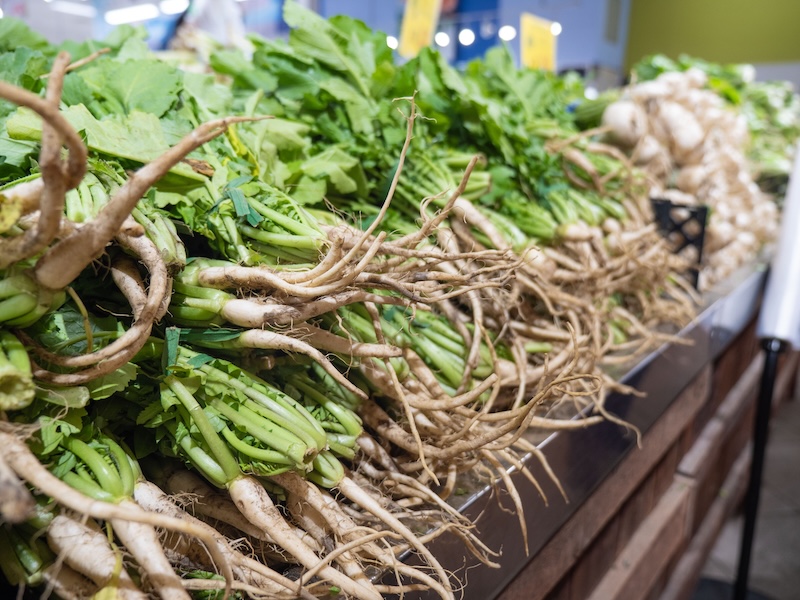
Choose roots that feel firm, heavy and smooth, without mold, soft spots or green patches. Avoid roots that are shriveled or sprouting. Prepared horseradish is sold in the refrigerated condiment section, while dried horseradish powder can be reconstituted with water when needed.
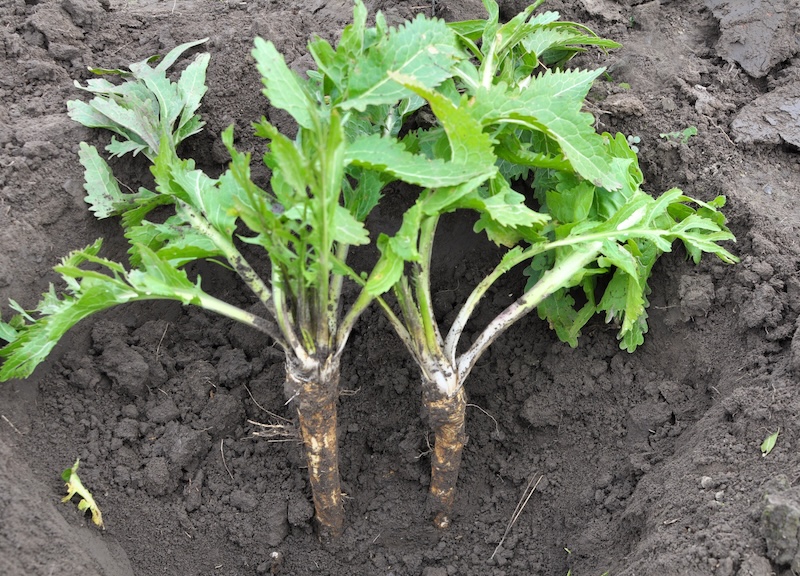
How to Grow Horseradish in the Lowcountry
Growing the good stuff
Horseradish prefers cooler climates, but Lowcountry gardeners can grow it successfully. Plant 3- to 5-inch root cuttings between January and March in loose, well-drained soil enriched with compost. Containers or raised beds work especially well because they keep the vigorous roots contained and allow better drainage. Give plants morning sun, afternoon shade during the hottest months and consistent moisture. Harvest in late fall or early winter after the foliage dies back, when the roots develop their signature fiery flavor.
Using Shrimp Shells in the Garden
Feed it shrimp
Don’t toss those shrimp shells. Composted shells or shrimp meal enrich the soil with nitrogen, calcium and chitin. Chitin encourages beneficial microbes and may help suppress root-damaging nematodes, making shrimp shells a surprisingly effective natural soil amendment for horseradish and many other garden crops.
More Ways to Use Horseradish
Beyond cocktail sauce
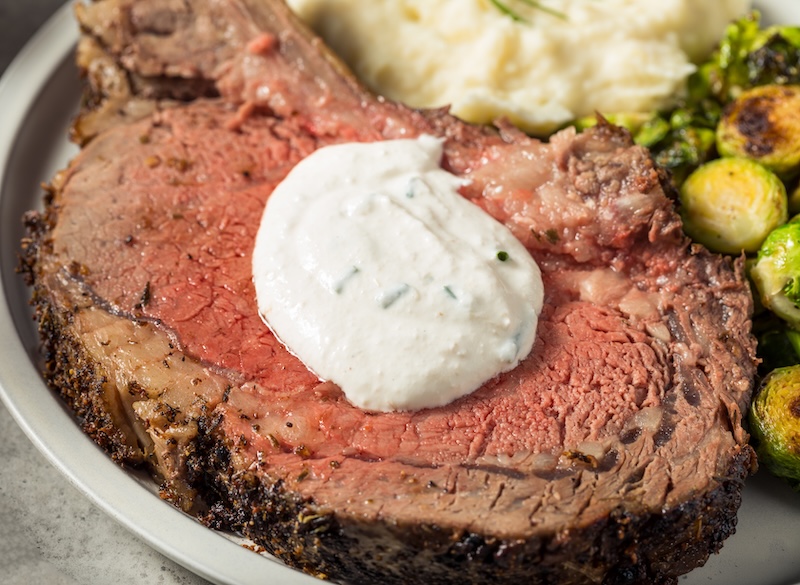
Horseradish delivers a sharp, peppery heat that’s more likely to clear your sinuses than burn your tongue. While it’s best known as the key ingredient in cocktail sauce, it also livens up roast beef, mashed potatoes, deviled eggs, vinaigrettes and creamy dips. Fresh horseradish is most flavorful when peeled and grated just before serving, and it also can be roasted, sautéed or folded into hot dishes alongside potatoes, beets, broccoli and Brussels sprouts.
TRY IT:
• Stir into mashed potatoes or mac and cheese.
• Fold into deviled eggs or creamy dips.
• Spread on roast beef sandwiches and burgers.
• Serve alongside steak, shrimp or oysters.
• Blend into homemade cocktail sauce or bloody marys.
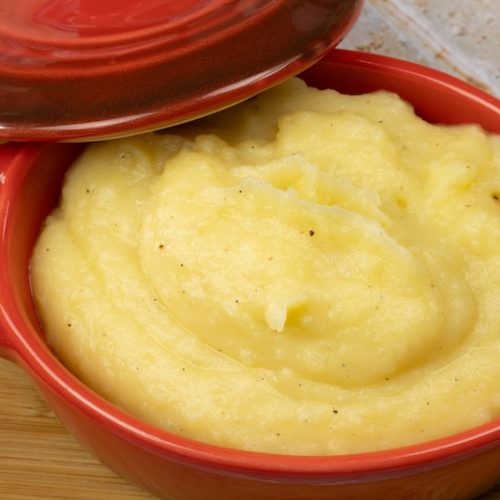
Horseradish Whipped Potatoes
Ingredients
- 3 pounds russet potatoes peeled and cut into medium cubes
- 1/2 cup heavy cream
- 8 ounces unsalted butter
- 2 horseradish roots grated and drained
- 1 teaspoon nutmeg
- Salt and pepper to taste
Instructions
- Heat the cream and butter together in a saucepan until the butter melts.
- Cover the potatoes with water and boil until fork tender. Drain well and return them to the warm pot.
- Add the butter mixture, grated horseradish, nutmeg, salt and pepper. Whip until smooth and creamy.
Notes
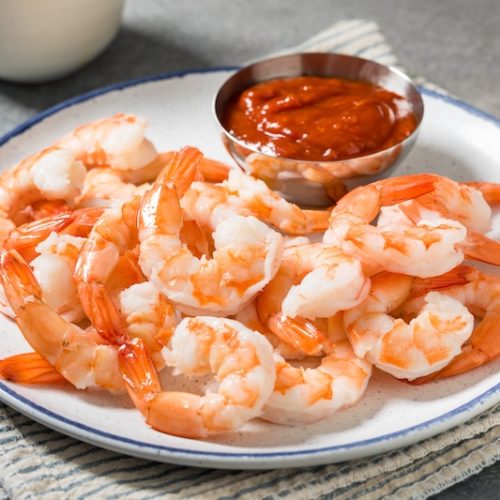
Classic Shrimp Cocktail With Homemade Horseradish Sauce
Ingredients
- 2 pounds raw peeled or unpeeled shrimp
- 1 cup ketchup
- 1/3 cup prepared horseradish
- 2 tablespoons freshly squeezed lemon juice
- 1 teaspoon garlic powder
- 1/2 teaspoon black pepper
Instructions
- Bring water to a gentle simmer in a medium pot. Add the shrimp and cook just until pink and opaque, about 2 to 3 minutes depending on size. Drain, cool and refrigerate for at least 2 hours.
- Combine the ketchup, horseradish, lemon juice, garlic powder and black pepper. Cover and refrigerate.
- Serve the chilled shrimp with the cocktail sauce.