Shrimp Tales: Preserving the History of Lowcountry Shrimping
Beverly Bowers Jennings’ photo history celebrates the people, places and boats that shaped the Southeast’s commercial shrimping heritage
The Story Behind Shrimp Tales: Small Bites of History
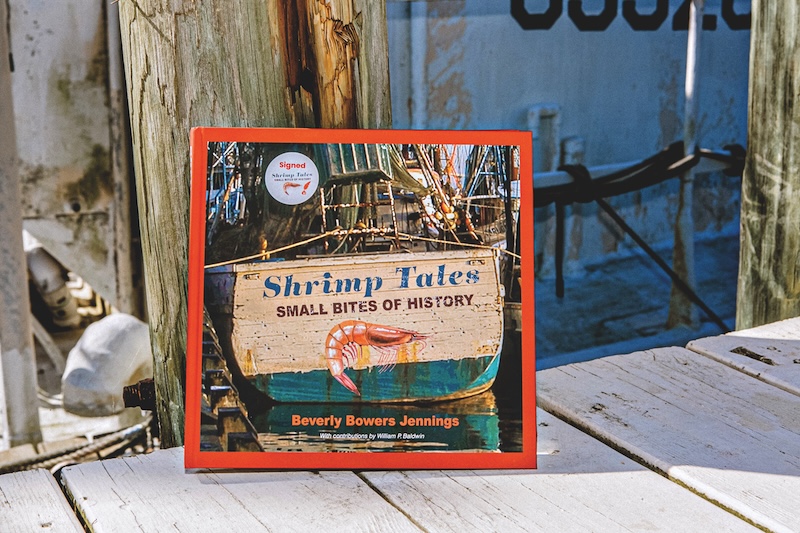
For generations, commercial shrimping has shaped the culture, economy and identity of the South Carolina and Georgia coast. But while the boats and docks remain familiar landmarks, many of the people and stories that built the industry have never been fully documented. In Shrimp Tales: Small Bites of History, Beaufort historian Beverly Bowers Jennings changes that. Drawing on years of research and interviews with nearly 100 shrimpers, the 320-page book uses more than 800 photographs, maps and historical documents to tell the story of the people, places and boats that shaped the commercial shrimping industry from Florida to South Carolina. More than a photo history, it is a tribute to a hardworking community whose legacy continues to shape the Lowcountry today. Proceeds from every book sold benefit the South Carolina Seafood Alliance, helping preserve the industry’s past and its future.
Beverly Bowers Jennings: The Storyteller Behind Shrimp Tales
The storyteller
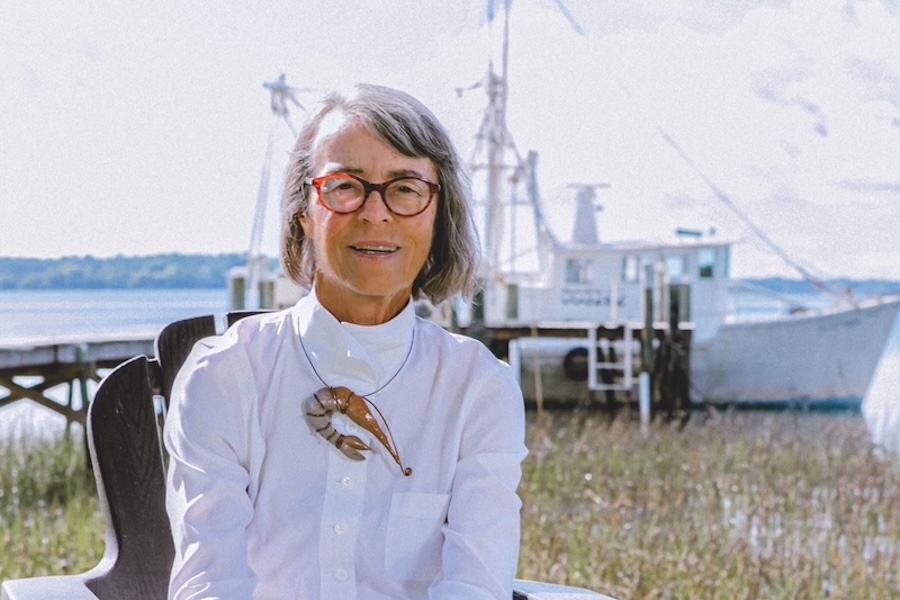
Author Beverly Bowers Jennings spent years interviewing shrimpers, collecting photographs and uncovering stories that might otherwise have been lost to time. Sitting beside the boats that inspired her work, she reflects the passion and dedication behind a book created to preserve one of the Lowcountry’s most important traditions.
The Celtic Pride: A Shrimp Boat Built on Hilton Head Island
Built by hand
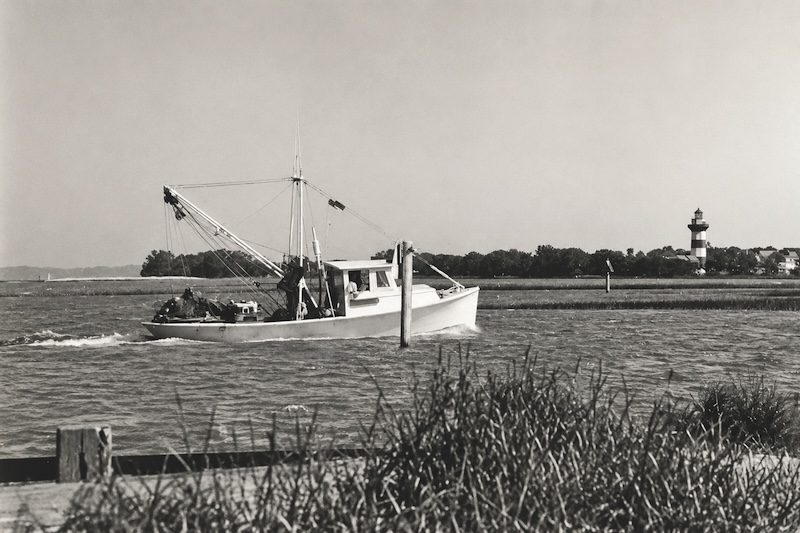
Scott and Mike MacDonald spent roughly 5,000 hours building the Celtic Pride behind their Buckingham Landing home. Completed in 1986, the 43-foot vessel was believed to be the first shrimp boat built on Hilton Head Island in two decades — and possibly the last — showcasing the brothers’ skills as both shrimpers and craftsmen.
More Than 800 Images of Southeastern Shrimping History
A treasure trove of shrimping history
With more than 800 photographs, maps and historical images spread across 320 pages, Shrimp Tales: Small Bites of History is one of the most comprehensive visual histories ever published about the commercial shrimping industry of the Southeast. The book is available at retailers throughout the Lowcountry and online at ShrimpTales.org.
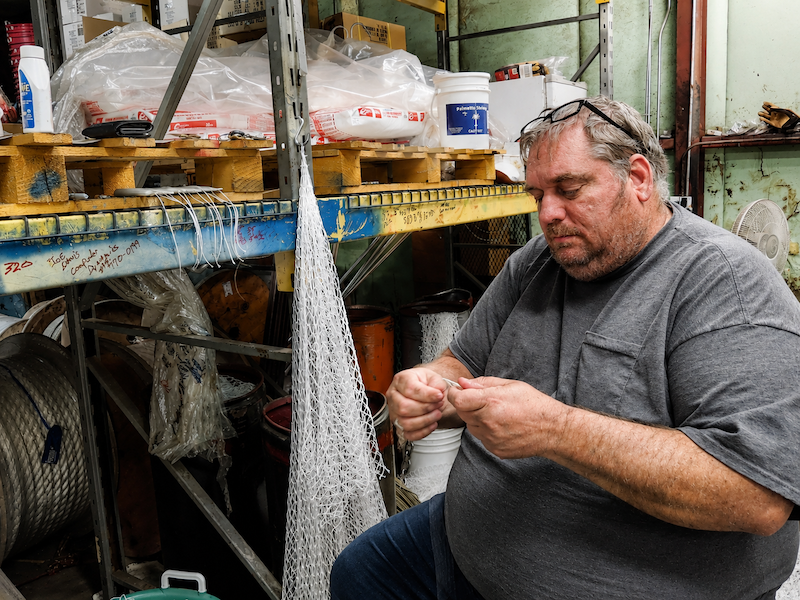
How a Commercial Shrimp Trawl Is Made
Crafting the perfect net
Scott Lettich of Beaufort Marine Supply stitches together a shrimp trawl by hand, combining sections of specialized netting into a finished trawl that may stretch up to 75 feet. Modern shrimp nets are engineered to improve catches while incorporating devices that safely allow sea turtles to escape.
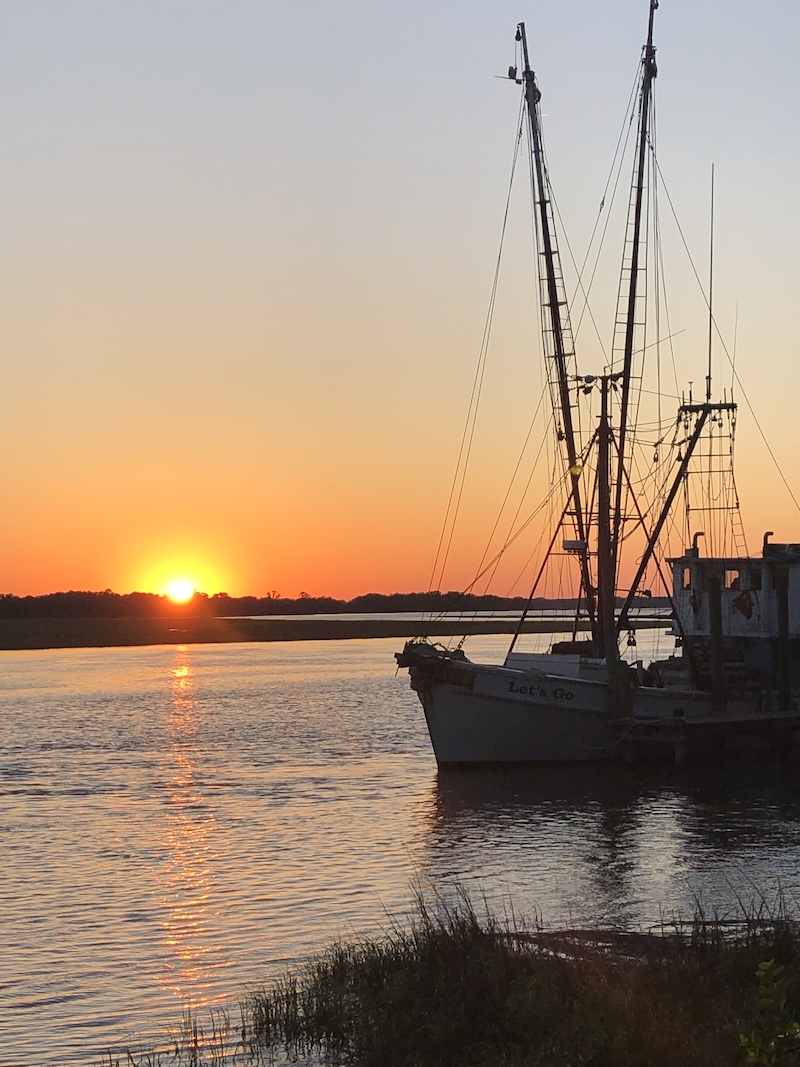
The Let’s Go: A Beaufort Shrimp Boat at Sunset
Let’s Go
The shrimp boat Let’s Go, owned by Capt. Barrett Thomas Boulware (1956–2018), rests against a fiery Beaufort sunset. With its wheelhouse positioned near the stern, the vessel reflects one of the many designs found among working shrimp boats, each customized to the captain’s preferences and fishing style. As the old saying goes, “Red skies at night, fishermen’s delight.”
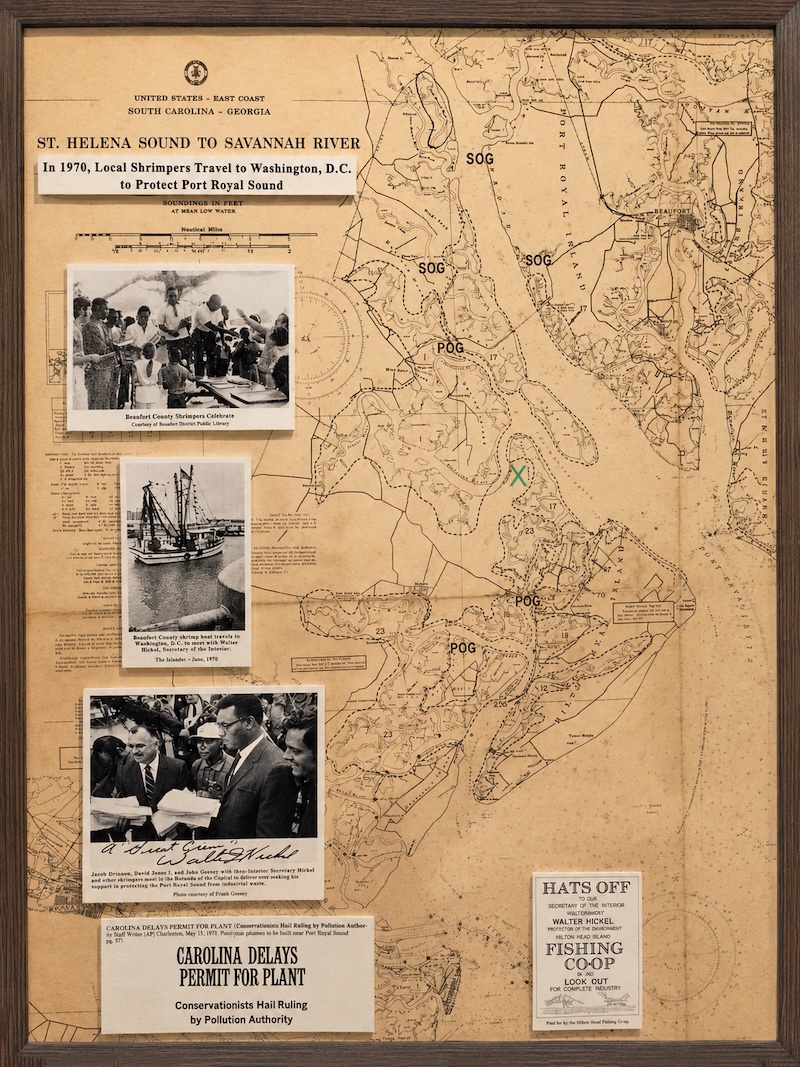
How Hilton Head Shrimpers Helped Protect Port Royal Sound
Shrimpers who changed history
In 1970 members of the Hilton Head Fishing Cooperative sailed a 43-foot shrimp boat from Port Royal to Washington, D.C., carrying 25 pounds of shrimp and a petition signed by 45,000 opponents of a proposed BASF petrochemical plant. Their eight-day journey helped rally national support to stop the proposed BASF plant, preserving Port Royal Sound and protecting the clean waters that remain vital to both the seafood industry and the Lowcountry’s tourism economy.
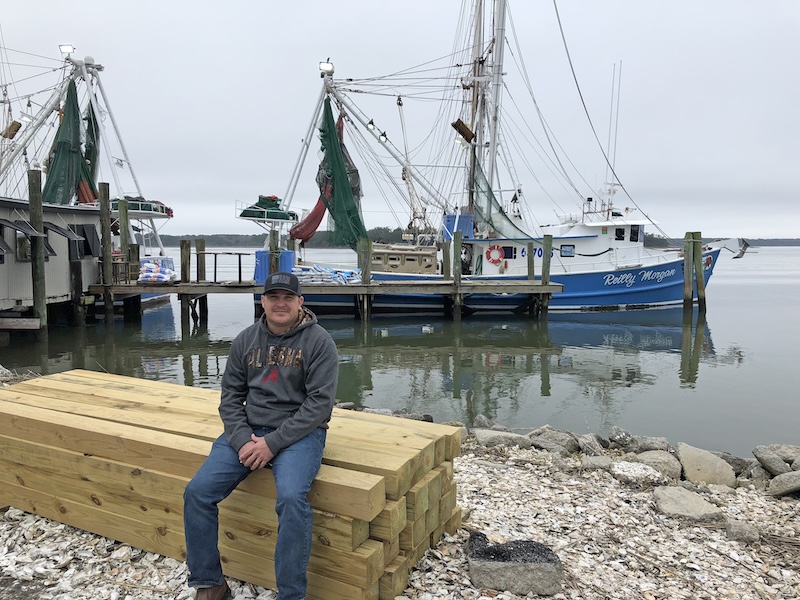
The Toomer Family’s Lowcountry Shrimping Legacy
The Toomer legacy
The Reilly Morgan, owned by Jeff Toomer, represents one of the Lowcountry’s most successful shrimping families. Jeff and Skip Toomer continue a family shrimping tradition established by their father, Frank, operating some of South Carolina’s most productive shrimp boats. Their distinctive blue vessels remain a familiar sight behind Hudson’s Seafood House on the Docks.

Keeping Hilton Head’s Commercial Shrimp Fleet Afloat
Keeping the fleet afloat
For decades Melvin Murray operated the railway at Benny Hudson Seafood, lifting shrimp boats from the water so they could be cleaned, repaired and painted. Growing up just a few hundred yards away, he spent a lifetime helping keep Hilton Head’s commercial shrimp fleet in working order.
A Lifetime of Shrimping on Hilton Head Island
A lifetime on the water
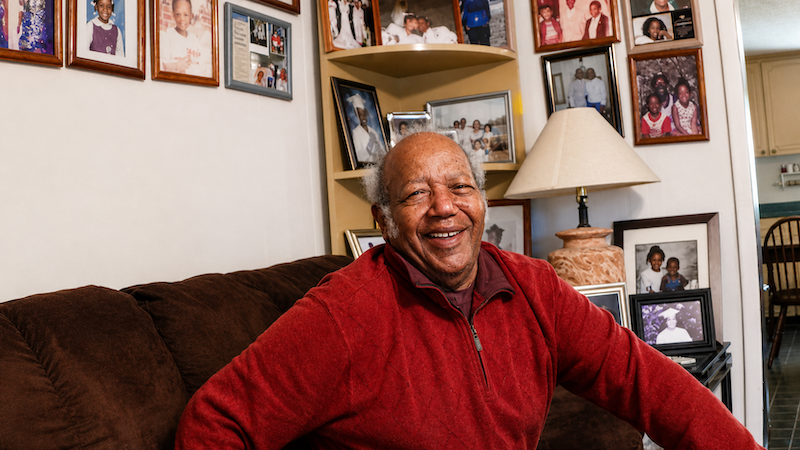
Arthur “Red” Stewart witnessed dramatic changes on Hilton Head Island over the course of his life. A longtime shrimper and captain of the Sea Ranger, Stewart recalled an era when neighbors knew one another, hard work defined daily life, and generations of Hilton Head families built their lives on the surrounding waters.
Sea Eagle Market: A Working Waterfront on St. Helena Island
A working waterfront
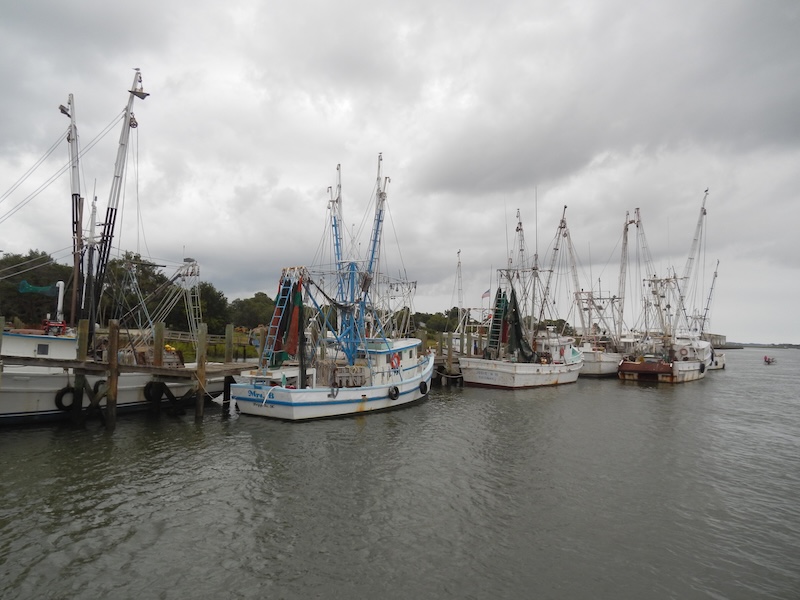
Sea Eagle Market on St. Helena Island remains one of the Lowcountry’s true working waterfronts, where commercial shrimping, oyster harvesting and fresh local seafood all come together. Operated by the Reaves family since 1980, Sea Eagle Market has become one of the Lowcountry’s premier sources for fresh local seafood while remaining deeply connected to the commercial shrimping industry.