How to Host a Lowcountry Party: Food, Drinks & Decor
Great Lowcountry gatherings have their own rhythm. Here’s how local food, outdoor settings and a few unwritten rules turn an ordinary party into one nobody wants to leave.
Story by Marie McCaa
Photography by Lisa Staff
You know a Lowcountry party when you see one. There might be oysters steaming under wet burlap, shrimp spilling across a paper-covered table or a cooler packed with beer and wine. Spanish moss hangs overhead. Somebody is passing hot sauce. The sun is disappearing behind the marsh, and nobody seems interested in going home.
Entertaining here is less about perfection than creating a place where people want to settle in.
The landscape provides the decoration, local seafood often supplies the menu, and some of our favorite meals are intentionally messy. The best gatherings feel generous without being fussy, polished without being precious. But casual doesn’t mean accidental. From what goes on the table to what guests bring, there is an art to getting it right. Illustrated with memorable celebrations from past issues, here is the anatomy of a proper Lowcountry party.
- The right party for every season
- Setting: Let the Lowcountry show off
- Food: Make it local and make enough
- Drinks: Cold, easy and within reach
- Flowers + decor: Look outside first
- Music: Know your role
- Lighting: Follow the sun
- Comfort: Plan for the uninvited guests
- The unwritten rules of Lowcountry entertaining
- The final ingredient: Time

The right party for every season
Around here, outdoor entertaining has a season all its own. The trick is knowing when to send the invitation.
November-December: Cooler days and crisp evenings set the stage for oyster roasts, fireside gatherings and holiday suppers. Keep a few blankets handy, and let the fire provide the centerpiece.
January-February: Fire pits, oyster roasts and hearty suppers rule. Start early enough to enjoy the afternoon sun.
March-April: Prime porch-party weather. Azaleas, mild evenings and fewer bugs make spring one of the easiest times to entertain outdoors.
May-August: Think shade, fans and later start times. Pool parties, dockside cocktails and casual cookouts work best once the strongest afternoon heat begins to fade.
September-October: One of the Lowcountry’s sweet spots. Warm days and increasingly comfortable evenings are ideal for Lowcountry boils, backyard dinners and sunset gatherings.
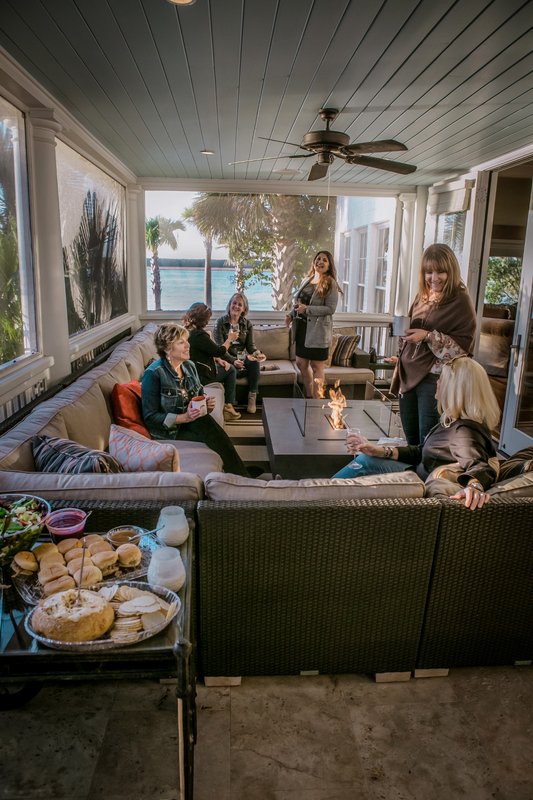
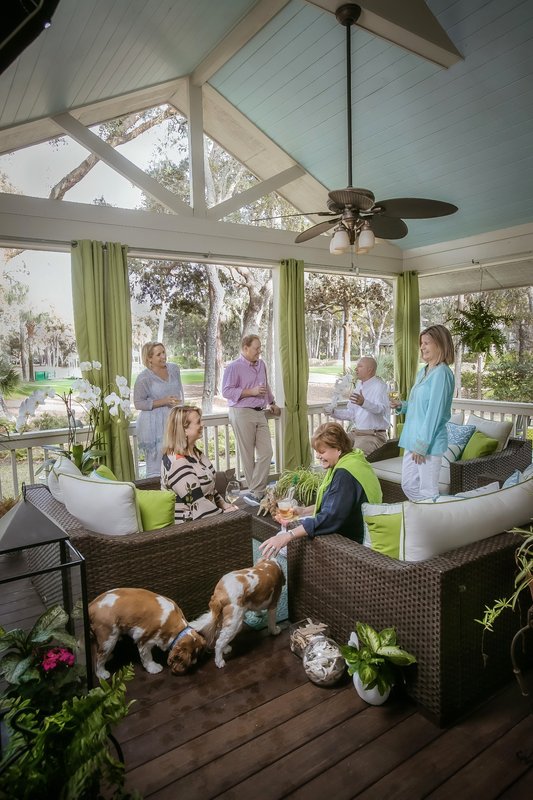 At a 2018 gathering at Marianne Doyle’s Sea Pines home, a screened porch overlooking the eighth tee at Harbour Town Golf Links offered the best of both worlds: fresh air and a front-row view with shade, comfortable seating and a ceiling fan overhead. It’s proof that a great Lowcountry gathering space doesn’t have to be completely outdoors.
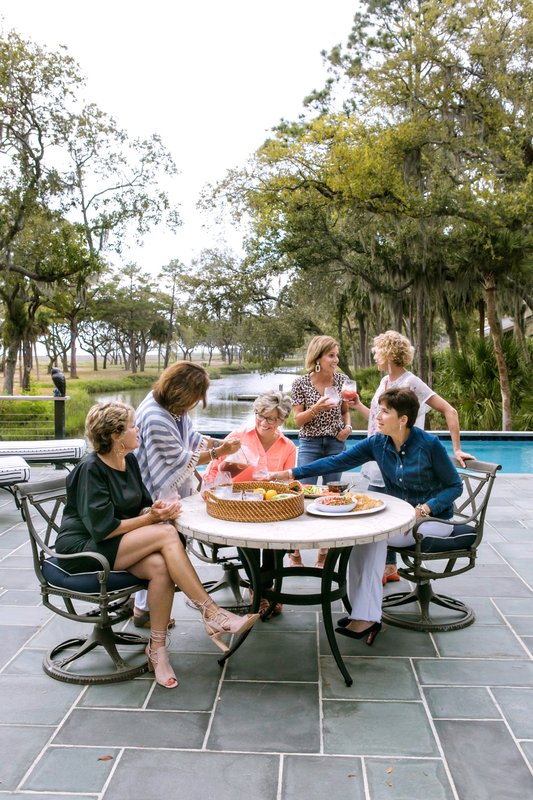 At Ann McBrien’s Sea Pines home, the scenery does the decorating. A poolside table overlooks a creek, a small island and, beyond it, Calibogue Sound and Daufuskie Island. Positioning the gathering toward the view turns cocktails and conversation into something distinctly Lowcountry.
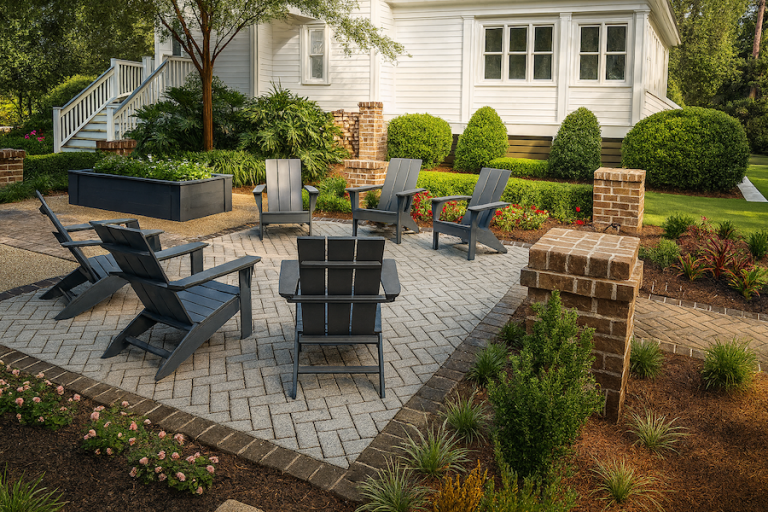
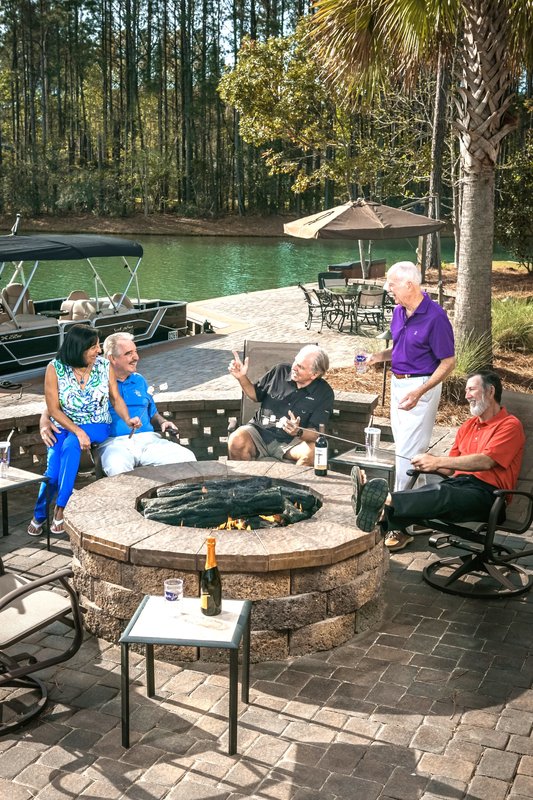 A fire pit creates an instant conversation circle in the backyard of Elsie and Mike Calvert’s Hampton Lake home. With comfortable chairs, water views and plenty of room to settle in, the setting encourages guests to pull up a seat, pour a drink and stay awhile.
Setting: Let the Lowcountry show off
Start with the view. A Lowcountry gathering doesn’t require an elaborate venue when a porch, backyard, dock, beach or lawn beneath the live oaks can provide much of the atmosphere on its own. Rather than compete with the landscape, make it part of the party.
Orient chairs toward the marsh or water. Put the cocktail table where guests can catch the sunset. If a magnificent live oak anchors the yard, build the gathering around it. The scenery is not simply the backdrop. It is part of the experience.
Comfort matters just as much. Create several places for guests to settle in rather than forcing everyone into one formal seating arrangement. Mix dining chairs with porch furniture, benches and smaller conversation areas. Keep a few side tables nearby so nobody has to balance a drink and a plate on one knee.
For a seated outdoor dinner, a long table immediately creates a sense of community. For an oyster roast or Lowcountry boil, however, forget the formal place settings. Cover a sturdy table with butcher paper or another disposable covering, and let everyone gather around.
And always have a Plan B. Lowcountry weather has never cared about your invitation.
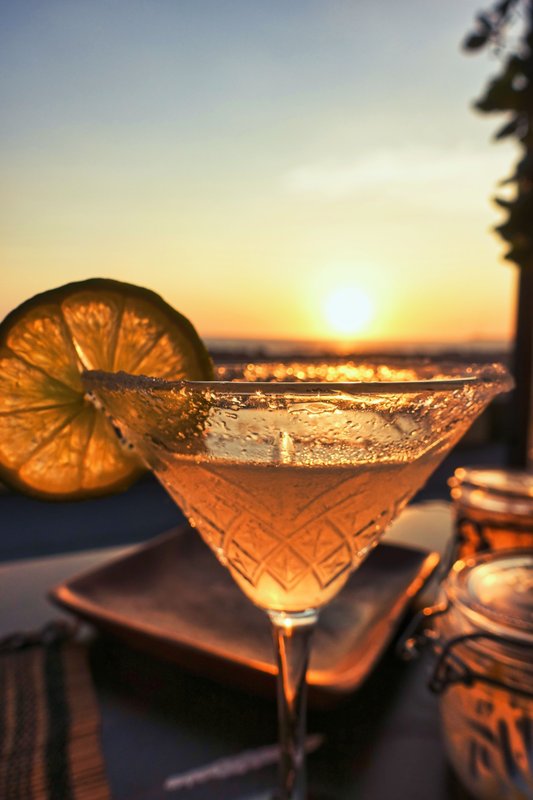
The sunset rule
Look up the sunset time before sending the invitation. For an outdoor dinner, ask guests to arrive 45 to 60 minutes before sunset. That leaves plenty of time to pour a drink, settle into conversation and enjoy the golden-hour glow before daylight fades.
Fall: Sunset between 5:15-7:45 p.m.
Guests arrive around 4:30-7 p.m.
Winter: Sunset between 5:15-6:15 p.m.
Guests arrive around 4:30-5:30 p.m.
Spring: Sunset between 6:30-8:30 p.m.
Guests arrive around 5:45-7:45 p.m.
Summer: Sunset between 8-8:30 p.m.
Guests arrive around 7-7:45 p.m.
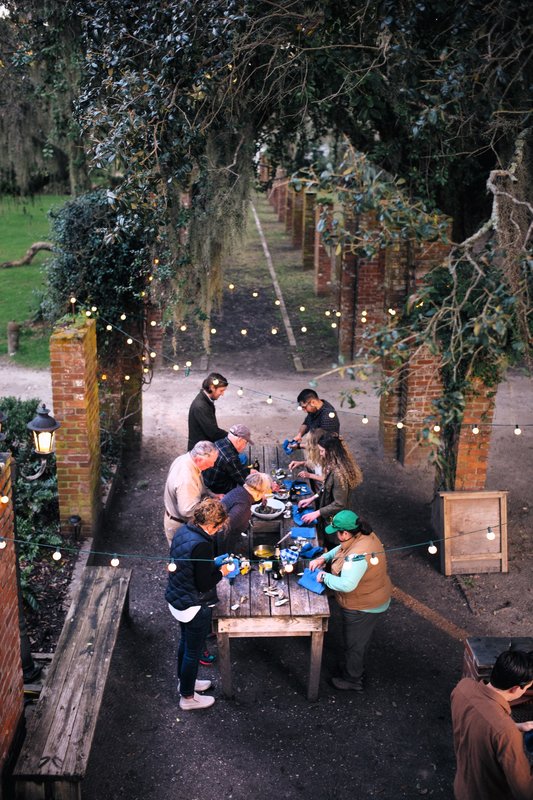 An oyster roast turns dinner into an activity. At Greyfield Inn on Cumberland Island, guests gather around a communal table to shuck, eat and talk beneath the trees and string lights. The shells pile up, the meal slows down and nobody worries much about table manners. That’s part of the appeal. ©GREYFIELD INN
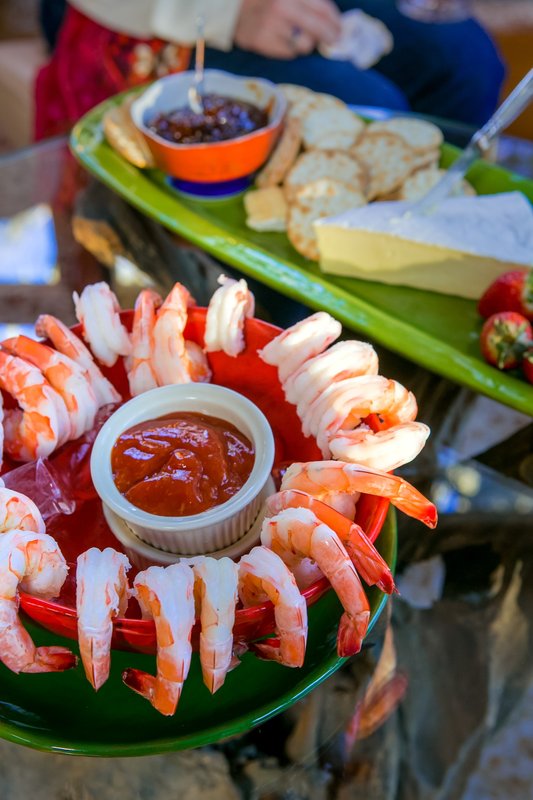 Few foods say Lowcountry gathering quite like shrimp. At a party at Joanie Heyward’s Pine House in Bluffton, chilled shrimp and cocktail sauce offered an easy appetizer guests could grab between conversations. Add cheese, crackers and something sweet or savory, and the grazing can begin.
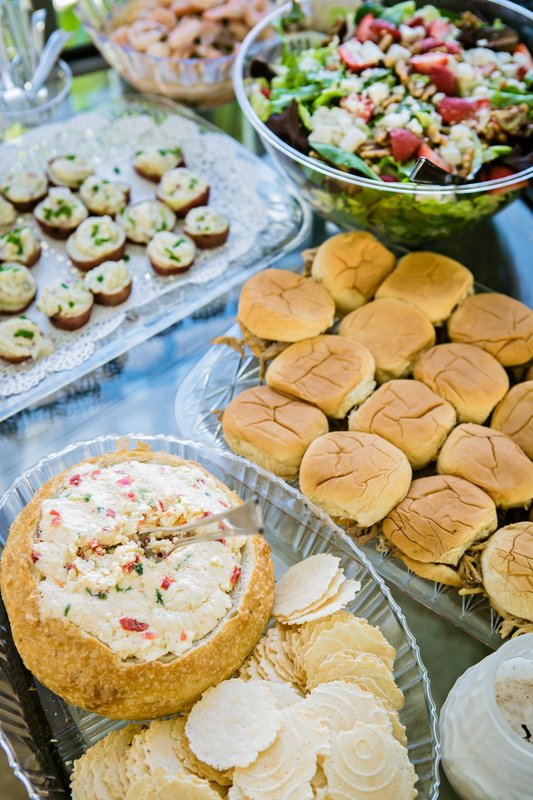
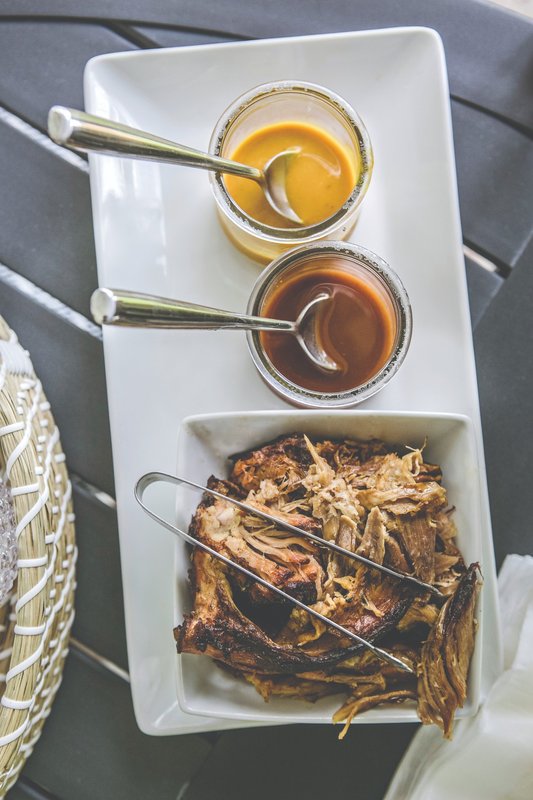 When seafood alone won’t satisfy the crowd, barbecue makes a worthy backup. At this Hilton Head Plantation gathering, pulled pork was served with a choice of sauces, giving guests something substantial to pile onto their plates.
Food: Make it local and make enough
If there is one unforgivable mistake at a Lowcountry party, it is running out of food. Fortunately, our signature dishes were practically invented for feeding a crowd. Oysters, shrimp, smoked sausage, corn, potatoes, pimento cheese, red rice, barbecue and other Southern staples are meant to be passed, piled and shared rather than painstakingly plated.
Few dishes capture that spirit better than Frogmore stew, also known as a Lowcountry boil. The one-pot combination of shrimp, sausage, corn and potatoes is associated with Frogmore on St. Helena Island and the food traditions of the Gullah-Geechee culture. Once everything is cooked, the pot is drained, and the feast can be transferred to platters or spread across a paper-covered table.
No fine china necessary. Hands are encouraged.
An oyster roast has its own ritual. Local clusters arrive hot from the fire or steamer, and guests do part of the work themselves, prying shells apart between bites and conversation. Stock the table with sturdy oyster knives, gloves or bar towels, plenty of paper towels, cocktail sauce, horseradish and hot sauce. Saltines and lemon wedges are welcome additions.
And don’t assume oysters alone will feed everyone. Add something substantial, such as barbecue, chili or another easy crowd-pleaser, along with a few sides.
The best Lowcountry party food gives people something to do as well as something to eat. Peeling shrimp, shucking oysters and passing platters slow down a meal. That is a feature, not a flaw.
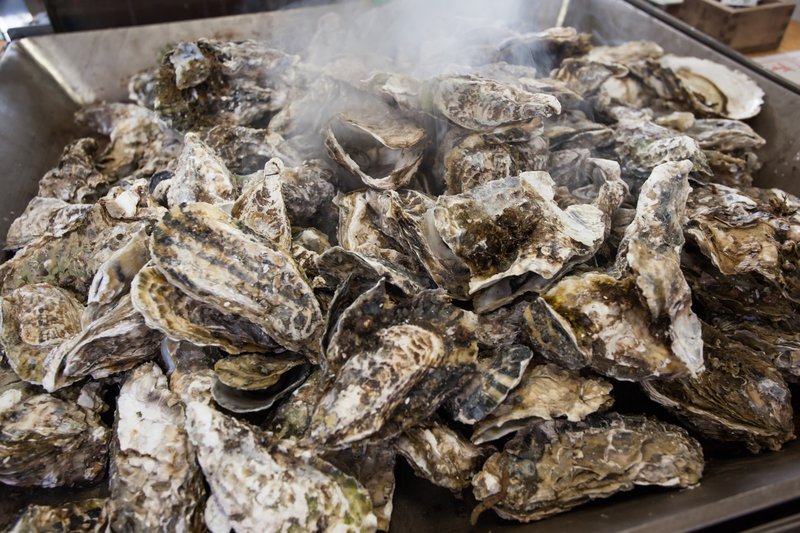
The oyster-roast rule book
- Wash muddy oysters before cooking them, but don’t soak them in fresh water.
- Have more oyster knives than you think you’ll need.
- Put hand protection within reach.
- Keep sauces and paper towels where people can find them without asking.
- Most important, embrace the mess!
An oyster roast is not supposed to look pristine halfway through dinner. The growing mountain of shells, crumpled napkins and bottles on the table is evidence that things are going exactly as planned. Just give the shells somewhere separate to go. Oyster shells can be recycled at the Coastal Discovery Museum and returned to South Carolina waters as material for new oyster reefs, making cleanup part of preserving the tradition for the next generation.
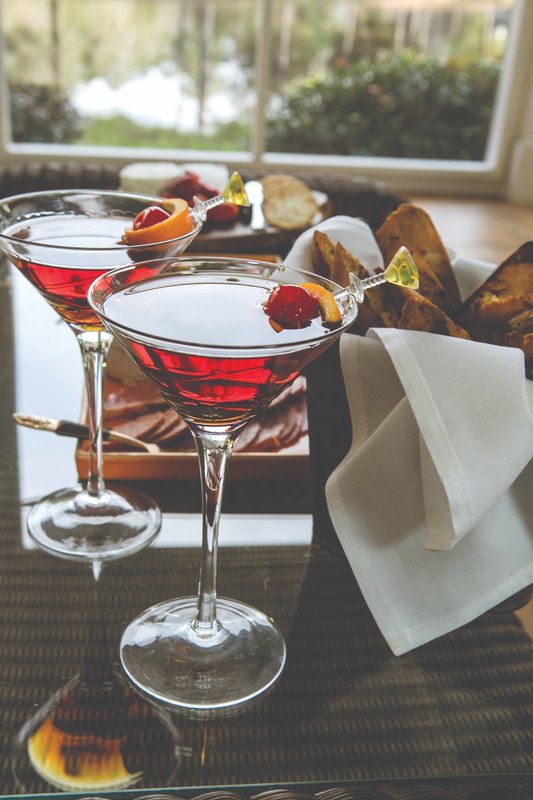 Not every party drink needs a twist. Rye whiskey Manhattans brought old-school sophistication to a gathering at Nick and Sue Smilari’s Oldfield home. Prepare the ingredients ahead of time, then garnish each glass with a cherry and orange peel for a polished pour.
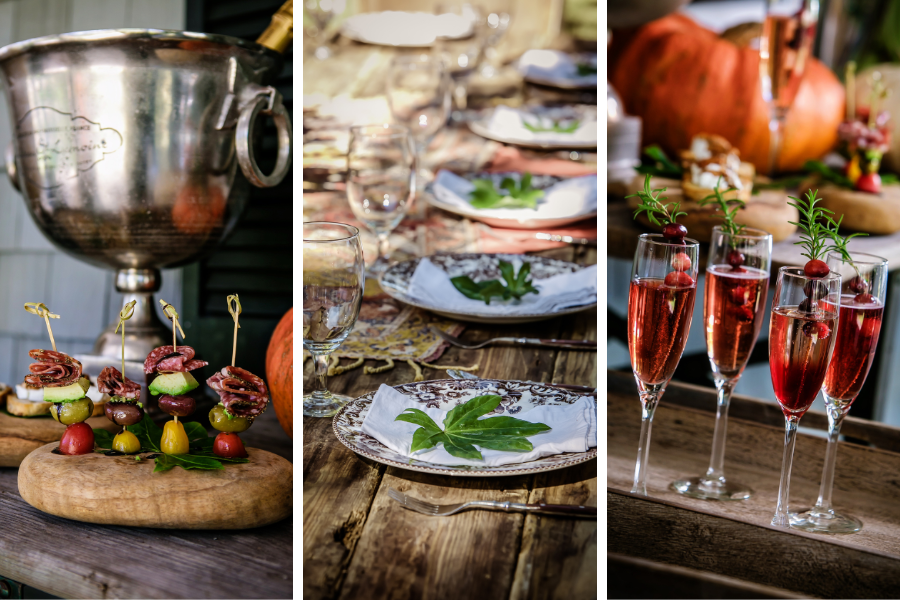
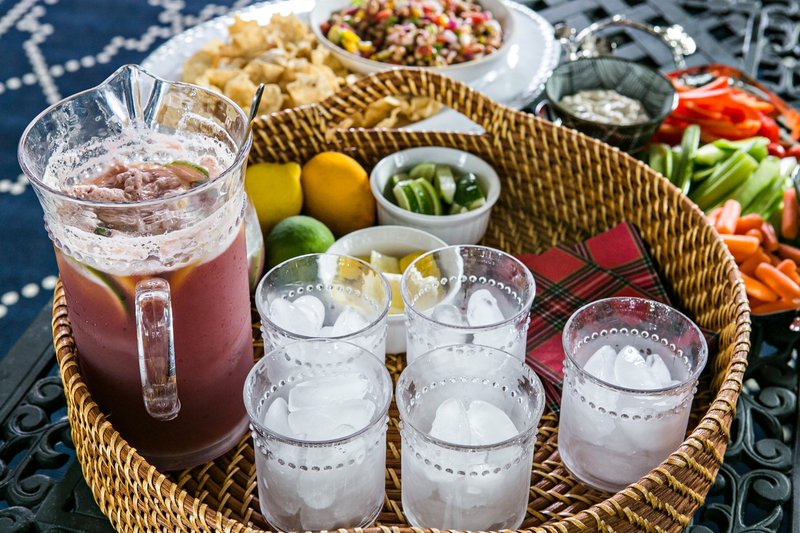
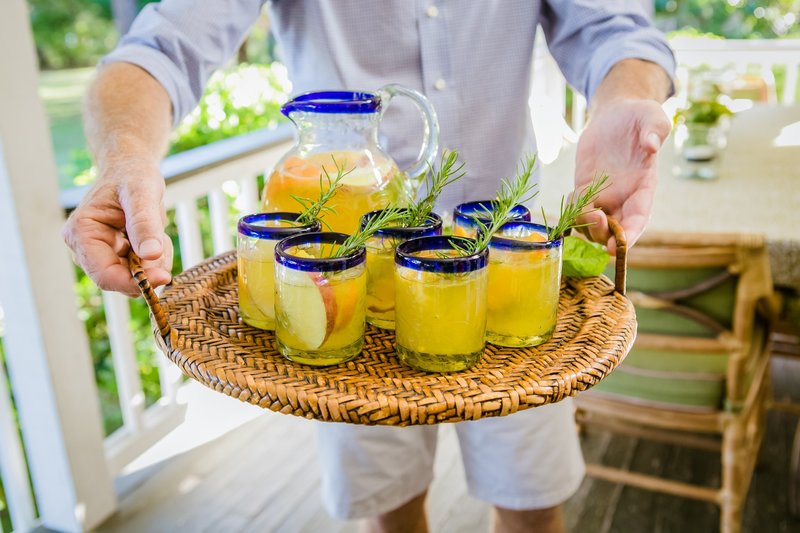 Batch drinks are a host’s best friend. White wine sangria, served during a gathering at Leisa and Peter Cram’s Colleton River home, can be mixed before guests arrive and poured by the pitcher, leaving the host free to enjoy the party. Fresh fruit and rosemary make each glass feel finished without requiring a bartender.
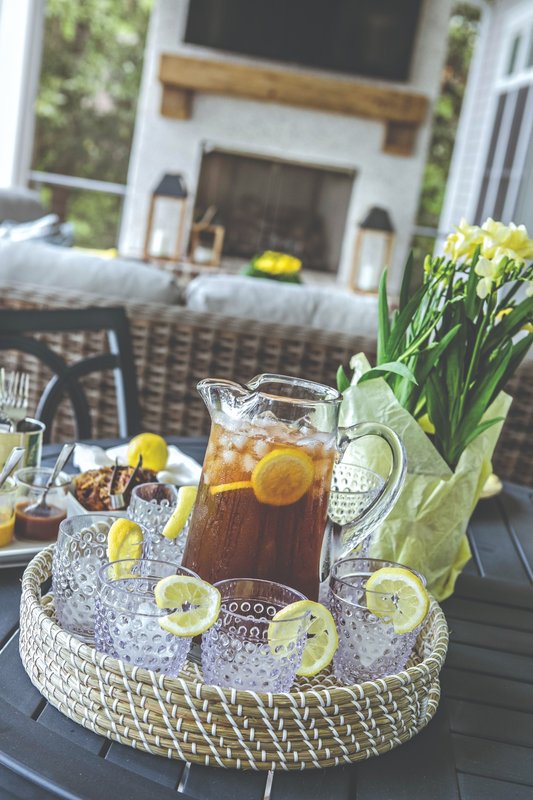 Sweet tea gets a spirited spin with the Momma Schembra, a light cocktail shared by Carol Schembra. Diet iced tea and diet lemonade are mixed with vodka and fresh lemon slices in a pitcher, making it another easy batch drink for a crowd.
Drinks: Cold, easy and within reach
Nobody wants to spend a party looking for the host because the cooler is empty. A self-service beverage station keeps guests outside and the host out of the kitchen. Fill tubs or coolers with plenty of ice, then stock a mix of beer, wine, sparkling water and other nonalcoholic choices. Keep cups, napkins, bottle openers and trash or recycling nearby.
For an oyster roast, crisp white wines, sparkling wine and cold beer are natural partners. For a Lowcountry boil, add rosé, sweet tea and lemonade to the lineup.
If cocktails are part of the plan, resist the temptation to play bartender all night. A batch cocktail or signature welcome drink delivers the fun without trapping the host behind the bar. Gin and tonics, citrus-forward drinks and cucumber cocktails pair particularly well with seafood and warm weather. And never underestimate a proper glass of sweet tea. Around here “nonalcoholic option” doesn’t have to mean an afterthought.
Do the drink math
A little planning keeps the cooler full and the host out of trouble. For a typical three-hour gathering, plan on about four drinks per guest: two during the first hour and one for each additional hour. Then add a little cushion for thirsty guests and unexpected arrivals.
10 guests: 40 drinks
20 guests: 80 drinks
30 guests: 120 drinks
40 guests: 160 drinks
Ice: Plan on about one pound per guest for drinks, or closer to two pounds per person if you’re also chilling bottles and cans.
Wine: A standard 750-milliliter bottle yields about five 5-ounce glasses.
Beer: Figure one bottle or can as one drink.
Water: Keep plenty cold and visible, especially for outdoor gatherings in warm weather.
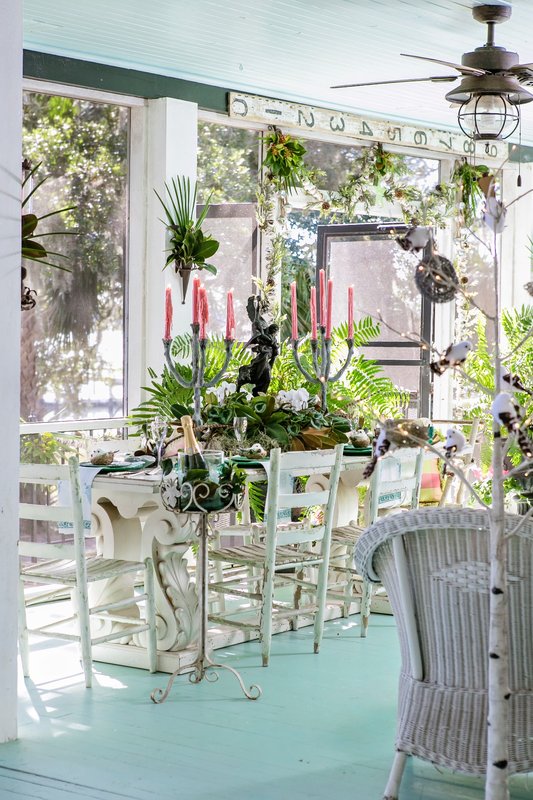
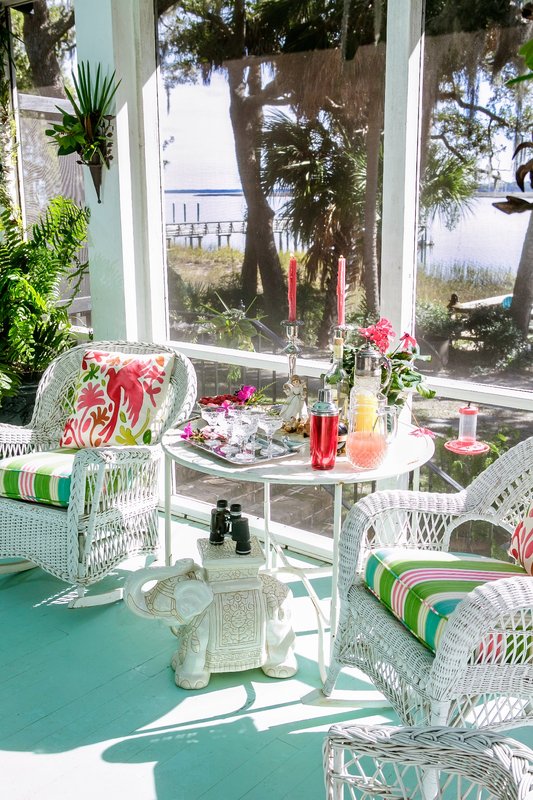 At Nancy Golson’s Bluffton home, the decorating follows its own wonderfully eclectic rules. Lush greenery, orchids, candles and a sculptural centerpiece dress the dining table, while wicker chairs, colorful textiles, an elephant stool and binoculars create a nearby conversation spot. The lesson: A theme doesn’t have to be literal. Repeat colors, textures and natural elements, then let a little personality do the rest.
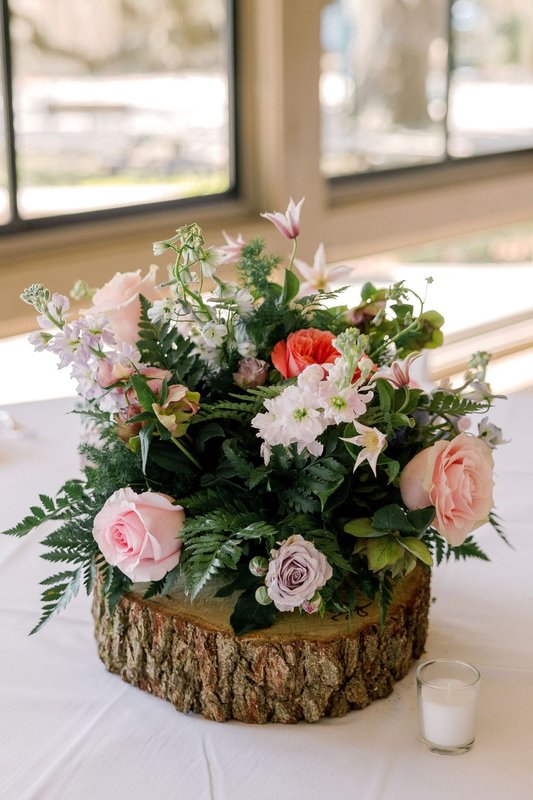 Look beyond the vase when setting the table. Soft pink and coral blooms, delicate greenery and ferns arranged on a rustic wood base bring contrasting color and texture together for a centerpiece that feels more collected than constructed. ©JB MARIE PHOTOGRAPHY
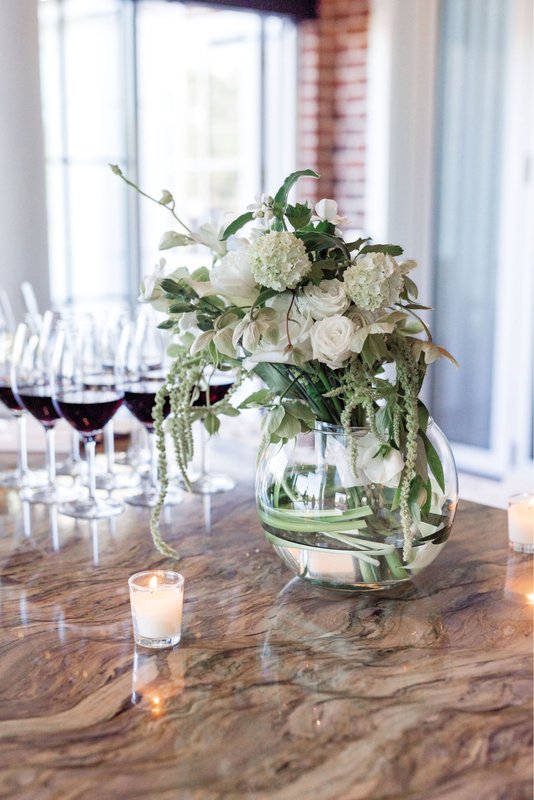 Flowers don’t need to overwhelm the table to make an impression. A loose arrangement of white blooms and greenery adds softness beside wine glasses and candlelight, proving that simple, natural elements can provide all the polish a gathering needs. ©BRONSTON PHOTOGRAPHY
Flowers + decor: Look outside first
Lowcountry entertaining should feel collected rather than decorated within an inch of its life. Start with what belongs here: magnolia leaves, palmetto fronds, seasonal greenery, herbs, oyster shells, driftwood or flowers that feel loose and natural. Texture often makes a table more interesting than an abundance of flowers.
Patrice Gausselin, owner of Greenhouse Studios, recommends letting flowers guide the arrangement rather than trying to duplicate a photograph from Pinterest. Hydrangeas, butterfly ranunculus and blue star fern are among her favorites, with hydrangeas providing volume and more delicate flowers adding movement.
For the dining table, remember that the people are more important than the centerpiece. Keep arrangements low enough for guests to see one another across the table. Several small vessels can work better than one towering arrangement.
If you’re choosing a theme, carry it through with restraint. A repeated color, material or motif feels intentional. One lonely anchor or starfish dropped in the middle of the table feels like it took a wrong turn at the souvenir shop. For a casual seafood boil, mason jars, seasonal flowers, butcher paper and simple linens may be all you need.
The rule of three
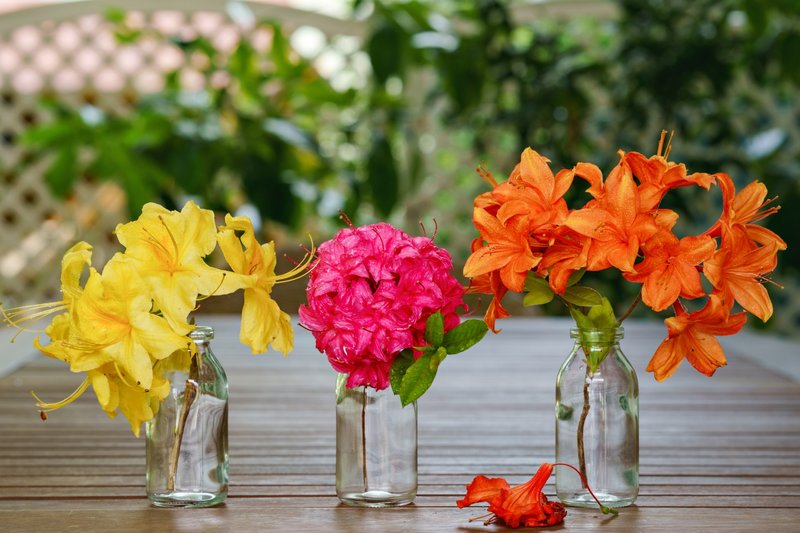
When decorating a table, odd numbers tend to feel more natural and visually interesting than perfect pairs. Three is the easiest number to work with: enough to create a composition without making the table feel crowded. Try grouping three bud vases, three candles at varying heights or three small clusters of greenery. Mix heights, shapes and textures rather than making every element identical. A low arrangement, a taper candle and a small vessel of greenery can feel connected without looking overly coordinated. For a longer table, repeat groups of three down the center instead of relying on one large centerpiece. The result creates rhythm, leaves room for serving dishes and, most importantly, keeps the view open for conversation across the table.
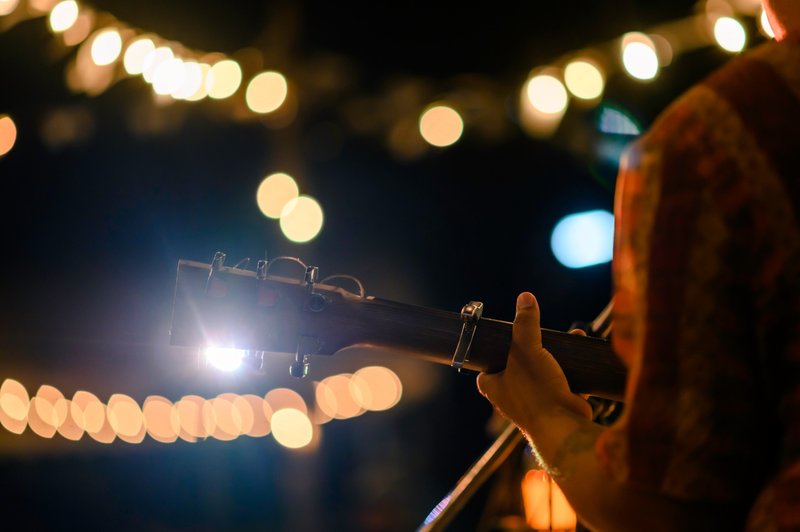
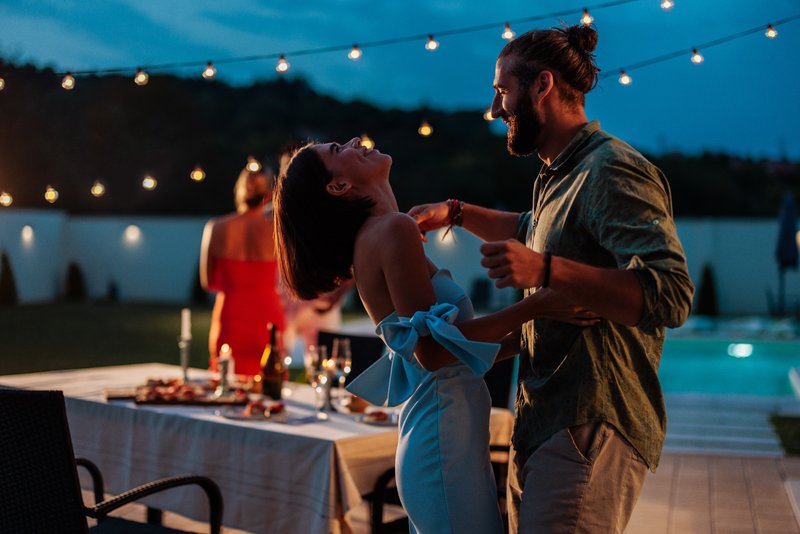 As dinner winds down, the soundtrack can loosen up too. An acoustic guitarist and the glow of string lights add energy after dark while keeping the mood intimate. Save the livelier songs for later, when conversation gives way to another round and maybe even a little dancing.
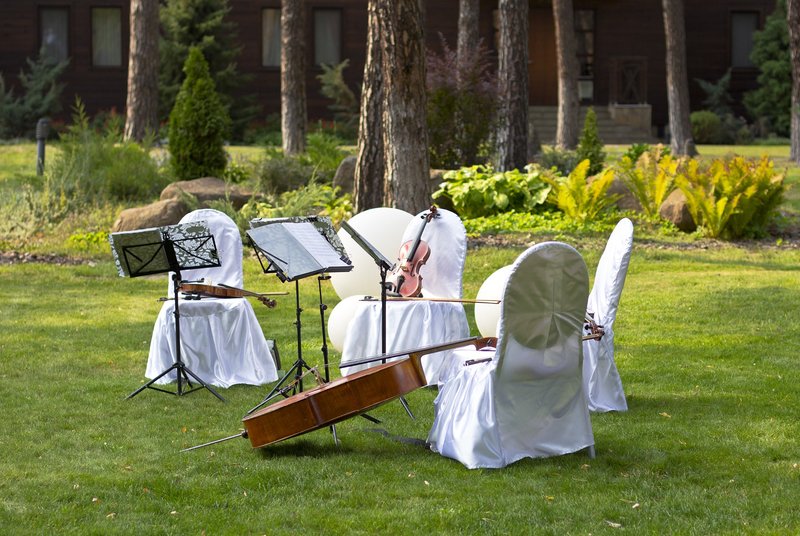 Live music can elevate a larger outdoor gathering without turning it into a concert. A small ensemble can provide an easy soundtrack for cocktails and dinner, especially when positioned slightly away from the main conversation areas.
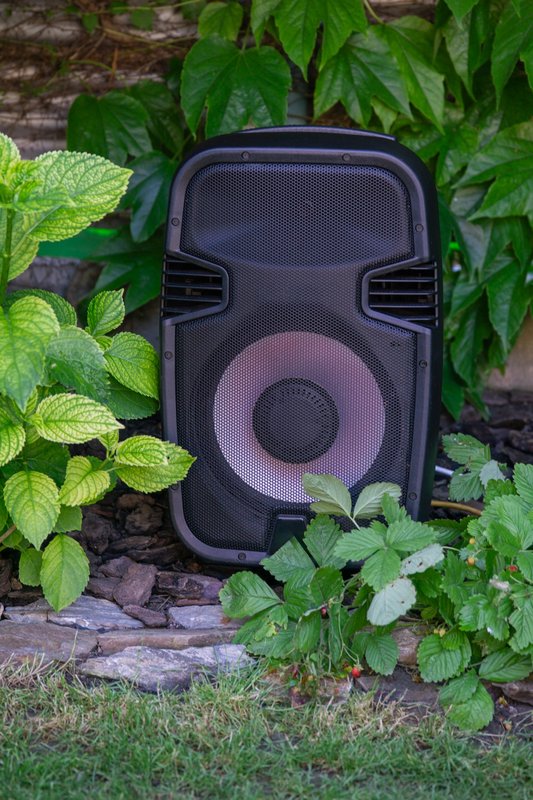 Outdoor speakers should be heard, not noticed. Tuck them near the edges of the gathering, and keep the volume low enough for easy conversation. A good test: If guests have to compete with the playlist, turn it down.
Music: Know your role
The playlist is there to help the party, not headline it. Early in the evening, choose music that fills the quiet spaces without filling every space. Acoustic music, yacht rock, country, soul, beach music or familiar favorites can establish the mood while still allowing people to talk.
As dinner ends and the evening loosens up, so can the playlist. For a larger gathering, live music can transform a porch, dock or lawn. An acoustic guitarist or small band feels particularly at home outdoors, but placement and volume matter. Guests shouldn’t have to shout at the person sitting next to them.
A good rule: If guests have to raise their voices to be heard across the table, turn down the music.
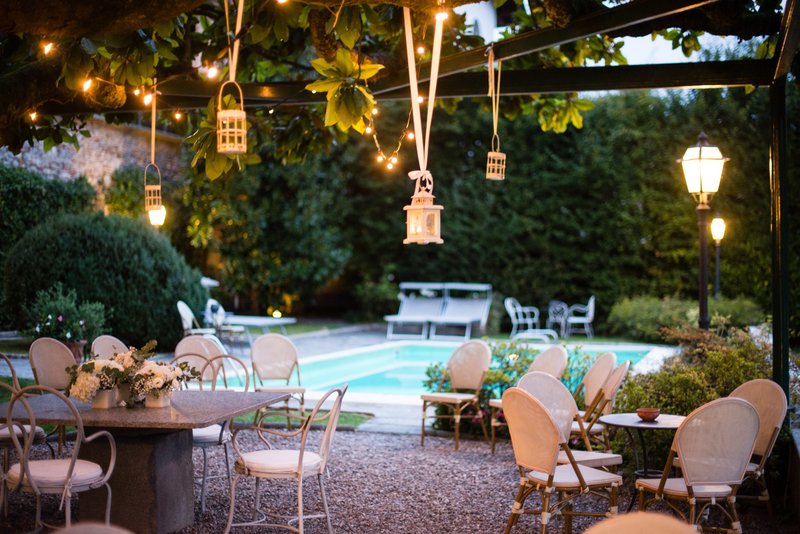 The best outdoor lighting comes from more than one source. String lights overhead, hanging lanterns and softly glowing landscape lights create
layers around this poolside gathering space without washing away the evening atmosphere. Think pools of warm light rather than one bright overhead fixture.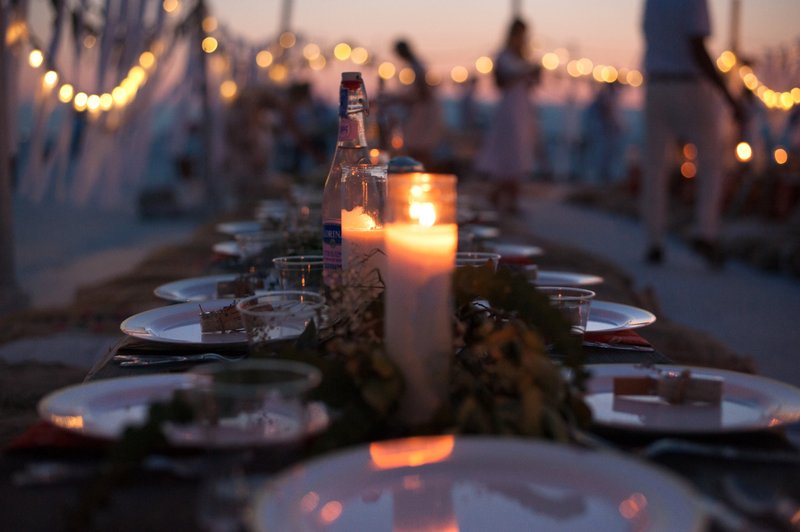 As daylight disappears, let candlelight take over at the table. Candles cast a flattering glow at eye level, while strings of lights in the distance define the larger gathering space. The goal is enough light to see dinner and each other, but not so much that you forget the sun went down.
Lighting: Follow the sun
Don’t rush to turn on the lights. One of the best parts of entertaining here is watching the party change with the sky. Start during golden hour when possible. Let the marsh, water and sunset provide the first act. As daylight fades, add light in layers rather than flooding the yard with a bright overhead fixture.
String or bistro lights create a canopy. Lanterns can define walkways and the edges of a gathering space.
Candles bring warmth to a table, while hurricane lanterns protect flames when a breeze comes off the water. In cooler weather a fire pit naturally becomes a second gathering place after dinner.
The goal isn’t to make the yard as bright as daylight. It is to make everyone look good enough that they want to stay for another drink.
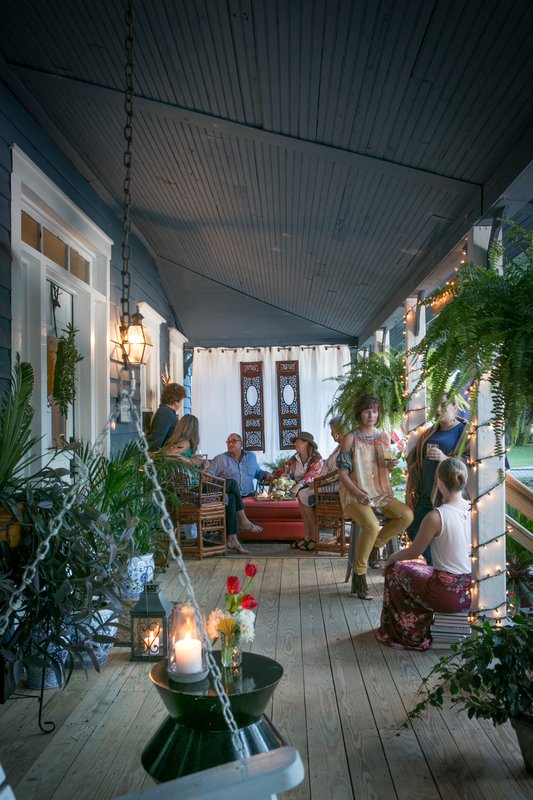
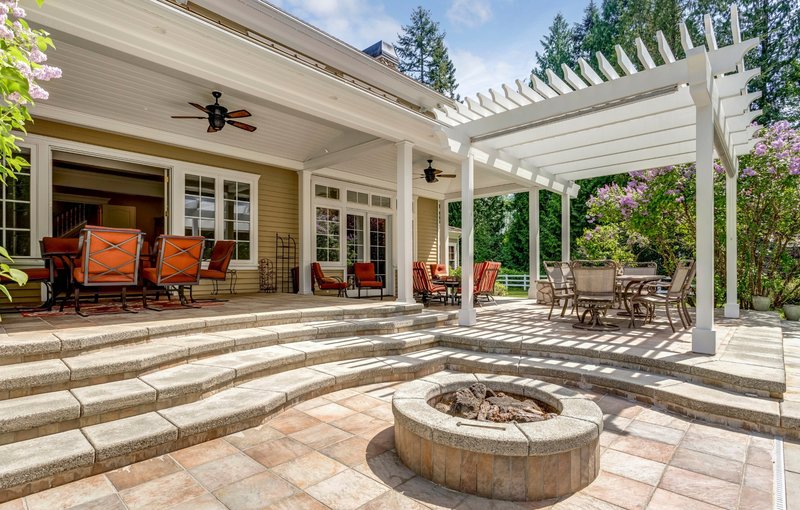 A covered porch or pergola gives guests a comfortable place to escape the Lowcountry sun without leaving the party. Shade makes outdoor gatherings more enjoyable, especially during warmer months, while ceiling fans help keep the air moving. Arrange seating and dining areas to take advantage of the shade throughout the day.
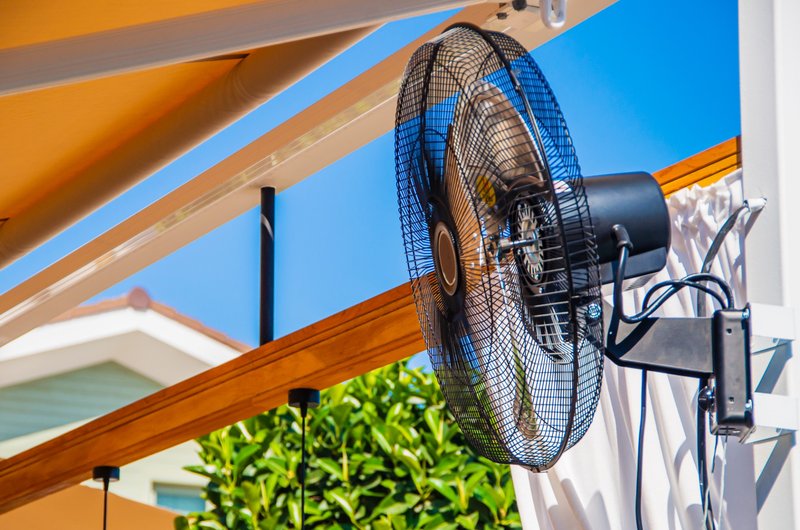 A well-placed fan does double duty at a warm- weather gathering, keeping guests comfortable while moving air helps discourage mosquitoes and other flying pests. Position fans near dining and seating areas before the party starts, preferably where they can do their job without becoming part of the decor.
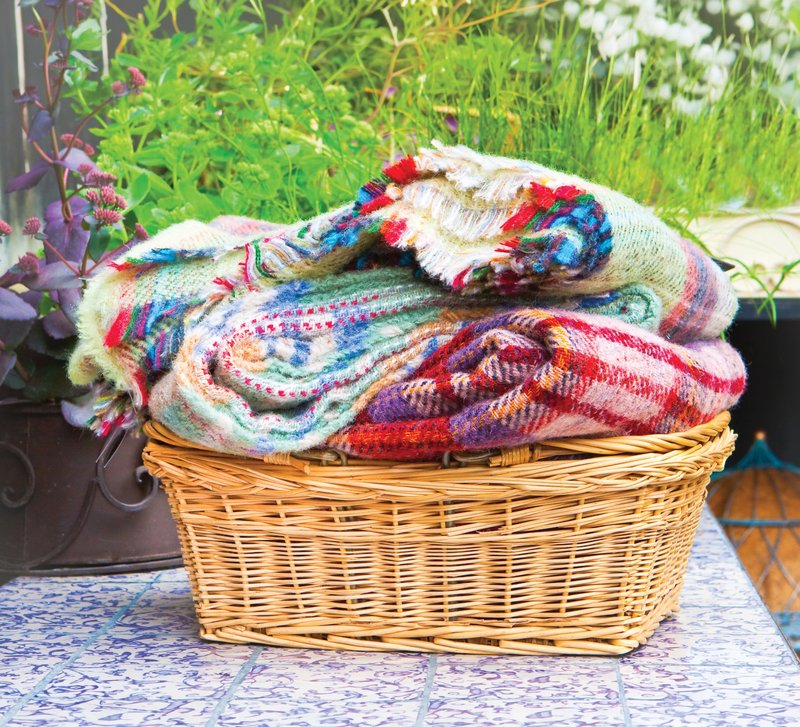 Lowcountry evenings can cool off quickly, especially near the water. A basket of lightweight throws lets guests help themselves when the temperature drops and sends a subtle message from the host: Get comfortable. You’re welcome to stay awhile.
Comfort: Plan for the uninvited guests
Every Lowcountry outdoor party has a few potential crashers: mosquitoes, no-see-ums, humidity and the occasional surprise rain shower.
Fans may be one of a host’s best defenses. Besides making a porch or patio more comfortable, moving air can help discourage flying insects. Position fans around seating and dining areas before guests arrive rather than dragging them out after everyone starts swatting.
Have insect repellent available, and consider additional mosquito-control measures when conditions call for them. On cooler evenings, a basket of lightweight blankets is an easy touch that guests will appreciate.
For daytime gatherings, shade matters. Umbrellas, porches and tree cover can make the difference between lingering over lunch and looking desperately for an air-conditioned escape. Check the forecast, but don’t trust it with your life. Know where the party will move if the sky opens up.
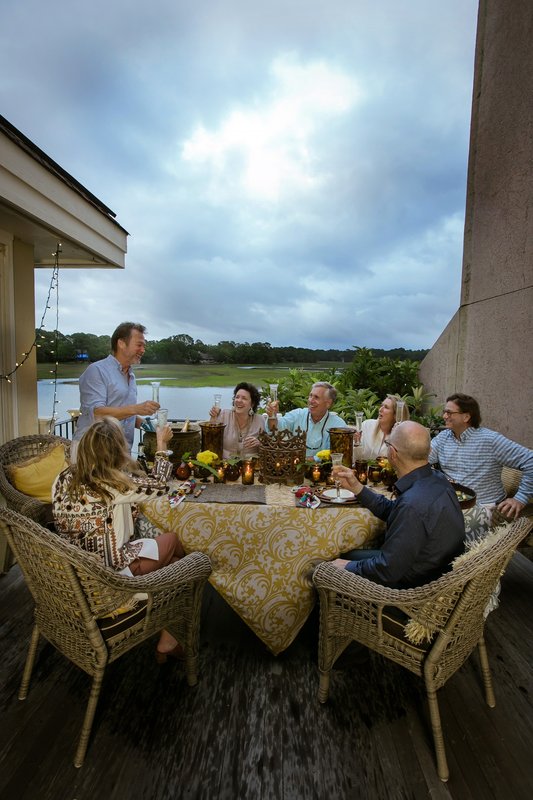
a relaxed host are often all it takes
to keep everyone happily in their seats.
The unwritten rules of Lowcountry entertaining
This may be the most important part of the anatomy.
Don’t make it too formal. Nice doesn’t have to mean fussy. Some of the best parties involve expensive wine served beside a roll of paper towels.
Bring something. If the host says not to bring a thing, a bottle of wine, flowers or something small for the table rarely goes unappreciated. If you’re assigned a dish, bring it ready to serve.
Expect extras. A neighbor will stop by. Someone’s college-age child is home for the weekend. A friend will ask whether another friend can come. Build a little generosity into the head count.
Feed people early. Put out something to nibble on when guests arrive. Pimento cheese, boiled peanuts, deviled eggs, a cheese board or fresh shrimp can buy the cook time and give everyone somewhere to gather.
Give people a job. Lowcountry entertaining is participatory. Let somebody shuck. Let somebody tend the fire. Let a friend refresh the ice or choose the next song. Helping often makes guests feel more at home.
Don’t disappear into the kitchen. Do as much as possible ahead of time. A host who is relaxed gives everyone else permission to relax.
Don’t rush the ending. Once dinner is finished, bring out another bottle, move toward the fire pit or porch, and let the night find its own stopping point.
The final ingredient: Time
You can buy the oysters. You can string the lights. You can arrange the hydrangeas and ice down the beer. But the thing that makes a Lowcountry gathering memorable can’t really be arranged. It happens after dinner, when the plates have been pushed aside and nobody is checking the time. It happens when the sunset gives way to string lights, when another story gets told, when someone opens one more bottle and the people who said they were leaving 20 minutes ago are still standing by the fire. Around here, a successful party isn’t measured by how perfect everything looked when guests arrived.
It’s measured by how long they wanted to stay.