10 Lowcountry Birds to Spot This Spring
Tips to spot ruby-throated hummingbirds, Eastern kingbirds and more migratory birds this season.
Story + Photography by Mary Alice Tartler
Sometime between late February and mid-March, there comes a morning when the air finally loosens its winter grip. It is a subtle shift, barely perceptible at first, when the Lowcountry’s edges soften and the landscape exhales. That moment coincides with the opening note of spring migration.
Situated along a vital stretch of the Atlantic Flyway, the Lowcountry’s maritime forests, tidal creeks and salt marshes provide essential fuel for waves of migrating birds arriving from Central and South America. For some this is a brief but critical stopover to rest, feed and gather strength before continuing north. For others the journey ends here, where the serious business of nesting and raising young begins. One morning, the buzzy trill of a Northern parula or the sudden flash of a painted bunting stops you in your tracks, and you realize there is nowhere else you would rather be.
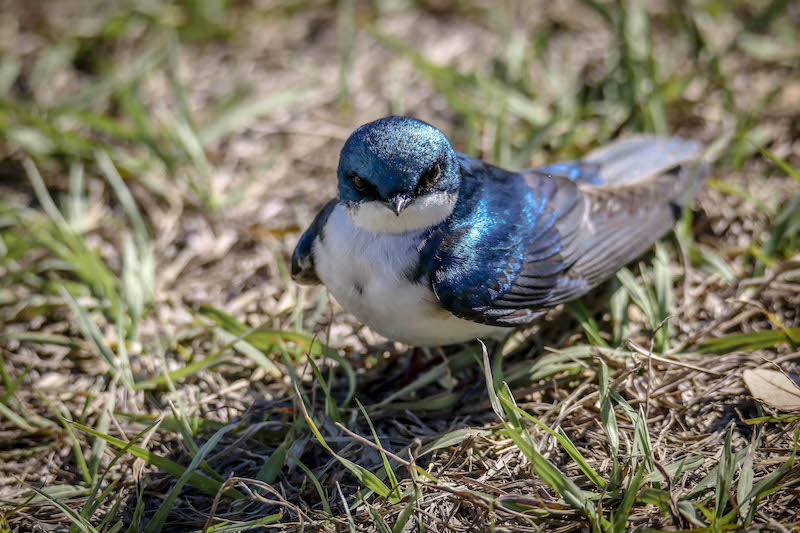
Tree Swallow
February to March
These iridescent aerialists arrive early, slicing through the sky with speed and precision. Their acrobatics signal the true end of winter, bringing a rush of motion and energy as the Lowcountry stirs back to life.
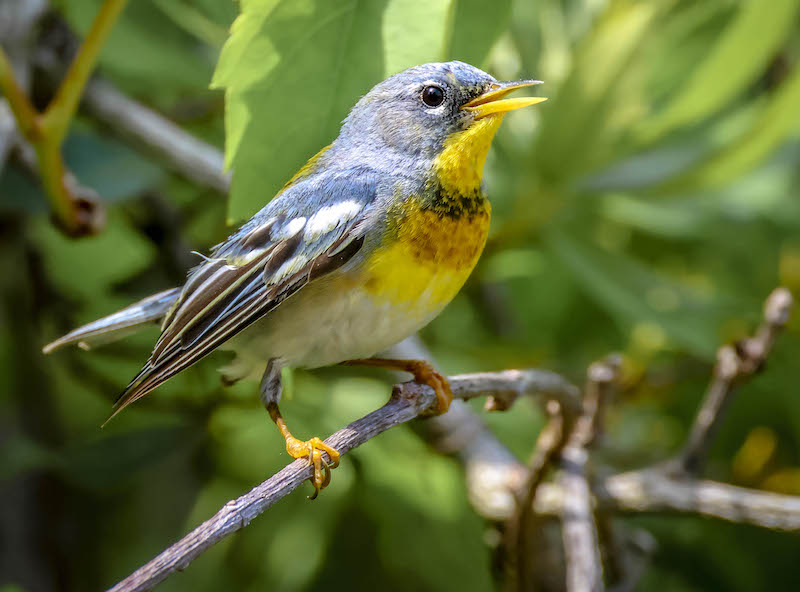
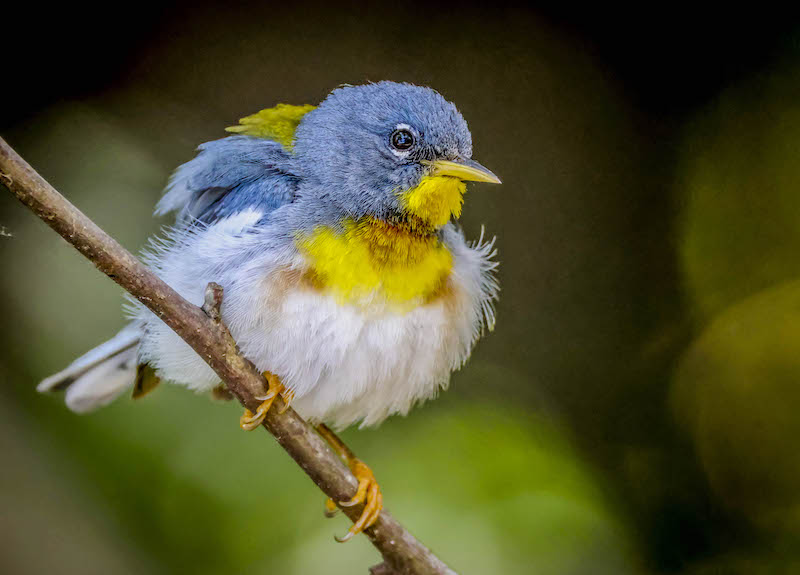
Northern Parula
Early March
The parula’s buzzy song feels inseparable from the maritime forest itself, as if it were woven into the Spanish moss draped from ancient oaks. Look closely, and you may uncover a secret: a perfectly camouflaged nest tucked into the moss, nearly invisible to the untrained eye.
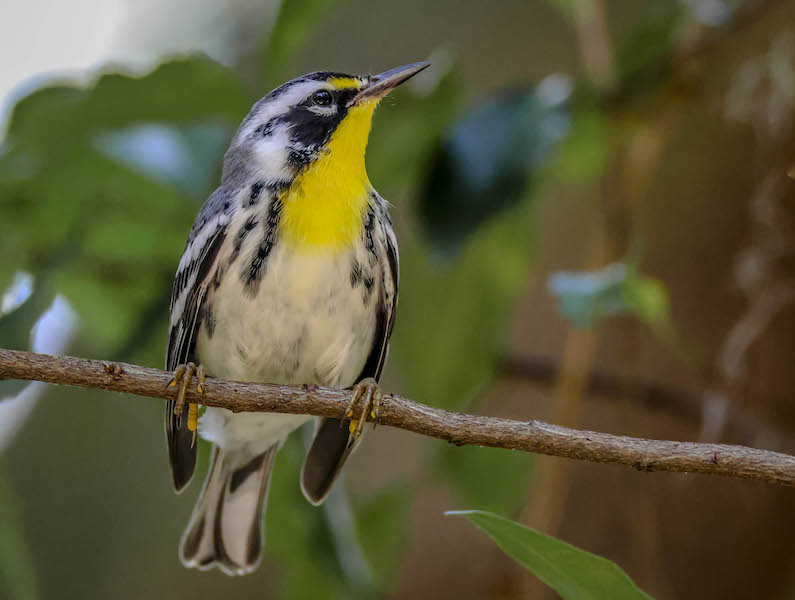
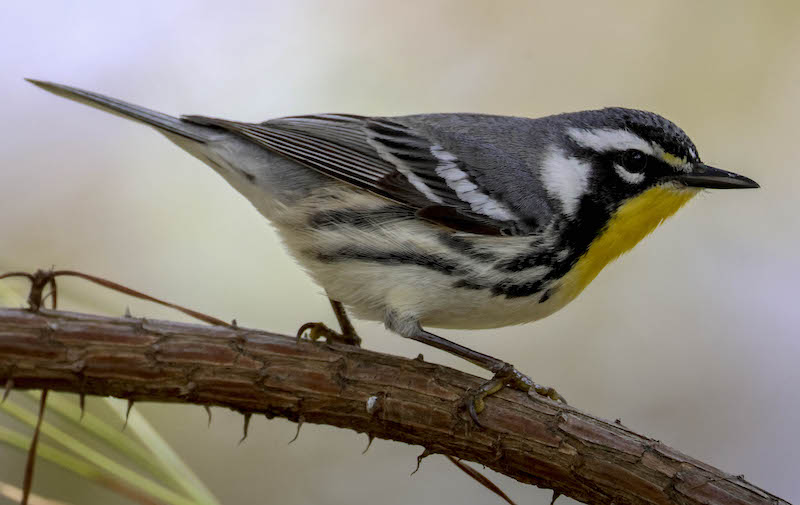
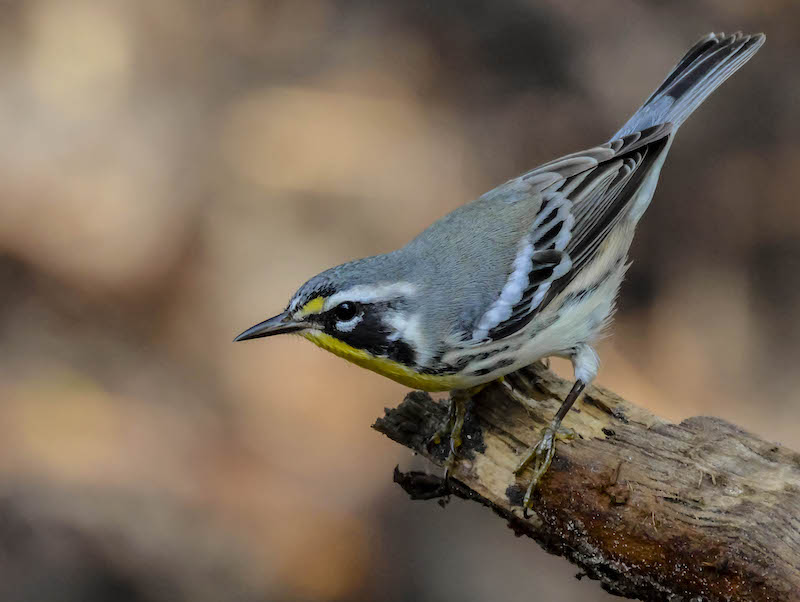
Yellow-throated Warbler
Early March
Calmer than many of their frenetic warbler cousins, these birds linger just long enough to reward patient observers. High in the canopy their golden throats flash against a softening spring sky, a gentle promise of warmer days ahead.
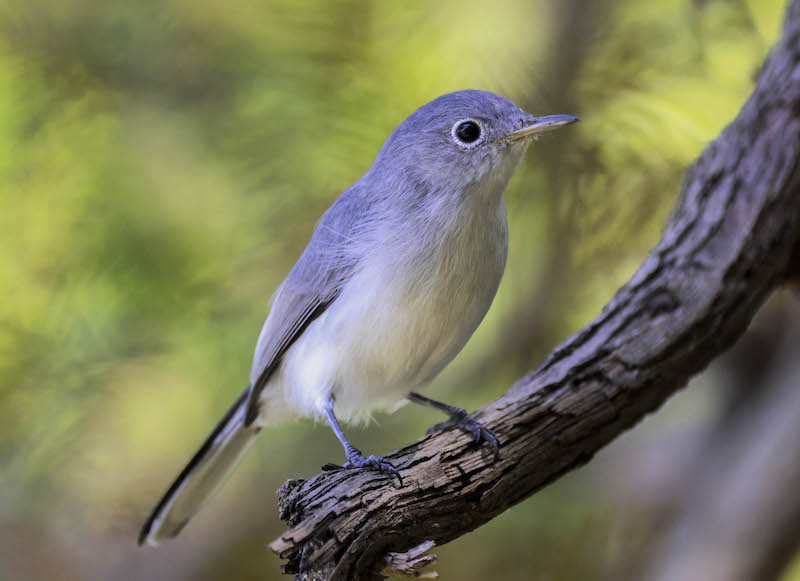
Blue-gray Gnatcatcher
March
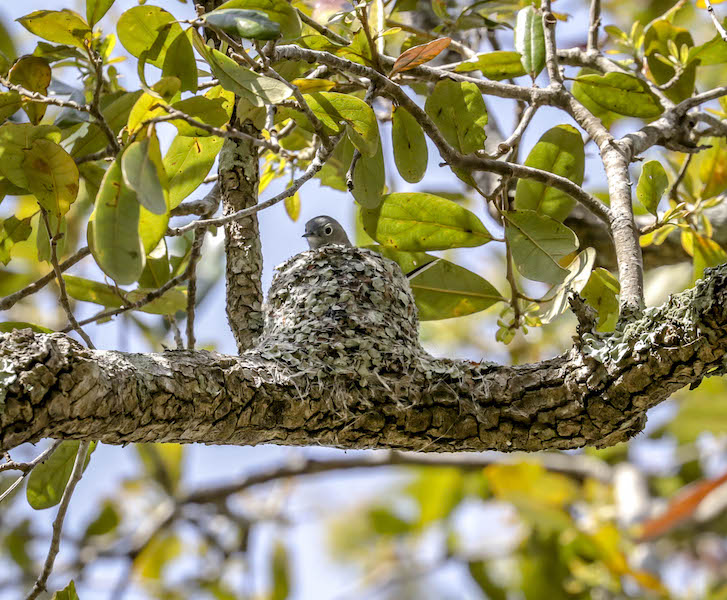
Tiny, tireless and endlessly entertaining, these birds bring motion to every branch they touch. Their sharp “pwee” calls provide the soundtrack for early morning walks. Watch closely as they build exquisitely crafted nests, binding lichen, grasses and oak catkins with spider silk to form a velvety cup that blends into the branch.
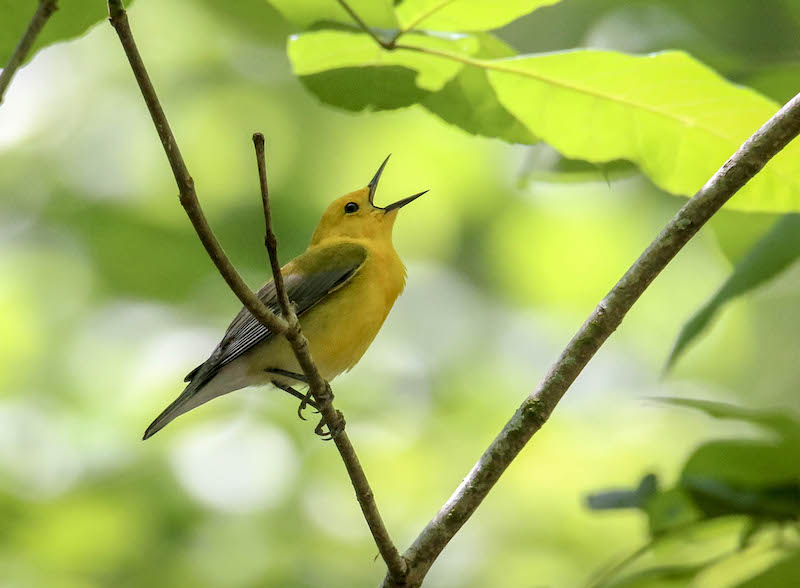
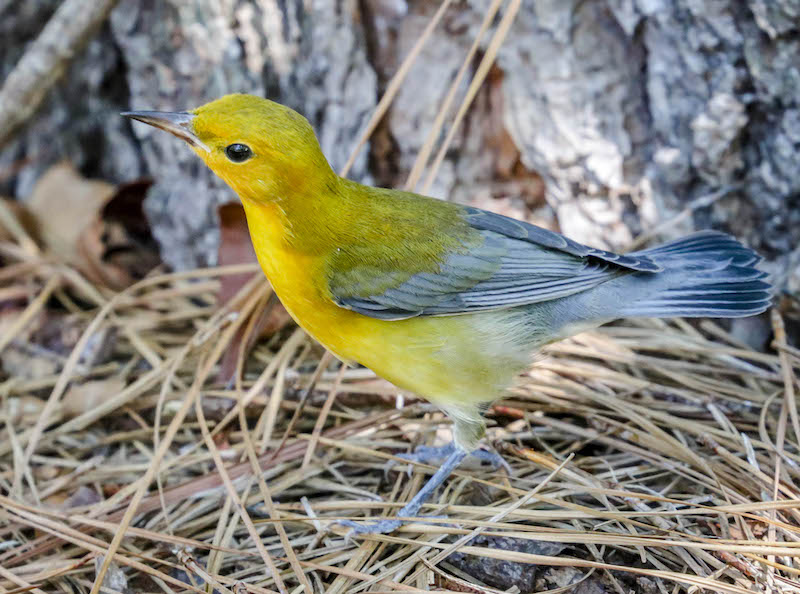
Prothonotary Warbler
Mid- to late March
Often called “swamp candles,” these glowing yellow birds illuminate the dark understory of wetlands. Their arrival brings a sudden brightness to cypress swamps, where they reclaim old woodpecker holes and transform them into nurseries for the next generation.
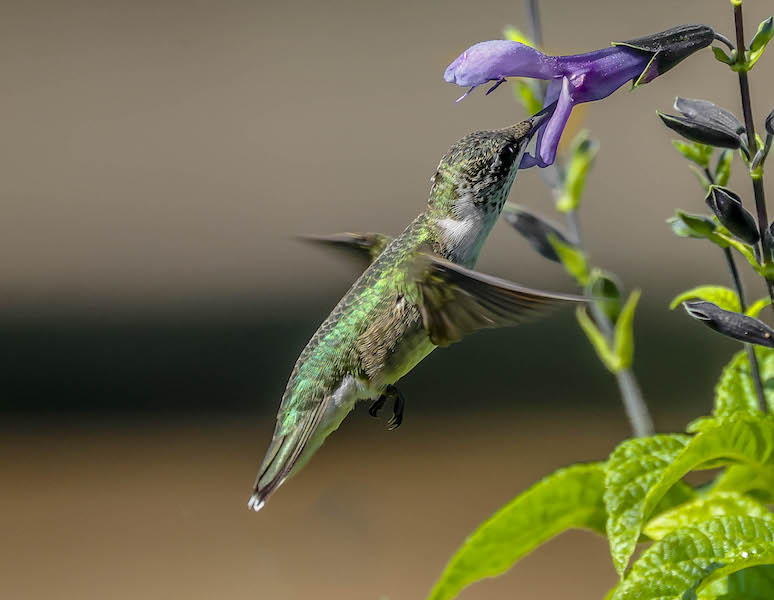
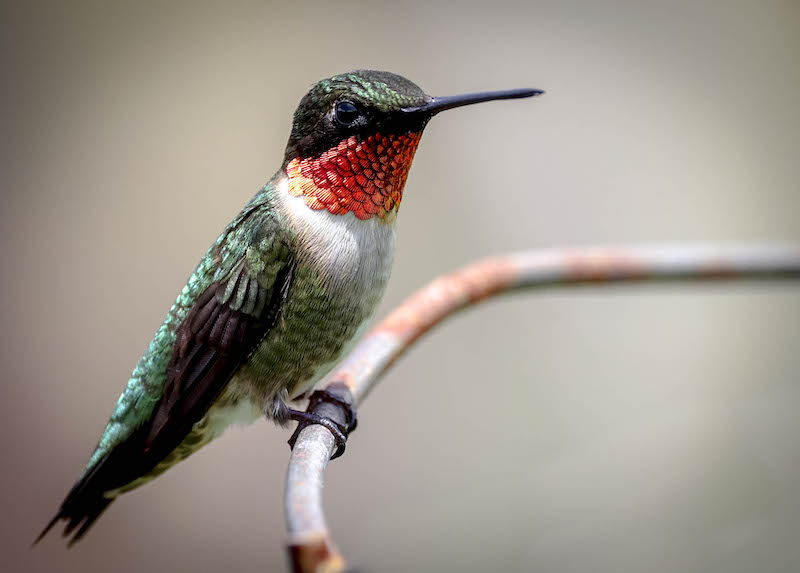
Ruby-throated Hummingbird
Early to late March
Arriving on the heels of the first wildflowers, these tiny jewels return in perfect sync with spring’s nectar. The mechanical whir of their wings sounds like a miniature helicopter as they dart past your ear. Fierce and fearless, they remind us that even the smallest creatures carry astonishing strength.
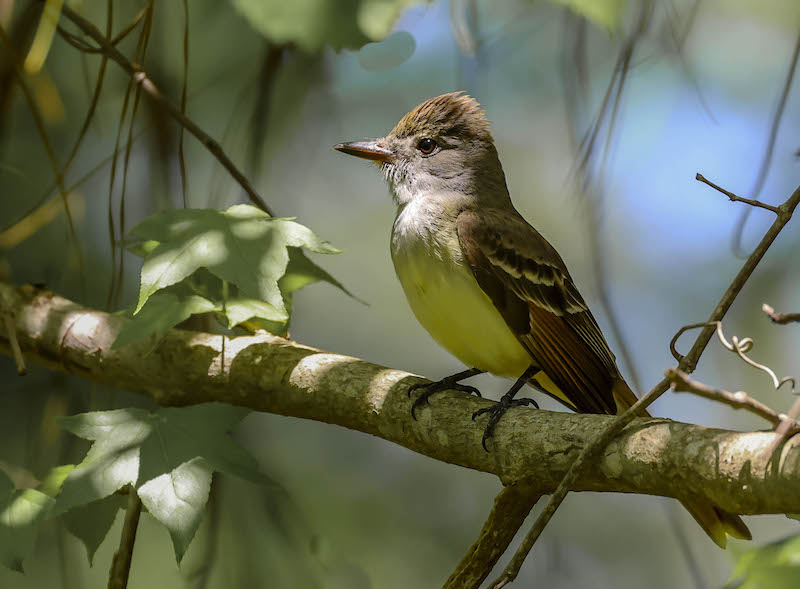
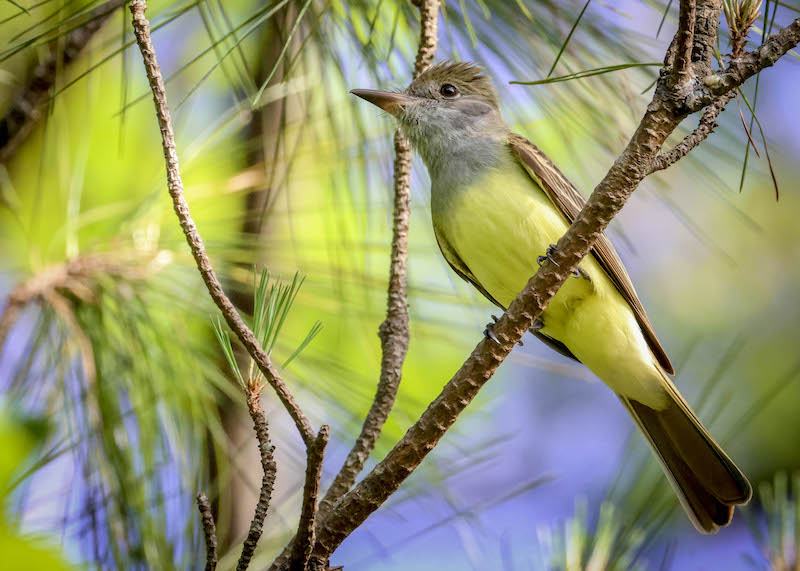
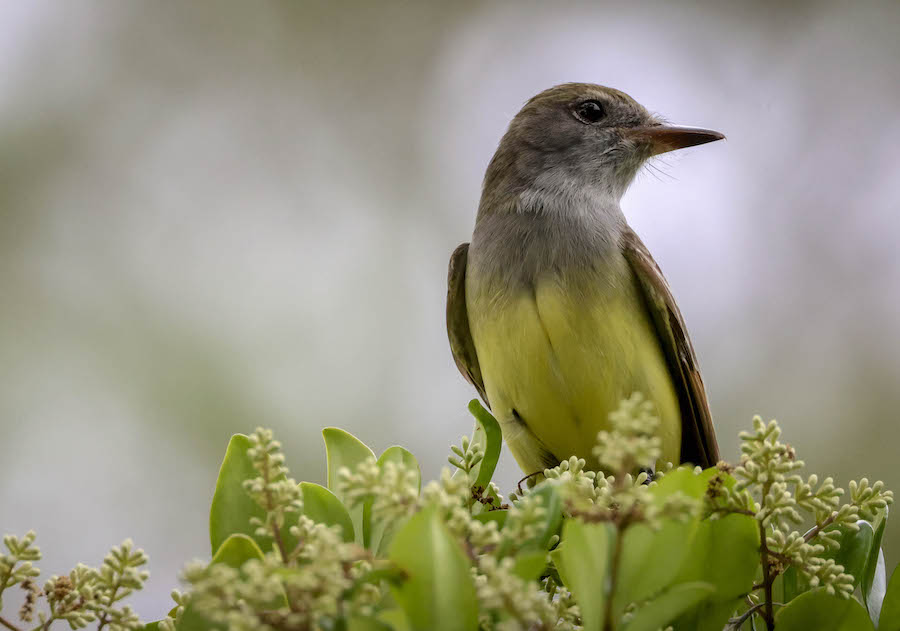
Great Crested Flycatcher
Late March to early April
Along woodland edges their loud, rising “wheep” call is unmistakable. Famous for weaving shed snake skins into their nests, these birds employ a clever bluff that warns would-be intruders to think twice before approaching.
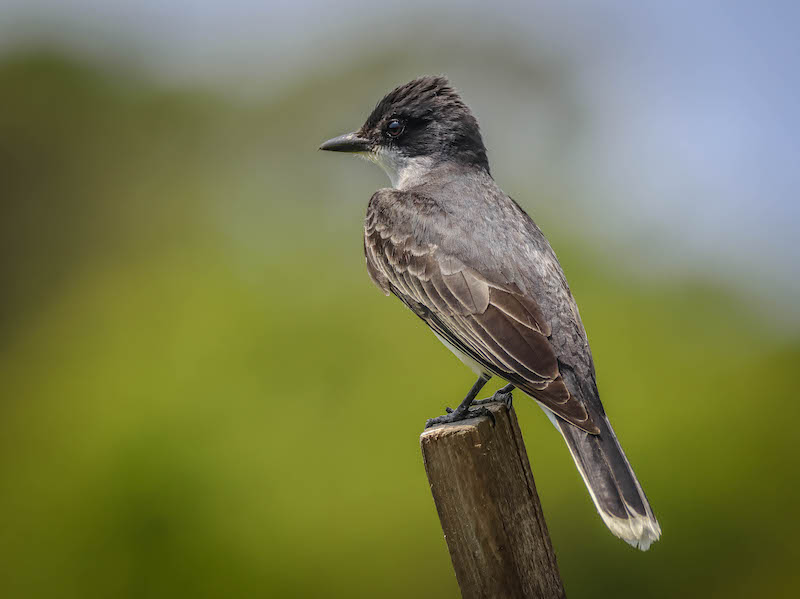
Eastern Kingbird
Early April
Bold and unyielding, these birds rule open fields and waterways alike. Watch as they hover briefly before dipping down to snatch insects from the water’s surface. Their fearless dive-bombing of much larger intruders is a master class in determination.
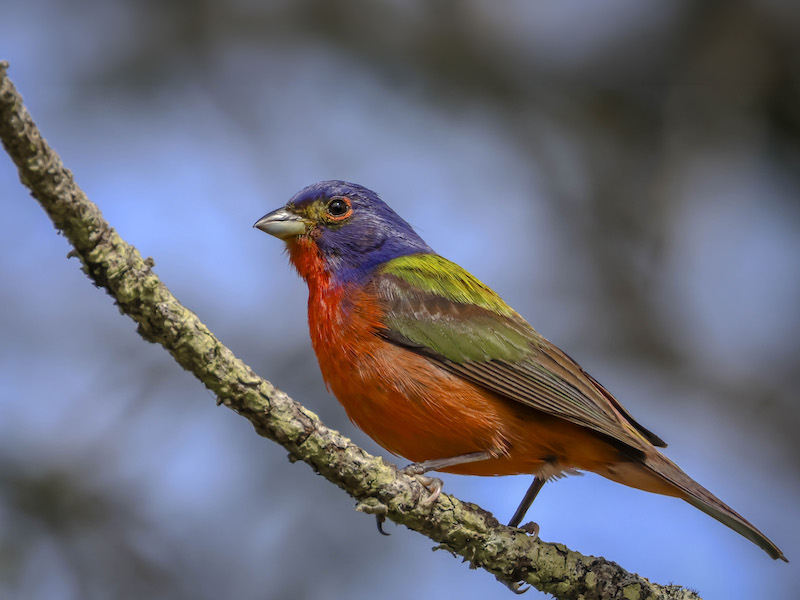
Painted Bunting
Late February to mid-April
With a palette that seems borrowed from a painter’s studio, these birds are the undisputed showstoppers of spring. In contrast to all of their color, they favor the shelter of maritime scrub. Boldly territorial and fiercely spirited, they are as commanding in behavior as they are breathtaking in appearance.
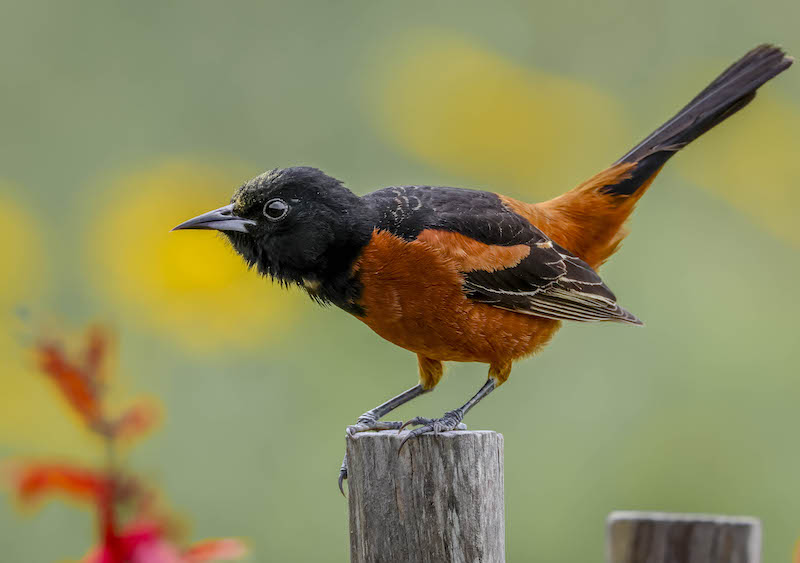
Orchard Oriole
Early March to mid-April
Subtle and refined, these burnt-orange songbirds are among spring’s earliest arrivals and quickest to depart. They move quietly through dense canopy, offering fleeting glimpses before slipping away ahead of the summer heat.