What’s fresh in September? Why Muscadines Are the South’s Sweetest Late-Summer Secret
The grape escape
Story by Bailey GIlliam
Muscadine grapes are one of the South’s most underrated gems. Native to our warm, humid corner of the country, these thick-skinned grapes have been thriving here for centuries, long before farmers markets, food trends or the phrase “superfruit” existed. From wild vines in the woods to backyard arbors and roadside farm stands, muscadines have always felt like a little taste of late summer, picked fresh and eaten under the sun. Whether you’re a gardener, a history nerd or just someone who likes their snacks sweet and seasonal, muscadines have a lot to offer.
A grape with roots
Long before grocery-store grapes were even a thing, muscadines were growing wild across the Southeast. Native Americans were the first to harvest them, eating them fresh and drying them on the vine, basically inventing the first American raisins. They also used the skins to make blue dye and incorporated the fruit into traditional dishes. In the late 1500s, explorers with Sir Walter Raleigh marveled at the grape-laden vines along the coast. In the 1700s, settlers caught on, growing muscadines in home gardens and using them to make wine. Thanks to their thick skins, deep roots and no-nonsense attitude toward heat and pests, muscadines were a natural fit for the southern climate. Over time, growers developed varieties just right for snacking, juicing and winemaking. Today, they’re still going strong, especially in places like Georgia, where the University of Georgia runs the country’s oldest muscadine cultivation program.
What’s the deal with scuppernongs?
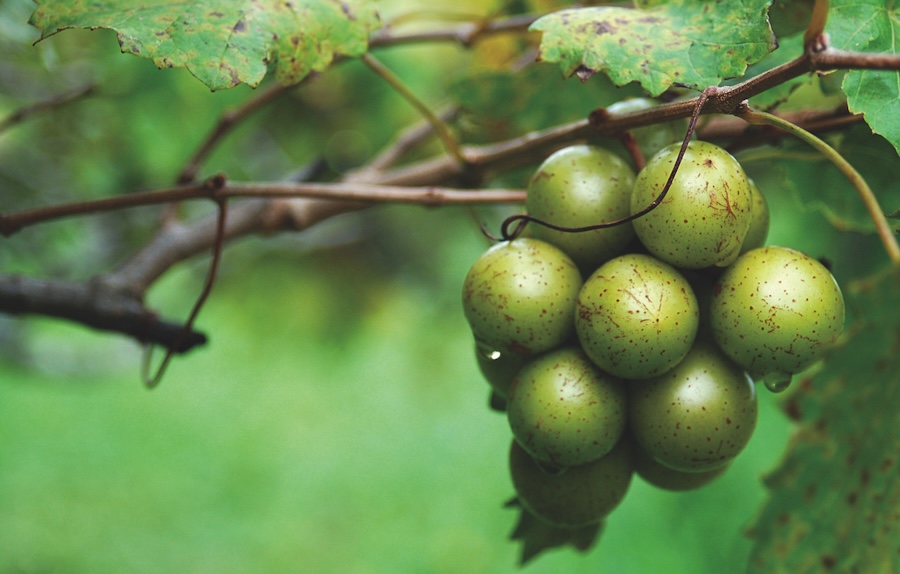
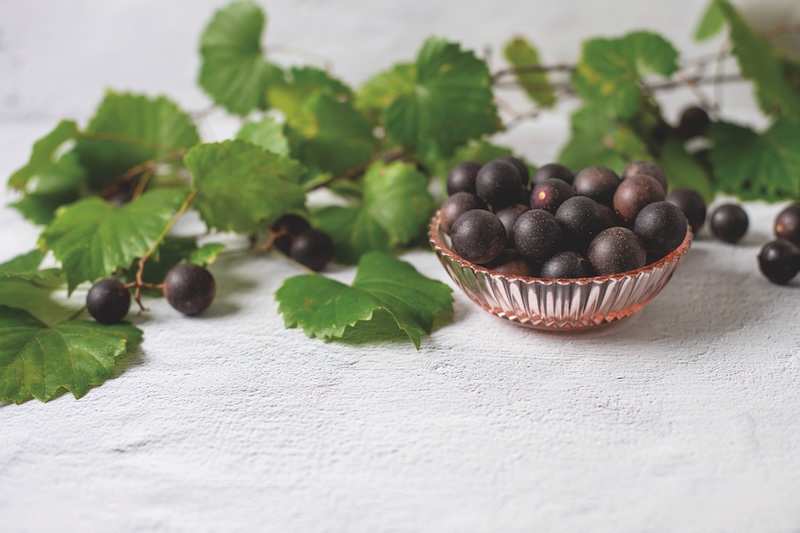
Here’s the short version: All scuppernongs are muscadines, but not all muscadines are scuppernongs. Muscadines come in a range of colors, from dark purple and black to greenish-gold. The bronze ones, known as scuppernongs, are one of the oldest cultivated varieties, discovered near the Scuppernong River in North Carolina in the 1700s. They were once called “big white grapes,” even though they’re more golden than white and the name stuck. Over time, “scuppernong” became shorthand for all bronze muscadines, even though it technically refers to just one variety. The darker muscadines often get nicknames like “bullis” or “bullet grapes,” which sounds a little dramatic. Bottom line: If it’s round, sweet and growing on a vine in the South, it’s probably a muscadine.
Why your body loves them
Muscadines aren’t just tasty, they’re loaded with health perks. Their thick skins and bold flavor come with a heavy dose of antioxidants and polyphenols, including resveratrol (yep, the one in red wine), ellagic acid and quercetin. These compounds help fight inflammation, support heart health and may even reduce the risk of chronic diseases. Some studies suggest muscadines can help manage blood sugar, lower cholesterol and improve digestion thanks to their high fiber content. They’ve also got calcium and magnesium to support strong bones. And if you’re after that elusive “glow,” the resveratrol may offer some skin benefits, too. Basically, these little grapes are doing a lot more than just tasting good.
Grow your own
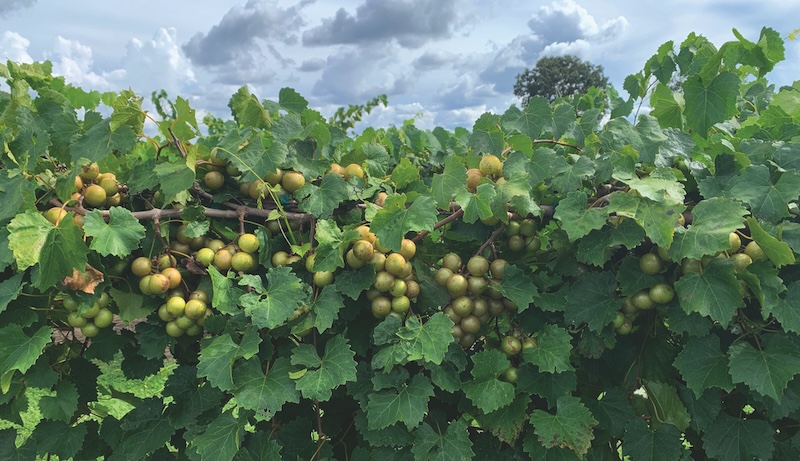
Thinking of growing muscadines in your backyard? You’re in the right place. The Lowcountry’s sunny days and sandy soils are just what these grapes like. Pick a spot with good drainage and full sun. Six to eight hours a day is ideal. Mix in plenty of compost and plant bare-root vines in spring. Space them about 20 feet apart and give them something sturdy to climb, like a fence or trellis. After planting, prune back to one strong cane and keep pruning each year to train the vine and encourage fruiting. Once established, muscadines are pretty low maintenance. They’ll tolerate dry spells, though young vines need regular water. In late summer, check for ripeness. If a grape falls into your hand with barely a tug, it’s ready.
Eat like a local
Muscadines are what’s known as “slipskin” grapes. That means the juicy center pops right out when you give them a gentle squeeze. Locals know the drill: stem end in your mouth, squeeze out the pulp, spit the skin and seeds. Done. But there’s no wrong way to eat them. Some folks chew the whole thing — skin, seeds and all. Others extract the pulp with their teeth and leave the rest behind. However you do it, you’ll get a burst of sweet, floral flavor that’s a far cry from those bland table grapes at the store.
Storage tips
To keep muscadines fresh, store them unwashed in the fridge in a breathable container (a paper towel-lined bowl or perforated bag works well). Don’t rinse them until you’re ready to eat; moisture speeds up spoilage. They’ll last up to two weeks, but the flavor is best within a few days. Got extras? Freeze them. Pop them in whole and enjoy as-is or blend into smoothies. Frozen muscadines are surprisingly refreshing on a hot day.
In the kitchen
Muscadines have a deep, sweet flavor that holds up beautifully in recipes. The darker varieties taste similar to Concord grapes — intense and nostalgic — while the bronze ones tend to be milder and honeyed. One bite and you’ll see why so many Southern kitchens find ways to work them into late summer menus. Here are a few ways to use muscadines in the kitchen.
- Jam or jelly: Cook muscadines with sugar and lemon juice to make a sweet spread perfect for biscuits, toast or thumbprint cookies.
- Juice: Simmer muscadines with water and sugar, then strain for a deep, rich juice. Chill and serve over ice or mix with sweet tea.
- Wine: Ferment the grapes into a bold, sweet Southern wine, ideal for sipping or gifting.
- Pie or cobbler: Use peeled and seeded muscadines in a rustic pie or cobbler, sweetened with sugar and brightened with lemon zest.
- Chutney or relish: Cook muscadines with onions, vinegar and spices for a savory-sweet condiment to pair with pork, chicken or cheese.
- Syrup: Reduce muscadine juice with sugar for a flavorful syrup perfect for pancakes, waffles or drizzling over vanilla ice cream.
- Barbecue sauce: Blend muscadine juice or jam with vinegar, spices and tomato paste for a fruity twist on barbecue sauce.
- Fruit leather: Dehydrate muscadines into chewy fruit snacks, a healthy, homemade alternative to store-bought.
- Salad topping: Halve fresh muscadines and toss them into green salads with goat cheese, pecans and a balsamic vinaigrette.
- Freezer pops: Mix muscadine juice with lemon or mint and freeze in molds for a refreshing summer treat.
- Meat glaze: Simmer muscadine juice with rosemary and a splash of vinegar to create a glossy glaze for pork tenderloin or duck.
- Muffins: Fold chopped muscadines into muffin batter for a sweet surprise in every bite.
- Vinegar: Ferment leftover juice into a tangy muscadine vinegar, great for salad dressings or marinades.
- Cocktails: Use muscadine juice as a mixer with bourbon, vodka or sparkling water for a drink that’s sweet, Southern and unexpected.
Sip worth the stop
Heading to Charleston? Make a quick detour to Carolina Cider Company near Yemassee, and pick up a half-gallon of muscadine cider ($14). Made from locally grown grapes harvested at peak ripeness, this sweet, Southern sipper is pressed fresh and full of old-fashioned flavor. It’s the perfect road trip treat or a thoughtful gift if you manage not to drink it all before you get there.
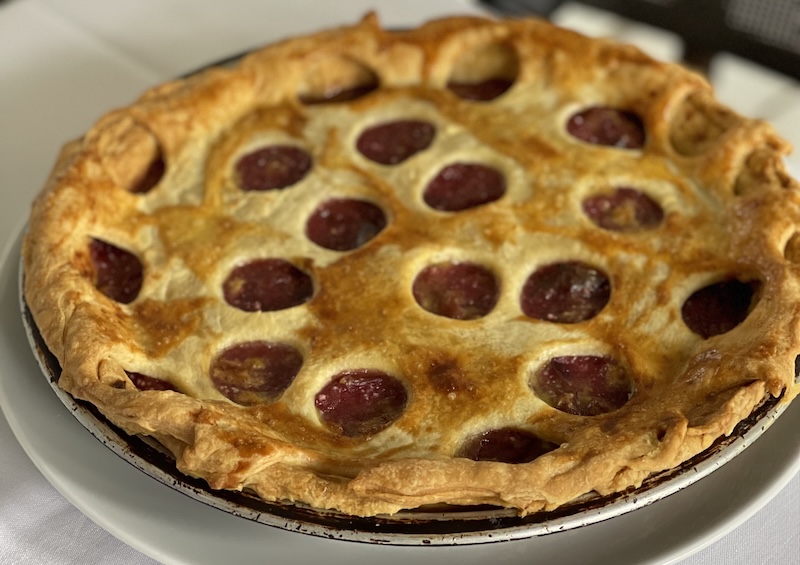
Charlie’s L’Etoile Verte: Muscadine grape hull pie
When muscadines hit their peak in late summer and early fall, there’s no better way to celebrate the season than with this heirloom recipe from Margaret Pearman of Charlie’s L’Étoile Verte. It’s a pie that speaks to tradition: sweet, tangy, deeply Southern and thoughtfully made with every bit of the fruit (except the seeds, of course). The thick-skinned grapes that grow so well in our climate are transformed here into a jammy filling with rich color and old-school flavor. If you’ve never tried grape hull pie before, this one’s a Lowcountry classic worth baking into your September lineup.
Ingredients
3/4 cup sugar
1/4 cup all-purpose flour
1/4 teaspoon salt
5 cups muscadine grapes (about 2 pounds), rinsed
1 tablespoon freshly squeezed lemon juice, or cider vinegar or white vinegar
3 tablespoons cold butter, cut into bits
Directions
1. Heat the oven to 400 degrees. Line a pie pan with the bottom crust, letting the edge hang over by about an inch. In a small bowl, stir together the sugar, flour and salt; set aside.
2. Working over a medium bowl, pinch each muscadine at the stem end to pop the pulp into the bowl. Place the hulls in a separate bowl.
3. Transfer the pulp and any collected juice to a medium saucepan. Add 3 tablespoons of water and bring to a gentle boil over medium heat. Cook for 10 to 15 minutes, or until the pulp softens and the seeds begin to separate.
4. Let the mixture cool slightly, then remove the seeds by hand and discard them. Return the seedless pulp to the saucepan, add the reserved hulls, and cook for another 5 minutes to soften the skins.
5. Remove from heat and stir in the lemon juice (or vinegar) and the sugar mixture until well combined.
6. Pour the filling into the prepared pie crust. Dot the top with the bits of cold butter. Cover with the top crust and press the edges firmly to seal. Crimp the edges or press with a fork, then cut a few slits in the top to let steam escape.
7. Place the pie on a foil-lined baking sheet and bake for 20 minutes at 400 degrees. Lower the heat to 350 and continue baking for 40 to 50 minutes, or until the crust is golden and the filling is thick and bubbling.
8. Remove the pie from the oven and let it cool completely on a wire rack or folded kitchen towel before slicing.
LOCAL Life Test Kitchen: Meemaw’s muscadine grape juice
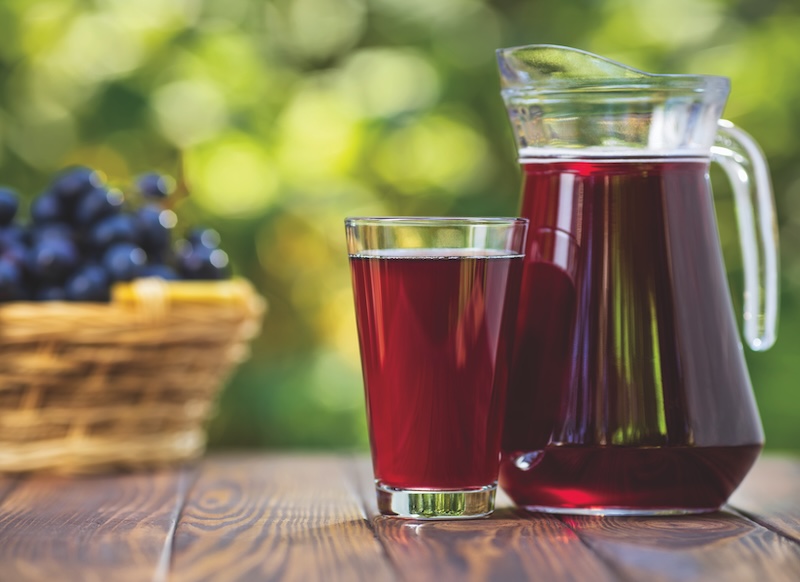
In my grandparents’ backyard in North Carolina, the muscadine vines twisted their way up trellises and along fences, soaking up the summer sun. When the grapes turned ripe and dark, the whole family — my grandmother Lydia Gilliam’s siblings, cousins and neighbors, all of whom lived on the same street — would show up with buckets in hand. My Meemaw had two plans for those grapes: jam or juice. The juice wasn’t wine (they were devout Southern Baptists), but a deep, almost syrupy muscadine juice that tasted like summer and Sunday afternoons. My Pawpaw, Paul Gilliam, liked it best poured into sweet tea, just a splash. Like most passed-down favorites, this recipe was never written down, it was just known. This version is as close as I can get to the one she made and every sip takes me right back to that backyard.
Ingredients
2 pounds muscadine grapes
1/4 cup sugar
Directions
1. Wash and stem the grapes. Fill hot, sterilized canning jars about 3/4 full with grapes. Add 1 tablespoon of sugar to each pint jar, or 2 tablespoons to each quart jar.
2. Fill the jars with boiling water, leaving about 1/2 inch of headspace. Wipe the rims clean, add lids and rings, and tighten by hand.
3. Process the jars in a hot water bath for 10 to 15 minutes. Carefully remove and let cool completely on a wire rack or folded towel.
4. Store the sealed jars in a cool, dark place for 2 to 3 weeks to let the flavor develop.
5. When ready to serve, strain the juice through a cheesecloth-lined colander to remove the grapes and skins. Refrigerate and enjoy chilled on its own or stirred into a tall glass of sweet tea.