Why Peanuts Are a Southern Staple: From Boiled Peanuts to Peanut Brittle
Worth Cracking Open
The Story Behind the South’s Favorite Legume
Story By Bailey Gilliam
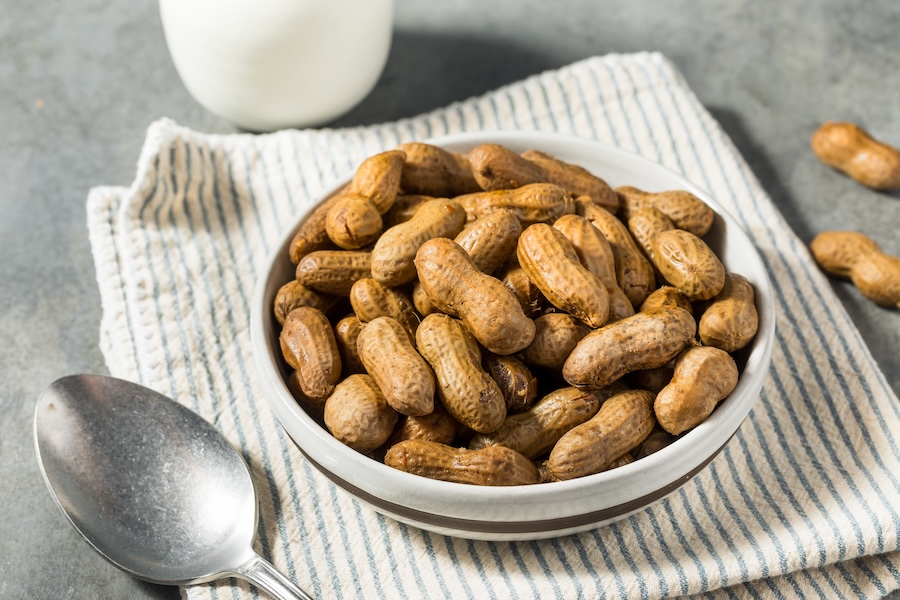
Few foods feel more Southern than peanuts. Around the Lowcountry they show up steaming in roadside pots, rattling in paper bags on long drives and cracked open on porches after long days in the sun. Around here peanuts are less a snack than a ritual, woven into summer afternoons that seem in no hurry to end. But peanuts are more than salty comfort food. They are one of the South’s most important crops, steeped in history, packed with nutrition and surprisingly versatile in the kitchen. Stemming from ancient roots in South America, peanuts have spent thousands of years earning their place at the Southern table.
A long road south
The peanut’s story began thousands of years ago in South America, likely modern-day Peru or Brazil, where ancient cultures decorated pottery with peanut designs and placed the legumes in tombs as offerings for the afterlife. European explorers later carried peanuts abroad, traders spread them across Africa and Asia, and enslaved Africans introduced them to North America in the 1700s.
For years peanuts were simple fare, fed to livestock or eaten in poorer communities. After the Civil War, returning soldiers helped spark demand for roasted peanuts, while circuses and baseball games turned them into a national snack. Around 1900, new farming machinery and the boll weevil crisis pushed Southern farmers toward peanuts, thanks in part to George Washington Carver, who encouraged growing them instead of cotton. Soon after, peanut butter debuted at the 1904 Louisiana Purchase Exposition and quickly became a pantry staple.
Know your peanuts
Not all peanuts are created equal. The ones blended into peanut butter are usually different from the jumbo shells cracked open at the ballpark. While all peanuts come from the same plant species, decades of cultivation have produced four main types grown in the United States. Runner peanuts dominate production and are prized for their uniform size, making them ideal for peanut butter and candy. Virginia peanuts are the oversized, extra-crunchy “ballpark” variety. Spanish peanuts are smaller with red skins and deeper flavor, while sweet Valencia peanuts, often packed three to a shell, are favorites for boiled peanuts and natural peanut butter.
Try growing these
Runner: Georgia Green, TUFRunner 297
Virginia: Bailey, Gregory, Wynne
Valencia: Georgia Red, Georgia Valencia
Digging deeper
Peanuts love the Lowcountry. Warm temperatures, sandy soil and long growing seasons make the region an ideal place for home gardeners willing to try their hand at this underground crop. According to the Clemson Cooperative Extension, peanuts are best planted between April 1 and May 31, with early May offering the sweet spot once the soil has warmed.
Unlike most garden crops, peanuts flower above ground but fruit below it. Low-growing plants send small yellow blooms into action, producing slender “pegs” that burrow into the soil where peanuts mature beneath the surface. They thrive in full sun and loose, well-drained soil with a slightly acidic pH. Because peanuts are legumes, they naturally return nitrogen to the soil, meaning too much fertilizer can hurt production rather than help it. Depending on the variety, harvest arrives in about 90 to 150 days, when yellowing foliage signals that the crop below is ready to dig.
Beyond PB&J
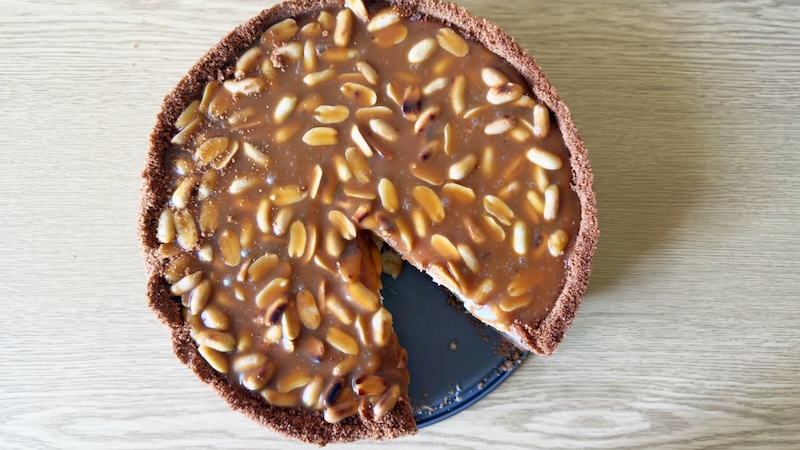
Few ingredients work harder in the kitchen than peanuts. They can be roasted, salted, boiled, candied, blended into sauces, folded into desserts or scattered over salads and stir-fries for crunch. Peanut butter remains the reigning comfort-food classic, but peanuts also thrive in savory dishes, from rich African stews and Thai peanut noodles to old-school Southern peanut soup.
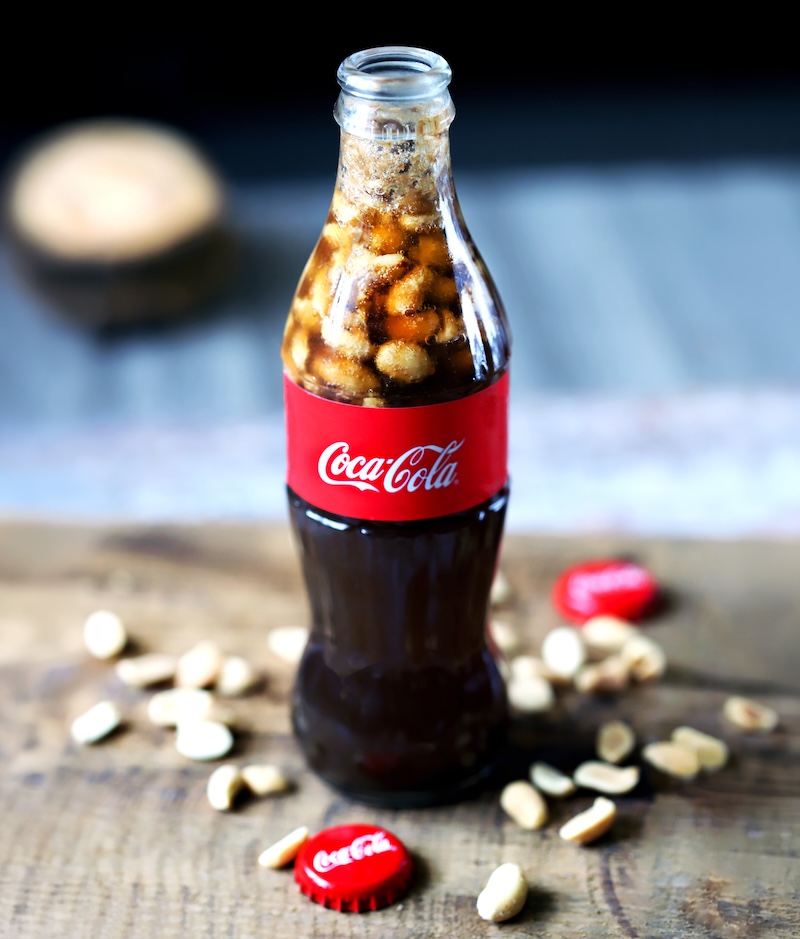
Part of their appeal is versatility. Peanuts move easily between salty and sweet, rustic and refined, comforting and unexpected. Around the South, they carry a heavy dose of nostalgia too, whether it’s a warm sack of boiled peanuts from a roadside stand or the oddly satisfying tradition of dropping salted peanuts into an ice-cold bottle of Coke. However they’re served, peanuts remain one of the South’s quiet comforts, proof that familiar foods have a way of sticking with us.
Small but mighty
Peanuts punch well above their weight nutritionally. While one of the most common food allergies means they are not for everyone, those who can safely enjoy them get a snack packed with staying power. Peanuts deliver plant-based protein, fiber and healthy fats that help fuel long afternoons, curb hunger and keep energy steady. Just one ounce contains about 7 grams of protein, along with heart-healthy unsaturated fats linked to cardiovascular wellness. They also supply magnesium, potassium, folate, vitamin E and antioxidants that may support overall health.
Researchers believe peanut allergies may sometimes develop when first exposure happens through the skin rather than food, prompting the immune system to misidentify peanut proteins as dangerous. Early dietary exposure, however, may help build tolerance. For those without allergies, peanuts prove that good things really can come in small shells.
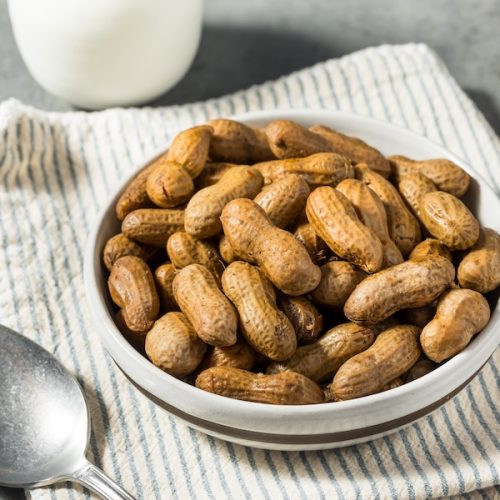
Boiled peanuts
Ingredients
- 2 pounds raw peanuts in the shell or 3 pounds green peanuts
- 1 1/2 cups kosher salt divided
- 2 gallons water
Instructions
- In a large stockpot, dissolve 1/2 cup kosher salt in 2 gallons water. Add raw peanuts, and place a plate or bowl on top to keep them submerged. Soak 8 hours or overnight. Skip this step for green peanuts.
- Drain soaked peanuts and return them to the pot. Add 2 fresh gallons water and the remaining 1 cup kosher salt. Bring to a boil, then reduce heat to low and cover. Simmer gently, adding water as needed to keep peanuts submerged.
- Cook until soft, briny and flavorful, about 5 to 8 hours for raw peanuts or 2 to 3 hours for green peanuts. Start tasting early. A perfect boiled peanut should feel tender all the way through, never crunchy in the center.
- After about 3 hours for raw peanuts (or 1 hour for green peanuts), taste and adjust. Want more salt? Add in 1/4-cup increments. Too salty? Add fresh water.
- When tender, remove from heat and let cool in the cooking liquid for about 1 hour (20 to 30 minutes for green peanuts). This extra soak deepens flavor and gives them that roadside-stand taste.
- Drain and enjoy warm, room temperature or straight from the fridge. Store refrigerated for up to 10 days, or freeze for several months.
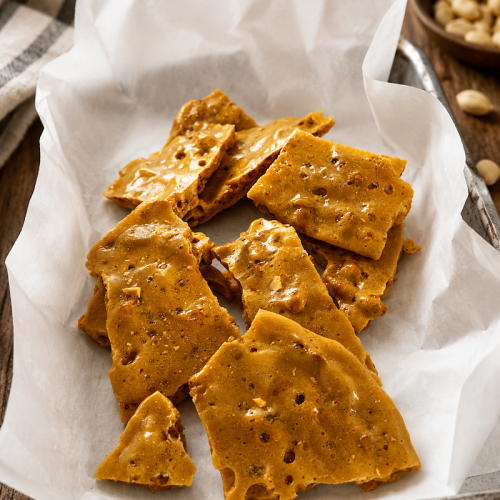
Meemaw’s peanut brittle
Ingredients
- 1 cup granulated sugar
- 1/2 cup light corn syrup white syrup
- 1/2 cup water
- 1 cup raw peanuts
- 1 teaspoon baking soda
- 1 tablespoon butter
- 1 teaspoon vanilla extract
Instructions
- Line a baking sheet, marble slab or countertop with foil or wax paper, and lightly grease with butter or cooking spray. Once the candy is ready, you will need to move quickly.
- In a heavy saucepan over medium heat, stir together sugar, syrup and water until dissolved. Bring to a boil.
- Add peanuts a handful at a time, stirring gently. Continue cooking, stirring occasionally, until the syrup deepens to a rich golden color and reaches 300 to 310 degrees (hard crack stage) or the peanuts begin to crack and smell toasted, about 15 to 20 minutes.
- Remove from heat immediately. Stir in baking soda, butter and vanilla. The mixture will foam and lighten in color. Give it just a few quick stirs. Do not over mix.
- Immediately pour onto the prepared surface. Let it spread naturally, then carefully pull or tilt the brittle thinner with the back of a spoon or buttered hands if needed. Thin brittle equals better crunch.
- Let cool completely, about 20 to 30 minutes, then break into jagged pieces. Store airtight for up to one week, if it lasts that long.