Do Dogs Understand Daylight Saving Time? How Pets Handle Time Changes
Clocked in
Story By Bailey Gilliam
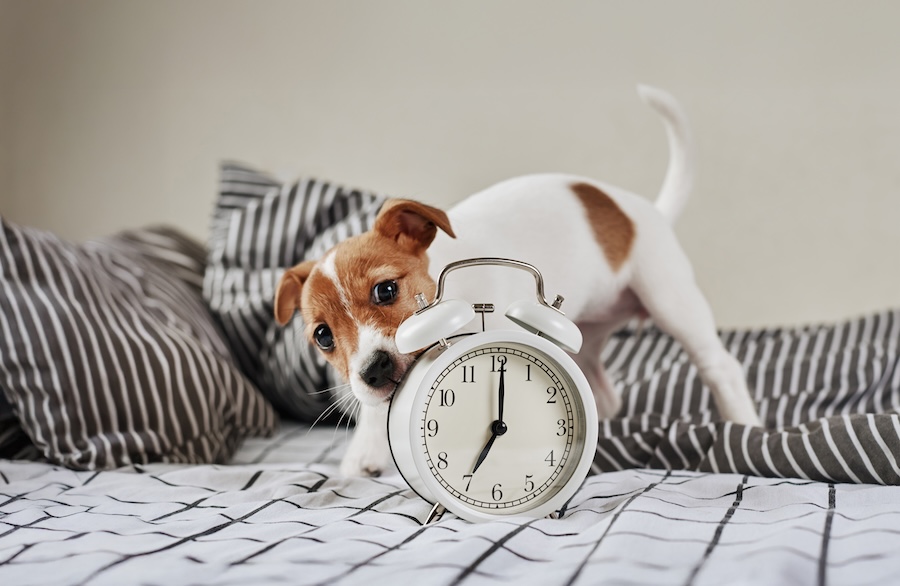
When daylight saving time rolls around, most of us grumble and reset our clocks. But dogs, cats and other pets don’t follow wall time — they follow internal rhythms. If your dog suddenly thinks dinner is late or your cat is wide awake before sunrise, it’s not your imagination. Here’s how pets experience time changes and why routines matter more than the clock.
How Circadian Rhythms Work in Dogs and Cats
At the heart of it all is the circadian rhythm, the internal clock that regulates daily behavior in humans, animals, plants and even some bacteria. The term comes from the Latin circa (around) and diem (day), meaning roughly 24 hours. It’s what tells bodies when to sleep, wake, eat and move.
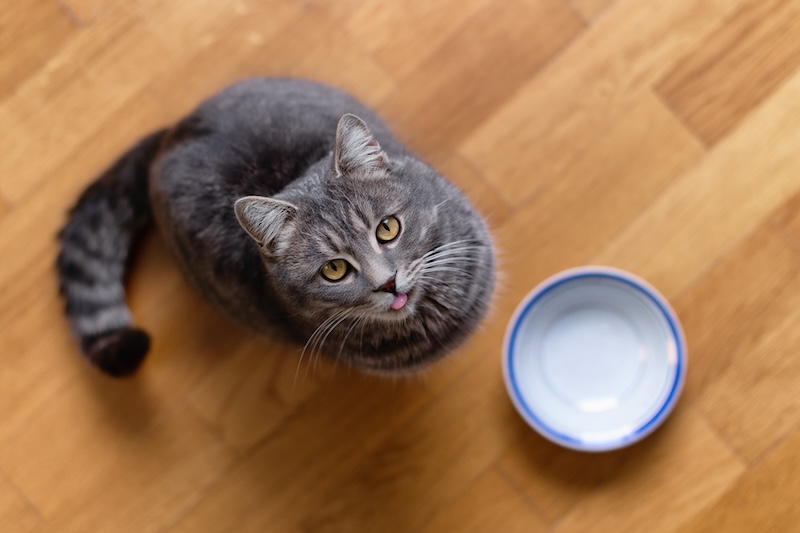
Most dogs, like most people, are diurnal. They’re awake during the day and rest at night. Other animals run on different schedules. Bats, raccoons and opossums are nocturnal. Some marine worms and cave fish are influenced by lunar cycles. Cats sit somewhere in between. They’re mostly diurnal but famously active at dawn and dusk, a pattern known as crepuscular. Birds, rabbits, hamsters and reptiles all follow rhythms tuned to their biology and environment.
That helps explain why pets seem so tuned in to household routines.
Dogs don’t read clocks, but their bodies give them plenty of cues. Hormone changes, hunger, light levels and even your daily habits help set their schedule. They learn quickly. When you wake up, head for the coffee pot and grab the leash, your dog’s internal clock takes notes. Cats do the same thing. A cat yowling at dawn or a parrot greeting the sunrise isn’t being dramatic. They’re responding to their own built-in rhythms.
Why Pets Notice Time Changes
Smell plays a bigger role than most people realize. In “Being a Dog,” researcher Alexandra Horowitz explains that dogs can track time through scent. Your smell is strongest when you’re home. It fades after you leave and slowly builds again as you return. Dogs can even detect how scents move, which gives them clues about where you’ve been and how long you’ve been gone.
Cats, rabbits and rodents also rely on changes in familiar smells to orient themselves in time and space, though they use those cues in different ways.
There’s also evidence that dogs experience time differently than humans. With faster metabolisms, time may feel stretched, making an hour seem longer than it does to us. Short absences are tracked through body cues and scent. Longer ones rely more on memory. That may explain the over-the-top greeting when you come home after a few hours, or the full reunion performance after a long day.
Sleep patterns add another wrinkle. Dogs don’t usually sleep in one long stretch. Instead, they nap in short cycles, drifting off for brief periods before waking again. Cats and many small mammals do the same. Birds, reptiles and rodents each follow sleep and activity rhythms shaped by survival and environment.
How to Help Your Dog Adjust to Daylight Saving Time
Just like people, pets feel the shift when daylight savings time rolls around. Suddenly moving meals, walks and bedtime by an hour can leave them unsettled. A few small adjustments can help ease the change.
Ease into new schedules: Move meals, walks and playtime by 10 to 15 minutes a day until you reach the new schedule. Pets that struggle with change, including puppies, kittens, seniors or animals with medical needs, may do better with even smaller shifts. Dogs may also need extra potty breaks during the transition.
Be patient with sleep changes: Your pet’s internal clock won’t reset overnight. Early wake-ups or restless evenings are normal for a few days. Natural changes in daylight can also affect activity levels, so allow for a little flexibility.
Check in if needed: If your pet seems unusually anxious or doesn’t adjust after a week or two, a veterinarian, trainer or behavior consultant can help tailor a plan.
Watch the details: Time changes can affect medication schedules, so confirm any adjustments with your veterinarian. Seasonal shifts may also influence how much outdoor time or stimulation your pet needs. Pay attention to light, activity and energy levels.
Why Routine Matters for Pets
What does all this mean for pet owners? Routines matter.
Dogs, cats and other pets thrive on predictability. Sudden changes like late meals, skipped walks or weekend sleep-ins can throw them off, especially animals that are anxious, aging or managing health issues. Understanding how pets perceive time helps us structure their days in ways that work with their natural rhythms, not against them.
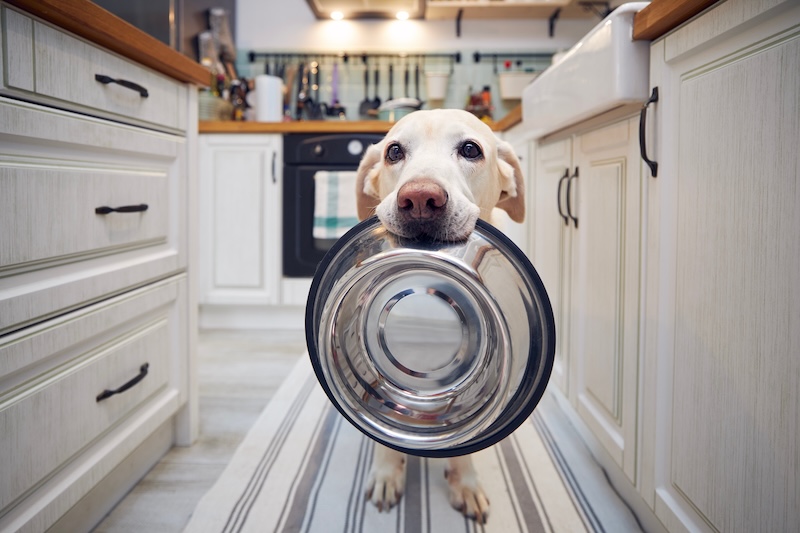
Pets don’t need clocks. They live by their bodies, the light, the smells and the patterns we set. Their sense of time is finely tuned to the world around them and, more often than not, to ours. So the next time your dog settles in front of the food bowl, quietly waiting for dinner that feels late by his count, remember this: he may not know the hour, but he knows the rhythm of your day. And he’s counting on it.
Frequently Asked Questions About Dogs and Daylight Saving Time
Do dogs know when daylight saving time changes?
Dogs don’t understand clocks, but they rely on internal circadian rhythms, hunger cues and household routines. When daylight saving time shifts meals and walks by an hour, they often notice immediately.
Why does my dog seem confused after the time change?
Time changes disrupt established routines. Dogs anticipate meals, walks and sleep based on patterns tied to light, hormones and daily habits.
How can I help my dog adjust to daylight saving time?
Gradually shift meals and walks by 10 to 15 minutes each day leading up to the time change. Maintaining consistency helps pets transition smoothly.
Does daylight saving time affect cats too?
Yes. Cats rely on routines and natural light cues just like dogs. They may wake earlier, ask for food at unusual times or seem restless during the transition.
How long does it take pets to adjust?
Most pets adjust within a few days to a week, depending on their temperament and how gradually routines shift.