How to Plant a Pollinator-Friendly Yard
What to plant and how to care for garden blooms that will support Lowcountry butterflies, bees and hummingbirds.
Story by Lance Hanlin
A pollinator garden is more than a pretty patch of blooms. It’s a working landscape, designed to support butterflies, bees, hummingbirds and other beneficial insects as they go about their essential work. In the Lowcountry, where development and manicured lawns have replaced much of our native habitat, these gardens serve as critical rest stops and reliable food sources. The payoff is immediate and lasting: healthier plants, stronger blooms, more birds and butterflies and a yard that feels alive rather than static. With the right plant choices, pollinator gardens are low-maintenance, resilient and perfectly suited to our long growing season and coastal climate.
Milkweed (Asclepias)
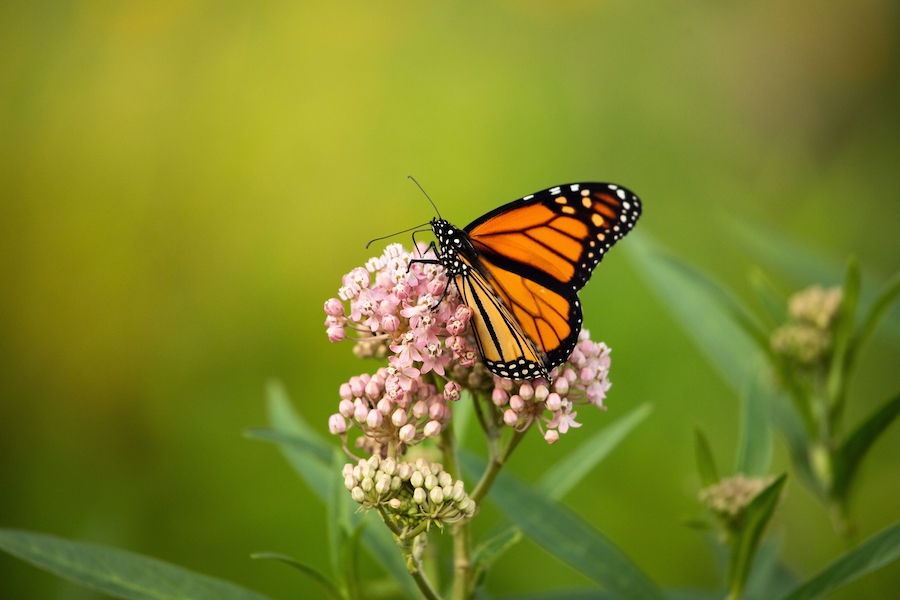
Milkweed is the non- negotiable plant for monarch butterflies, whose caterpillars eat only milkweed leaves. In return, monarchs reward gardeners with one of nature’s most captivating life cycles, from egg to chrysalis to winged adult. Native milkweed varieties are especially valuable, providing the right nutrition at the right time.
When to plant
Spring after the last frost or early fall
Care
Full sun and well- drained soil are key. Once established, milkweed is drought tolerant and prefers to be left alone. Avoid pesticides, which harm caterpillars.
Pollinators it attracts
Monarch butterflies, native bees and other beneficial insects
Coneflower (Echinacea)
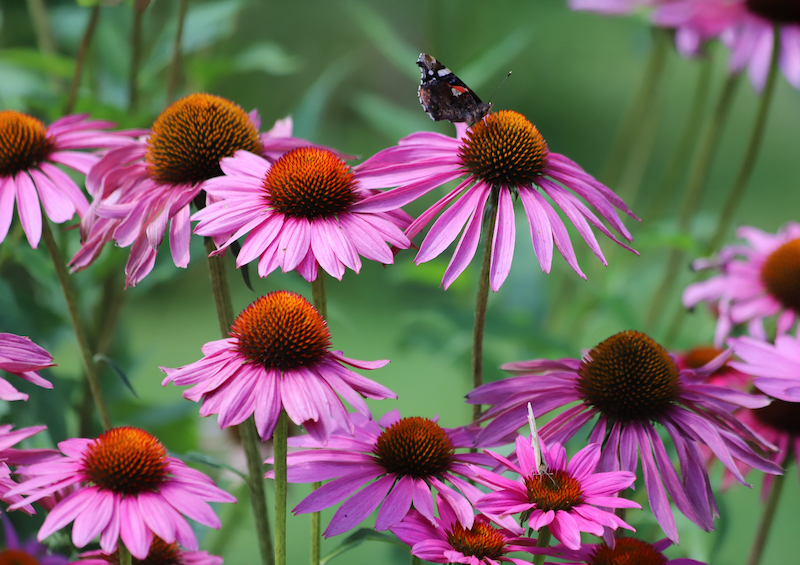
Coneflowers are garden workhorses that look good from early summer through fall. Their bold, daisy-like blooms stand up well to heat and humidity, making them a reliable choice for Lowcountry gardens.
When to plant
Spring or fall
Care
Plant in full sun with average water. Deadhead for extended blooms, or leave seed heads in place to feed birds later in the season.
Pollinators it attracts
Bees, butterflies and, later, seed-loving birds such as goldfinches
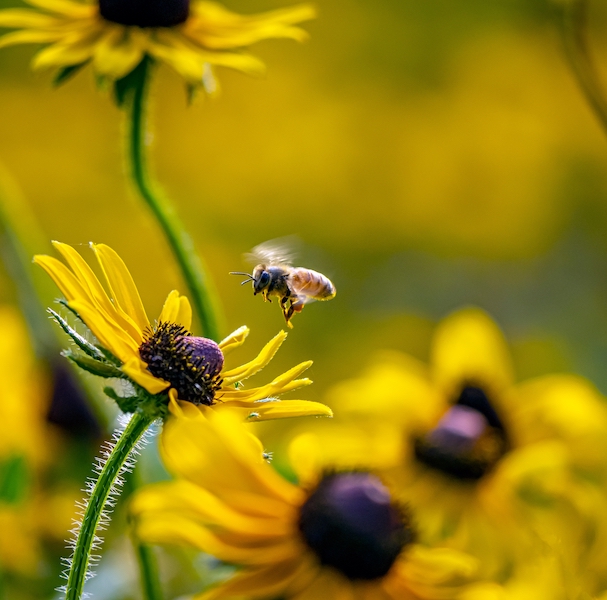
Black-eyed Susan (Rudbeckia)
Bright, cheerful and nearly foolproof, black- eyed Susans bring a classic summer meadow look to any yard. They pair beautifully with native grasses and other wildflowers and spread easily once established.
When to plant
Spring or fall
Care
Full sun is best, though they tolerate partial shade. They are drought tolerant once established and do not require rich soil.
Pollinators it attracts
Native bees, butterflies and small beetles that assist with pollination
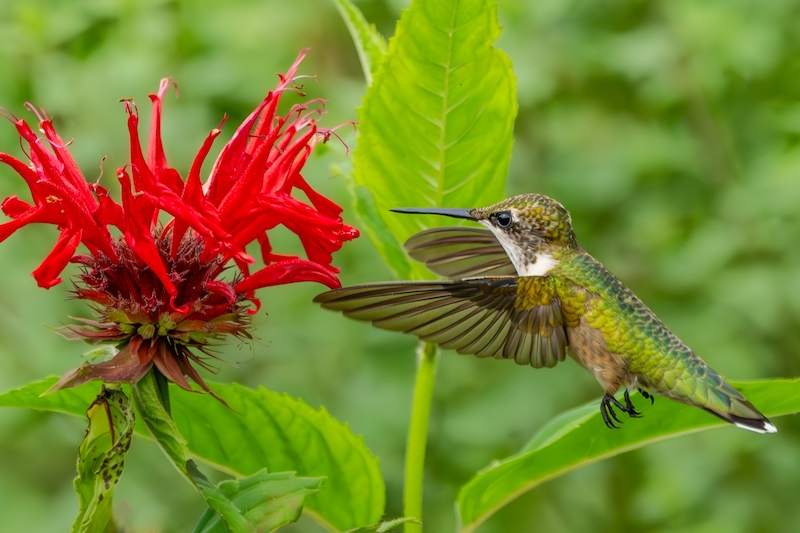
Bee Balm (Monarda)
Bee balm brings a bit of drama to the garden with its shaggy blooms and minty scent. Its red, pink or purple flowers are a favorite of hummingbirds and add lively movement to planting beds.
When to plant
Spring or fall
Care
Plant in full sun to partial shade with consistent watering. Good air circulation helps prevent mildew during humid Lowcountry summers.
Pollinators it attracts
Hummingbirds, bees, butterflies and moths
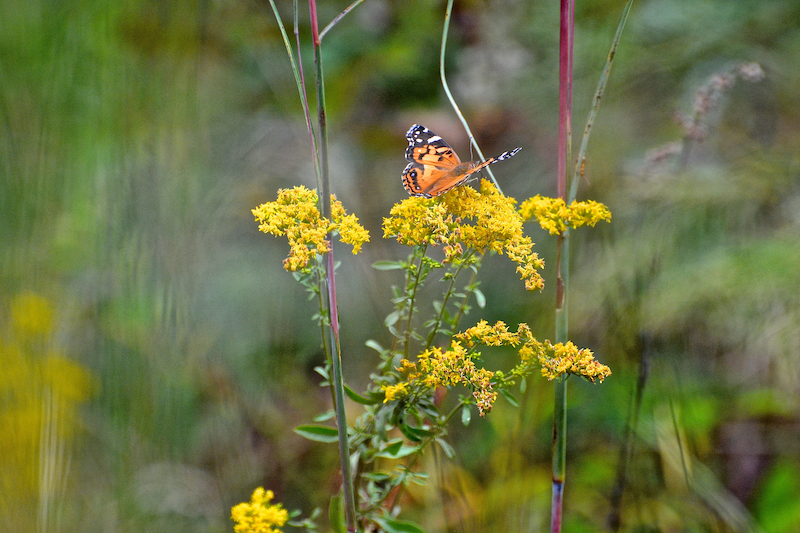
Goldenrod (Solidago)
Goldenrod often gets blamed for seasonal allergies, but it is insect-pollinated and not the culprit. Instead, it is a critical late-season food source with golden plumes that light up the fall garden just when pollinators need it most.
When to plant
Spring or fall
Care
Full sun and average water. Goldenrod is hardy and spreads easily, so give it room to roam.
Pollinators it attracts
Bees, butterflies, wasps and migrating pollinators preparing for winter
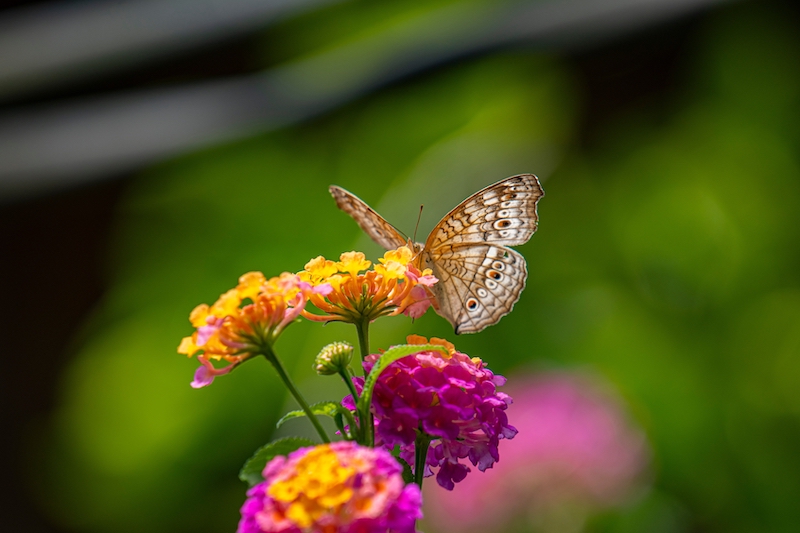
Lantana (Lantana depressa)
Lantana blooms nonstop through the hottest months and shrugs off drought, heat and salt. It is a go-to choice for dependable color and heavy pollinator activity all summer long. Choose sterile or native varieties to prevent aggressive spreading.
When to plant
Spring, once the soil has warmed
Care
Full sun and moderate watering. Lantana is tough and forgiving, making it a great option for new gardeners.
Pollinators it attracts
Butterflies, bees and hummingbirds
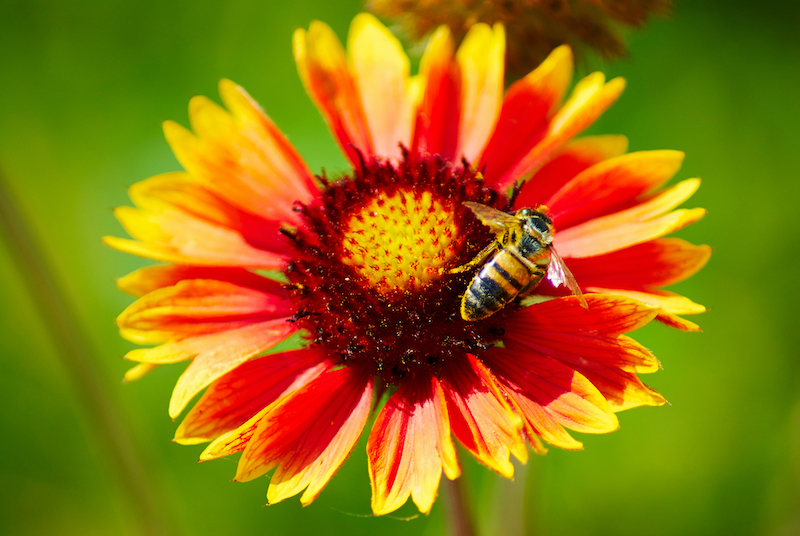
Blanket Flower (Gaillardia)
Well suited to coastal conditions, blanket flower thrives in sandy soils and tolerates salty air. Its red and yellow blooms feel right at home in beachy landscapes and informal gardens.
When to plant
Spring
Care
Full sun and excellent drainage are essential. Blanket flower prefers lean soil and minimal watering once established.
Pollinators it attracts
Bees and butterflies, especially long-tongued species
Tips for success
Plant in clusters: Group plants together rather than scattering them, as pollinators find mass plantings more easily.
Plan for all seasons: Aim for blooms from early spring through late fall to provide continuous food sources.
Add water: Include a shallow birdbath or shell-lined dish filled with water so pollinators have a safe place to drink.
Skip the chemicals: Avoid pesticides and herbicides, and let nature strike its own balance.