Southern Home Remedies: Herbs, Plants and Traditions That Still Heal
The plants, herbs and traditions that still shape Southern healing
On a warm Southern afternoon, the cure was rarely far away. It might be growing along the fence line, tucked beneath your feet or steeping quietly on the stove. Long before pharmacies became routine and wellness turned into an industry, healing in the South came down to knowing what grew nearby and how to use it. In the Lowcountry and beyond, remedies weren’t bought. They were gathered from the yard, the woods or the edge of the marsh, shaped by the land and passed down like a favorite recipe. What took root here wasn’t a single tradition, but a blend. Native American plant knowledge, African healing practices carried through the Gullah-Geechee corridor, and European remedies brought across the Atlantic came together to form a distinctly Southern approach to care, one built on observation, availability and trust in what the land could provide.
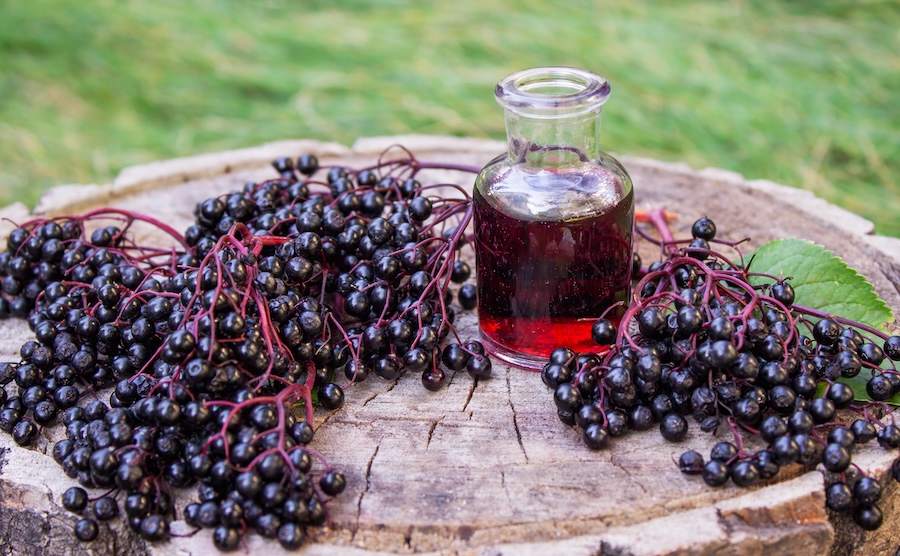
Elderberry and the art of prevention
Few remedies are as lasting as elderberry. These small, dark berries have long been used across the South to support the immune system, especially as cooler weather sets in. Traditionally, they are simmered into syrups with honey, cinnamon and ginger, then taken by the spoonful at the first sign of a cold. Elderflowers, the delicate blossoms of the same plant, are steeped into teas to ease fevers or congestion. Some families dry both berries and flowers to keep on hand year-round, while others make tinctures for longer storage. Whether brewed, bottled or spooned straight from the jar, elderberry remains one of the clearest examples of food and medicine working hand in hand.
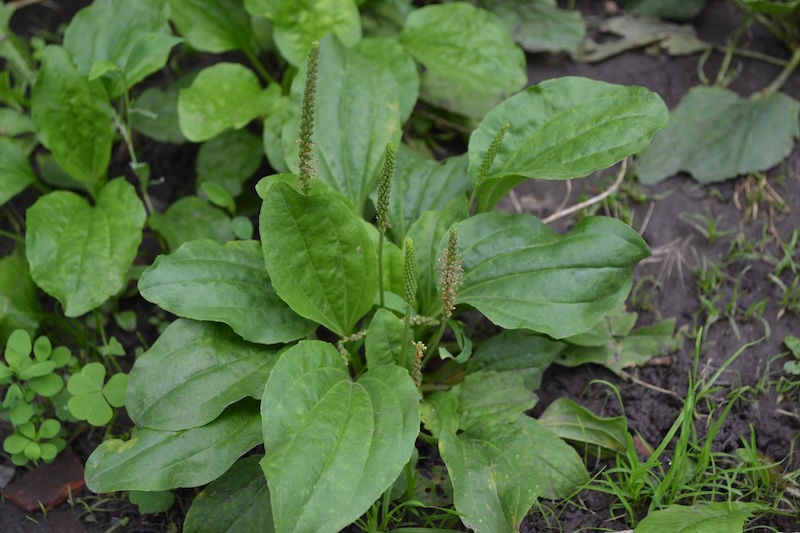
Plantain, the backyard healer
Plantain grows just about everywhere: in lawns, along footpaths and tucked between cracks in the sidewalk. While many see it as a weed, it has long been a go-to remedy for skin irritations. Fresh leaves are crushed or chewed slightly to release their juices, then pressed onto insect bites, stings or small cuts to reduce inflammation and draw out irritation. Some steep the leaves into teas for their mild, soothing qualities, while others infuse them into oils for salves that can be kept on hand. It is simple, accessible and remarkably effective; the kind of remedy you do not have to go looking for.
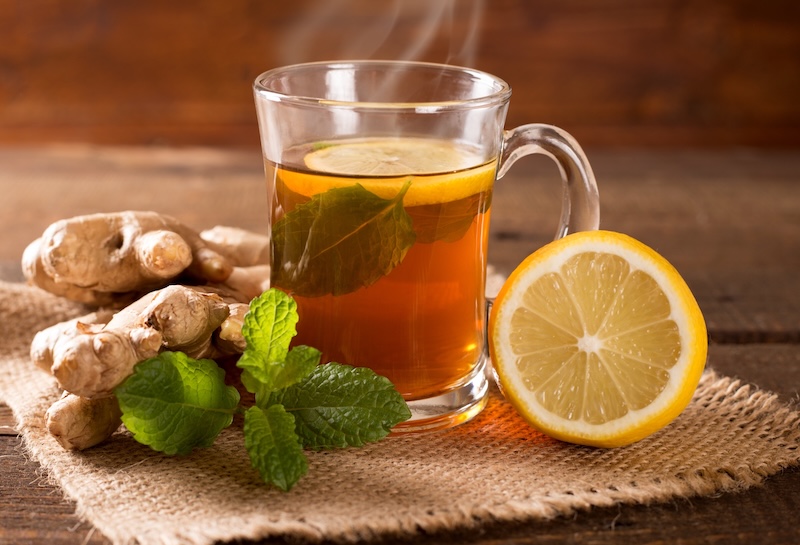
Mint, ginger, lemon and the power of tea
In Southern kitchens many remedies begin with a kettle. Mint, which thrives in the Lowcountry, is steeped into tea to calm the stomach and cool the body on hot days. Ginger brings warmth, easing digestion and the early stages of a cold. Sage and thyme are brewed for sore throats and respiratory support, while rosemary adds a piney, grounding note. Mullein, a longtime Southern staple, is steeped to support the lungs and ease coughs. Combined with honey and lemon, these herbs create remedies that feel as comforting as they are functional. Warm, fragrant and familiar, each cup carries a bit of tradition with it. And sometimes the remedy leans more practical than poetic. In many Southern homes onion syrup has long been a go-to for stubborn coughs. Sliced onions layered with sugar or honey release a thick, sweet liquid, taken by the spoonful for relief. It may not taste pretty, but it works.
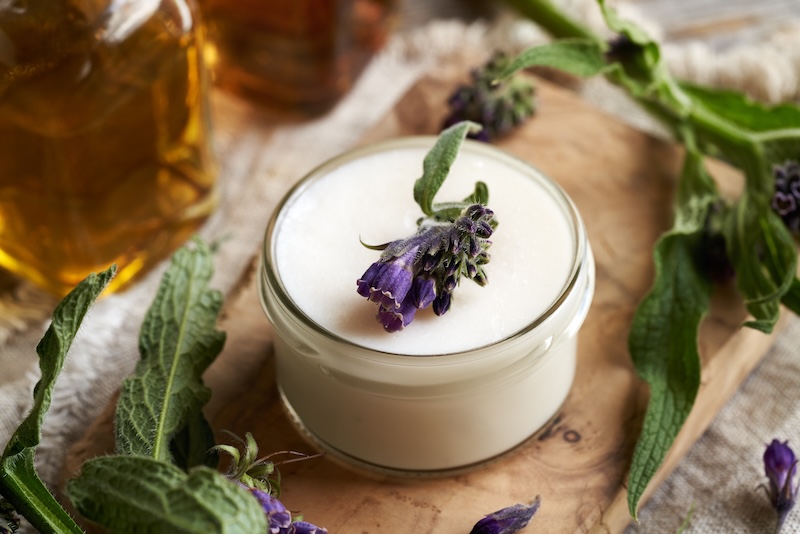
Aloe, comfrey and skin soothers
For burns, bites and everyday skin troubles, Southern folk medicine often turns to plants that soothe on contact. Aloe vera, grown in pots or just outside the door, offers instant relief. Break a leaf, and the cooling gel is ready to use. Comfrey, sometimes called “knitbone,” has long been used in salves and poultices for bruises and sore muscles. Calendula flowers are infused into oils to create gentle balms for cuts, rashes and dry skin. For deeper aches, cornmeal poultices were once a common household fix. Mixed with warm water and applied to the skin, they were believed to draw out irritation and reduce inflammation. Simple. Practical. Already in the kitchen.
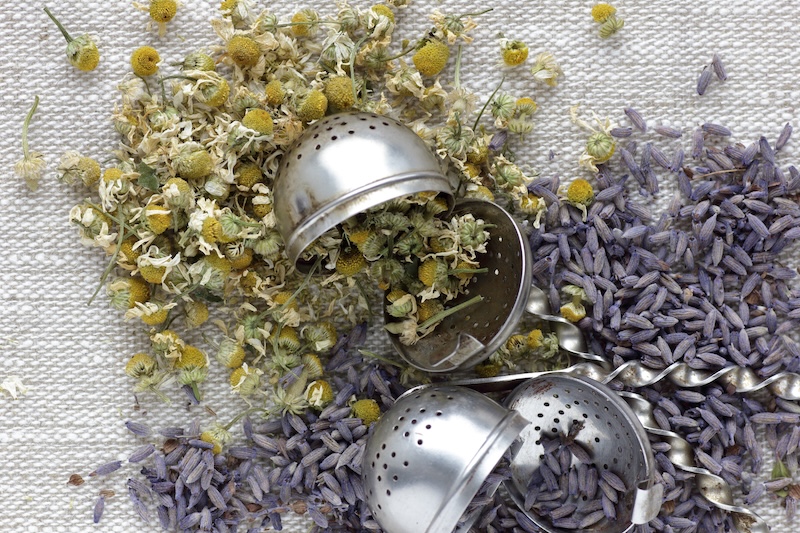
Chamomile, lavender and calm
Not all remedies are meant to fight something off. Some are meant to slow things down. Chamomile is brewed into tea to promote relaxation and better sleep, while lavender finds its way into teas, sachets and oils to calm the mind. Honeysuckle, sweet and unmistakably Southern, is sometimes steeped into light teas or simply enjoyed for its calming scent on warm evenings. These gentler remedies reflect another side of Southern healing, one that values rest as much as recovery. A quiet cup of tea or the scent of something blooming nearby can be just as powerful as any tonic.
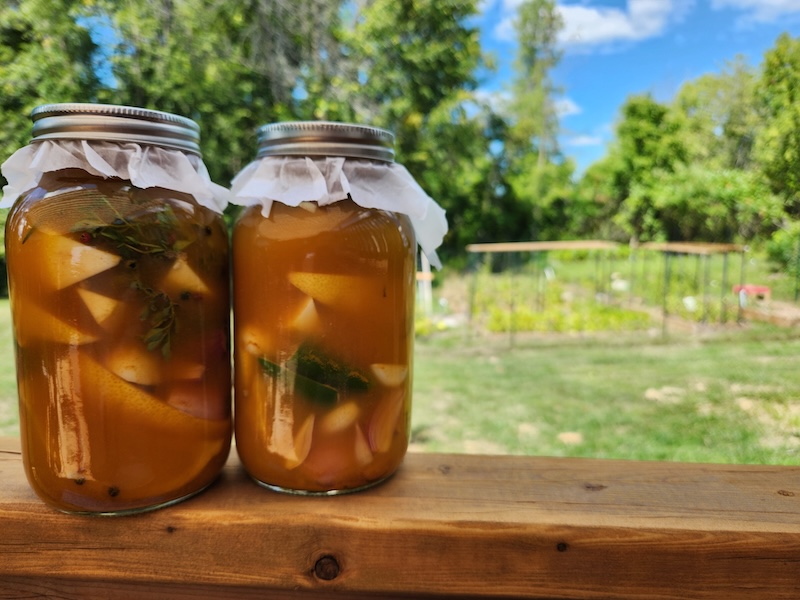
Vinegar, garlic and kitchen cures
The pantry has always doubled as a place for remedies. Apple cider vinegar is a staple, often mixed with honey and herbs to create tonics that support digestion and overall wellness. Some recipes add garlic, along with ginger, fruit or hot peppers for an extra kick. These blends, often called fire cider, are taken in small amounts. Sharp, bracing and unmistakable. The flavor may be bold, but the intention is simple. Keep the body balanced and ready. And in the heat of a Southern summer, relief sometimes comes in simpler forms. A sip of pickle juice, salty and sharp, has long been used to ease muscle cramps and restore balance after long days in the sun.
A remedy for every season
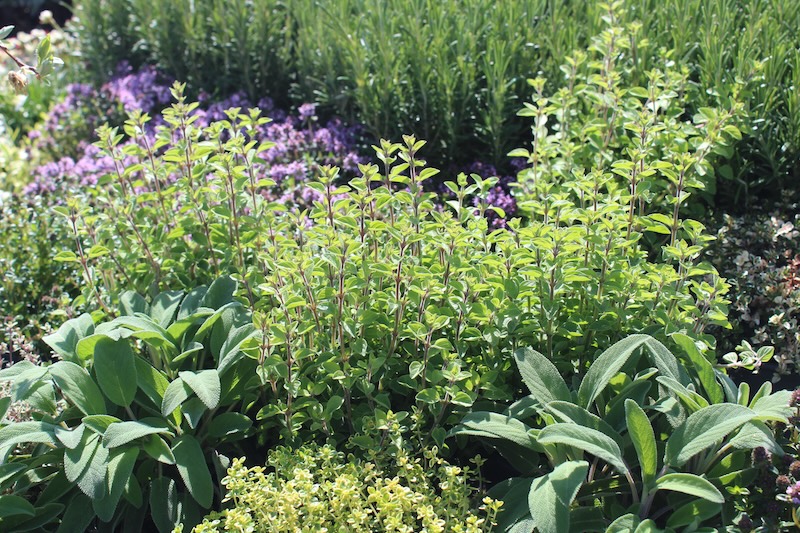
Southern remedies follow the seasons. What blooms, ripens or grows wild at a given time often becomes what is used. Spring greens, summer herbs, fall berries, winter tonics. In the Lowcountry that might mean mint in the heat, elderberry as the air cools or citrus when it can be found. It also means turning to what surrounds you, even the ocean itself. Saltwater has long been used for minor wounds and skin irritations, a simple, effective remedy drawn straight from the coast. It is all part of the same instinct. Pay attention. Use what is available. Trust the process. Because around here, healing has never been about chasing something far away. It is about knowing what is already close and taking the time to let it work.
From pantry to prescription
Everyday kitchen staples with healing roots
Kitchen staples
Honey: Soothes sore throats, naturally antimicrobial and the backbone of syrups and teas
Apple cider vinegar: A sharp, tangy base for digestion-supporting tonics
Garlic: A bold, immune-boosting staple used raw, infused or steeped
Lemon: Bright, vitamin-rich citrus for colds, hydration and balance
Ginger: Warming root that settles the stomach and eases early cold symptoms
Cinnamon: Adds warmth and depth while supporting circulation
Spice rack
Turmeric: Earthy, golden root known for its anti-inflammatory properties
Cayenne pepper: A pinch of heat to stimulate circulation and clear sinuses
Cloves: Deeply aromatic, used in soothing teas and syrups
Nutmeg: A warm spice often stirred into drinks to promote rest
Black pepper: Enhances other ingredients and adds gentle heat
Herb bundle
Thyme: A go-to for coughs and congestion
Sage: Soothing for sore throats with a savory edge
Rosemary: Piney and invigorating, helps clear the head
Mint: Cooling and calming for digestion and heat
Mullein: A longtime staple for lung support and cough relief
Bay leaves: Simmered for subtle anti-inflammatory benefits
Cupboard staples
Onion: Base for old-fashioned cough syrups
Salt: Effective for rinses, soaks and swelling
Molasses: Mineral-rich and long used for energy and iron support
Baking soda: A gentle fix for skin irritation
Oats (oatmeal): Soothing for dry or itchy skin
Cornmeal: Used in warm poultices to draw out irritation
From the fridge
Pickle juice: Eases muscle cramps and restores balance in the heat
Buttermilk: Traditionally used to support digestion
Aloe vera (gel or leaf): Cooling relief for burns and cuts
Citrus slices: Chilled lemon or orange for hydration and immune support