Why Spring Allergies Are Worse in the Lowcountry (Hilton Head & Bluffton)
Story by Belle Whitfield
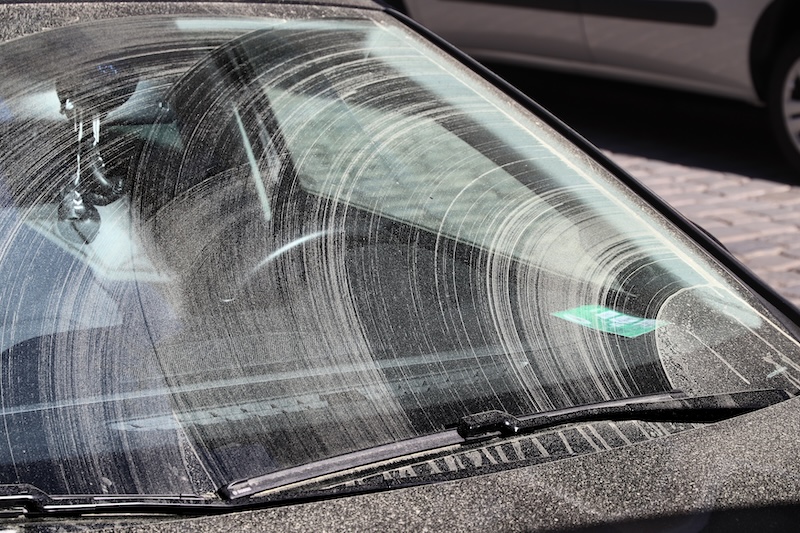
If you’ve lived in the Lowcountry for a while, you know the drill. As spring rolls around, your car turns neon yellow overnight, your eyes feel full of sand, and a box of tissues becomes your new best friend. For many, this season isn’t just about beautiful blooms. It’s a marathon of sneezing and watery eyes.
Local allergist Dr. Thomas Beller, a board-certified specialist with offices in Hilton Head, Bluffton and Beaufort, says the region’s coastal climate creates the perfect recipe for a long pollen season that simply refuses to end. While other parts of the country experience a short burst of pollen, ours lingers like a humid July afternoon.
Why Pollen Season Lasts Longer in Hilton Head & Bluffton
“We kind of get the worst of both worlds here,” Beller explains. Up north, in places like Minnesota, winters are so harsh that trees release their pollen all at once when temperatures finally rise. It’s miserable, but it’s over quickly. In South Florida the weather stays relatively consistent year-round, and allergy symptoms are often less intense.
Here in the Lowcountry we land somewhere in between. Winters are short, and warmer weather arrives quickly, often starting in March. Instead of a sharp spike in pollen, levels remain elevated for eight weeks or more, “making people miserable longer,” Beller says. Essentially, immune systems are under constant attack for months, turning allergy season into a prolonged battle.
Which Pollens Trigger Lowcountry Allergies?
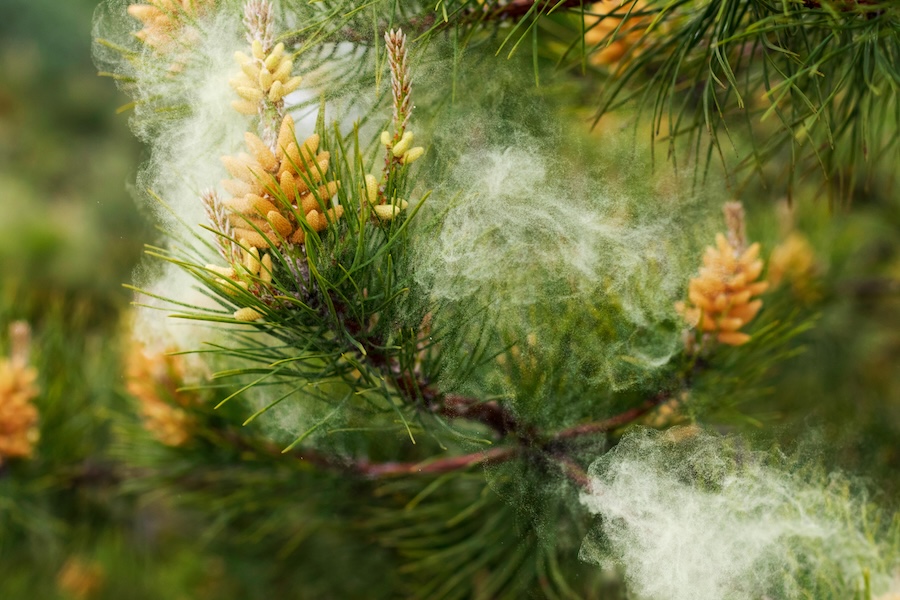
We’ve all stared at pollen-covered porches and cars and assumed that bright yellow coating must be the culprit. But according to Beller, that visible “pine dust” is mostly a distraction.
“Pine pollen is very heavy,” he says. “It falls straight to the ground and doesn’t stay airborne very well, so it usually doesn’t cause allergy problems.”
The real trouble comes from pollen you can’t see. In early spring, cedar is often the first trigger. As the season progresses, oak becomes the most significant allergen, followed closely by bayberry, also called wax myrtle, pecan and river birch. Elm, maple and sweet gum can also contribute, with grass pollens taking over as spring moves into early summer. These lighter pollens float easily through the air, finding their way into eyes and noses and lingering all season long.
Allergies or a Cold?
It can be difficult to tell whether you’re dealing with allergies or coming down with a cold. Beller says allergy mucus is typically clear and thin, while a cold often produces thicker, discolored congestion.
Then there’s the itch. “Itchy eyes strongly favor allergies,” he says. Another telltale sign is repeated sneezing. If you find yourself sneezing five or six times in a row, pollen is the likely culprit, not a virus.

When to Start Allergy Treatment
If you wait until you’re miserable to start treatment, you’ve already lost the first round. Beller’s advice is to be proactive. “Start treatment before symptoms appear, ideally when the weather first begins to turn,” he says.
He recommends topical medications that work directly where symptoms occur rather than relying solely on oral pills. While antihistamines can help, eye drops and nasal steroid sprays are often more effective for congestion and itchy eyes. These treatments aren’t instant, though. They can
Long-Term Allergy Relief Options
If the drugstore aisle is no longer cutting it, it may be time to see a specialist. Many Lowcountry residents are seeking long-term solutions to end the cycle altogether. Allergy shots are becoming an increasingly popular option for those tired of battling symptoms year after year. By gradually training the immune system to react less aggressively to local triggers, many patients see significant improvement, often within two to four months.
dust day after day.
Tips to Reduce Pollen Exposure at Home
Clean with purpose: Regularly dust hard surfaces, vacuum carpets, and wash bedding weekly to cut down on pollen that settles indoors.
Park the pollen:Leave shoes at the door to avoid tracking pollen throughout the house.
The quick rinse:Wash your hands after coming inside to keep pollen out of your eyes.
Shut-down mode: As tempting as fresh air can be, keep windows and doors closed during peak pollen times.
Change it up: Change clothes after spending time outdoors, especially after yard work or beach walks.
Shower smart: Rinse off in the evening to remove pollen from skin and hair before it settles on pillows and sheets.
Filter the air: Use high-efficiency filters in your HVAC system, and change them regularly during pollen season.
Time it right: Run errands and exercise later in the day, when pollen counts are often lower than in the early morning.
Spring Allergy Treatments That Work
Most allergy treatments aren’t instant fixes. They take a few days to reach full strength, which is why starting early and staying consistent can make spring symptoms far more manageable.
Start with a daily nasal steroid spray
Reduces inflammation and congestion over time. Daily use is key.
- Flonase (fluticasone)
- Nasacort (triamcinolone)
- Rhinocort (budesonide)
Add an antihistamine nasal spray if sneezing persists
Works quickly by blocking histamines directly in the nasal passages.
- Astepro (azelastine)
Treat itchy, watery eyes with targeted drops
Addresses eye symptoms that oral medications often miss.
- Pataday (olopatadine)
- Zaditor or Alaway (ketotifen)
Use an oral antihistamine for added support
Helpful for overall symptom control, especially when paired with topical treatments.
- Zyrtec (cetirizine)
- Claritin (loratadine)
- Allegra (fexofenadine)
Rinse pollen away with saline
Helps flush allergens from nasal passages before they trigger symptoms.
- NeilMed Sinus Rinse
- Simply Saline spray
Frequently Asked Questions About Spring Allergies in the Lowcountry
When does allergy season start in Hilton Head?
Allergy season in Hilton Head and the surrounding Lowcountry typically begins in early March when trees like cedar and oak release pollen. Elevated pollen levels can last eight weeks or longer.
Why are allergies worse in the Lowcountry?
The Lowcountry’s mild winters and coastal climate allow pollen levels to remain elevated for extended periods rather than spiking briefly. This prolonged exposure can make symptoms feel more intense.
What is the main pollen causing allergies in South Carolina?
In early spring, cedar (juniper) pollen is common, followed by oak, bayberry, pecan and river birch. Grass pollens often take over in late spring and early summer.
Is pine pollen causing my allergies?
Although pine pollen creates the visible yellow dust coating cars and porches, it is heavy and typically falls quickly to the ground. Smaller airborne pollens from trees and grasses are usually the main allergy triggers.
When should I start allergy medication?
Experts recommend starting allergy medications before symptoms peak, ideally when temperatures begin to warm in late winter or early spring.