Spring in the Lowcountry: Outdoor Inspiration from Hilton Head Locals
It’s been a long, cold winter, and we’re all itching to get outside. Want some spring inspiration? Check out a few locals who are doing the season right
STORY BY BARRY KAUFMAN & PHOTOGRAPHY BY LISA STAFF
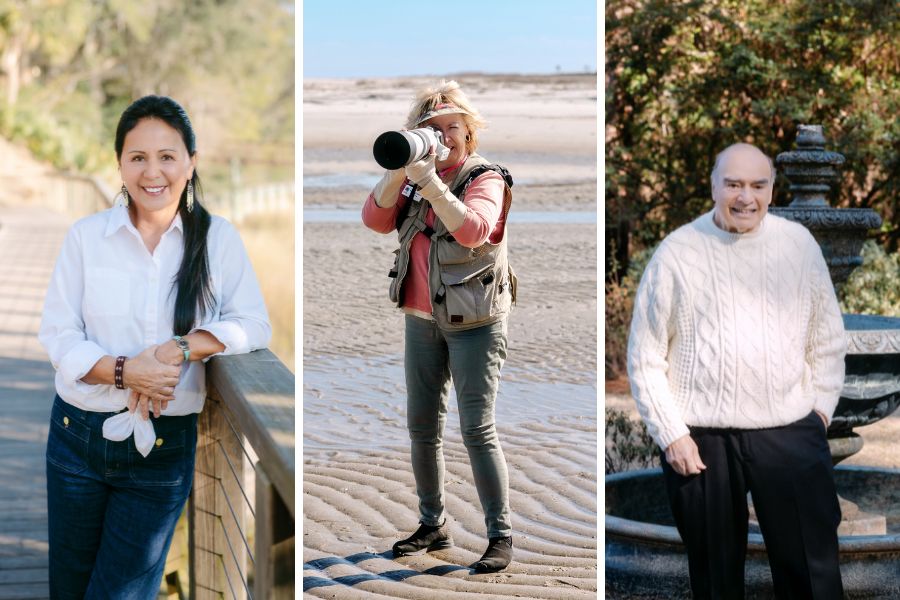
Spring has returned to Hilton Head and the Lowcountry, bringing warmer days, blooming landscapes and more reasons to get outside. Whether it’s birding along tidal marshes, cultivating a vibrant garden or finding natural ways to enjoy the outdoors bug-free, these local residents show how to embrace the season at its best.
Beating No-See-Ums Naturally in Bluffton
Maryanne Fearer and G’Bye G’nats
Not to start this love letter to spring on a down note, but we would be remiss if we didn’t point out the one drawback to warmer weather. Even as the mercury rises and the outdoors beckon, seasoned locals know that something is waiting in the sunshine and blooming foliage. They never really leave us, but in spring they remind us whose domain the Lowcountry really is.
They are gnats. They are legion. And in spring, they are hungry.
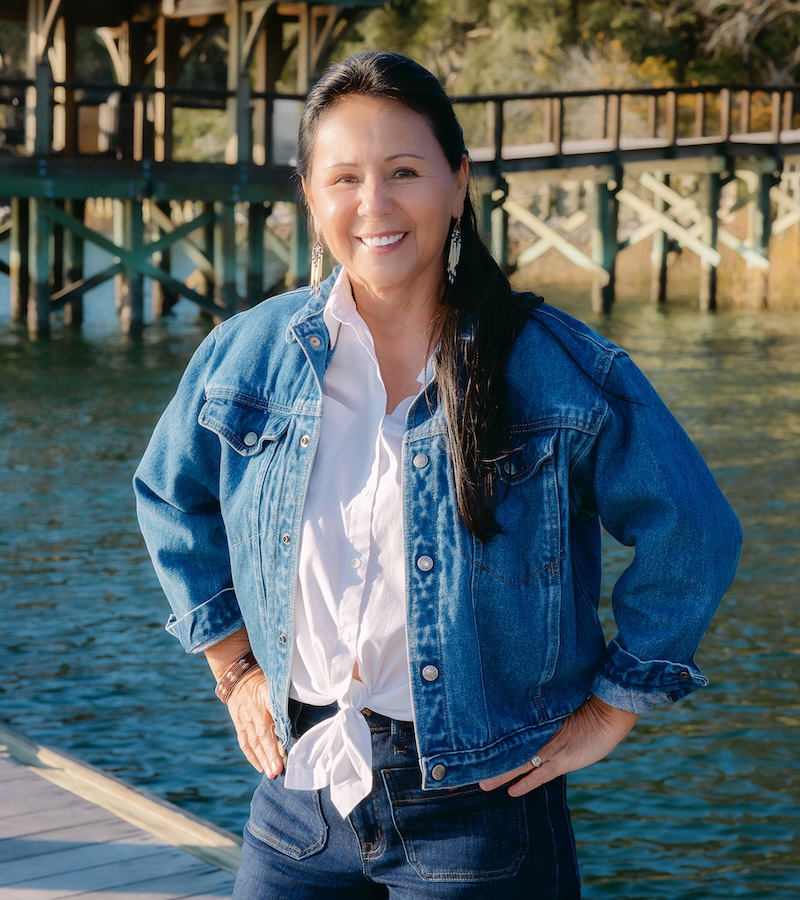
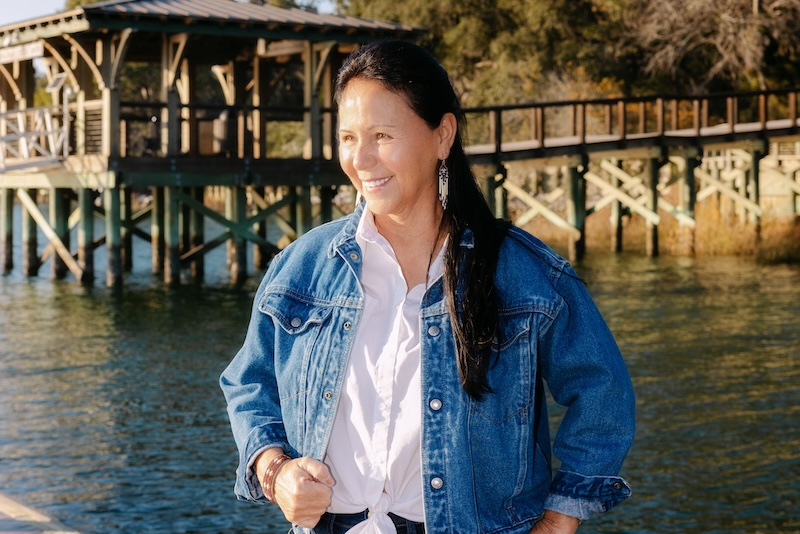
Like many of us, Maryanne Fearer was tired of being on the menu. But unlike most of us, she had years of esthetics experience and generations of cultural knowledge to draw from, and she fought back.
“I used to live on Hilton Head back in the ’90s, then moved back five years ago to Bluffton. I forgot how bad the bugs were. So I wanted to find out what the locals were using, and nothing worked for me or my family,” she said. “I was already making my own eco-friendly cleaning products and cosmetics for family and friends, so I knew I had the background. I started working on it.”
The solution she arrived at is called G’Bye G’nats, a no-see-ums’ worst nightmare — a repellent that actually works. The closely guarded formula draws inspiration from skincare ingredients Fearer used in her profession, as well as traditional bug-repelling herbs known for centuries.
“I’m a tribal member of the Cherokee Nation, and we use sweetgrass as a ceremonial herb, but it’s also an excellent bug deterrent,” she said. “I put that together with my skincare research. The first attempt wasn’t perfect, but I couldn’t get it out of my mind. I would go to bed thinking about it. I would wake up thinking about it. It was just something I had to do.”
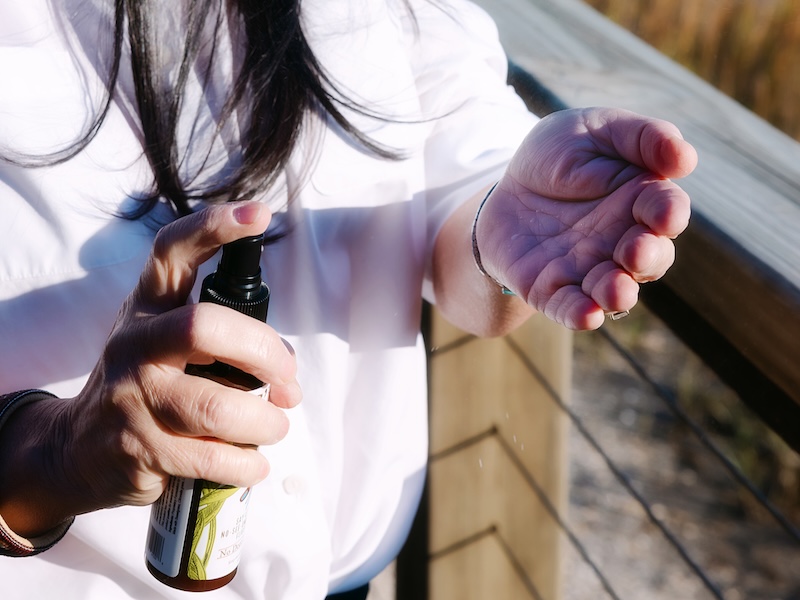
Finding a formula that kept bugs away while remaining safe for sensitive skin required extensive testing. Particularly helpful was Fearer’s daughter, someone gnats seem to gravitate toward. When it worked for her, Fearer knew she was on to something.
Today G’Bye G’nats is carried in more than 30 locations across the Lowcountry, as well as in Savannah and the Virgin Islands. Fearer still handcrafts each bottle. As spring approaches, she knows the long hours are worth it.
“It’s amazing to hear from baseball parents and cheerleading coaches who won’t go anywhere without it,” she said. “I’m so grateful for that and for the stores and farmers markets that carry it. I couldn’t do it without them.”
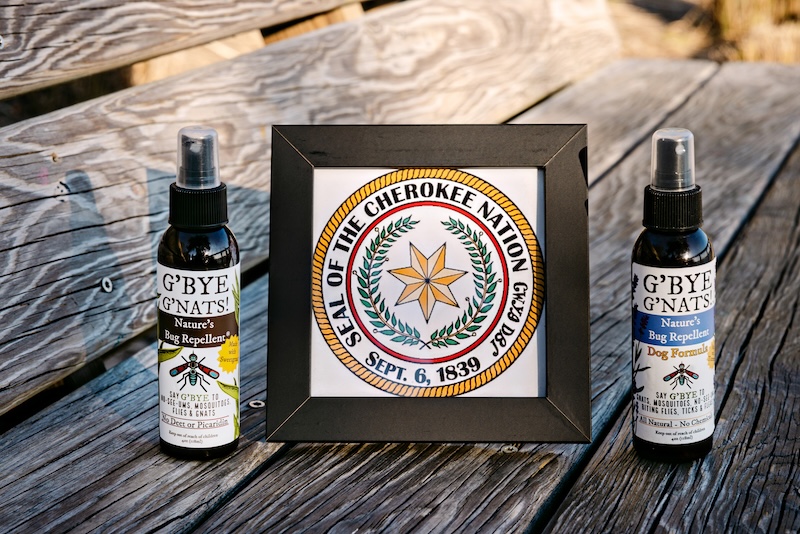
Yes, it’s true. We in the Lowcountry have a bug problem. Florida and Minnesota may brag about the size of their mosquitoes, but even the biggest mosquito can’t rival the skin-ravaging efficiency of the no-see-um. While a mosquito simply pierces the skin, a no-see-um leaves a welt that can dwarf a typical mosquito bite.
Still, we hardly have a monopoly on annoying insects.
“People from New Jersey and Maine were buying my product in January as Christmas presents,” Fearer said. “Knowing that it’s handmade and trademarked as a Certified Authentic Made by American Indians business gives people confidence. It’s 100 percent natural and actually beneficial to your skin. If you say it works, people want it to work.”
Find out where to buy yours at gbyegnats.com.
Birding Season in Hilton Head
Mary Alice Tartler, Master Birder
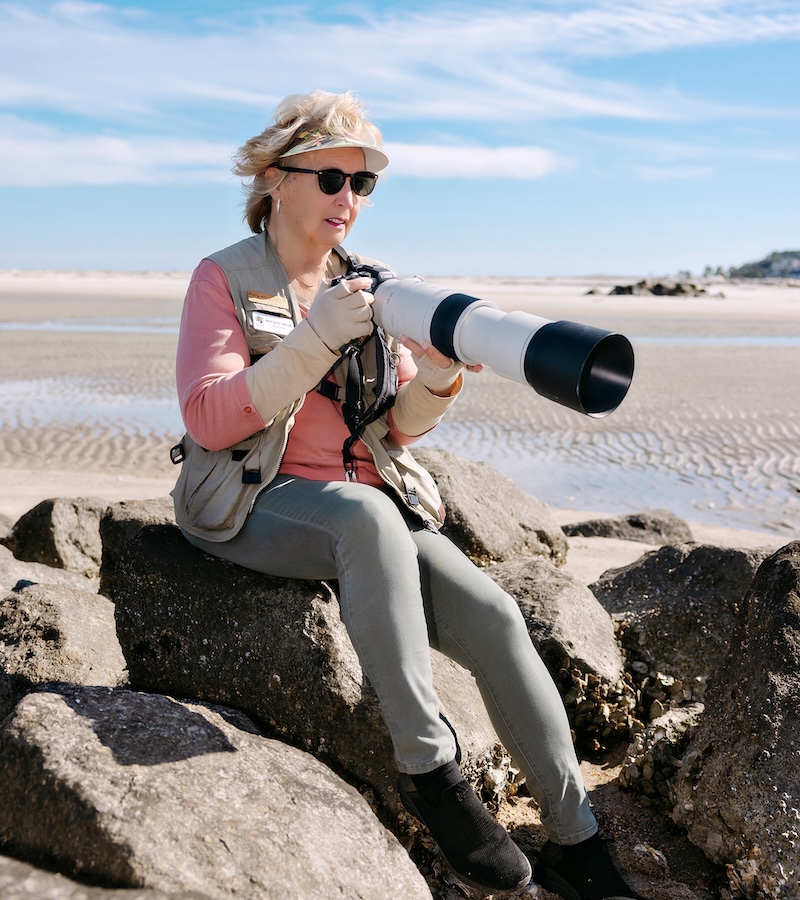
Along with warm spring breezes, the clearest sign that winter has retreated north is the music in the air. Trilling, chattering and lilting, bird calls become the season’s soundtrack.
For many, the return of migratory birds signals the reopening of a favorite pastime. For Mary Alice Tartler, birding has become far more than a hobby. It’s a calling.
“One of the first birds I ever saw that I just fell in love with was a ruby-crowned kinglet,” she said. “When they’re feeling feisty, they raise that red crown. When I saw that, I said, ‘Oh, I’m hooked.’ That was my spark bird.”
That spark added a new dimension to the photography she had pursued since youth. After retiring from 20 years at the Naval Hospital in Bethesda, Maryland, she immersed herself fully. She joined birding groups, upgraded her equipment, studied field guides and began leading talks and presentations.
“It really just evolved,” she said. “It gets me out of the house to do something I love.”
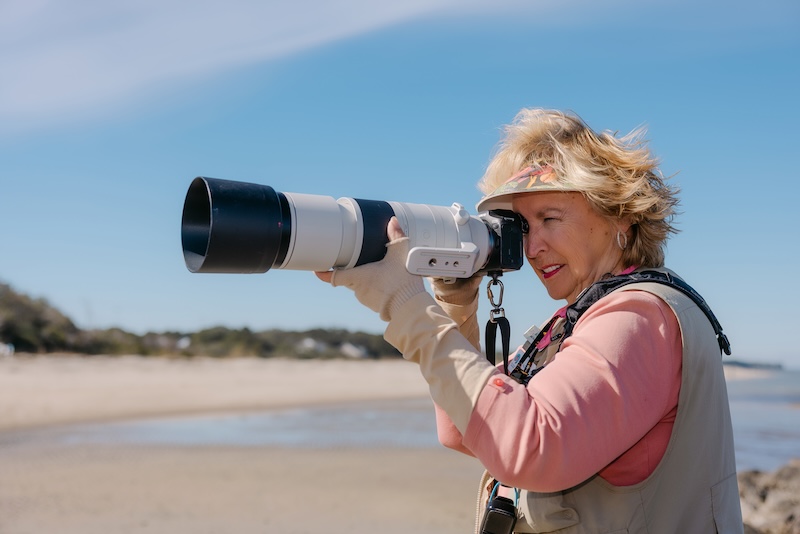
Earning the title of Master Birder from the Audubon Society, she contributes to conservation efforts through programs such as the International Shorebird Survey, Osprey Watch and the annual Christmas Bird Count. Her work has appeared in Birds & Blooms and the Peterson Field Guide to North American Bird Nests.
One photograph even documented a previously unconfirmed hybrid between a black-throated blue warbler and a yellow-rumped warbler, later accepted by Cornell’s Lab of Ornithology.
“That will probably be my legacy,” she said. “How lucky could a birder be?”
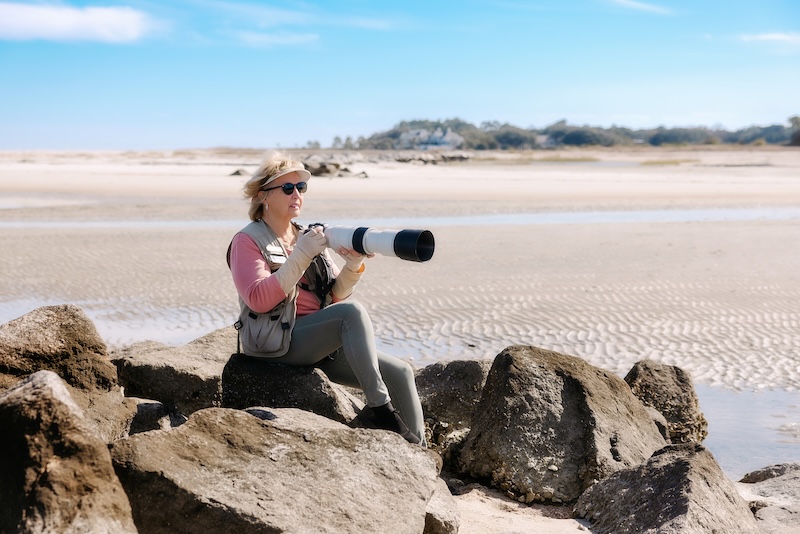
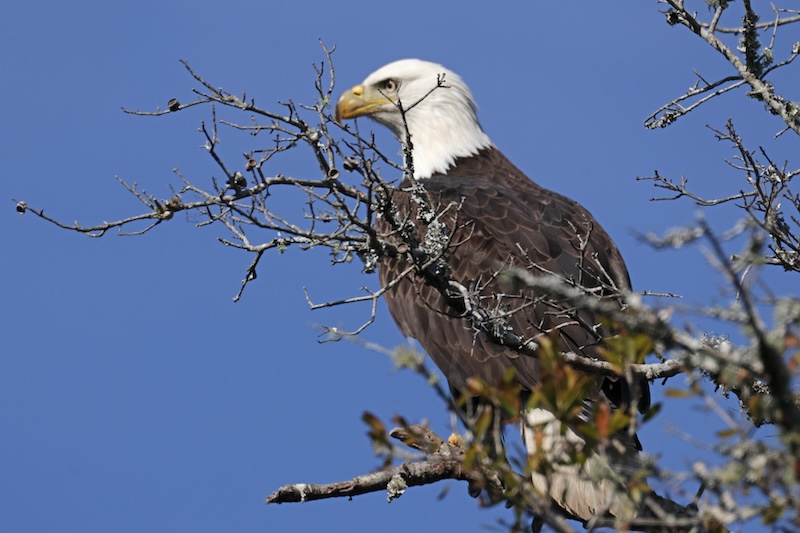
Mary Alice Tartler insists the bald eagle photo you see here is not among her best. In fact, she called it “absolutely awful.”
But the story behind it says more than technical perfection ever could.
“Oh my God. An eagle just landed 20 feet away from me,” she said during our interview. “Can I call you right back?”
Moments later, she returned to the call, apologizing unnecessarily.
“For the last four days, three juvenile eagles and an adult have been flying around my lagoon. I’ve been waiting for the adult to land right where he just did,” she said. “I couldn’t believe it happened at that moment.”
For a master birder, spring is never off the clock.
Spring Gardening in Hilton Head
Frank Turano’s Palmetto Hall Garden
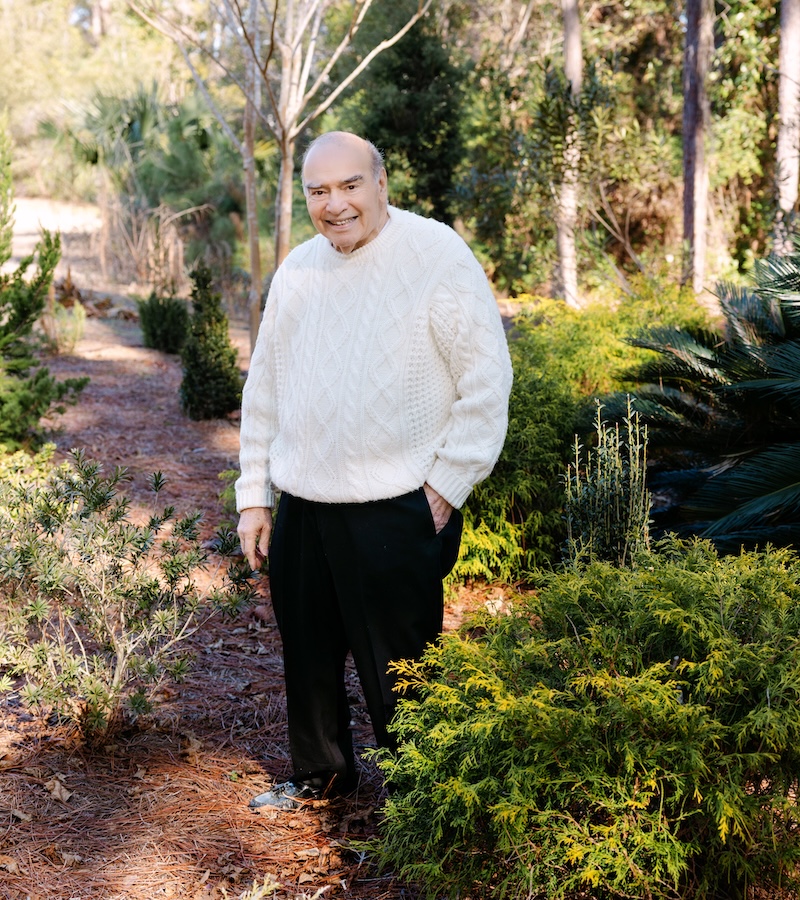
When Frank Turano moved into his Palmetto Hall home six years ago, he saw what others might have missed: possibility.
“There wasn’t a blade of grass or a single bush. I had an open canvas,” he said. “I got a general plan for the backyard, and then I started working on it.”
Today his garden is a layered composition of texture and color, from shaded evergreens to vibrant loropetalums. Native plants mingle with more unusual selections. A fountain anchors the space. Seasonal blooms rotate through the year.
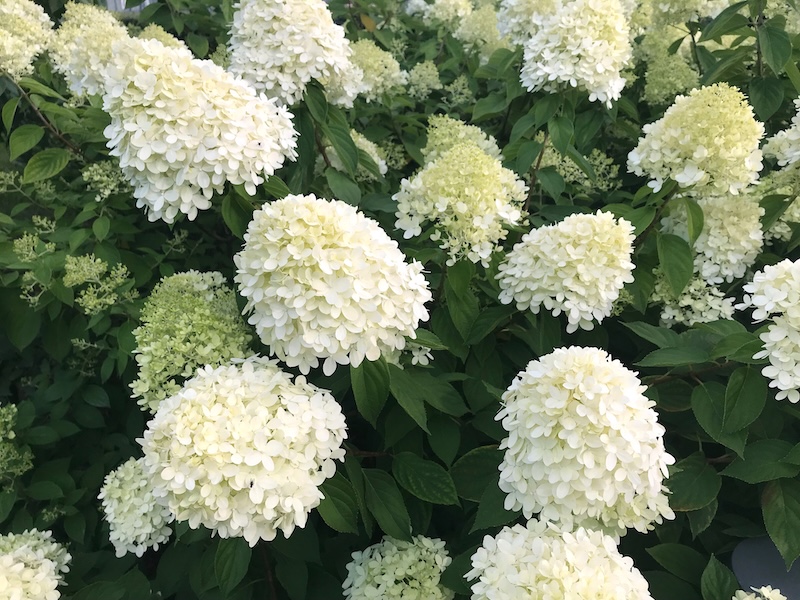
Having previously gardened in Port Royal Plantation and on Long Island, Turano understands adaptation. “Up north I planted rhododendrons,” he said. “Here you have to watch for deer.”
At 86, he still tends his yard personally, balancing his gardening passion with his professional roles as director of business development for Alliance Consulting Engineers and chair of the Hilton Head PSD Commission.
“That keeps me sharp,” he said. “But the yard is what relaxes me. I can just get lost in it.”
And is it ever finished?
“Every year I add to it,” he said. “This year I’m adding two wisteria trees for more color up front.”
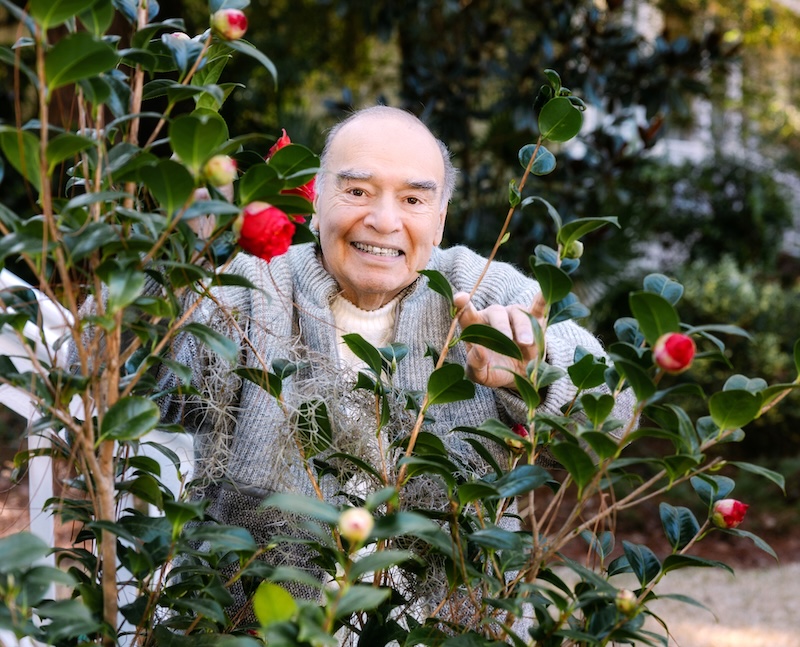
As an avid gardener, Frank Turano has crafted meticulously landscaped yards in Palmetto Hall, Port Royal Plantation and Massapequa, New York.
His advice for Lowcountry gardeners?
“Take a year and study your property. Depending on where you are on Hilton Head, you could be in Zone 9A or 9B. That makes a difference,” he said. “Start with deer-resistant plants, but remember, if they’re hungry enough, they’ll still eat them.”
He also recommends planning for height and layering.
“You want the tallest elements farthest from the house, then work inward with shrubs and texture,” he said. “Azaleas make great borders and focal points. In the fall and winter, camellias carry the color.”
In the Lowcountry, spring may arrive gently. But with the right hands at work, it can bloom boldly.
Frequently Asked Questions About Spring in the Lowcountry
When does spring start in Hilton Head?
Spring in Hilton Head typically begins in March, bringing warmer temperatures, blooming azaleas and an increase in pollen and insect activity.
What are the best outdoor activities in the Lowcountry during spring?
Popular spring activities include birding, gardening, visiting farmers markets, walking beach trails and exploring maritime forests.
Are no-see-ums worse in spring?
Yes. As temperatures rise in the Lowcountry, no-see-ums and other biting insects become more active, especially near marshes and shaded areas.
What plants grow best in Hilton Head during spring?
Azaleas, camellias, loropetalum, crepe myrtles and deer-resistant shrubs thrive in Hilton Head’s Zone 9A and 9B climate.