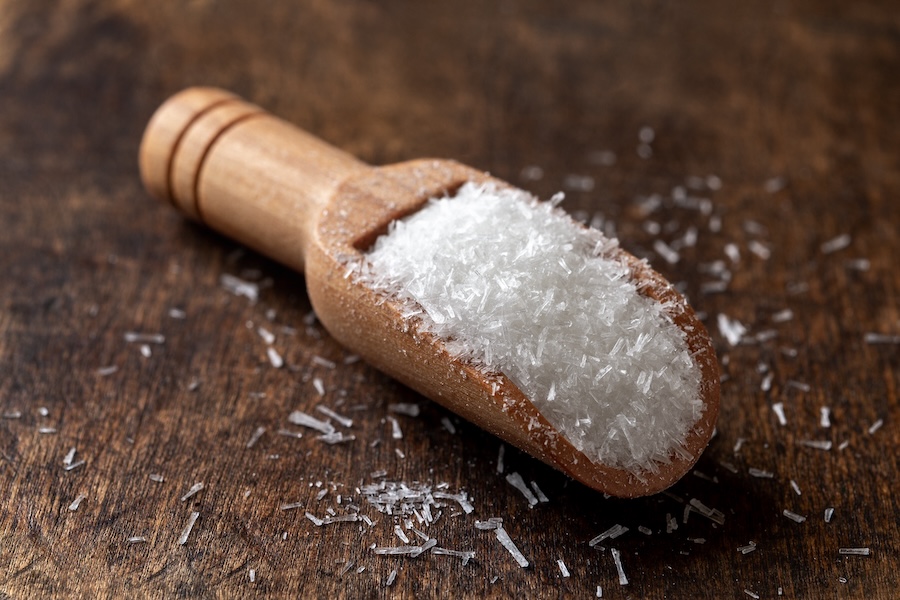
What Is MSG? The Truth About the Misunderstood Flavor Enhancer
MSG -The misunderstood flavor enhancer
Few ingredients spark as much debate as MSG. Short for monosodium glutamate, it’s a seasoning that enhances umami, the savory depth that makes foods taste richer and more satisfying. Chef Benjamin Harris of The Sea Pines Resort says its reputation has long overshadowed its actual role in cooking. “It’s got this weird connotation with it,” he says. “Just a light little sprinkling adds to that umami flavor in anything.”
Rather than masking flavor, MSG amplifies it. Tomatoes taste brighter, meats become deeper and soups, sauces and vegetables develop a fuller flavor. Glutamate also occurs naturally in foods like Parmesan cheese, mushrooms, tomatoes and seafood, while commercial MSG is typically produced through fermentation.
In the kitchen, MSG can be added to marinades, spice blends, soups, roasted vegetables and grilled meats, or sprinkled on finished dishes. “I love it. It’s in my cabinet all the time,” Harris says. “It just adds richness to anything you’re eating.” Because it delivers so much flavor in small amounts, MSG can also help reduce overall sodium without sacrificing taste.
Although outdated claims once damaged its reputation, decades of research and major health organizations now support MSG as safe in normal culinary use. For home cooks, the key is moderation. Used thoughtfully, MSG is less a mystery ingredient and more one of the kitchen’s most effective flavor enhancers.
MSG myths vs. facts
Here’s a quick look at some of the biggest myths surrounding MSG and what the science actually says.
Myth: MSG is artificial
Fact: Glutamate occurs naturally in foods like tomatoes, mushrooms, Parmesan cheese and seafood. Commercial MSG is typically produced through fermentation, much like yogurt or sourdough bread.
Myth: MSG is loaded with sodium
Fact: MSG actually contains about one-third the sodium of table salt, which means cooks can often use less sodium overall while still boosting flavor.
Myth: MSG causes health problems
Fact: Decades of research and major health organizations have found MSG to be safe in normal culinary use, despite the ingredient’s long-running reputation.
Myth: MSG makes food taste salty
Fact: MSG doesn’t primarily add saltiness. It enhances umami, the savory, mouthwatering depth that makes foods taste richer and more satisfying.
Myth: Only processed foods contain MSG
Fact: While MSG is used in packaged foods, chefs also use it in soups, marinades, sauces, vegetables and grilled meats to build deeper flavor.