Wild Mushrooms in the Lowcountry: When to Find Them and How to Use Them
The forest’s hidden harvest: When spring rains arrive, wild mushrooms emerge
Foraging for wild mushrooms is one of the most rewarding ways to connect with the Lowcountry’s natural landscape, but it also requires experience, patience and caution. Michael Anthony’s Cucina Italiana Chef de Cuisine Robby Colson knows this firsthand. A native of Maine and a licensed mushroom forager, Colson has spent years learning how to safely identify and harvest wild varieties. His advice for beginners is simple: be careful and be educated. Consuming the wrong mushroom can be dangerous or even deadly, so proper knowledge is essential before attempting to forage on your own. Still, whether gathered in the forest or sourced through trusted suppliers, mushrooms remain one of the most versatile ingredients in the kitchen. For chefs like Colson, the connection between the forest floor and the dinner plate is part of what makes them so special.

Chicken of the woods mushrooms grow in thick, shelf-like clusters on decaying hardwoods throughout the Southeast. Known for their meaty texture and mild flavor, they are a prized edible among experienced foragers and chefs who value their versatility in the kitchen. 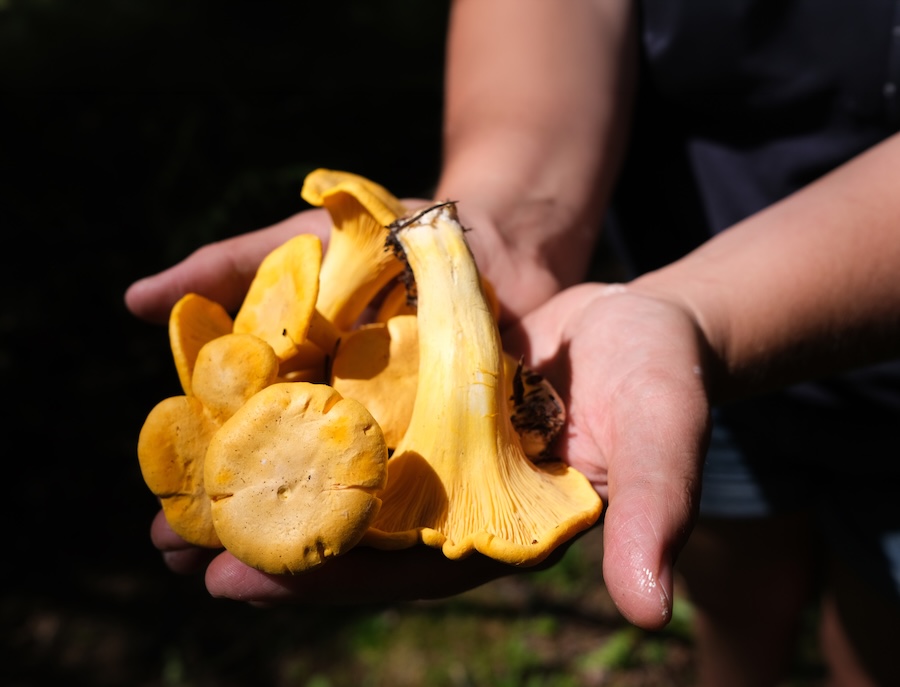
Chanterelle mushrooms, prized for their golden color and delicate, earthy flavor, often appear in Lowcountry forests in late spring and summer, especially near oak trees. Their trumpet shape and ridged undersides make them a favorite among chefs and foragers, but caution is essential. Toxic look-alikes such as the jack-o’-lantern mushroom also grow in the region, making proper identification critical before harvesting. 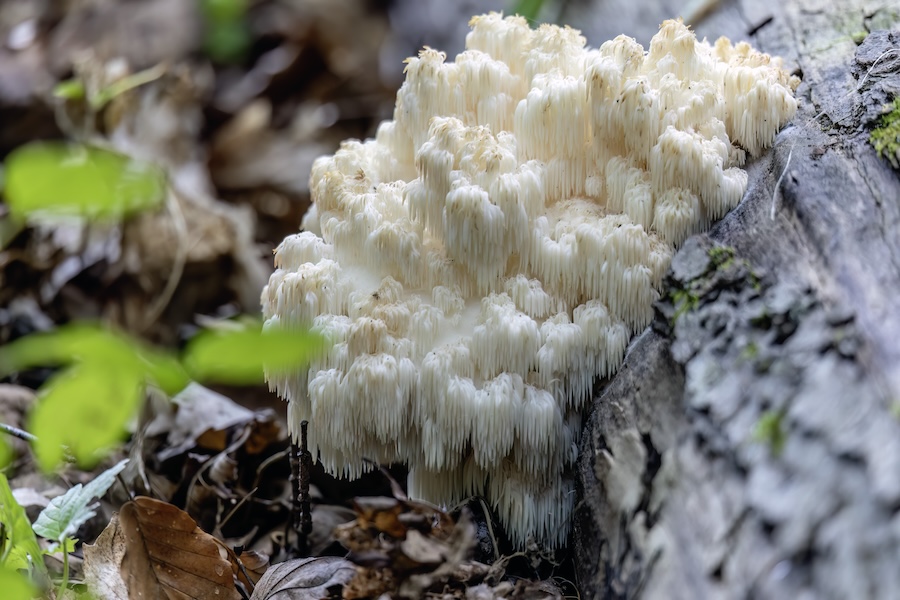
Lion’s mane mushrooms grow in cascading white clusters on hardwood trees and fallen logs. Known for their delicate, seafood-like flavor and shaggy appearance, they are prized by foragers and chefs alike for both their unique texture and culinary versatility.
’Tis the season
According to Colson, the best time to begin looking for mushrooms in the Lowcountry is late spring. After winter moisture and steady spring rains saturate the forest floor, underground fungal networks known as mycelium begin producing mushrooms. By late May, conditions are often ideal for several species to emerge.
“Around the end of May is when I usually go inland where there are a bunch of oak trees,” Colson says. “These oak trees are the heart of my foraging for more than 10 species and varieties.”
Under and around these trees, foragers may find chanterelles, chicken of the woods and lion’s mane, all of which thrive in the shaded, nutrient-rich soil beneath the canopy.
Timing is everything
Early morning is often the best time to forage. Temperatures are cooler, and mushrooms are easier to spot before the day’s heat and humidity set in. In South Carolina’s climate, the combination of humidity and rising temperatures, can make foraging physically demanding later in the day.
“I spend the early morning getting mushrooms because the heat and humidity can be intense,” Colson says. “But you still run into pests like mosquitoes, spiders, ticks and snakes.”
Proper clothing, insect protection and awareness of your surroundings are essential for a safe outing.
Handling the harvest
Once mushrooms are brought home, proper storage helps preserve their flavor and texture. Colson recommends keeping them in a cool, dry place such as the refrigerator, with plenty of air circulation. Paper or cloth bags work well, as do containers lined with paper towels. Avoid the crisper drawer, which tends to be too humid. It’s also best not to wash mushrooms until you’re ready to cook them, since rinsing too early can shorten their shelf life.
Mushrooms in the kitchen
Many mushrooms Colson works with appear regularly in Italian cooking. Among the most common varieties used in professional kitchens are portobello, shiitake, chanterelle, oyster, morel and porcini mushrooms. Each offers its own flavor and texture, from the rich, beefy taste of portobellos to the earthy brightness of chanterelles. Because mushrooms naturally contain a lot of water, they cook quickly. Overcooking can cause them to lose flavor and develop a soft texture.