Why Cumin Is the Ultimate Hidden Weapon in Barbecue Rubs and Sauces
Secret ingredient
Story by Steven Stempel

When most people think of barbecue seasonings, staples like brown sugar, paprika, garlic and black pepper usually come to mind. But according to Steven Stempel, owner of the new event venue Venue on Park Lane and a longtime restaurateur, one of the most powerful flavor boosters in the spice cabinet often goes overlooked: cumin.
When I think of bold barbecue flavors, my mind goes straight to the usual suspects: brown sugar, paprika, garlic, onion powder and black pepper. But there’s one secret weapon in the spice rack that consistently makes people stop mid-bite and ask, “What did you put in this?” That ingredient is cumin.
Used correctly, cumin doesn’t make your pulled pork taste like tacos. Instead, it acts as a flavor amplifier, tying together smoke, spice and meat in a way that creates incredible depth and complexity.
To understand why cumin works so well on the grill, it helps to look at history. Cumin has been part of human cooking for thousands of years, dating back to the ancient kitchens of the Fertile Crescent, the Mediterranean and the spice markets of India. For generations, people have paired this earthy seed with fire and meat, making its warm, aromatic profile feel deeply familiar and universally appealing.
Part of cumin’s magic comes from a naturally occurring compound called cuminaldehyde, which gives the spice its distinctive aroma. On its own, cumin can taste sharp and earthy. But under the slow heat of a smoker or the high heat of a grill, it transforms beautifully. It bridges the gap between wood smoke and the natural richness of meat, especially fattier cuts like pork shoulder and brisket.
When added in small amounts to a traditional barbecue rub, cumin acts as an anchor. It balances the sweetness of brown sugar, cuts through the richness of rendered fat and adds a savory depth that makes flavors feel more complete. Most people won’t identify cumin immediately. Instead, they’ll simply wonder why everything tastes better.
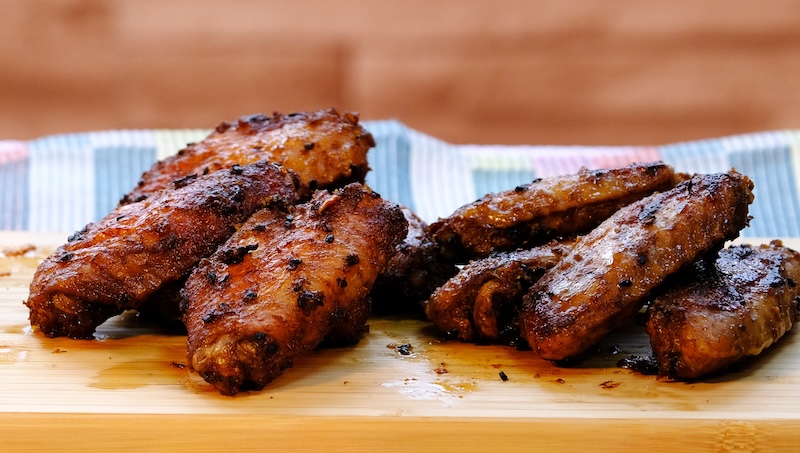
To use cumin on the grill
If you want to experiment with cumin as your secret ingredient, here are four ways I like to use it:
1. Lowcountry pork rub upgrade. Pork fat loves cumin. When smoking pork butt or ribs, add about a tablespoon of ground cumin to your usual paprika-and-brown-sugar rub. It balances sweetness while helping develop a darker, more savory bark.
2. Texas brisket booster. Traditional Texas brisket relies on a simple salt-and-pepper “Dalmatian rub.” Adding just a small pinch of finely ground cumin enhances the brisket’s natural beefy, umami flavor without overpowering its classic bark.
3. Better homemade BBQ sauce. When making a tomato- or vinegar-based barbecue sauce, a touch of toasted cumin adds complexity and depth. It transforms a basic sauce into something richer, more layered and far more memorable.
4. Chicken’s best friend. Chicken can sometimes disappear beneath heavier smoke flavors. A rub combining cumin, coriander and brown sugar creates an aromatic profile that pairs especially well with fruitwoods like apple or cherry.
The key is moderation. Cumin should act like a background musician, not the lead singer. When it quietly blends into the smoke, seasoning and meat, that’s when the magic happens. And when dinner ends with everyone asking for seconds, you know you got it right.