Food Pairing Guide: How to Combine Flavors Like a Chef
Simple principles that help ingredients bring out the best in one another
Great cooking isn’t just about following recipes. It’s about understanding why certain ingredients bring out the best in one another. Some pairings succeed because they balance opposing flavors, while others work because they share similar aromatic compounds that naturally complement each other. Texture, temperature and even nutrition also influence how foods work together. Learn a few simple principles, and you’ll start creating delicious combinations with confidence.
Balance the five basic tastes
The most satisfying dishes combine several of the five basic tastes: sweet, salty, sour, bitter and umami. When one flavor feels overwhelming, its opposite often restores balance.
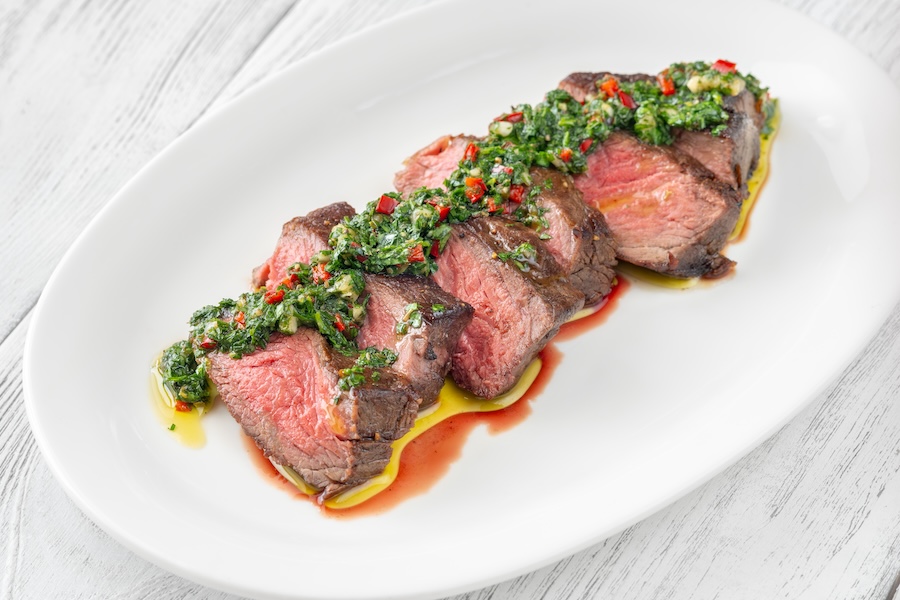
Rich or fatty + acidic: Lemon juice, vinegar and citrus brighten rich foods. Try steak with chimichurri, fried seafood with lemon or avocado with lime.
Sweet + salty: Salt intensifies sweetness, while sweetness softens saltiness. Think watermelon and feta, bacon with maple syrup or salted caramel.
Spicy + creamy: Dairy and healthy fats tame heat. Sour cream, yogurt and coconut milk all help mellow spicy dishes.
Bitter + sweet: A touch of sweetness balances bitterness. Honey on roasted Brussels sprouts or maple syrup in coffee are simple examples.
Find natural flavor partners
Many classic pairings work because the ingredients share similar aromatic compounds, creating flavors our brains naturally recognize as harmonious. Some timeless combinations include:
- Tomatoes + basil
- Strawberries + basil
- Chocolate + coffee
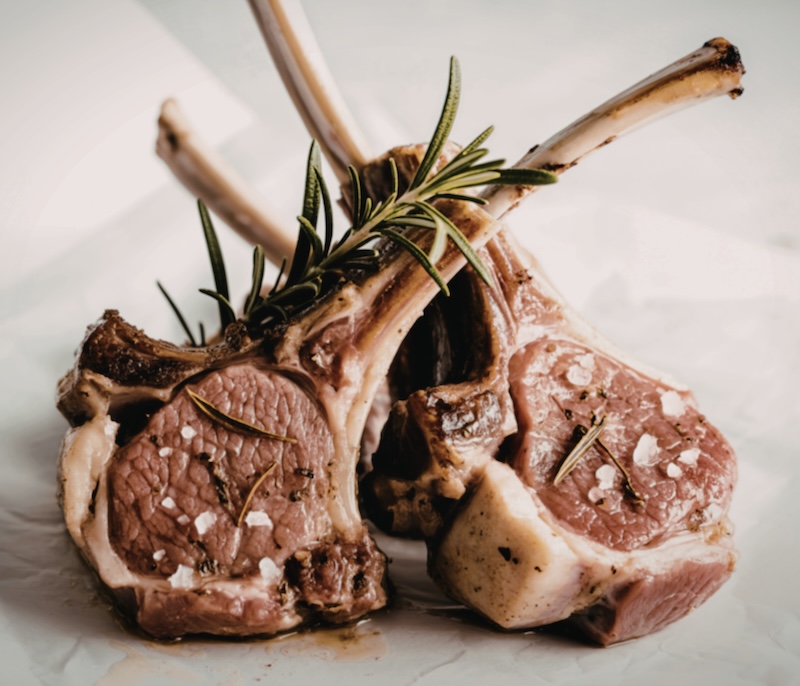
- Lamb + rosemary
- Seafood + lemon
- Apples + cinnamon
- Peaches + vanilla
- Mushrooms + thyme
Chefs have also uncovered surprising matches, including white chocolate with caviar, chocolate with blue cheese, fried chicken with Champagne and even beef with coffee.
Create contrast
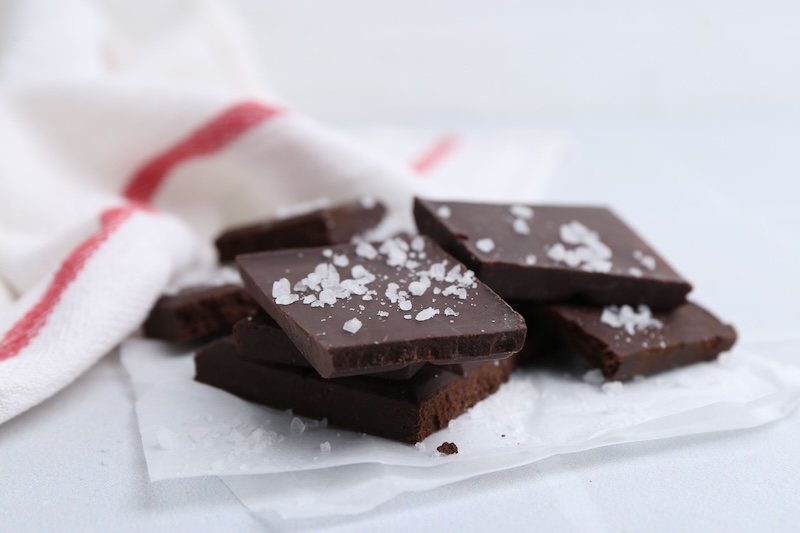
Flavor is only part of the equation. Great dishes combine contrasting textures and temperatures to make every bite more interesting. Pair creamy with crunchy, crispy with tender or warm with cool. Toasted nuts add crunch to salads, crispy breadcrumbs bring texture to pasta and fresh herbs brighten rich soups. Even a sprinkle of flaky sea salt over dark chocolate creates a delicious contrast, enhancing sweetness while balancing bitterness with a satisfying crunch.
Pair for better nutrition
Some foods help your body absorb nutrients more effectively.
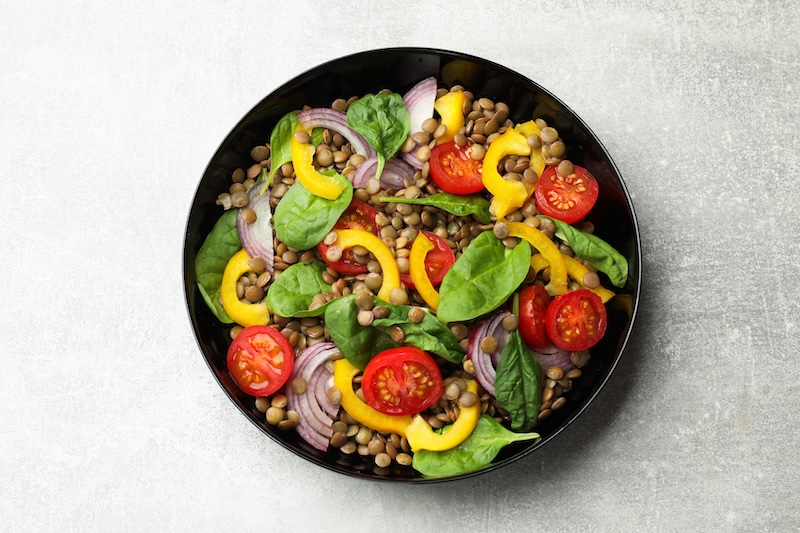
- Pair spinach or beans with citrus or bell peppers to boost iron absorption.
- Serve tomatoes with olive oil to increase absorption of lycopene.
- Enjoy carrots, leafy greens and sweet potatoes with healthy fats like avocado or extra-virgin olive oil to help absorb vitamins A, D, E and K.
Trust your taste buds
Food pairing is part science, part creativity. Flavor principles provide a great starting point, but your palate is the best guide. Taste as you cook, experiment with new combinations, and don’t be afraid to break the rules. Many of the world’s favorite dishes began with someone willing to try something unexpected.