A Taste of Superstition: The Folklore Behind 10 Food Traditions
Humans have always been a superstitious bunch. We knock on wood, avoid walking under ladders, eye black cats with suspicion and think twice before opening an umbrella indoors. So, naturally, some of our strangest beliefs have followed us into the kitchen and gathered around the dinner table. For centuries food has represented far more than sustenance. It has been used to summon good fortune, predict marriages, protect against evil, encourage prosperity and even promise a longer life. Many of these beliefs have faded into folklore, but the rituals they inspired are still surprisingly familiar. Why do we break wishbones, throw salt over our shoulders and blow out birthday candles? Here’s the history behind some of the culinary superstitions we just can’t seem to shake.
Food Folklore
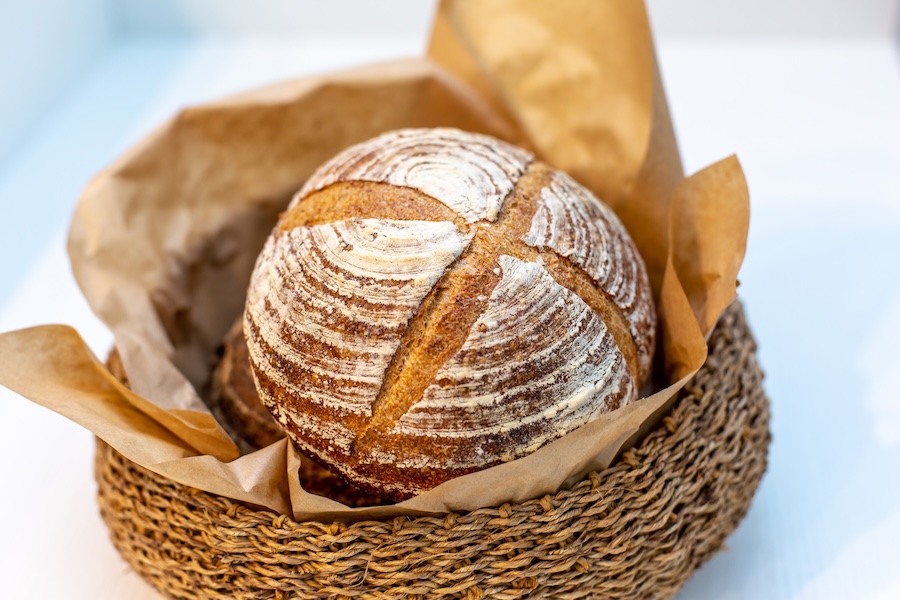
Score a Cross Into Your Bread
The superstition: A cross keeps the devil away from your dough.
Scoring bread helps it expand as it bakes, but medieval European bakers gave the practice a supernatural purpose too. Cutting a cross into dough was believed to bless the bread and keep evil forces from interfering with the loaf.
Break a Wishbone
The superstition: Get the bigger half and your wish comes true.
The tradition is often traced to the ancient Etruscans, who considered chickens lucky and reportedly preserved their wishbones so people could touch them while making wishes. The custom eventually evolved into two people pulling the bone apart, with the larger piece earning its owner a wish.
Throw Salt Over Your Shoulder
The superstition: Spill the salt and bad luck is coming unless you toss some over your left shoulder.
Once an extremely valuable commodity, salt has long symbolized preservation, friendship and protection. Throwing spilled salt over the left shoulder was said to repel or blind an evil spirit lurking behind you.
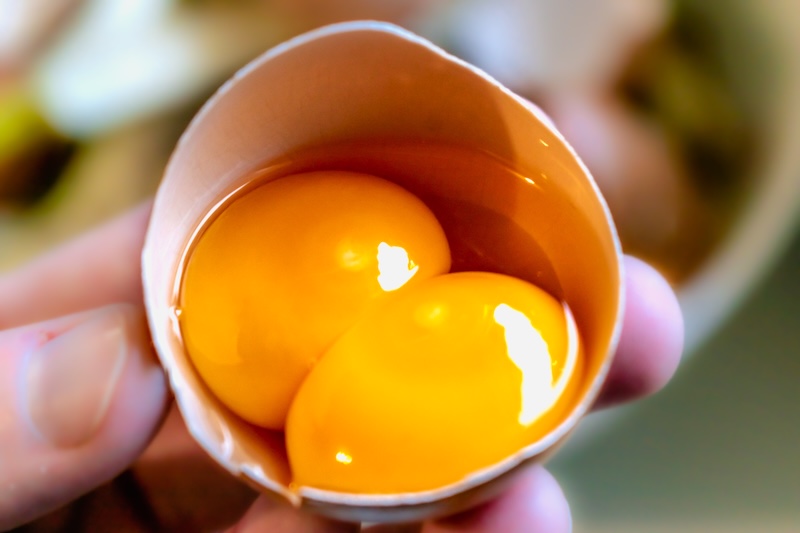
Crack Open a Double Yolk
The superstition: Two yolks could mean twins or a wedding.
A double-yolk egg has long inspired predictions about what comes next, with folklore linking the unusual find to marriage or the birth of twins. In reality, it simply happens when a hen releases two yolks in quick succession, but that’s not nearly as fun.
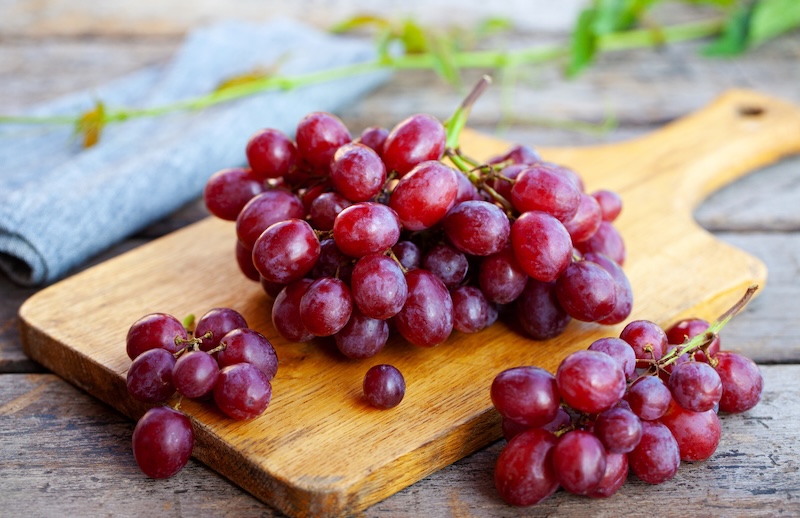
Eat 12 Grapes at Midnight
The superstition: Twelve grapes bring 12 months of good luck.
In Spain and parts of Latin America, revelers eat 12 grapes as midnight arrives on New Year’s Eve. Each represents one month of the coming year and a wish for good fortune throughout it.
Blow Out Your Birthday Candles
The superstition: Make a wish and blow out every candle in one breath.
Ancient Greeks offered round, illuminated cakes to Artemis, goddess of the moon, while the German tradition of Kinderfest later helped establish candles on birthday cakes. Eventually, blowing them out while making a wish became part of the celebration, with the smoke said to carry wishes toward the heavens.
Keep Garlic Close
The superstition: Garlic keeps vampires, demons and other evil forces away.
Garlic’s supernatural reputation predates Dracula. For centuries it has been associated with protection from evil in cultures across Europe and beyond. In Greece garlic has traditionally been used to ward off the evil eye and is sometimes hung near entrances for protection.
Don’t Cut Your Noodles
The superstition: Long noodles mean a long life.
Longevity noodles have been eaten during Chinese birthdays and other celebrations for centuries. Their length represents longevity, making cutting or biting through them symbolically unlucky. Slurping is encouraged.
Eat Black-Eyed Peas on New Year’s Day
The superstition: Black-eyed peas bring luck and prosperity.
This beloved Southern New Year’s tradition has accumulated several origin stories over time, including Civil War-era tales connecting the humble peas with survival during food shortages. Today they’re often joined by greens for money and golden cornbread for wealth.
Beware of 13 at the Table
The superstition: Thirteen dinner guests are bad luck.
One explanation points to the Last Supper and its 13 diners, while Norse mythology tells of a feast disrupted when Loki arrived as an uninvited 13th guest. Either way, you might want to find one more dinner guest.