How to Garden Smarter in the Lowcountry Heat
A thriving summer garden starts with careful timing, a little patience and plenty of lemonade.
Story by Alea Wilkins and Suzanne Barton
Key Points
● Plants, like people, can get burnt from prolonged sun exposure. Pay close attention to detect any sun spots.
● Gardeners should always wear sunscreen, a hat and sunglasses to protect themselves when working outdoors.
● Avoid gardening between 11 a.m. and 2 p.m., the hottest parts of the day.
Lowcountry gardeners already know to watch out for overheating plants this time of year, but The Green Thumb’s Suzanne Barton advises that it’s not only gardens in need of extra protection. As summer heats up, Barton shares how local growers can take advantage of the season rather than merely survive it. Instead, it becomes the perfect excuse to sit back, sip homemade lemonade and appreciate all of your hard work.
[LOCAL Life] Can plants get sunburned?
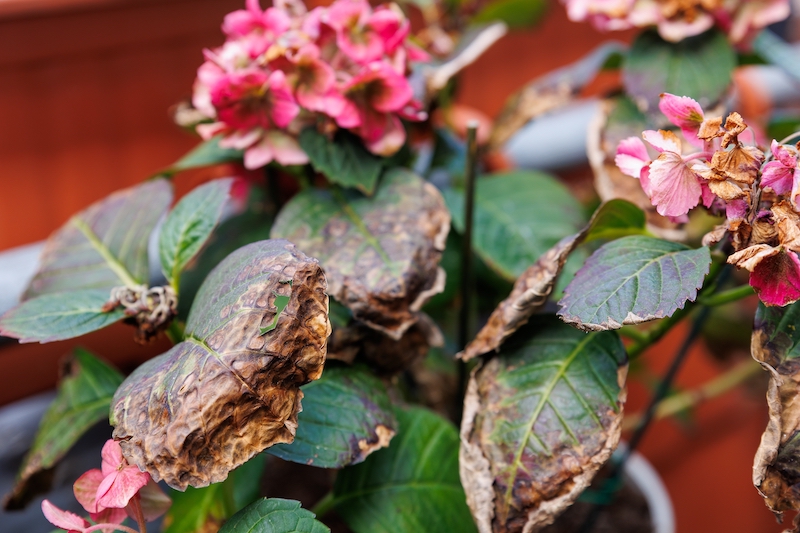
[Suzanne Barton] Absolutely. Plants exposed to too much sun are at risk of leaf scorching, which can appear as brown, patchy areas on foliage. Depending on how dry our weather is, you may need to bump up your weekly watering routine, and you can protect extra-sensitive plants with makeshift “canopies.” Prop a piece of cloth over poles, gardening tools or even chopsticks to give them a patch of shade. It sounds silly, but it can really save your plants in the long run.
[LL] What are some best practices for gardening in July?
[SB] July is the hottest month of the year, so we need to protect both our plants and ourselves with extra care. Always wear sunscreen, a hat and eye protection, and avoid gardening between 11 a.m. and 2 p.m. This is the hottest part of the day, and plants, like us, are under the most stress during these hours, so it is not the best time to be out in the garden. Enjoy the shade, then come back later.
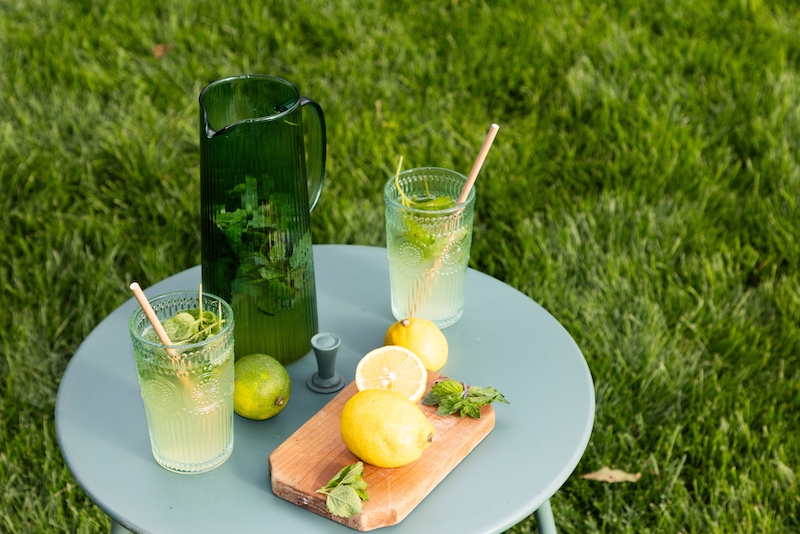
of your choice. A handful of herbs from the garden turns a simple sip into summer in a glass.
[LL] What should I do while I wait?
[SB] Sip on some homemade lemonade! All you need are lemons, which grow easily around here, water and a sweetener of your choice. I prefer agave nectar over traditional simple syrup since it does not require turning on the stove in the heat. Stir everything together, and you have a classic, refreshing drink. Try adding garden-grown ingredients like mint, strawberries or limes for an extra punch.
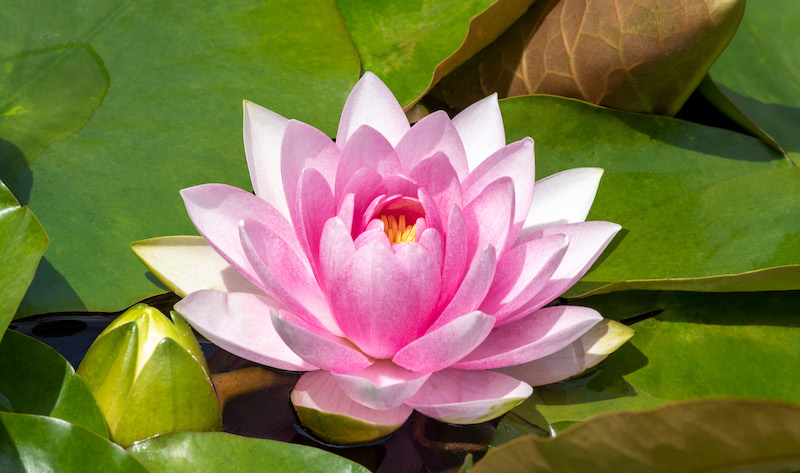
July birth flower: Water lily
Floating in the stillness of ponds and wetlands, water lilies paint an idyllic picture of serenity. July’s birth flower, symbolizing peace and tranquility, evokes calm through its delicate blooms, each geometric petal unfolding above the green blanket of lily pads and cool, glass-like water below. In Lowcountry gardens Suzanne Barton’s favorite way to appreciate the flower is atop a koi pond. She recommends installing a pond at least three- to four-feet deep to help slow algae growth and keep fish and plant roots cool below the surface. Above, a dapple of pink petals or the flash of an orange fin creates a picturesque moment of calm.
What’s in bloom in July?
Summer has arrived in full force. Celebrate the season with these vibrant July blooms, each bringing a fresh burst of color, texture and life to your backyard.
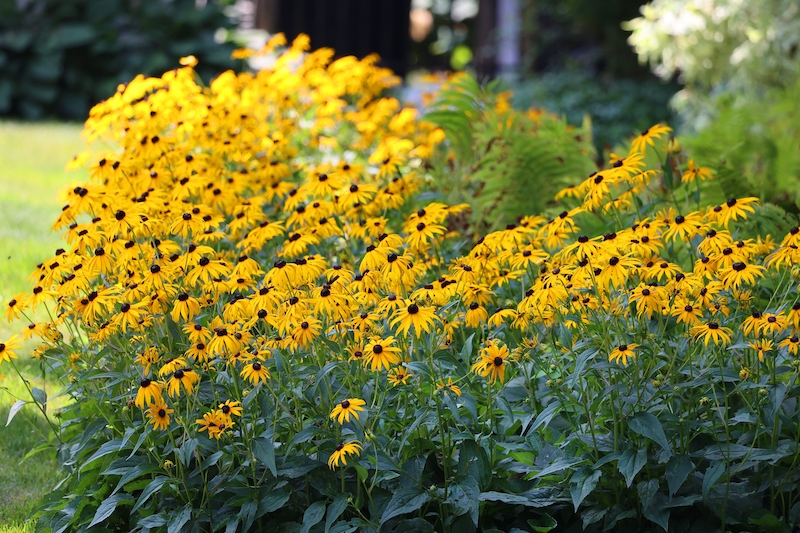

Annuals: Vinca, lantana, pentas
Perennials: Rudbeckia, echinacea, gaillardia, salvia