Inside the Gullah Healing Traditions of the Sea Islands
How plants, faith and generations of knowledge shaped Sea Islands’ healing traditions
Story by Marie McCaa
Across the Sea Islands, sources of healing once grew as close as the woods, fields and marsh edges. Leaves, roots, bark and berries became remedies in the hands of people who knew where to find them, how to prepare them and when to use them. That knowledge was passed through families, elders and informal apprenticeships, blending plant medicine, faith and spiritual traditions into a system of care shaped by generations of Gullah/Geechee people.
Historian Deirdre Cooper Owens grew up hearing stories about that knowledge. Her grandfather, King Solomon Cooper, told her about his grandmother, Grandma Polly, whom he remembered as a root doctor and healer. Cooper Owens remembers hearing how Polly gathered plants with her grandchildren. Her grandmother remembered a different side of Polly, illustrating how the role of a root doctor could encompass both physical healing and spiritual practices.
“You have the power to heal, but you might also have the power to curse in a kind of supernatural world,” Cooper Owens said.
For Cooper Owens, that complexity was part of a larger system of community care.
“Black people had to rely on each other and then had to rely on the healers and doctresses and doctors in their community, even if those people did not have the formal titles,” she said.
Knowledge could be acquired through family, apprenticeship, heredity or a “call.” African, Indigenous and European practices came together through contact, settlement, slavery, trade and a shared environment, creating an evolving body of knowledge shaped by the people and landscape of the Lowcountry and Sea Islands.
What’s in a root doctor’s medicine cabinet?
Along the Sea Islands, leaves, bark, roots and berries became part of a household system of care. Knowing the plant was only part of the equation. Healers also understood which part to use and how it was traditionally prepared.
In the early 1970s medical anthropologist Faith Mitchell began documenting that knowledge on Wadmalaw Island. There was no medical facility on the island, she recalled, and the nearest clinic was on Johns Island. Without public transportation, Mitchell walked the roads with residents who identified plants and explained their uses. For Mitchell, documenting that knowledge became urgent. Many of the elders she interviewed belonged to generations whose knowledge had largely been passed down orally.
“I could be of service if I write this down and publish it because these older people don’t really have anybody to pass this information along to,” Mitchell said.
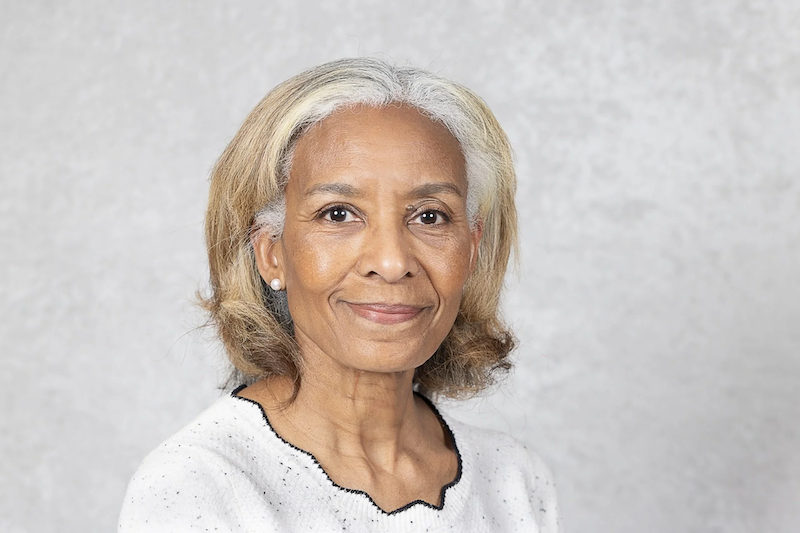 Medical anthropologist Faith Mitchell began documenting Gullah herbal traditions in the Sea Islands in the 1970s, gathering firsthand knowledge from people who practiced natural healing. Her research became the book Hoodoo Medicine: Gullah Herbal Remedies, a pioneering record of more than 50 medicinal plants and materials and the traditions surrounding their use. ©FAITH MITCHELL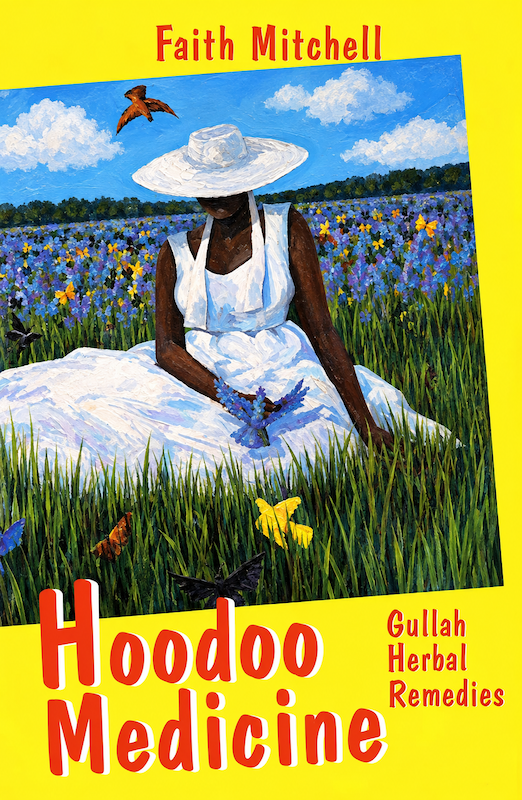
Her research eventually became the 1978 book Hoodoo Medicine: Gullah Herbal Remedies, which documents Gullah herbal knowledge and more than 50 plants and other materials. Depending on the plant and its purpose, traditional remedies could take different forms, including teas, washes, poultices and other preparations.
The examples reveal just how specific that knowledge could be.
“People knew how to pick these different plants, and they knew all of the animals that lived in the environment,” Mitchell said.
NOTE: These traditional uses are presented for historical and cultural context and are not medical recommendations.
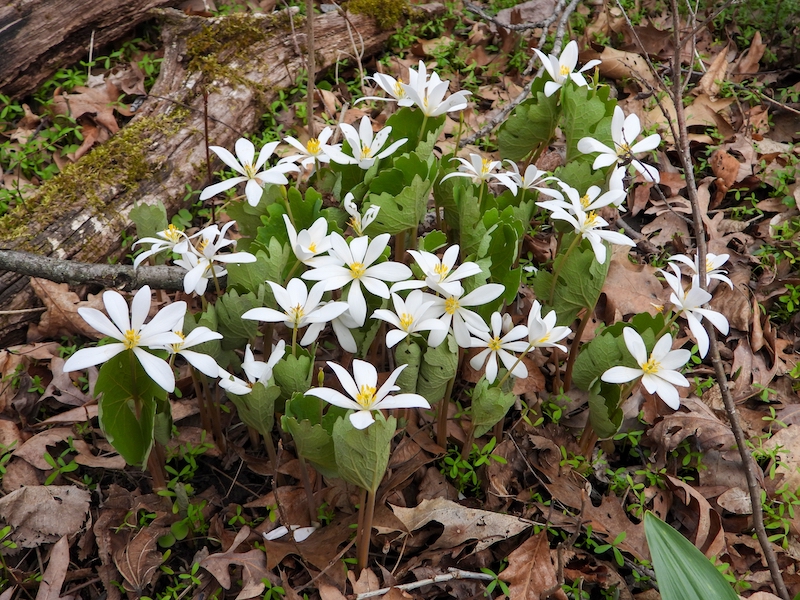
Redroot
Also called bloodroot in Mitchell’s documentation, redroot grew in dry woodlands. Healers dug up the root and used its bark in preparations for poor circulation and for medicinal and spiritual purposes. Because historical names such as redroot and bloodroot can refer to different plants, modern identification can be tricky.
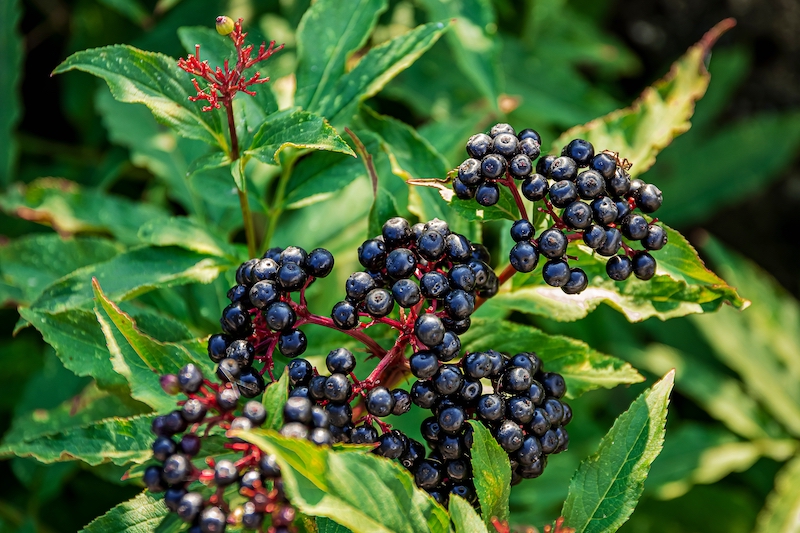
Elderberry
Found in wet thickets, along streambanks and near ponds, elderberry blooms with clusters of white flowers in late spring, followed by dark berries in summer. Mitchell documented its leaves being used for sores in African American, Native American and European American healing traditions.
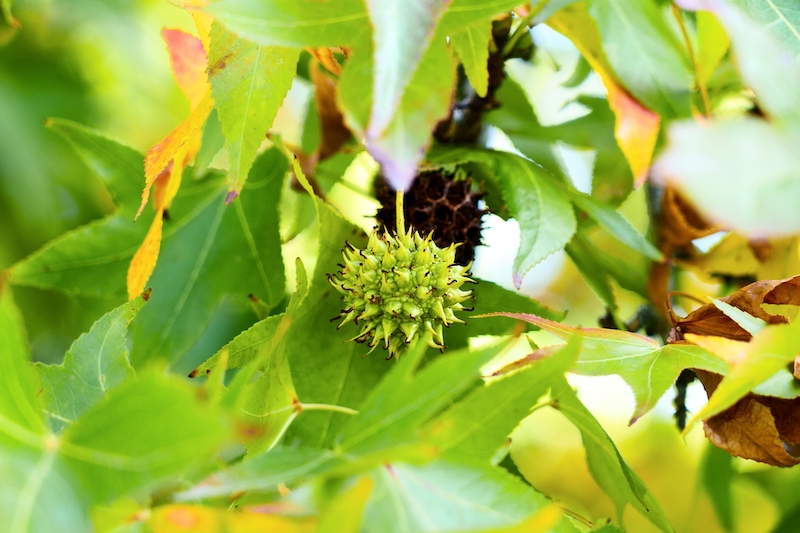
Sweet gum
Common in Lowcountry woods and other moist areas, sweet gum is recognizable by its star-shaped leaves and spiky “gumballs,” which mature in fall and often last into winter. Mitchell documented the leaves for sores and stomachaches, while the tree’s fragrant balsam also had a place in formal American medicine.
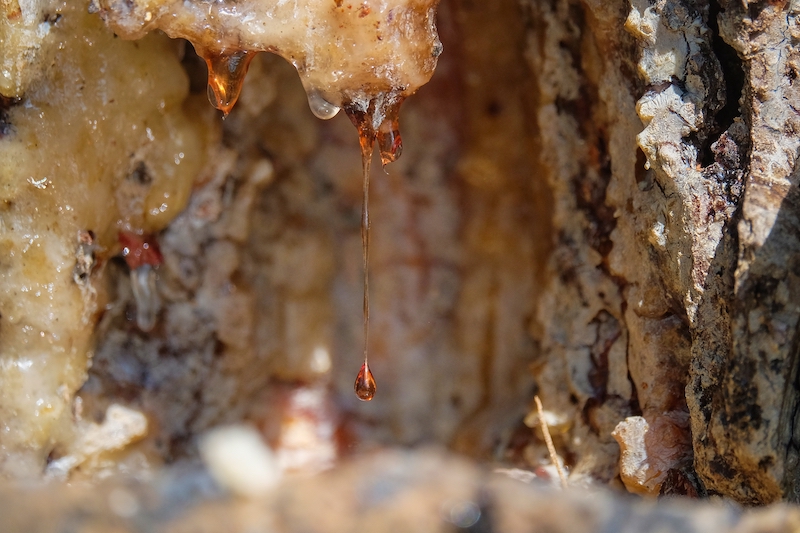
Pine tar
Pines are a year-round presence across Lowcountry forests, roadsides and old fields. Pine tar was traditionally made by slowly heating resin-rich pine wood and collecting the dark liquid it released. Mitchell associated it with treatments for colds, congestion, fevers, stomachaches and whooping cough.
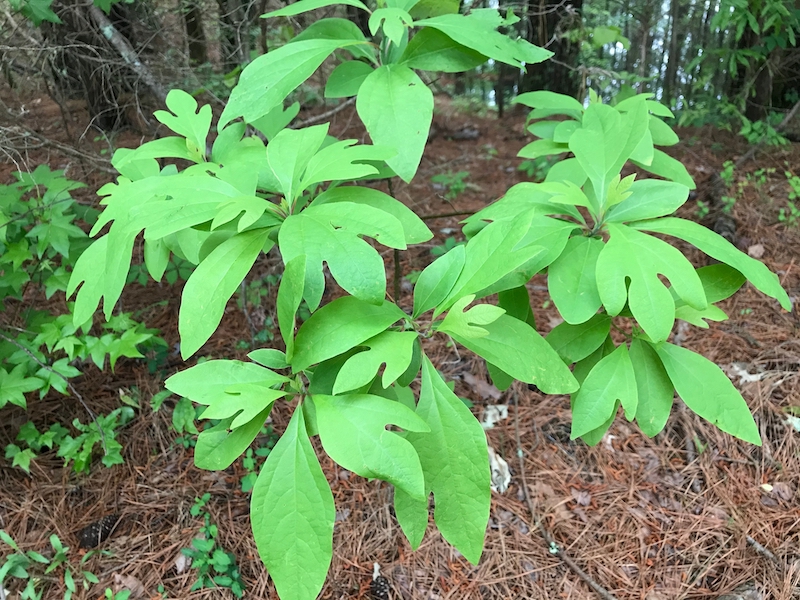
Sassafras
Found in woods, old fields and other disturbed areas, sassafras produces small yellow-green flowers in spring and colorful foliage in fall. Its aromatic roots and root bark were traditionally used in teas and tonics. Mitchell documented sassafras for strength, general health and backaches, as well as its use as a spring tonic.
The spiritual roots of Gullah healing
Herbal medicine and spiritual rootwork could overlap, but they were not the same. In traditions documented by Mitchell, natural illnesses might be treated with roots, herbs, barks and teas, while other conditions were understood through religious or supernatural frameworks.
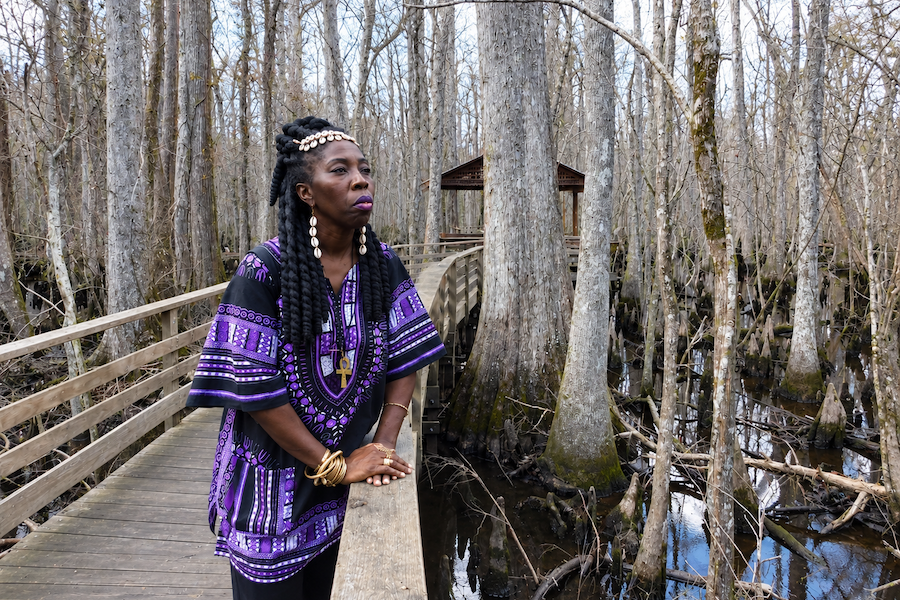
Queen Quet, chieftess of the Gullah/Geechee Nation, cautions against reducing traditional healers to stereotypes.
“Non-Gullah/Geechee folks need to understand that a healer is not a ‘witch,’” she said, adding that terms such as “witch doctor” are a “Hollywoodization” of authentic Gullah/Geechee traditions.
Cooper Owens similarly described traditional healing as part of a knowledge system that blends physical and spiritual understandings of health.
“It is born out of a knowledge system that has protected Gullah/Geechee people for centuries,” she said.
Queen Quet also cautioned against labeling all Gullah/Geechee healing practices as “voodoo,” noting that it is a distinct spiritual practice.
What does modern medicine say?
Modern science can investigate the chemistry of plants, but finding an active compound does not prove a historical remedy was safe or effective.
“Just because something is active against a specific target doesn’t mean that it’s necessarily safe,” said ethnobotanist Cassandra Quave.
Scientists can study a plant’s biological activity, toxicity and chemical compounds, with human clinical trials providing the strongest evidence of safety and effectiveness. Preparation matters, too.
“The way that we prepare things really does matter,” Quave said.
Different parts of a plant can contain different compounds, and preparation methods can change what is extracted. Even identification can be difficult because historical common names may refer to different species.
Still, Quave said traditional knowledge can provide valuable clues about which plants to use, when to harvest them and how to prepare them.
“Traditional ecological knowledge is incredibly valuable,” she said.
Historical use and science ultimately answer different questions. Traditional knowledge records what generations observed and practiced; science can test chemistry, biological effects, safety and effectiveness. Some remedies may reveal useful properties, while others may prove ineffective or unsafe. Their cultural significance, however, does not depend on laboratory validation.
Healing traditions passed down
For Mitchell, these traditions were never simply a collection of old remedies. Decades after her original fieldwork, she was struck by how much remained in use.
“With all the change that’s come to the Sea Islands in the last few decades, these traditions are strong, and they’re continuing,” she said.
The knowledge was never only in the root. It lived in the people who knew where plants grew, the elders who remembered what their mothers taught them and the healers who passed that knowledge forward. Across the Sea Islands, traditional healing remains a record of survival, adaptation and continuity.
The roots still grow here. So does the knowledge attached to them.