7 Smart Ways to Save on Energy This Holiday Season
Keep your home cozy and your celebrations bright without wasting electricity. These seven simple adjustments can help manage energy costs throughout the season.
Story by Lance Hanlin
Key Points
● Aim for a comfortable thermostat setting around 68 degrees when home and awake, while considering the needs of your heating system.
● Seal drafts and use ceiling fans appropriately to help distribute warmth.
● Choose LED holiday lights, use timers and take care with outdoor electrical safety.
● Reduce wasted energy while cooking, keep heating vents clear and unplug unused electronics.
The holidays bring plenty of reasons to celebrate, but a higher electric bill isn’t one of them. Even in the Lowcountry, December’s chilly nights, festive light displays and marathon baking sessions can send energy costs climbing. Fortunately, a few small changes can make a big difference. Drawing on guidance from Palmetto Electric Cooperative and the U.S. Department of Energy, here are seven ways to save without sacrificing holiday comfort.
1. Adjust Your Thermostat Without Sacrificing Comfort
Aim for about 68 degrees when you’re home and awake, adjusting for your comfort and heating system. Lowering the thermostat while sleeping or away can save energy with some heating systems, but heat-pump owners should generally maintain a steadier temperature. Raising the setting several degrees at once may trigger less efficient auxiliary heat. A cozy sweater is often the cheapest way to warm up.
2. Seal Drafts Around Doors and Windows
Don’t let your hard-earned heat slip through the cracks. Check doors and windows for drafts, and add weather stripping or caulk where needed. If you can see daylight around a closed exterior door, it’s time to seal the gap. And remember to close the fireplace damper when the fire is completely out.
3. Use Ceiling Fans and Natural Sunlight to Stay Warm
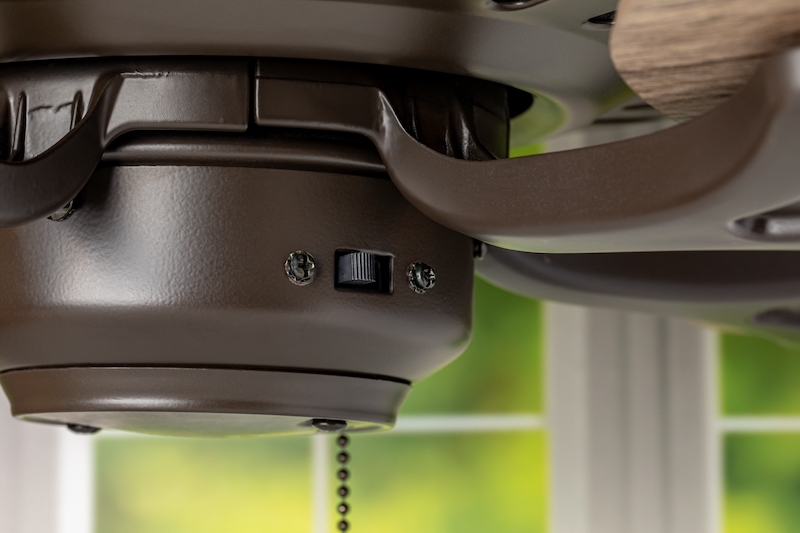
Give your ceiling fans a winter workout. On most models, clockwise rotation at a low speed helps redistribute warm air that gathers near the ceiling. Check your fan’s settings, and keep the speed low enough to avoid a chilly draft. Let the sunshine in by opening blinds and curtains during the day, then close them at night to help keep the cold out.
4. Switch to Energy-Efficient LED Christmas Lights
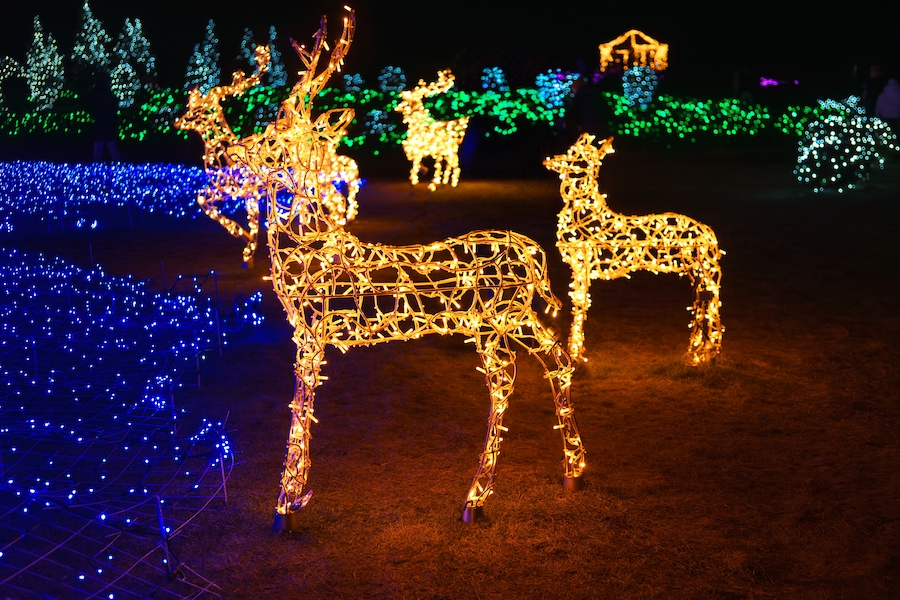
Deck the halls with LED holiday lights, which use considerably less electricity than traditional incandescent bulbs. Put displays on timers so they shine when you want them and switch off when you don’t. Always turn off holiday lights before bed or when leaving home. For outdoor displays, use outdoor-rated lights and extension cords, plug into GFCI-protected outlets and avoid overloading circuits.
5. Save Energy While Cooking Holiday Meals
Holiday cooking doesn’t have to send your energy bill soaring. Bake several dishes at once when temperatures allow, and use a microwave, air fryer or toaster oven for smaller portions. Resist the urge to peek inside the oven. Opening the door lets heat escape, forcing the oven to work harder to recover.
6. Keep Heating Vents and Airflow Clear
Before decorating, make sure furniture, rugs, curtains and holiday displays aren’t blocking heating vents or return-air grilles. That beautifully decorated tree might look perfect in the corner, but not if it’s obstructing airflow. Keeping air pathways clear helps your heating system distribute warmth efficiently throughout your home.
7. Unplug Unused Electronics to Reduce Wasted Power
Between holiday gatherings and new gadgets, more electronics may be drawing power around the house. Some devices continue using electricity even when they’re switched off. Unplug unused chargers and devices, or connect compatible electronics to a switched power strip to make powering down easier. It’s a simple habit that can save energy long after the decorations come down.