How Better Lighting Can Change the Way You Live at Home
Dr. Debi Lynes is the founder of Freudian Slipcovers on Hilton Head Island and a licensed therapist and interior designer focused on creating spaces that support the way people live.
Photos by CAV Integrated Home
Key Points
● Effective home lighting should do more than brighten a room: it should help you see clearly, move safely, perform everyday tasks and feel comfortable.
● Layering overhead and lamp lighting can reduce shadows and harsh contrasts while putting illumination where it is actually needed.
● Kitchens, stairways, hallways and bathrooms deserve particular attention because poor lighting can interfere with everyday tasks and safe movement.
● Lighting needs can change with age, making thoughtful placement, dimmers and easier transitions between bright and dark spaces increasingly important.
You reach a dark hallway at night and feel along the wall for a switch. You settle into your favorite chair to read, only to find yourself squinting. You cook dinner in a beautiful kitchen but discover your own shadow falling across the cutting board. These may seem like minor annoyances, but together they reveal something important: how well your home is actually working for you.
Lighting can help or hinder everyday life. Good lighting does four basic jobs: it helps you see clearly, move safely, perform tasks and feel comfortable. When it falls short, you may notice the effects long before you think to blame the light.
Layer to See More Clearly
A single overhead fixture can leave bright spots in the center of a room and shadows around its edges. Layering overhead, task and lamp light at different heights creates more even illumination and reduces harsh contrasts.
Light the Way for Safer Movement
Stairways, hallways and the path between the bedroom and bathroom are places where lighting gaps matter most. Dark steps and abrupt changes between bright and dim spaces can make navigating a home more difficult, particularly at night. Low-level or motion-activated lighting can illuminate the way without flooding the house with light. Just as important, switches should be where your hand naturally reaches for them.
Direct Light Where You Need It
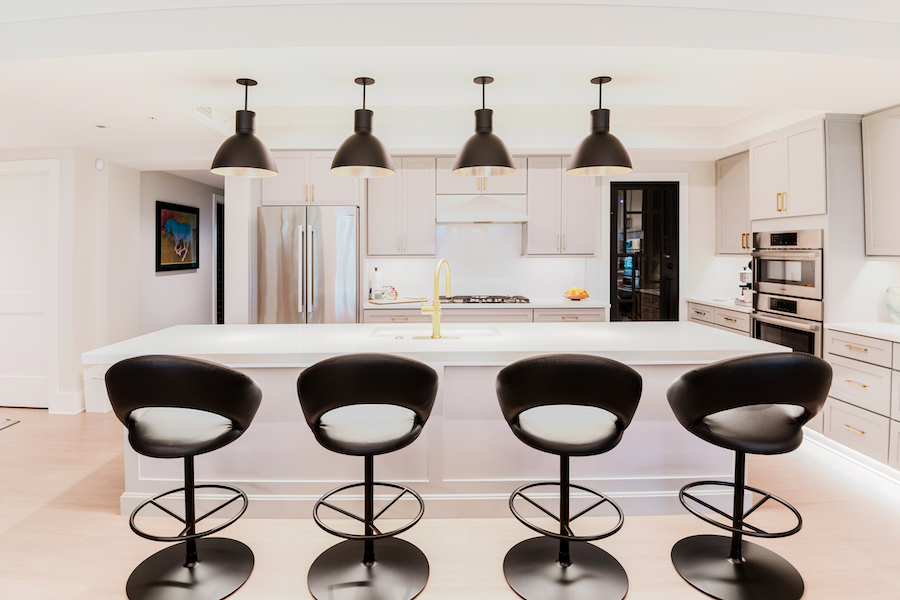
Kitchens are a classic example of lighting in the wrong place. An overhead fixture behind you can cast your own shadow onto the counter where you’re chopping, measuring or reading a recipe. Under-cabinet lighting puts illumination directly on the work surface. The same principle applies to a reading chair, desk or hobby space — put the light where the task happens.
Adjust Throughout the Day
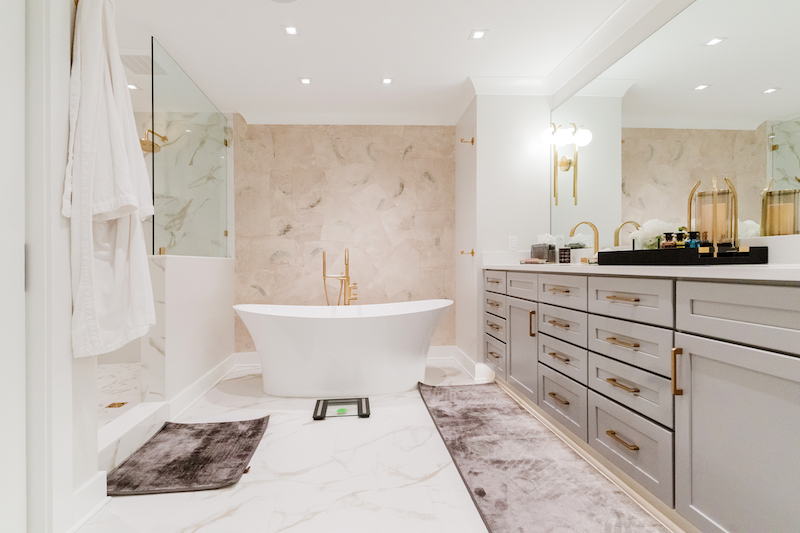
Not every moment calls for the same amount or quality of light. Brighter illumination can make daytime activities easier, while warmer light — generally around 2700K to 3000K — can create a softer atmosphere in the evening. Dimmers provide flexibility, and shaded or well-positioned fixtures can reduce the glare that makes an otherwise inviting room uncomfortable.
These considerations become even more important as we age. Our eyes generally require more illumination and take longer to adjust between bright and dark areas. That makes stairways, entrances, bathrooms and other transition spaces especially worth examining. For Sandy Benson, owner of CAV Integrated Home, thoughtful lighting starts with considering how a room will be used.
“Good lighting is where science, architecture and technology come together,” Benson says. “Designing the lighting system as part of the home, not as an afterthought, creates spaces that look better, perform better and feel effortless to live in.”
Give Your Home a Lighting Checkup
- Can you see every stair tread at night?
- Is there a dark stretch between the bedroom and bathroom?
- Does your shadow fall across the counter while you cook?
- Can you comfortably read in your favorite chair?
- Do fixtures glare rather than glow?
- Can you easily lower the lights in the evening?
Walk through your home tonight, and pay attention. Your rooms may have been answering all along.