5 Expert Tips for Choosing Flooring and Tile in Coastal Homes
From durability and daily upkeep to scale and staying power, the smartest surface choices begin with how a home is actually lived in.
Story by Alea Wilkins
Key Points
● Start with how each room is actually used: high-traffic gathering spaces, mudrooms and entryways place different demands on flooring and grout than private areas.
● Look beyond appearance to maintenance, considering how much regular upkeep materials such as hardwood, natural stone and carpet will require.
● Think about surfaces as part of the entire home, using intentional contrast in materials, patterns and finishes to create a cohesive rather than overly matched look.
● Before committing, consider how a material will read at full scale and whether its color, pattern and style will complement the home for years to come.
Lowcountry life can be tough on floors. From the well-worn path between the kitchen and the patio, to wet paws tracking sand down the hall, hard surfaces have to withstand the realities of coastal living. Choosing the right ones means striking the perfect balance between durability and design. To narrow down the options, Savannah Surfaces Tile shares five things every homeowner should consider when creating spaces built to endure it all.
1. Choose Flooring Based on How the Room Is Used
Before falling for a beautiful tile or hardwood, consider how the space around it will be used. High-traffic areas designed for gathering demand more durable materials than private suites, while mudrooms, entryways and foyers must withstand their proximity to the outdoors. Be realistic about a room’s purpose to determine which surfaces and grouts will serve it best.
2. Consider Flooring Maintenance Before You Commit
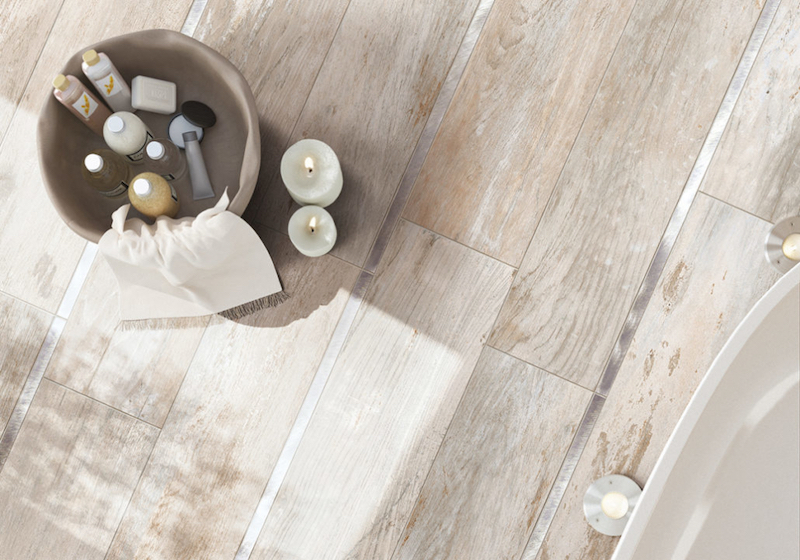
Even the most beautiful surfaces can lose their appeal when upkeep becomes a daily chore. Delicate hardwoods, natural stone and carpeted floors each come with their own maintenance routines, so consider what will work best with your lifestyle and how much upkeep you’re willing to manage.
3. Mix Materials With the Entire Home in Mind
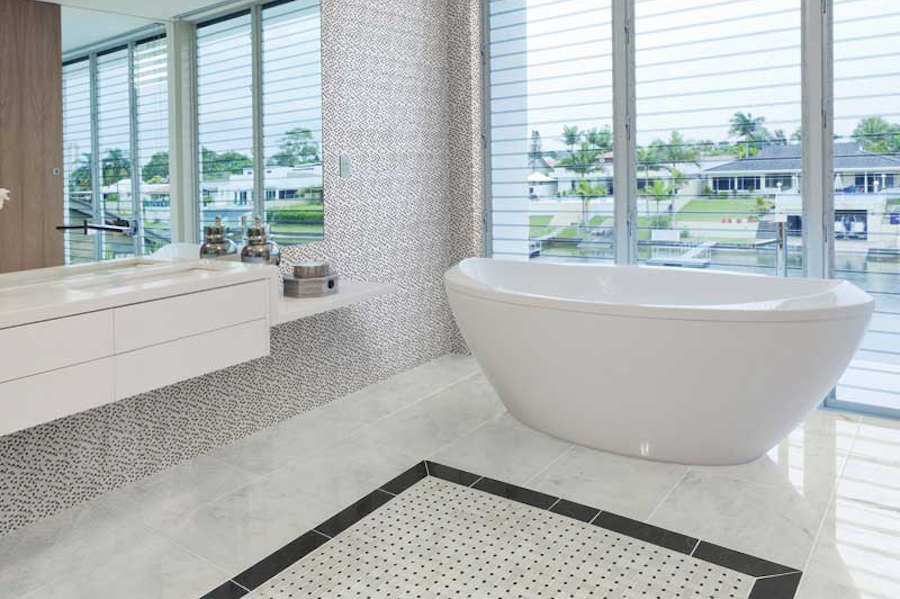
A cohesive home doesn’t have to match. Intentional contrast, like pairing a marble shower with a decorative tile wall, can create some of its most striking moments. Each unexpected blend suggests thoughtfulness without feeling mundane, providing all the ornamentation a room needs without excessive decoration.
4. See Tile at Scale Before Making a Selection
Observing a single tile sample is one thing. Seeing it multiplied across a space is another. Depending on the tile’s size, pattern and grout lines, a completed space can look remarkably different at home than it appears in the showroom. Before committing to a case, picture the material at scale, and consider the atmosphere you want to create.
5. Choose Flooring Trends With Staying Power
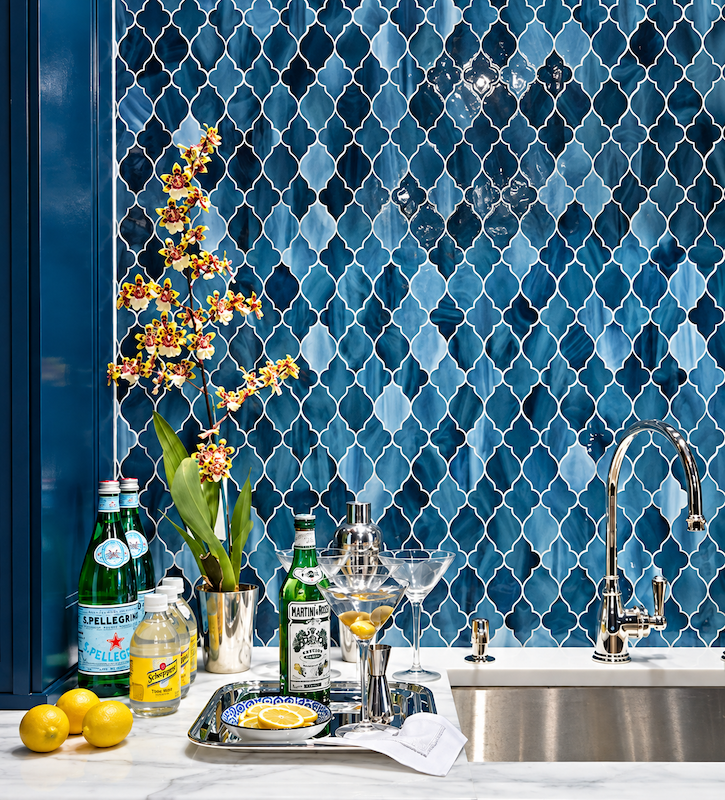
Leaning into current trends can make a home feel in vogue, but even the most modern selections can become dated. Rather than following a fad, choose surfaces based on how they will complement your home’s architecture, setting and overall style. The goal isn’t simply to find the right fit for today, but one that will continue to feel right for years to come.