How to Cook Shrimp: 11 Ways to Get Perfectly Tender Results
How to cook shrimp like a pro
How to Tell When Shrimp Are Perfectly Cooked
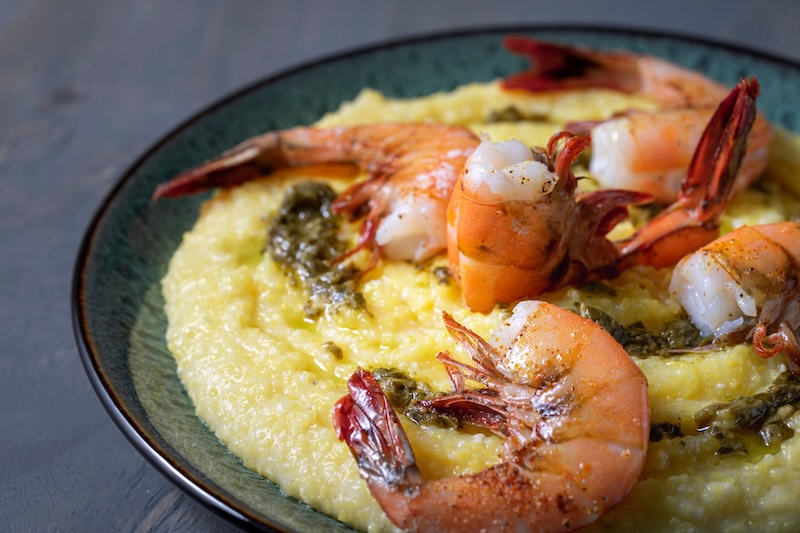
Shrimp cook in minutes, which means even a little extra time can turn them from plump and tender to dry and rubbery. The best indicator isn’t the clock, it’s the shrimp themselves. They’re done when they turn opaque and curl into a loose “C.” If they tighten into an “O,” they’ve likely overcooked. Whenever possible, remove shrimp from the heat just before they’re fully done. Residual heat will finish the job as they rest. For grilling, boiling and other high-heat methods, shell-on shrimp are especially forgiving because the shells help protect the meat while locking in moisture and flavor.
How to Roast Shrimp
Best for: Sweet, caramelized shrimp for pasta, grain bowls and sheet-pan meals.
How to: Toss peeled shrimp with olive oil, garlic and seasonings, then roast at 450 degrees for 7 to 9 minutes, just until opaque. The high heat concentrates the shrimp’s natural sweetness while lightly browning the garlic.
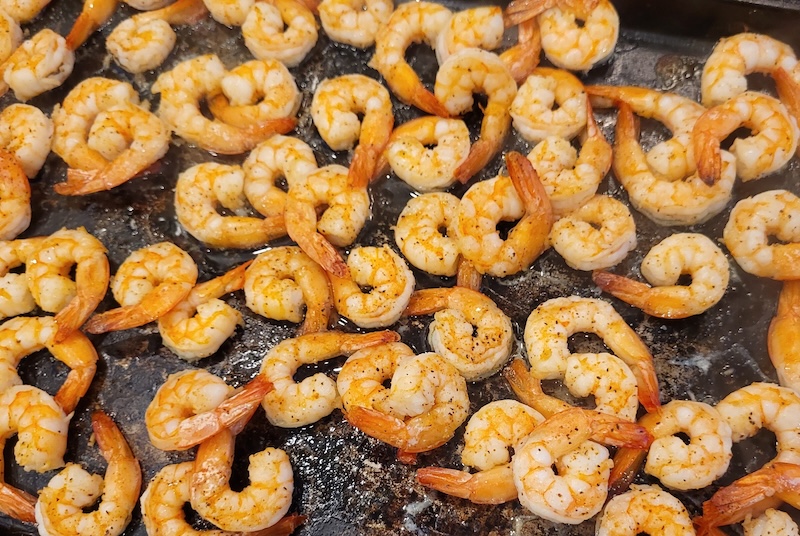
How to Sear Shrimp
Best for: Quick skillet dinners, tacos and shrimp over rice.
How to: Heat a skillet until very hot, then add butter or oil. Cook the shrimp for 1 to 2 minutes per side, turning only once for the best browning. Shell-on shrimp stay especially juicy over high heat.
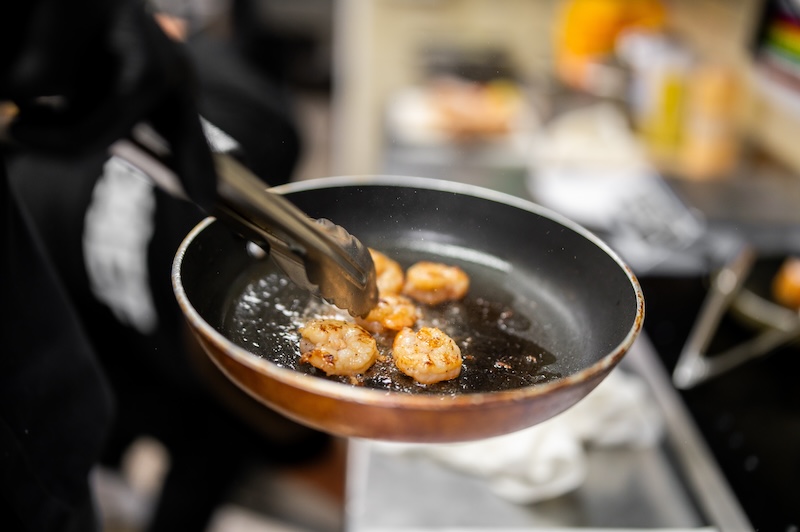
How to Simmer Shrimp
Best for: Shrimp scampi and buttery pasta dishes.
How to: Gently poach the shrimp in a barely simmering mixture of butter, olive oil, garlic and white wine. The gentle heat keeps them tender while allowing them to absorb the sauce.
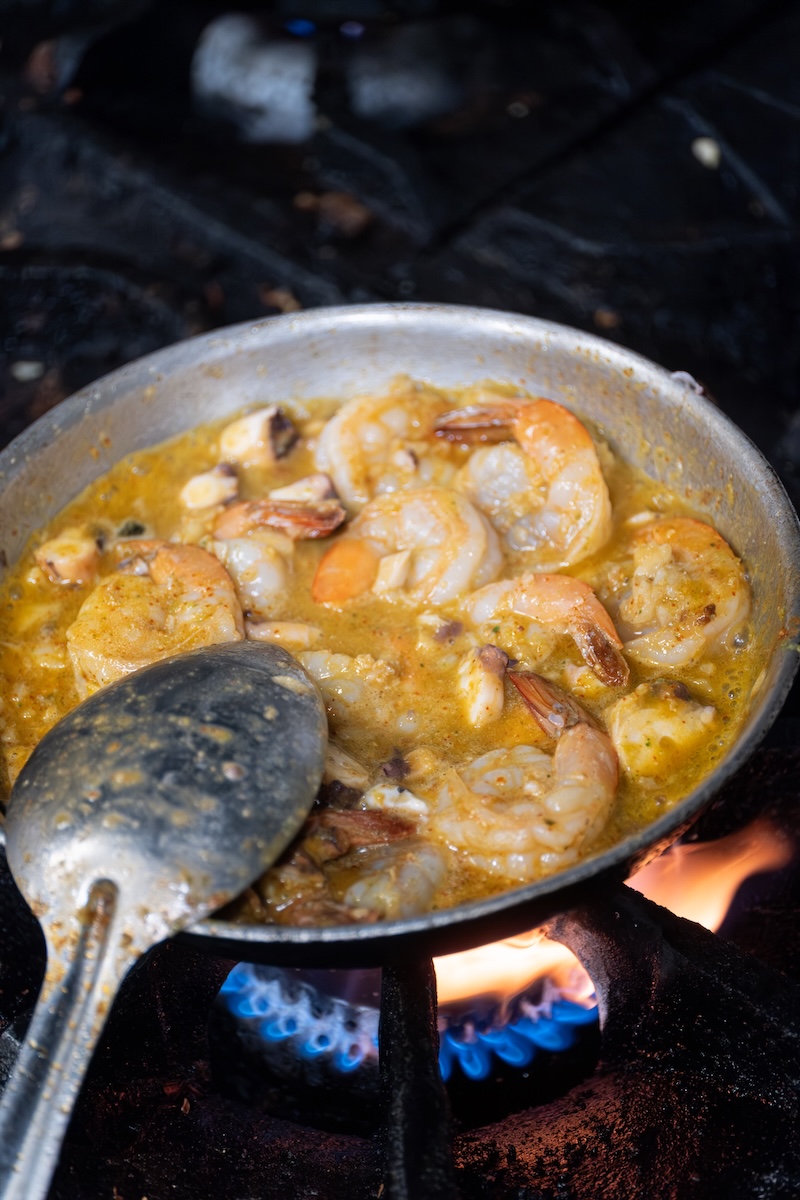
How to Steam Shrimp
Best for: Shrimp cocktail and chilled salads.
How to: Arrange shrimp in a steamer basket over simmering water flavored with lemon, herbs or vinegar. Steam for 3 to 5 minutes, until pink and opaque.
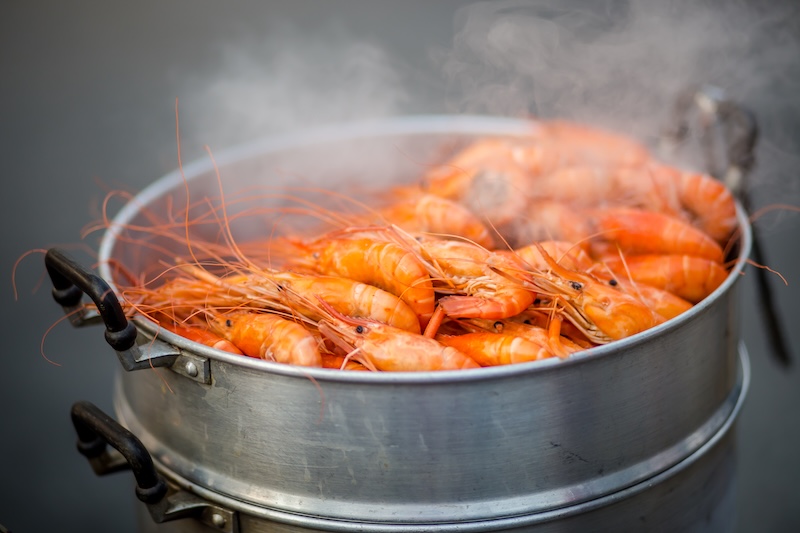
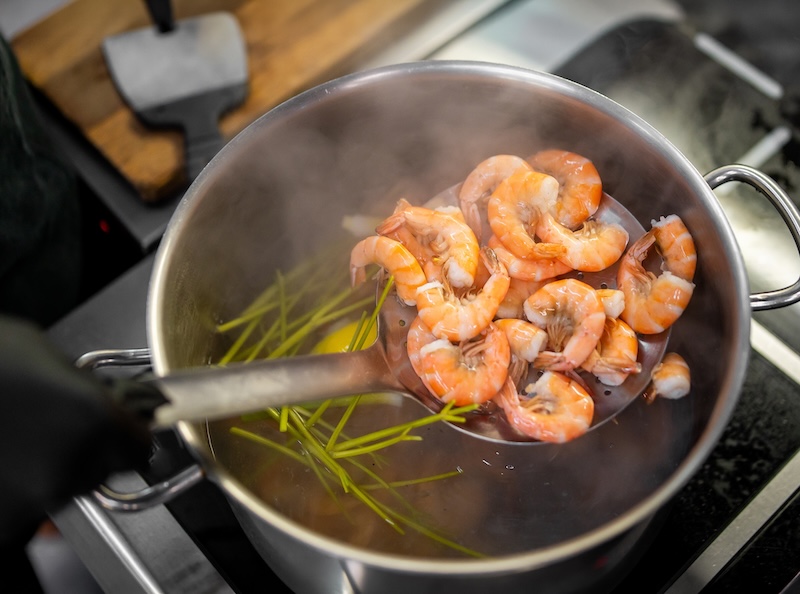
How to Boil Shrimp
Best for: Lowcountry boils and feeding a crowd.
How to: Bring generously seasoned water to a boil, add the shrimp, then immediately remove the pot from the heat, and cover. Let the residual heat gently finish cooking them, preventing tough, rubbery shrimp.
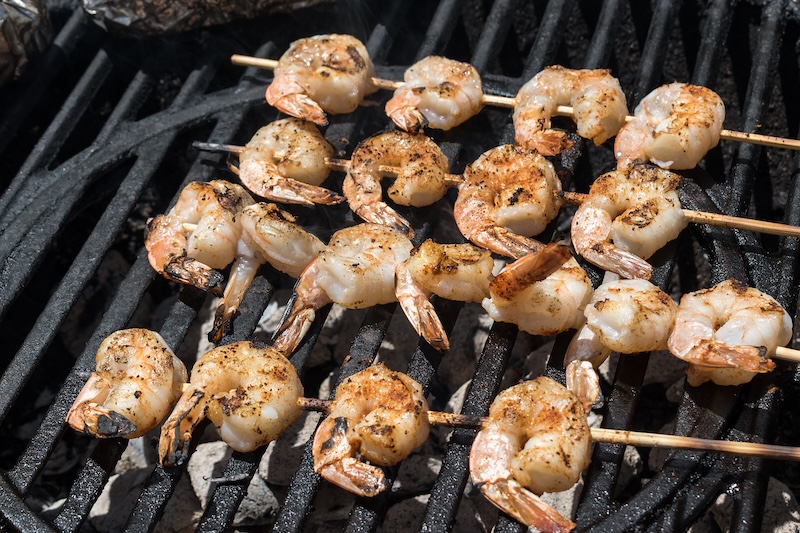
How to Grill Shrimp
Best for: Smoky summer flavor.
How to: Brush shell-on shrimp with oil and seasonings, then grill over medium-high heat for 2 to 3 minutes per side. The shells protect the meat while adding a subtle smoky flavor.
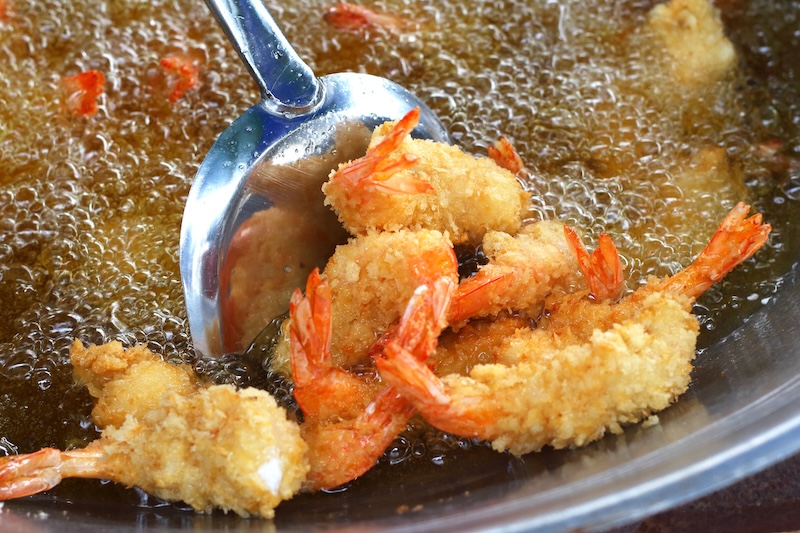
How to Fry Shrimp
Best for: Crispy shrimp baskets and po’boys.
How to: Coat shrimp in seasoned flour or cornmeal, and fry at 350-375 degrees for 2 to 3 minutes, just until golden brown and crisp.
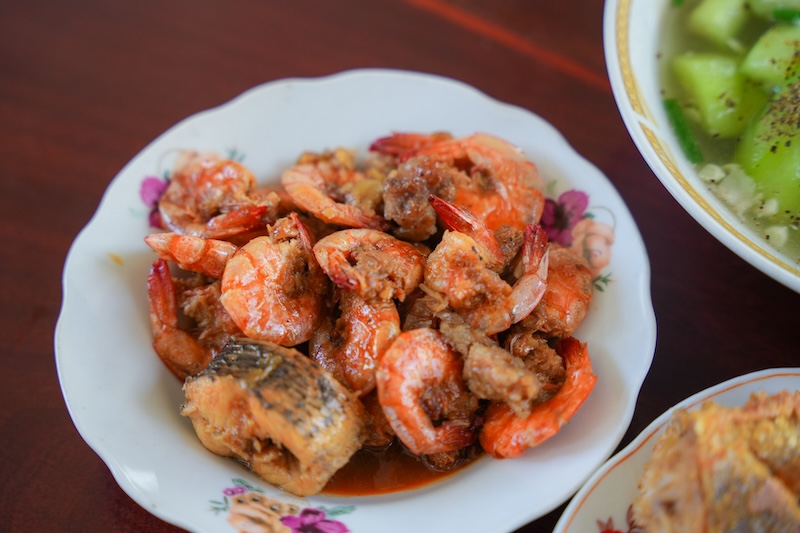
How to Braise Shrimp
Best for: Creole, tomato and curry dishes.
How to: Quickly sear the shrimp first, then finish them in a gently simmering sauce for the final minute or two so they absorb flavor without overcooking.
How to Broil Shrimp
Best for: The fastest indoor cooking method.
How to: Arrange seasoned shrimp in a single layer 4 to 6 inches below the broiler, and cook for 2 to 3 minutes per side, watching closely. Under the broiler, shrimp can go from perfectly cooked to overdone in less than a minute.
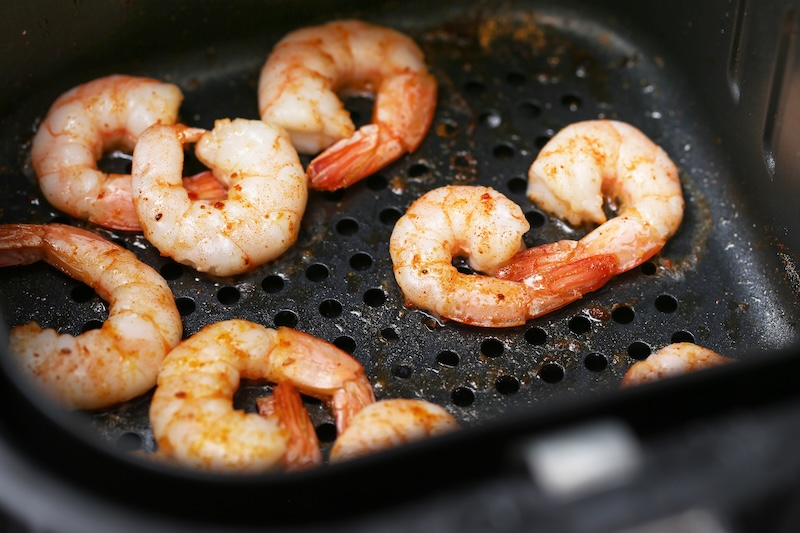
How to Air Fry Shrimp
Best for: Crispy shrimp with less oil.
How to: Lightly coat the shrimp with oil and seasoning, then air fry at 400 degrees for 6 to 8 minutes, shaking the basket halfway through.
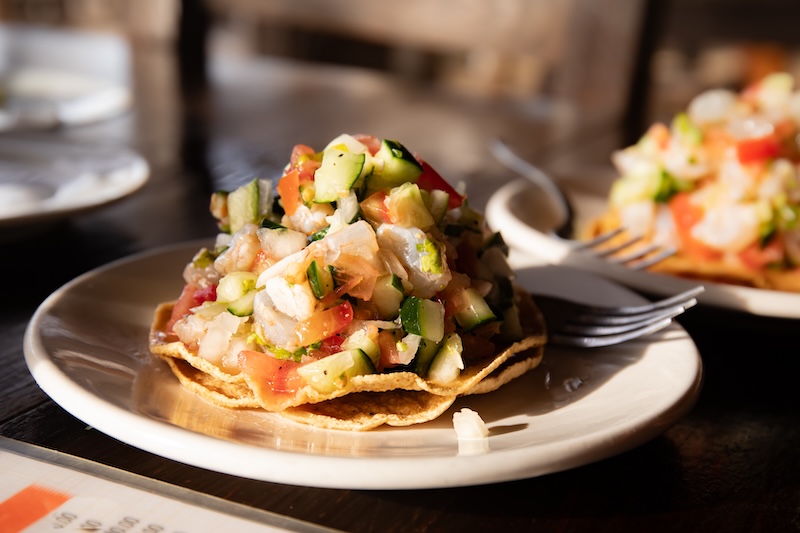
How to Make Shrimp Ceviche
Best for: Bright summer appetizers.
How to: Briefly blanch the shrimp, chill them, then marinate in fresh citrus juice with tomatoes, onions, peppers and herbs. Serve well chilled with tortilla chips or crisp tostadas.