January Lowcountry Gardening Tips: Plan, Prep and Protect from Scorpions
It’s time to turn over a new leaf — literally.
Story by Alea Wilkins and Suzanne Barton
A new year means a fresh start — your garden included. Though it’s the offseason in the Lowcountry, winter is a crucial time for planning and preparation. Come spring, your garden will thank you. With guidance from the manager of The Green Thumb, Suzanne Barton, put in the work now to bring out the best version of your garden this year.
[LOCAL Life] What should I do now to prepare my garden for the next growing season?
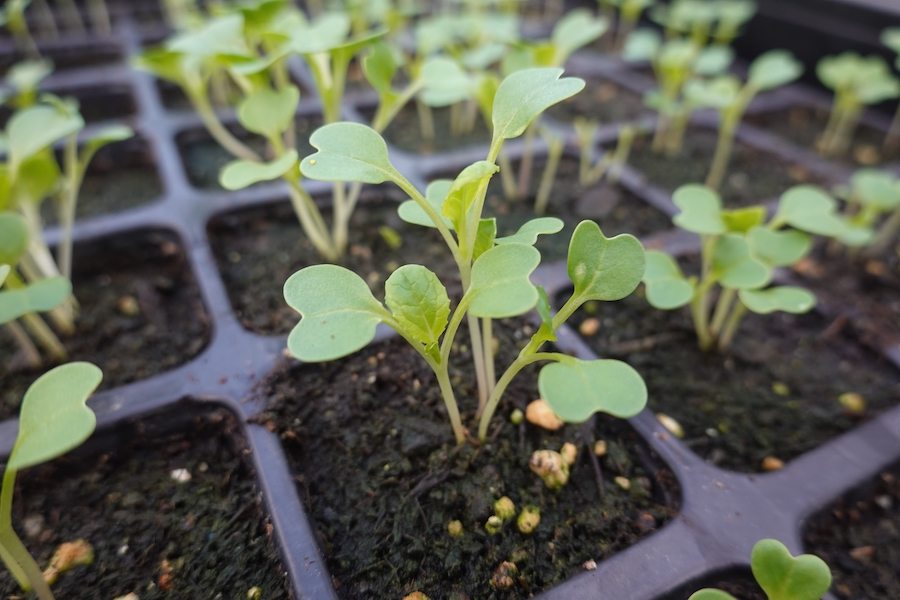
[Suzanne Barton] Now is the time to plan, so when you start planting in March, you’ll have everything you need. Check out your local gardening store for their selection of seeds. Once you’ve chosen your desired plants, check their instructions. Most seeds that you plant in the spring should be sowed indoors for six to eight weeks before the last frost, so starting early is key.
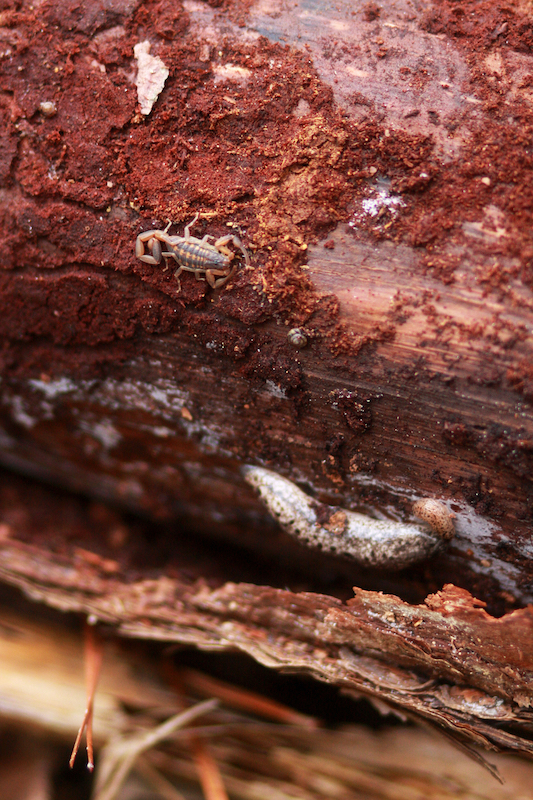
Be careful when reaching under plants this winter. A scorpion might be tucked in there, adding to the Lowcountry’s already colorful cast of backyard critters, from copperheads and gators to black widows, fire ants and no-see-ums. The ones you’re most likely to spot are the southern unstriped scorpion, found statewide, and the striped southern scorpion, which stays close to the coast. Both are small and generally harmless. Their sting feels more like a bee or wasp than anything out of a horror movie.
[LL] How should I take care of my garden over the winter?
[SB] Fungus, disease and insects can overwinter in your garden. The best thing you can do is be diligent and routinely inspect what’s going on. Clean up any brush, fallen buds or pine needles, but be careful when reaching under plants — snakes and scorpions like to rest there. If you go slowly, wear gloves and use tools with a long handle, they’ll leave you alone.
[LL] How can I keep my tools in good condition?
[SB] Tools are often overlooked, but they need a yearly check-up. Keeping them sterilized is one of the most effective ways to prevent the spread of disease in your garden, so it’s important to clean and store them properly. My preferred method is to use rubbing alcohol — it wipes off sticky sap, disinfects and is inexpensive. For storage, add a light coat of oil to your tools, then keep them off the ground in a dry place. If your tools are rusting, soak them in white vinegar for 24 hours, and the rust will loosen enough to be scrubbed off. And if your tools need to be sharpened, stop by your local hardware store. Most places that sell gardening supplies offer sharpening services to keep your favorite tools working their best.
[LL] My garden is looking a little sparse. Is there anything I can add this time of year?
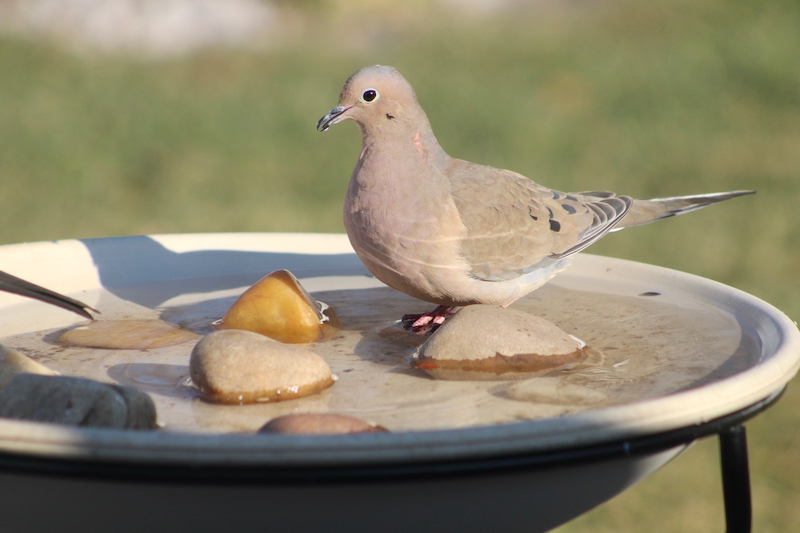
[SB] To add interest over the winter, invest in some extra structure. A trellis or tuteur can bring a little height and drama, and since they don’t involve construction, they’re super easy to install. I especially like bird baths because we always want more pollinators to stop by our gardens. Keep the baths clean and full of fresh water, and the birds and butterflies will bring life to your backyard.
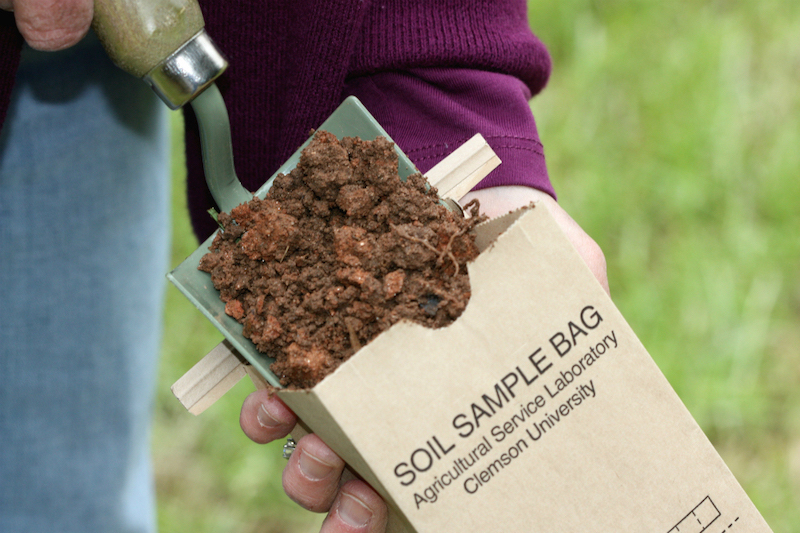
A soil test is one of the easiest ways to get your garden ready for spring. Clemson University offers simple mail-in kits with everything included. Order one at clemson.edu, pop your sample into the prepaid envelope and you’ll receive a clear report with recommendations tailored to your yard. ©Joey Williamson, HGIC, Clemson Extension
Spring cleaning? Start in winter
Smart seasonal tips from Lowcountry Gardening
Have your soil tested by Clemson’s Agricultural Lab so you can amend the soil in time for spring planting. Soil test bags with instructions can be picked up and returned to the Beaufort County Extension office at 18 John Galt Road, Beaufort, or the Master Gardener Plant Clinic, Hilton Head. The cost is $6.
Additional guidance
- Unless there has been a severe freeze, begin removing diseased and injured, crossing and rubbing limbs from trees and shrubs. It is easier to see what needs to be removed when they are leafless.
- After a freeze your plants may need water if the soil has dried out.
- Wait until spring to fertilize plants. You don’t want to encourage new growth that will be easily damaged by another frost.
- Don’t prune cold-damaged plants right away. The dead foliage may insulate the plant from further injury.
Excerpted from Lowcountry Gardening, written and published by the Lowcountry Master Gardener Association. Grab a copy of this guide to all things Lowcountry gardening for $5 at The Greenery, Bruno Landscape & Nursery, The Green Thumb or the Master Gardener booth at the Bluffton and Port Royal farmers markets. For more information, head over to LowcountryMGA.org.