Lowcountry Emergency Preparedness Guide: What to Do Before Help Arrives
In the Lowcountry, knowing what to do before help arrives can make all the difference
Story by Madison McBride
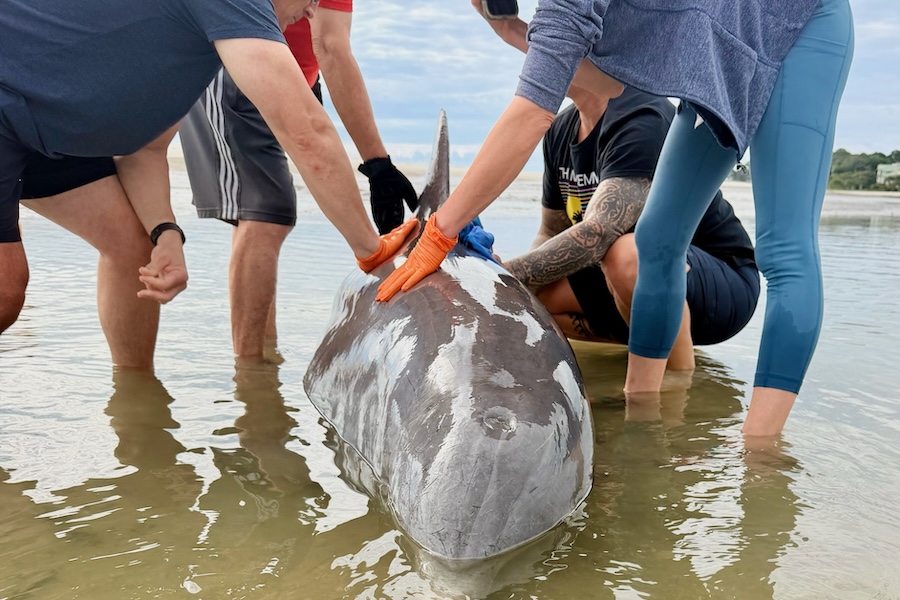
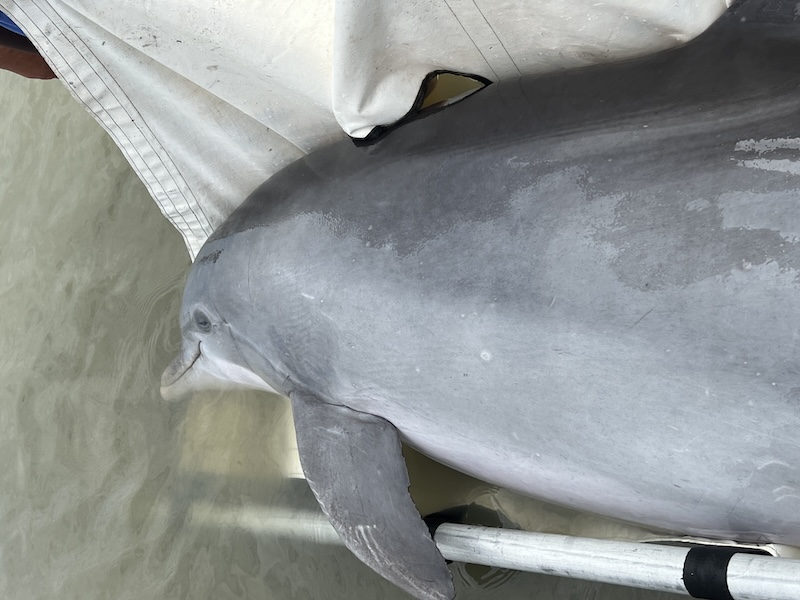
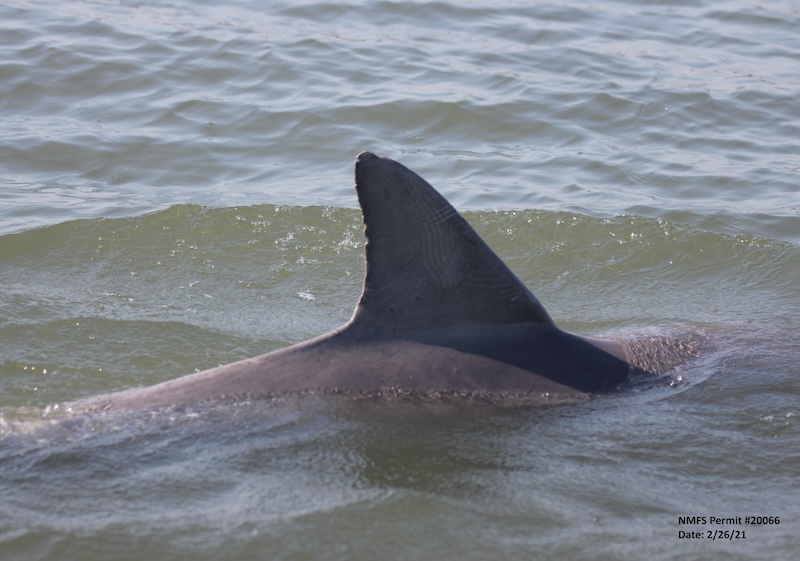
When a bottlenose dolphin, later identified as Klaus, became stranded in a shallow tidal pool on the north end of Hilton Head Island, beachgoers quickly realized something was wrong.
Known to researchers through the local dolphin catalog maintained by the University of South Carolina Beaufort’s Marine Sensory and Neurobiology Lab, Klaus, a 7-foot, 10-inch dolphin, had become trapped in water too shallow to safely navigate as the tide receded.
The danger was not broken bones or dehydration, as some might assume. Dolphins have skeletons that help support their bodies, and Klaus showed no signs of injury. The urgent concern was time: responders needed to ensure his blowhole remained above water and that the incoming tide returned soon enough for him to right himself and swim free.
Fortunately, a visiting beachgoer immediately called the SCDNR Wildlife Stranding Hotline, setting a rescue effort into motion. Responders with the Lowcountry Marine Mammal Network, trained volunteers and regional partners, carefully positioned Klaus upright, used a specialized sling to move him closer to deeper water and monitored him as he swam through shallow sandbars before finally reaching open water.
Before sirens sound and emergency crews arrive, crises often begin with ordinary people making quick decisions under pressure. A clear phone call. A calm response. A willingness to act instead of assuming someone else already has.
Bravery does not always look dramatic. Sometimes it looks like noticing something others miss, staying steady when panic creeps in and stepping forward when hesitation would be easier.
Klaus’s rescue is a reminder that preparedness is not reserved for hurricanes or worst-case scenarios. Lowcountry emergencies unfold in countless ways: a swimmer swept into a rip current, a boating injury in Broad Creek, a golfer collapsing in July heat, a stranded sea turtle or a neighborhood flooding faster than expected.
Living near the water means embracing beauty and unpredictability in equal measure.
The good news? You do not need to be a first responder to make a difference. Knowing a few essential skills, paying attention and understanding when to act can help protect loved ones, visitors, neighbors and the wildlife that shares this place we call home.
Make the call, then stay calm
Clear communication saves time and lives
In an emergency, the first and most important thing you can do is call 911. That may sound obvious, but one of the biggest mistakes people make during stressful situations is assuming someone else already called. Never assume.
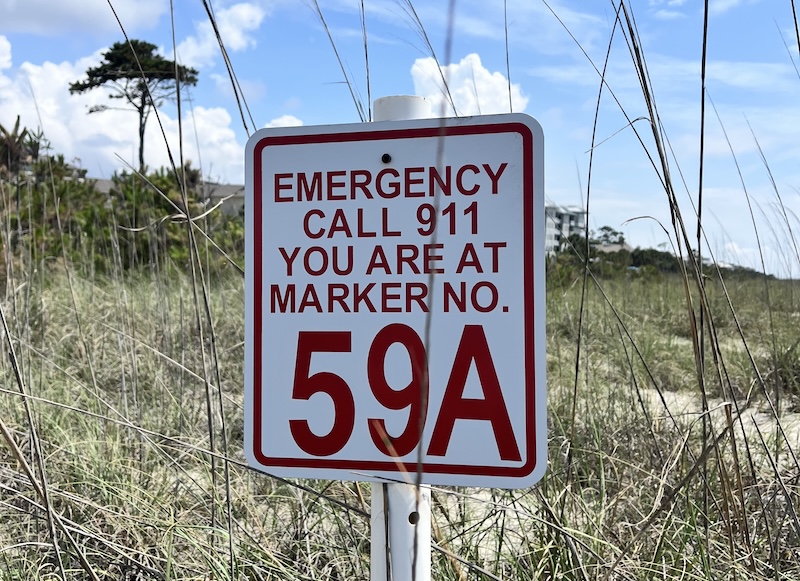
Whether it is a boating accident, medical emergency, wildlife rescue or dangerous weather situation, making the call yourself ensures responders receive accurate information as quickly as possible. When speaking with dispatchers, stay calm and start with the most important detail: your exact location.
That matters even more in the Lowcountry, where winding roads, beach access points, marshes, bridges and waterways complicate navigation. Saying “near the beach” or “off the dock” is not enough. Be specific.
A simple habit at the start of a beach day can make a major difference: note the nearest beach marker, identify the closest lifeguard and take stock of nearby landmarks. Boardwalk numbers, hotels, public access signs and distinctive homes can help rescuers pinpoint your location faster when every second matters.
After sharing your location, briefly explain what is happening and provide key details, including injuries, hazards, the number of people involved and changing conditions. Stay on the line unless instructed otherwise.
In stressful moments, staying calm may be the bravest thing you do. A steady voice and clear details can turn confusion into action and precious seconds into saved time.
Hope for the best. Prepare for the worst.
Why emergency planning matters before disaster strikes
Life in the Lowcountry comes with a certain unpredictability. Summer thunderstorms roll in without warning. Tides shift. Traffic grinds to a standstill. Hurricanes threaten offshore. Roads flood. Fallen trees block neighborhoods and darken homes for hours on end.
The best time to prepare is before any of it happens.
At home that means keeping essentials ready for a few days without power: bottled water, shelf-stable food, medications, flashlights, batteries, first-aid supplies and important documents stored safely.
On the road a basic emergency kit can make long delays, flash flooding or breakdowns far less stressful. And on the water, preparation matters just as much. Life jackets, weather awareness, communication tools and a basic understanding of tides and navigation should never be optional.
Preparedness is not panic. It is peace of mind. Quiet confidence often begins long before emergencies arrive. The calmest and bravest people in the room are usually the ones who planned ahead.
 Before leaving the dock, make sure essential safety gear is on board, up to date and easy to reach. Life jackets, a first aid kit, distress signals and a fire extinguisher are not just smart to have: they are required by law. Missing equipment can result in fines and, more importantly, leave you unprepared when conditions suddenly change.
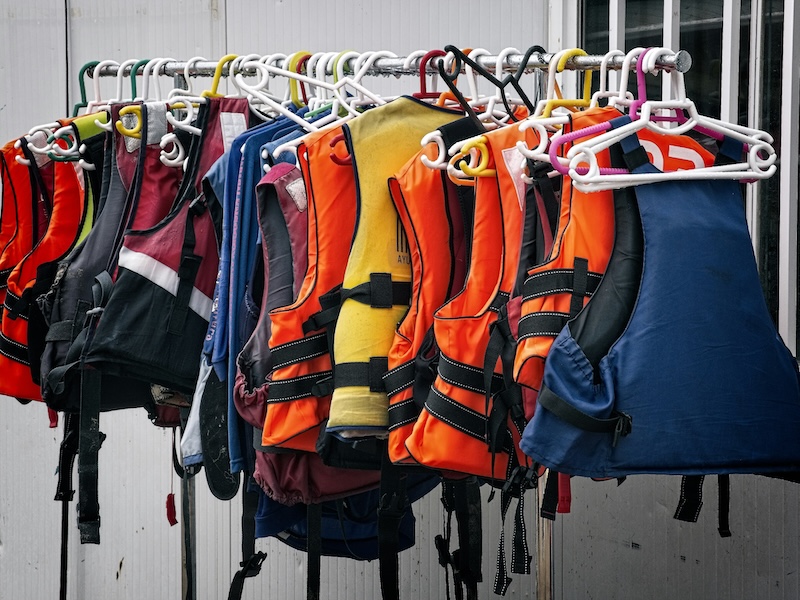 Before leaving the dock, make sure essential safety gear is on board, up to date and easy to reach. Life jackets, a first aid kit, distress signals and a fire extinguisher are not just smart to have: they are required by law. Missing equipment can result in fines and, more importantly, leave you unprepared when conditions suddenly change.
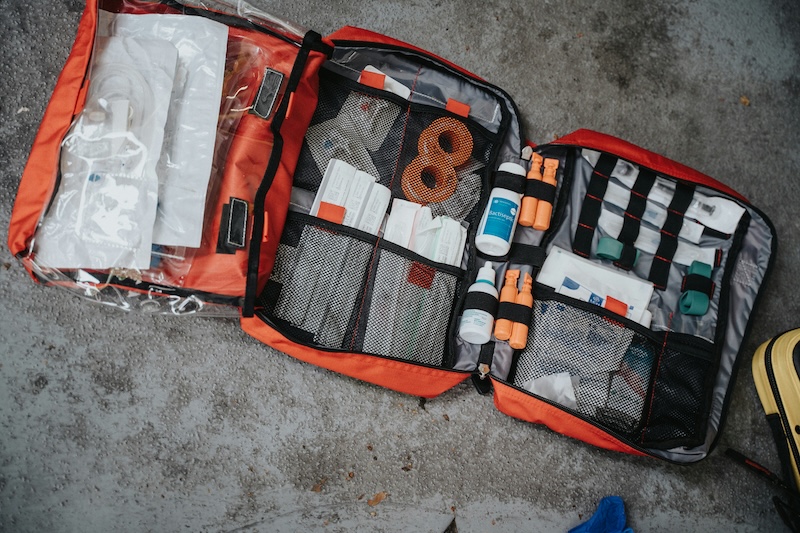 Before leaving the dock, make sure essential safety gear is on board, up to date and easy to reach. Life jackets, a first aid kit, distress signals and a fire extinguisher are not just smart to have: they are required by law. Missing equipment can result in fines and, more importantly, leave you unprepared when conditions suddenly change.
When seconds matter, step in
Immediate action can save a life
Sometimes help is minutes away. Those minutes matter. Knowing what to do before first responders arrive can mean the difference between life and death, especially during cardiac emergencies, traumatic injuries or severe bleeding. If someone collapses, becomes unresponsive or stops breathing normally, call 911 immediately. Then, step in.
CPR becomes critical when the heart stops beating effectively. Cardiopulmonary resuscitation helps keep oxygen and blood moving to the brain while emergency crews are on the way.
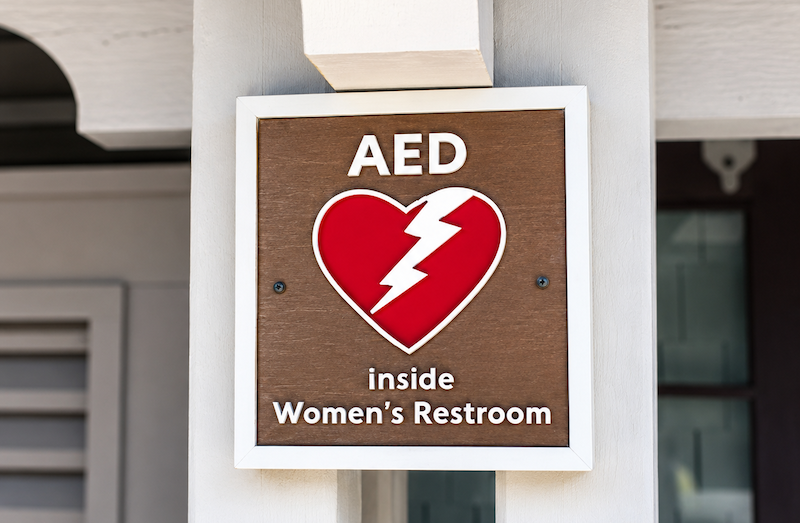
Many public spaces across the Lowcountry — golf clubhouses, recreation centers, schools and public parks — also have automated external defibrillators, or AEDs, nearby. These lifesaving devices are designed for ordinary people to use, offering step-by-step instructions while analyzing heart rhythm and delivering a shock only if needed.
Severe bleeding presents another urgent threat. Dangerous blood loss can happen in minutes, which is why “Stop the Bleed” training has become so valuable. Learning how to apply pressure, pack wounds and respond confidently can stabilize someone long enough for EMS to arrive.
In a place where boating injuries, heat-related emergencies and outdoor accidents happen every day, those few moments of action can matter enormously.
Don’t fight the water
Rip current awareness can save your life
Our stretch of ocean may look calm, but beneath the sparkle, danger moves fast. Rip currents are among the most common beach hazards along the South Carolina coast, quietly pulling swimmers away from shore in narrow channels of fast-moving water. Panic, not the current itself, is often what turns a frightening moment into tragedy.
If caught in a rip current, resist the instinct to fight it. Swimming directly toward shore can exhaust even strong swimmers in minutes. Instead, stay calm, float if needed and swim parallel to the shoreline until free from the current’s pull before gradually making your way back to shore.
Bravery in the water does not mean fighting harder. Sometimes the smartest and bravest thing you can do is stay calm enough to trust what you know.
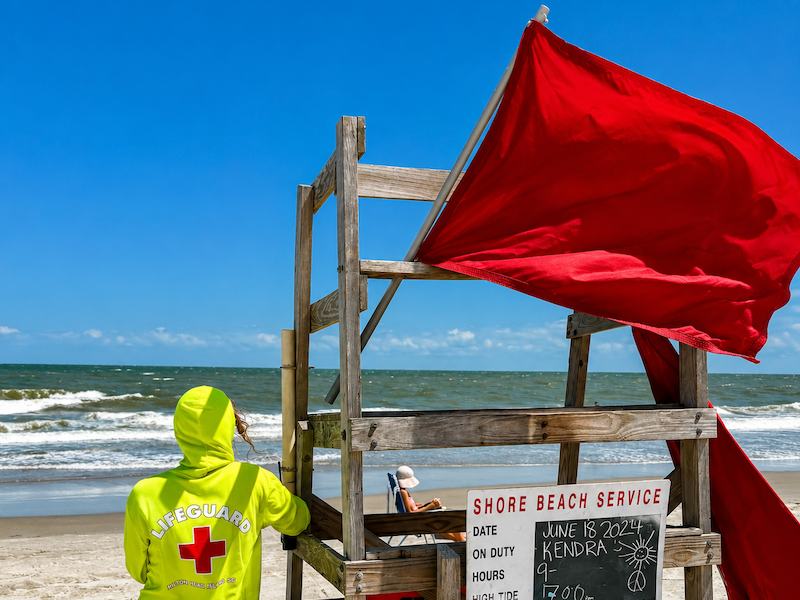
Simple habits dramatically reduce risk: swim near lifeguards, never swim alone, and pay attention to warning flags and changing surf conditions. A yellow flag signals caution, while a red flag warns of rough surf and dangerous currents, conditions often linked to rip currents. Purple flags alert beach goers to marine hazards such as jellyfish, stingrays or dangerous fish.
Crowded beaches add another layer of risk. During peak season lifeguards monitor thousands of swimmers, while heat exhaustion, dehydration and water-related injuries rise. Staying near guarded areas and respecting posted advisories can make all the difference.
The beach should feel relaxing, not risky.
Before the skies turn gray
Hurricane preparedness starts long before the season peaks
Living near the coast means accepting one simple truth: storm season is not a matter of if, but when. Fortunately, preparation removes much of the panic.
Hurricanes affect the Lowcountry differently than inland communities. Marshes flood. Roads disappear underwater. Bridges become bottlenecks. Traffic slows to a crawl as evacuation orders ripple through barrier islands.
The smartest hurricane plan starts early. Know where you would go, how you would get there and what changes if your primary route becomes inaccessible. Identify backup evacuation options, and pay attention to official guidance before conditions worsen.
Emergency kits matter too. Water, shelf-stable food, medications, flashlights, batteries, phone chargers, important paperwork, pet supplies, cash and a basic first-aid kit should be packed before watches and warnings begin. And once a storm approaches, resist the temptation to “wait and see.”
Preparedness is rarely dramatic. More often, it looks like hotel rooms booked early, charged phones, full gas tanks, neighbors checking on neighbors and fewer things to worry about when the forecast turns serious.
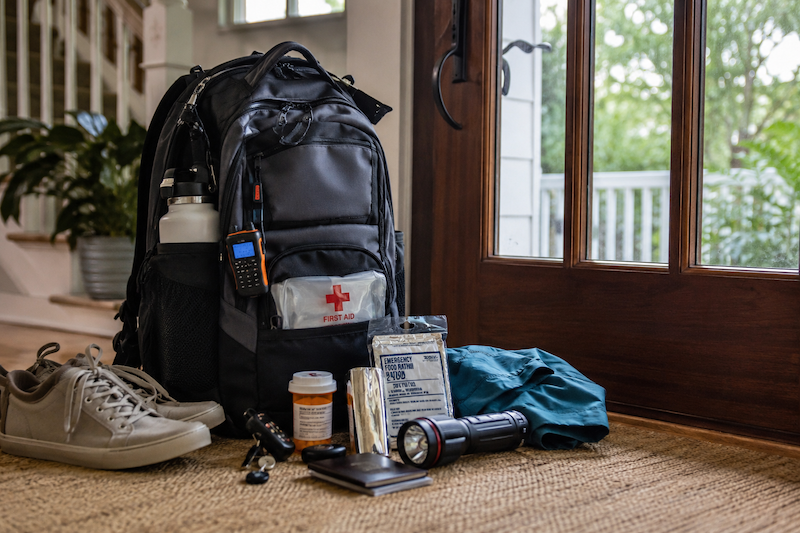 When hurricane watches turn into evacuation orders, there is little time to think. A well-stocked “bug-out bag” keeps essentials within reach for a quick, organized departure, helping you leave early and beat the inevitable crawl to the interstate.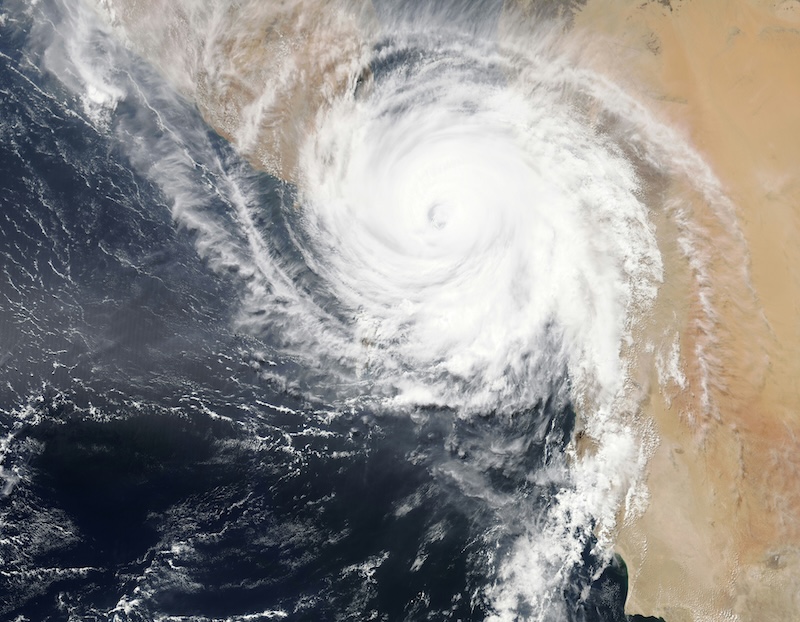
Beat the heat before it beats you
Summer safety in a place that feels hot enough to steam shrimp
Lowcountry summers are beautiful. They are also relentless. By July, humidity hangs thick over marshes, sidewalks shimmer and stepping outside can feel like opening an oven door. Beaches, golf courses, pickleball courts and boat decks turn everyday outings into heat tests.
Hydration becomes essential. Water matters most, but foods with high water content such as watermelon, cucumbers and citrus can help, too. Shade, sunscreen, lightweight clothing, sunglasses and frequent breaks are equally important. Knowing the difference between heat exhaustion and heat stroke can save lives.
Heat exhaustion often shows up as dizziness, nausea, heavy sweating, weakness or fainting. Heat stroke is more severe and requires immediate medical attention. Warning signs include confusion, rapid pulse, dangerously high body temperature and hot, dry skin. In short: if someone seems confused, disoriented or suddenly stops sweating in extreme heat, call 911.
The Lowcountry rewards people who pace themselves. Listen to your body, take breaks and remember: no beach day, boat ride or backyard gathering is worth pushing through dangerous heat. If something feels off, slow down, cool off and take it seriously.
When wildlife needs rescuing
Helping animals starts with knowing when not to help
The Lowcountry belongs to more than people. Dolphins surface in tidal creeks. Sea turtles nest along the shoreline. Shorebirds skim marshes. Alligators wander close to neighborhoods that continue expanding into their habitat.
Seeing wildlife up close feels magical. Seeing wildlife in distress can feel urgent. But in many situations, the best thing you can do is keep your distance.
Good intentions sometimes create bigger problems. Attempting to move stranded wildlife, feed injured animals or intervene without training can increase stress, worsen injuries and place both people and animals at risk. Instead, observe carefully and call trained professionals.
Take note of an animal’s location, visible injuries, unusual behavior and nearby hazards. A stranded dolphin in shallow water, an entangled shorebird or an injured sea turtle may require immediate intervention, but that response should come from trained experts.
Klaus, the dolphin stranded in May, survived because someone noticed something was wrong and made the call. Sometimes courage means stepping in. Sometimes it means stepping back and trusting professionals to take it from there.
When bravery calls
Preparedness does not mean expecting disaster around every corner. It means paying attention. To weather changing overhead. To a swimmer struggling offshore. To signs of heat exhaustion on a friend’s face. To an elderly neighbor who may need help evacuating. To wildlife behaving strangely along the shoreline.
Life in the Lowcountry asks a lot of the people who love it. Heat, storms, tides and wildlife have a way of reminding us that this place is beautiful, unpredictable and occasionally demanding. And when emergencies happen, courage rarely arrives with sirens.
More often, it begins quietly: someone making a phone call, helping a stranger, grabbing an AED, staying calm in rising floodwaters or noticing something others miss. Knowing what to do will not just help keep you safe. It may help you shine when bravery matters most.