Meet the First Responders Protecting the Lowcountry
Behind every emergency call is a team prepared to act. Learn how Lowcountry firefighters, EMS crews, deputies and rescue teams protect their communities every day.
Story by Madison McBride
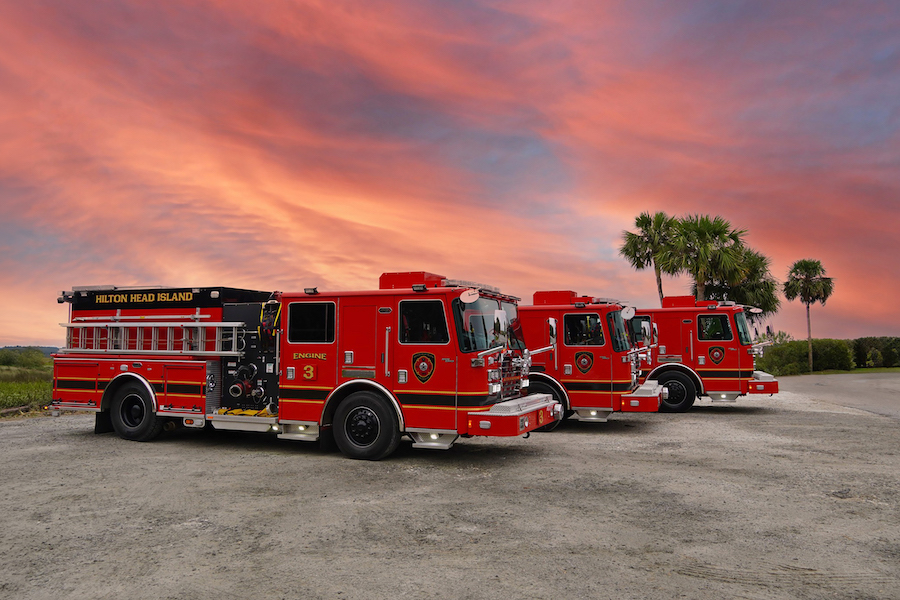
Cover photo by Hilton Head Island Fire Rescue
Before sunrise and long after nightfall, sirens cut through the Lowcountry as flashing lights reflect off still marsh waters. Somewhere nearby, an ordinary day has suddenly become someone’s worst moment. A child stops breathing. A house catches fire. A boater disappears offshore. A crash shuts down a crowded highway. In moments like these, hesitation is not an option.
First responders race down narrow backroads, across crowded beaches, through rising floodwaters and toward emergencies most people instinctively run from. At Parris Island Fire and Emergency Services, firefighters define bravery simply as “doing what you have to do even when you’re scared.” But courage is rarely defined by a single dramatic moment.
Behind every emergency response are thousands of training hours, relentless preparation, personal sacrifice and an unwavering willingness to place others before themselves. Across the Lowcountry, bravery wears many uniforms. Sometimes it arrives in an ambulance. Sometimes by helicopter, patrol boat or fire engine.
These are the people who step forward when ordinary days suddenly become life-changing emergencies. when every second matters.
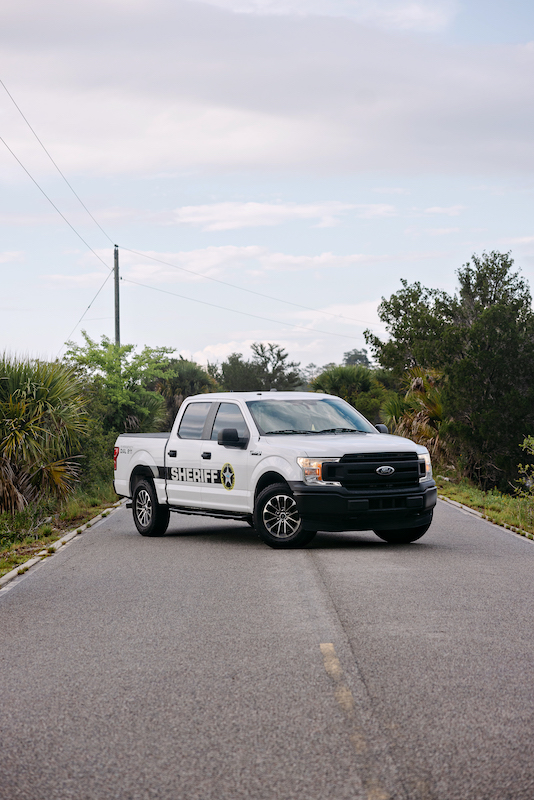
Beaufort County Sheriff’s Office
Danger rarely announces itself, and across Beaufort County, deputies are often the first to confront it. In a region defined by winding waterways, rapidly growing neighborhoods and millions of annual visitors, emergencies can unfold anywhere in an instant. Deputies routinely respond to situations that demand calm decision-making under pressure, often arriving first when lives, safety and public order are suddenly at risk. Their responsibilities extend far beyond traditional law enforcement. Specialized training includes active shooter response, K-9 tracking operations, marine patrol and search-and-rescue missions across the county’s vast network of waterways and coastal communities. Advanced resources such as helicopters, drones and marine units help deputies locate missing persons, assist stranded boaters and provide critical support during large-scale emergencies and natural disasters.
On average, Beaufort County deputies respond to nearly 760 calls each day, carrying the responsibility of protecting a community where ordinary moments can quickly turn unpredictable.
Beaufort County Emergency Medical Services
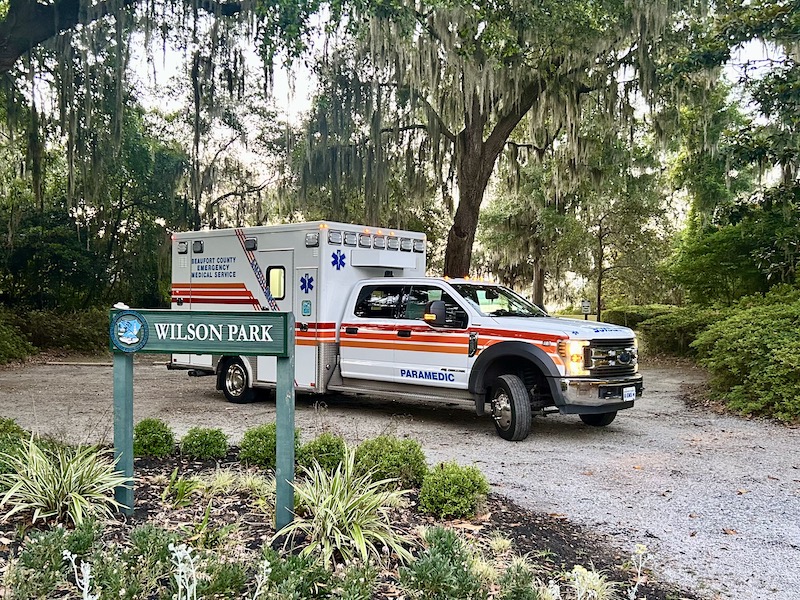
Some emergencies leave no room for second chances. Every year Beaufort County Emergency Medical Services responds to nearly 21,000 calls, bringing lifesaving care directly to people experiencing some of the most critical moments of their lives. Cardiac arrests. Traumatic injuries. Severe heat emergencies during the height of summer tourism. Paramedics often begin life-saving treatment long before patients ever reach a hospital.
Specialized equipment such as cardiac monitors, chest compression systems and advanced airway devices allow crews to begin critical interventions immediately, turning precious seconds into opportunities for survival. But delivering emergency care in the Lowcountry brings unique challenges. Crowded roadways, extreme heat, rapidly changing weather and heavy tourist traffic can complicate even the most urgent calls. For these paramedics, the distance between life and death is often measured in seconds, and they are asked to make every one of them count.
Bluffton Township Fire District
Protecting one of the Lowcountry’s fastest-growing communities requires a constant state of readiness. Serving 246 square miles from nine stations, Bluffton Township Fire District responds around the clock to structure fires, medical emergencies, technical rescues and hazardous material incidents where seconds often decide outcomes. But firefighting extends far beyond emergency calls.
Firefighters regularly install smoke detectors, lead public safety education programs and help residents prepare long before disaster strikes. When emergencies happen, extensive training becomes everything. Firefighters earn EMT certifications, train for specialized rescue operations and master the advanced equipment required for the region’s demanding conditions.
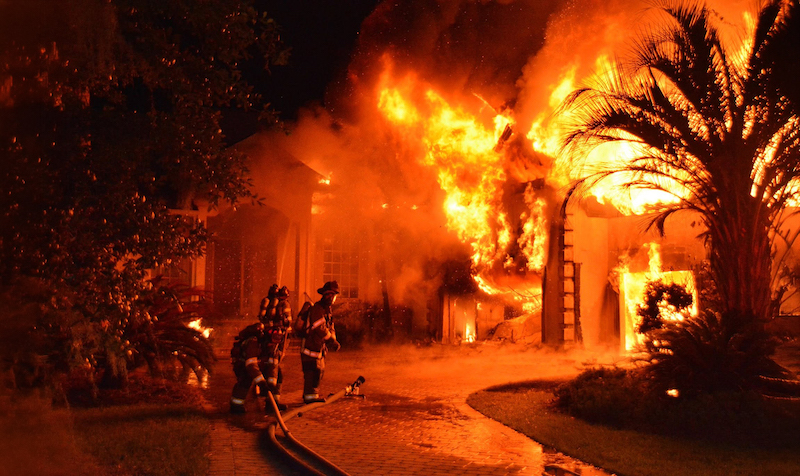
That preparation was recently tested during a Simmonsville Road fire sparked by unattended incense. Although the mobile home was ultimately lost, crews quickly contained the fire and helped ensure every resident escaped safely.
City of Beaufort/Town of Port Royal Fire Department
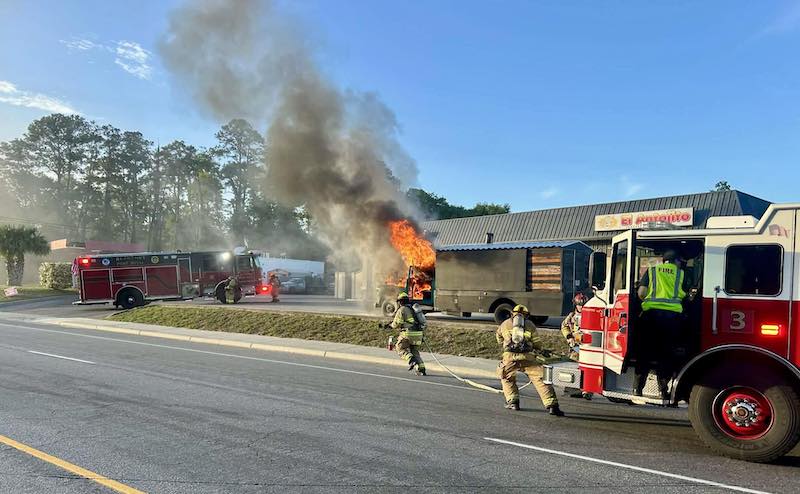
Serving communities that range from historic waterfront neighborhoods to major military installations requires extraordinary preparation. The City of Beaufort/Town of Port Royal Fire Department holds an elite ISO Class One rating, placing it among the top one percent of fire departments nationwide. But that distinction is built long before emergency calls arrive.
Firefighters remain deeply involved in the community through fire prevention programs, public education efforts and services such as smoke alarm and child car seat installations designed to keep residents safe before disaster strikes. In 2025 alone, firefighters responded to more than 6,000 calls while completing thousands of hours of live-fire training.
That preparation was recently tested during a Port Royal house fire where flames were already tearing through the roof as crews arrived. Residents were feared trapped inside. Firefighters immediately entered the burning home and conducted an intense search-and-rescue operation that helped ensure every occupant escaped safely.
South Carolina Highway Patrol
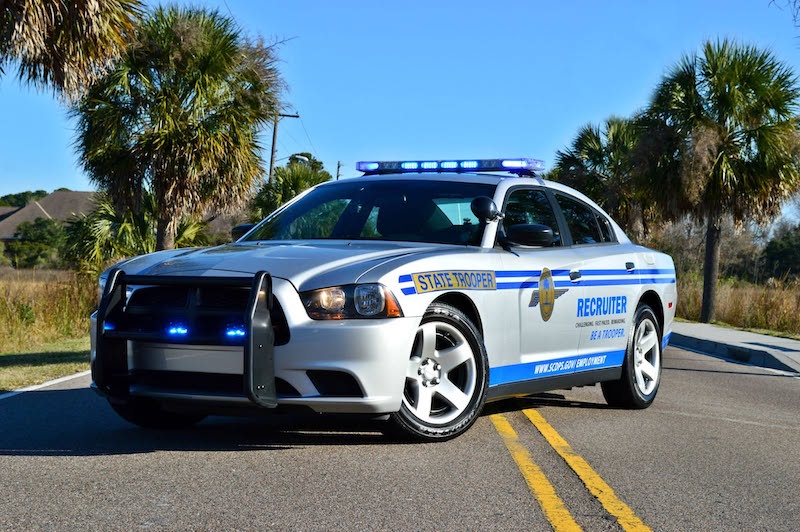
Some of the most dangerous emergencies happen at full speed. Whether responding to major crashes on Interstate 95, assisting stranded drivers along U.S. 278 or managing evacuation traffic when hurricanes threaten the coast, South Carolina Highway Patrol troopers operate in environments where split-second decisions can mean the difference between life and death.
Patrolling nearly 6,000 miles of roadway across all 46 counties, troopers serve as a constant presence on the highways that keep South Carolina moving. During holiday weekends and peak tourist season, heavy congestion, serious collisions and a sharp increase in emergency calls quickly raise the stakes.
But traffic enforcement is only one part of the job. Troopers regularly assist stranded motorists, respond during severe weather and help coordinate large-scale evacuations when dangerous storms move toward the coast, often managing some of the most stressful driving conditions the state experiences all year. For these officers, courage is measured not only in the ability to react quickly, but in the willingness to step into fast-moving situations where danger can arrive without warning.
Burton Fire District
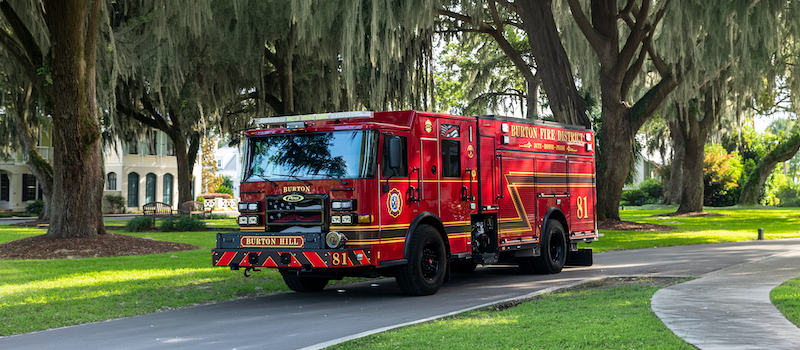
No two emergencies ever look the same. Since 1973 Burton Fire District has responded to brush fires, hazardous material incidents, vehicle accidents and medical emergencies that demand constant adaptability under pressure. The department has long been recognized as a leader in emergency medical care and was among the first in the region to provide paramedic- level services directly from fire apparatus, allowing advanced treatment to begin immediately at emergency scenes.
But Burton’s mission extends beyond disaster response. Through CPR, Stop the Bleed and CERT training programs, firefighters equip ordinary residents with the knowledge to act before first responders arrive. As Fire Chief Harry Rountree explains, “Today’s fire service is no longer one dimensional.” By teaching residents how to act before help arrives, firefighters are building a stronger and safer community long before the next emergency begins.
Sheldon Fire District
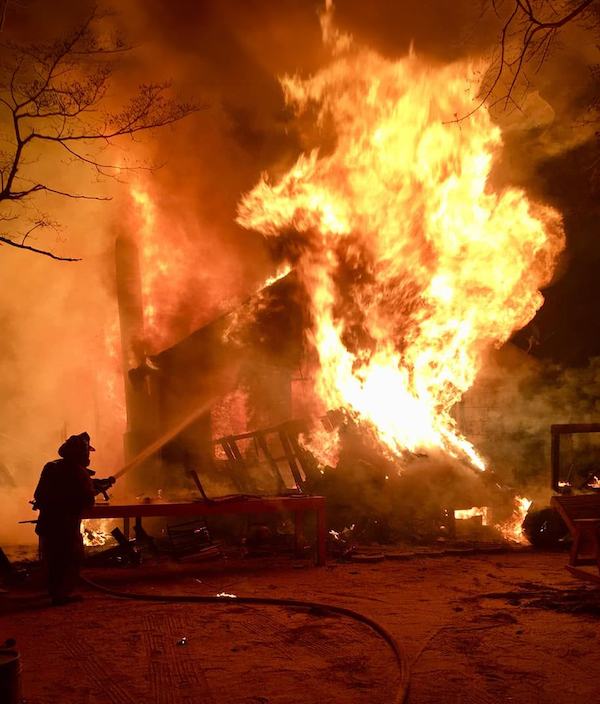
Emergency response looks very different where help may be miles away. Serving a large rural district since 1977, Sheldon Fire District protects communities where long stretches of road, limited infrastructure and fewer nearby resources create challenges many departments never face.
Operating two stations staffed by 18 firefighters and 20 volunteers, crews respond to everything from medical emergencies and vehicle extrications to severe storm damage and structure fires. One of the district’s greatest challenges is water. With limited hydrants throughout the area, firefighters rely heavily on tanker operations and careful water management while battling active fires. Long response distances, unpredictable weather and limited backup resources demand quick thinking and constant adaptability.
U.S. Coast Guard
Long after the beaches empty and the marshes fall quiet, Coast Guard crews remain on watch. Somewhere offshore, a vessel may be disabled. A fisherman may be missing. Weather may have turned an ordinary afternoon on the water into a life-threatening emergency. There are no roads leading to these emergencies.
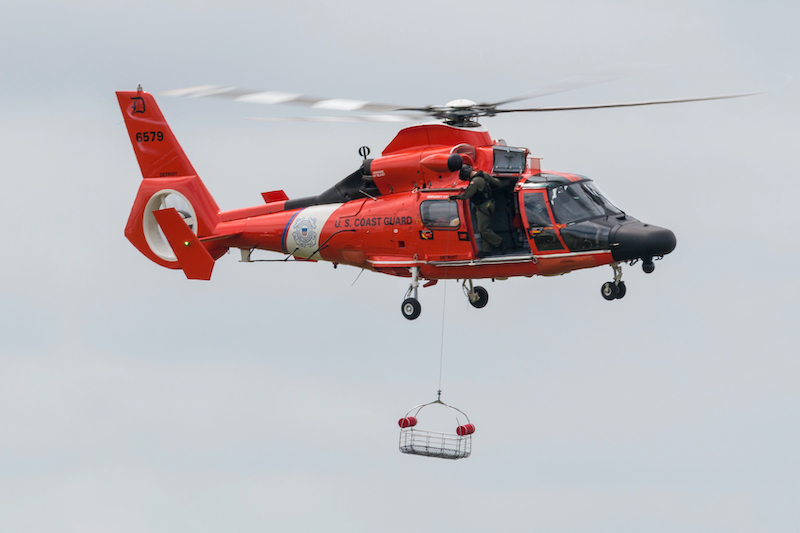
Coast Guard crews train relentlessly for high-pressure rescues requiring speed, precision and the ability to navigate rough seas, darkness and unpredictable conditions. That readiness was tested earlier this year in Skull Creek when two jet skiers became stranded deep in pluff mud after running aground. A helicopter crew responded immediately, lowered into the remote marsh and safely hoisted both individuals back to shore.
Daufuskie Island Fire Rescue
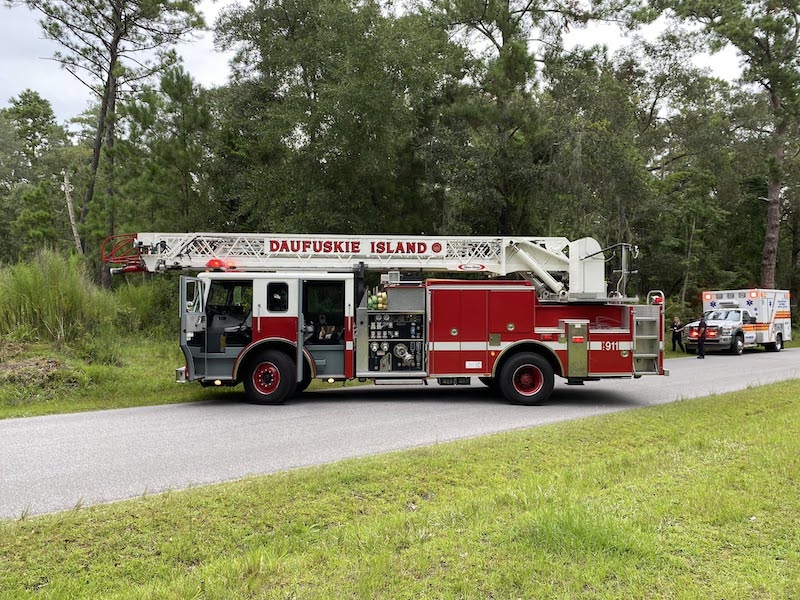
Emergency response looks very different when backup is separated by water. Located on an island accessible only by boat, Daufuskie Island Fire Rescue serves as the community’s primary emergency response team and lifeline when emergencies unfold.
Life here revolves around the water, making marine emergency response essential. Firefighters train for swift-water rescues, boat operations and severe weather emergencies that can quickly place residents and visitors in danger. But isolation remains the island’s greatest challenge. With one station and a small full-time crew, firefighters rely heavily on creativity, teamwork and fast decision-making when emergencies strike. On Daufuskie, help is not simply minutes away. When the alarm sounds, these firefighters carry more than equipment. They carry the responsibility of serving as the island’s lifeline.
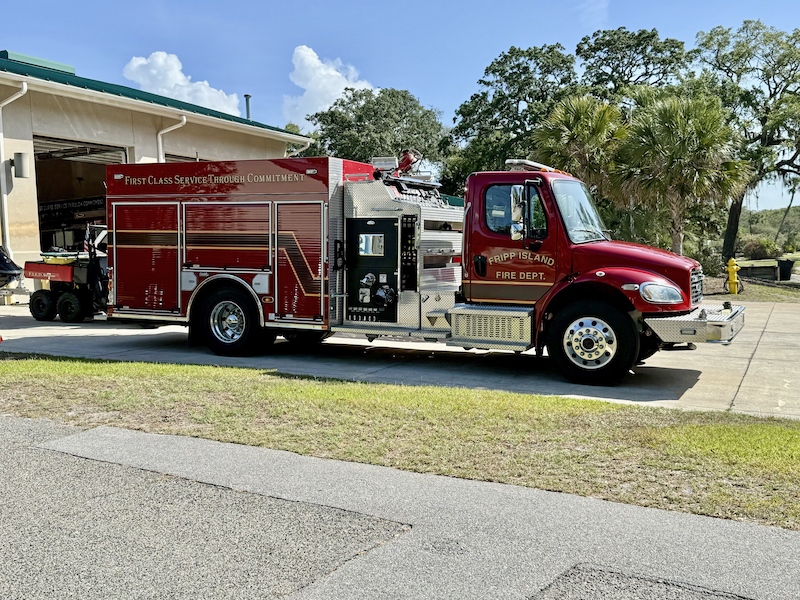
Fripp Island Fire Department
Protecting Fripp Island means protecting the environment that makes the island special. Operating from a single coastal station, firefighters balance emergency response with environmental stewardship, protecting residents, visitors and some of the Lowcountry’s most fragile coastal ecosystems. Shifting tides, severe weather and limited access points require specialized preparation.
Firefighters train for beach rescues, boating emergencies, hurricane response and structure fires while navigating sandy shorelines and monitoring the Fripp Inlet Bridge. Their mission extends beyond emergencies. Crews also enforce beach fire restrictions and help safeguard sensitive sea turtle nesting areas that make the island unlike anywhere else in the Lowcountry.
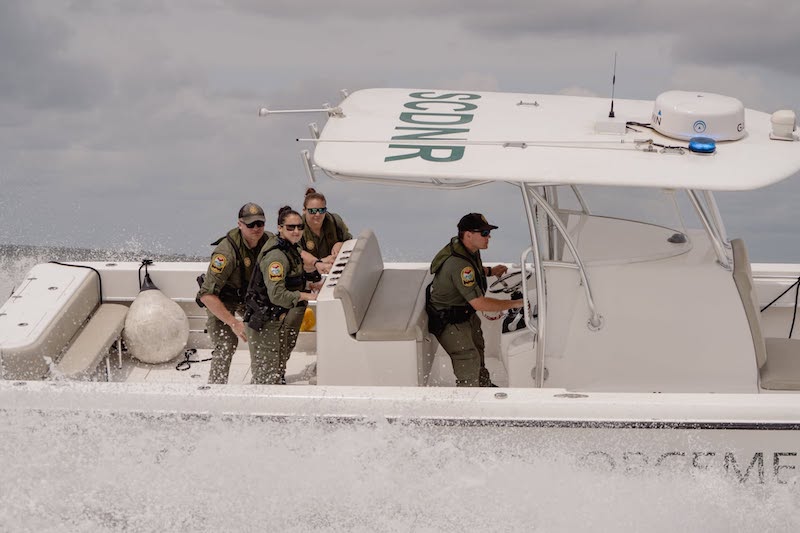
South Carolina Department of Natural Resources
Not every emergency call involves people. Across the Lowcountry, officers with the South Carolina Department of Natural Resources respond to stranded boaters, injured wildlife, illegal harvesting operations and emergencies threatening the fragile ecosystems that define coastal South Carolina. Their work sits at the intersection of public safety and environmental protection.
During summer months officers patrol crowded waterways, enforce boating safety regulations and respond to marine emergencies, as traffic across local waterways surges. The department also plays a vital role protecting Hilton Head Island’s sea turtle population, monitoring nesting areas and helping educate visitors about preserving the habitats that sustain life along the coast. For these officers, service means protecting an entire way of life.
Whether rescuing stranded boaters, enforcing laws on crowded waterways or protecting fragile coastal habitats, these officers work where public safety and environmental protection collide.
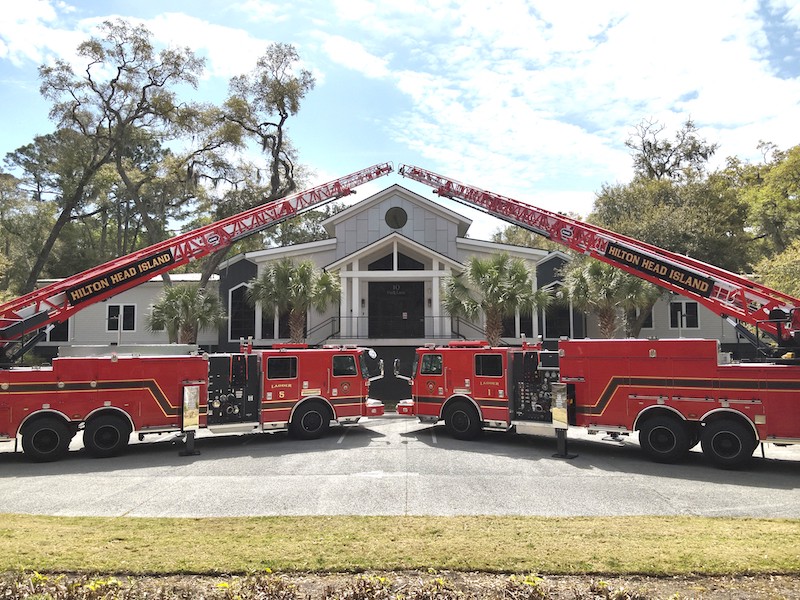
Hilton Head Island Fire Rescue
Protecting one of South Carolina’s busiest tourist destinations demands extraordinary readiness. Across crowded beaches, resort communities and heavily traveled summer roadways, Hilton Head Island Fire Rescue responds to emergencies shaped by the constant flow of visitors and the unique challenges of island life. During peak summer season, crowded shorelines and extreme heat can quickly turn an ordinary beach day into a medical emergency.
From the moment a 911 call is placed, the department’s in-house communications center helps dispatch crews immediately. Preparation extends beyond emergency response. A dedicated mobile app provides residents and visitors with weather alerts, incident updates and public safety information before dangerous situations develop. On an island built around recreation and tourism, protecting paradise means preparing for the unexpected.
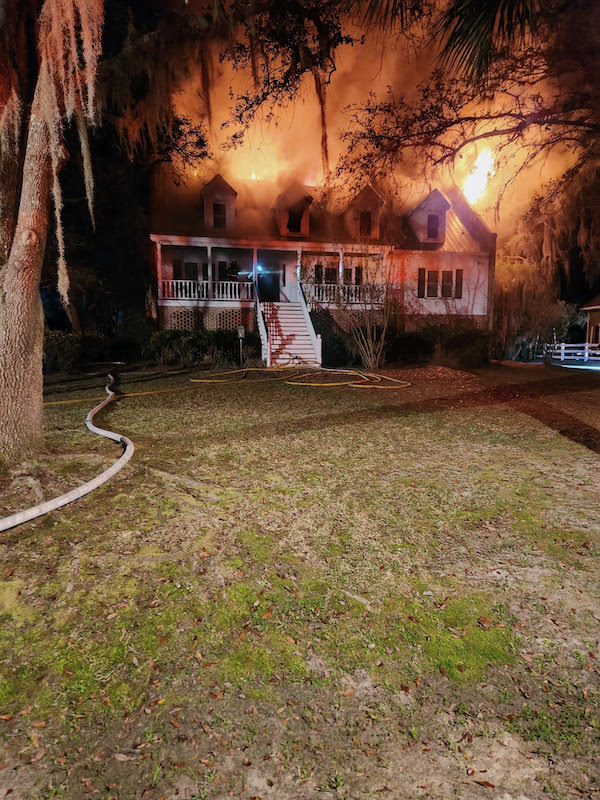
Lady’s Island-St. Helena Fire District
Across the South Carolina Sea Islands, emergencies can take many forms, and sometimes the most important work begins after the flames are extinguished. Serving more than 140 square miles from five stations, Lady’s Island-St. Helena Fire District protects one of the region’s fastest-growing coastal communities while responding to fires, hazardous incidents and medical emergencies throughout the district.
Fire investigations often begin after the flames are extinguished, and sometimes the answers lie with one of the department’s most valuable team members: Buzz, a specially trained arson K-9 capable of detecting flammable accelerants and helping investigators determine whether a fire was intentionally set.
Beaufort County Emergency Management Division
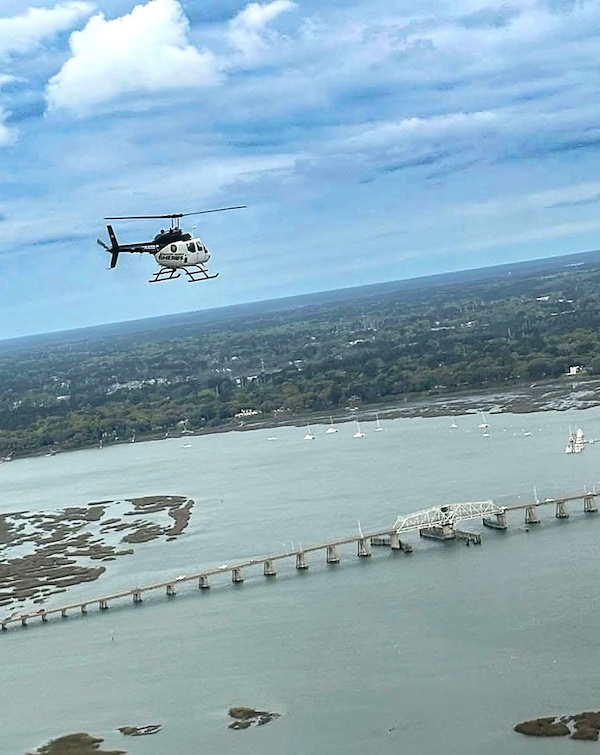
Long before hurricane warnings flash across television screens and storm clouds gather offshore, the Beaufort County Emergency Management Division is already preparing for what comes next. As part of the Beaufort County Sheriff’s Office, the division leads disaster planning and coordinates emergency response efforts during hurricanes, flooding, wildfires and other large-scale emergencies that threaten the Lowcountry.
In a region defined by waterways and vulnerable coastlines, readiness extends far beyond severe weather. The division maintains 24/7 marine patrol operations, using drones to monitor waterways and assist during boating incidents and search operations.
Specialized resources including OH-58 helicopters, sonar, radar and FLIR thermal imaging technology allow crews to operate effectively in dangerous and rapidly changing conditions, whether responding to natural disasters or assisting in critical search-and-rescue missions.
While most people begin preparing when danger arrives, this division works behind the scenes long before disaster strikes — helping ensure Lowcountry communities stay informed, protected and ready for whatever comes ashore.
Marine Corps Air Station Beaufort Fire Department
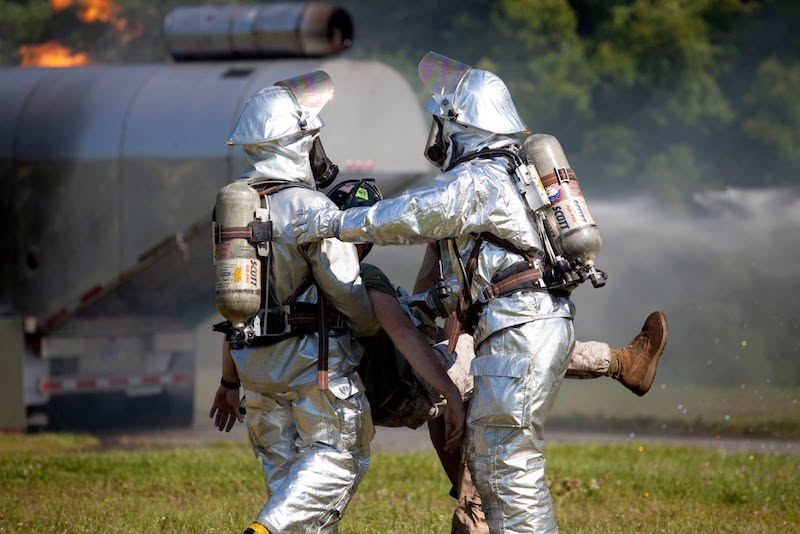
There is no rehearsal when a fighter jet goes down. At Marine Corps Air Station Beaufort, firefighters prepare for emergencies unlike those faced by most departments. Aircraft malfunctions. Emergency landings. Fuel fires. Crash rescues. Everything happens fast.
Specially trained crews respond to aircraft crashes, fuel spills, engine failures and emergency evacuations involving some of the military’s most advanced aircraft. Preparation is constant. Live-fire simulations, aircraft rescue drills and mass casualty exercises prepare crews for the unimaginable.
Parris Island Fire and Emergency Services
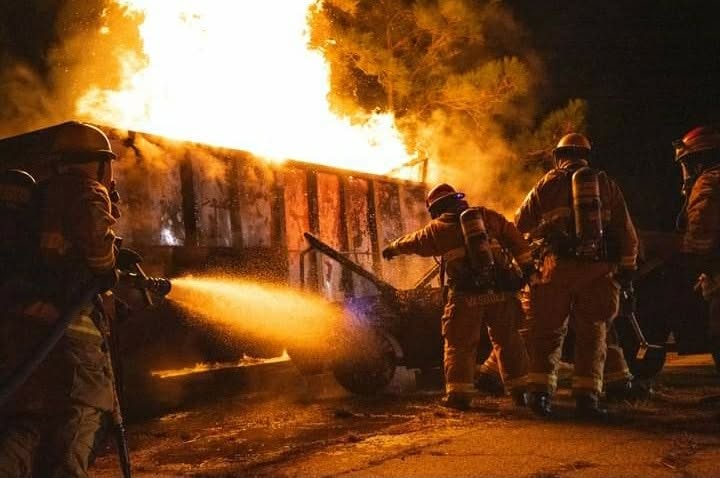
At Marine Corps Recruit Depot Parris Island, service is measured by far more than emergency response alone. Built on discipline, endurance and compassion, the department serves one of the most demanding military environments in the country, with nearly 70% of firefighters having prior military experience themselves. That shared background creates trust when responding to emergencies involving recruits, service members and military families.
As Fire Chief John Powell explains, “Bravery often means making someone’s worst day a little less worse.” Though proud to have earned Department of the Year honors for both the East Coast and the Marine Corps, firefighters say their greatest reward comes from simply helping others.
That commitment was recently on display when a children’s center on base unexpectedly flooded before opening. Although cleanup fell outside their official responsibilities, firefighters immediately stepped in, spending more than an hour clearing water so the facility could reopen for military families. For these firefighters, courage is not always found in dramatic rescues. Sometimes, it is simply found in the willingness to serve whenever someone needs help.