Historic Lowcountry Sites That Changed History: Places of Courage and Legacy
Brave places. Historic sites where courage changed the course of Lowcountry history.
Story by Mary Bell
The Lowcountry’s beauty is impossible to ignore. Yet beneath that beauty lies something deeper: stories of courage. Across South Carolina and coastal Georgia, historic sites preserve the legacies of soldiers, freedom seekers, educators, civil rights leaders and ordinary citizens who faced extraordinary challenges. Some stood on battlefields. Others built schools, communities and movements that changed lives. Together these places offer more than a glimpse into the past. They invite us to stand where brave decisions were made and discover how those moments continue to shape the Lowcountry today.
A place built for reflection
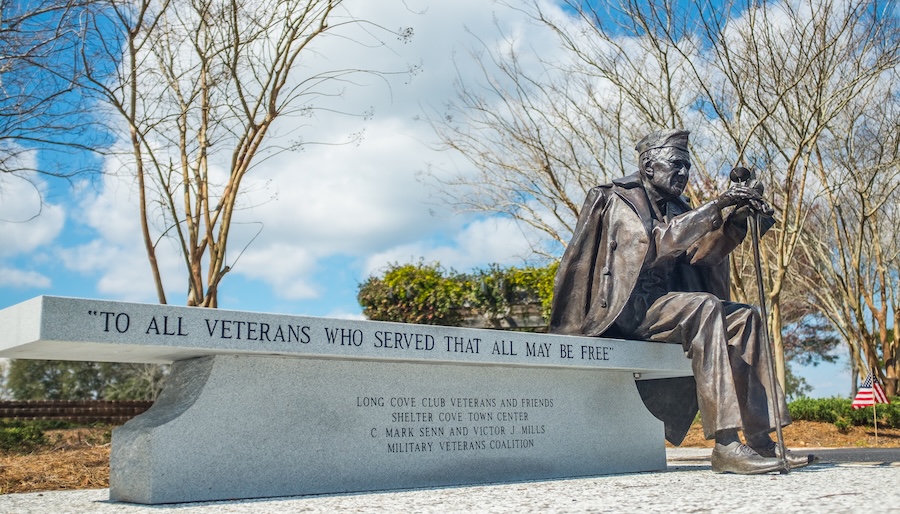
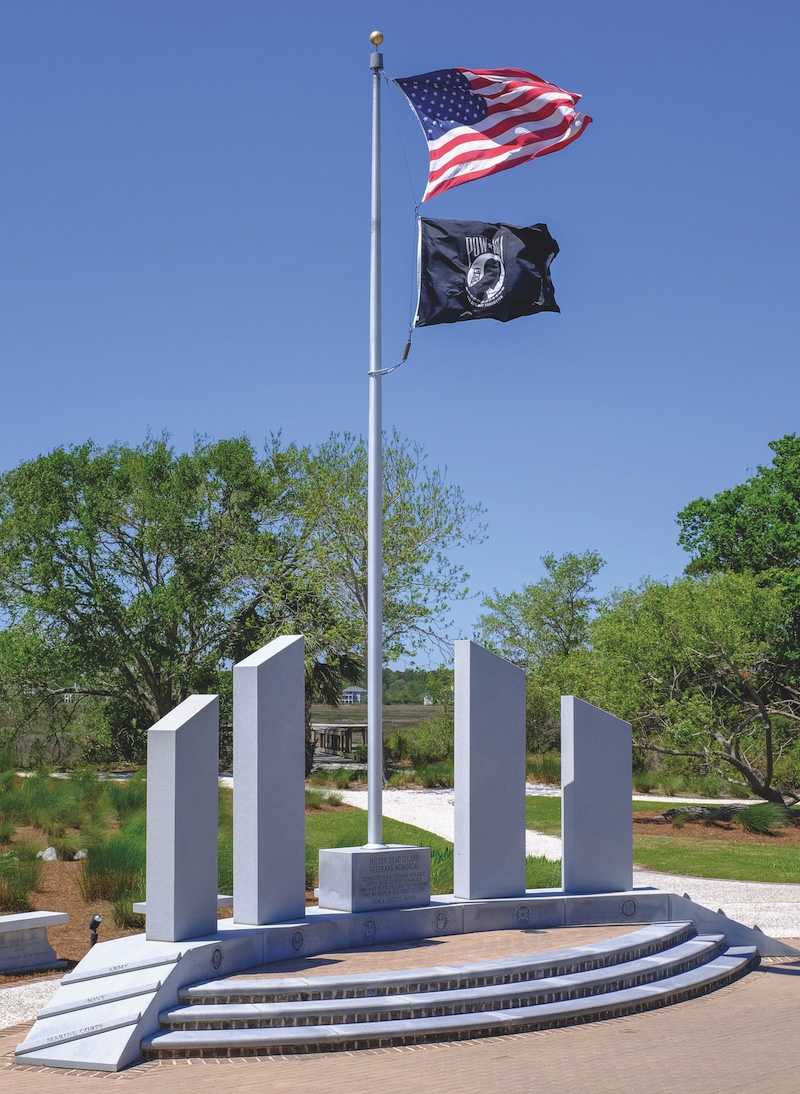
Veterans’ Memorial Park
Overlooking the waters of Broad Creek, Veterans’ Memorial Park offers a peaceful place to honor the men and women who served in America’s armed forces. Flags wave from a landmark flagpole while memorials, public art and quiet seating areas invite visitors to pause and reflect on the devotion of service members from every generation. Connected to Shelter Cove Community Park by a scenic waterfront pathway, the park serves not only as a place of remembrance but also as a gathering space for the island’s annual Veterans Day and Memorial Day ceremonies. Its intimate setting creates a personal connection to the stories of duty, service and commitment that continue to shape the nation.
Plan a visit: 59 Shelter Cove Lane, Hilton Head Island; open daily. Free admission. Features include a waterfront walking path, public art, memorials and seating areas overlooking Broad Creek.
Where Marines are made
Parris Island Museum
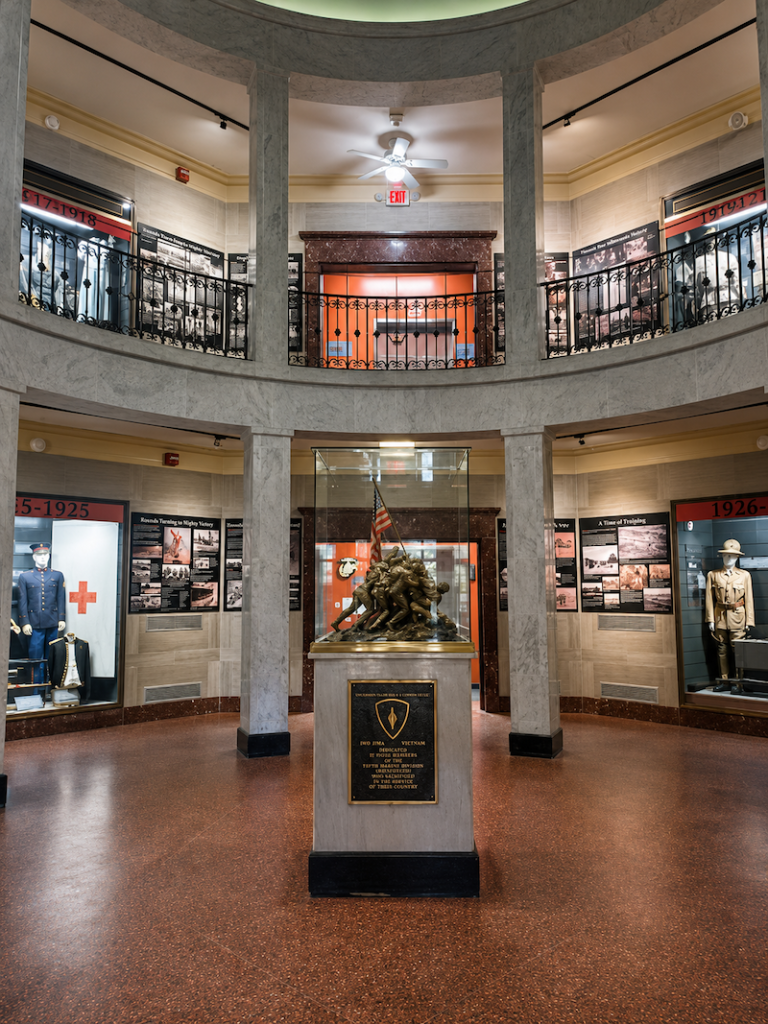
Long before recruits earned the title Marine on Parris Island, the land itself played a significant role in American history. Located aboard Marine Corps Recruit Depot Parris Island, this free museum traces the story of the island from its Native American inhabitants and early French and Spanish settlements to its evolution into one of the nation’s most iconic military training grounds. Through uniforms, weapons, photographs and thousands of artifacts, visitors gain insight into the history, traditions and service of the Marine Corps, as well as the strategic importance of Port Royal through centuries of conflict. The exhibits also honor the generations of recruits who endured one of the nation’s most demanding training programs before answering the call to serve around the world.
Plan a visit: 676 Panama Street, Parris Island; 10 a.m.-4:30 p.m., Monday-Saturday. Free admission. Visitors must present ID, vehicle registration and proof of insurance for base access.
©USMC Museum Parris Island 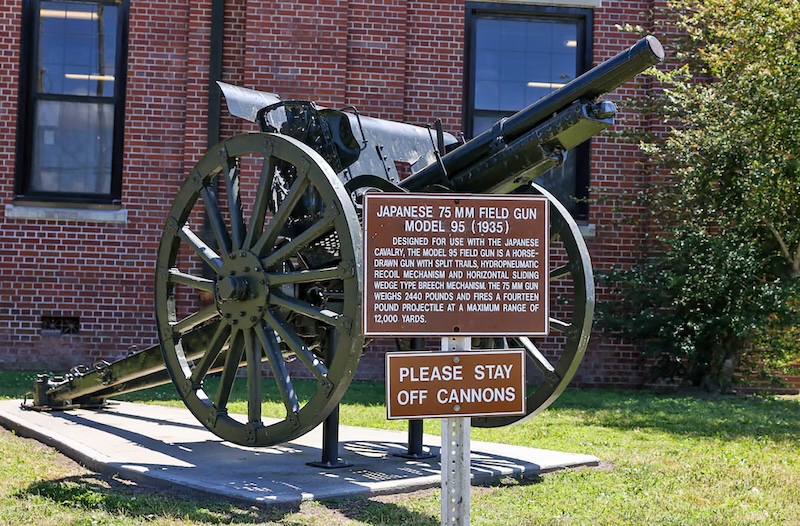
©USMC Museum Parris Island
The fort that still echoes
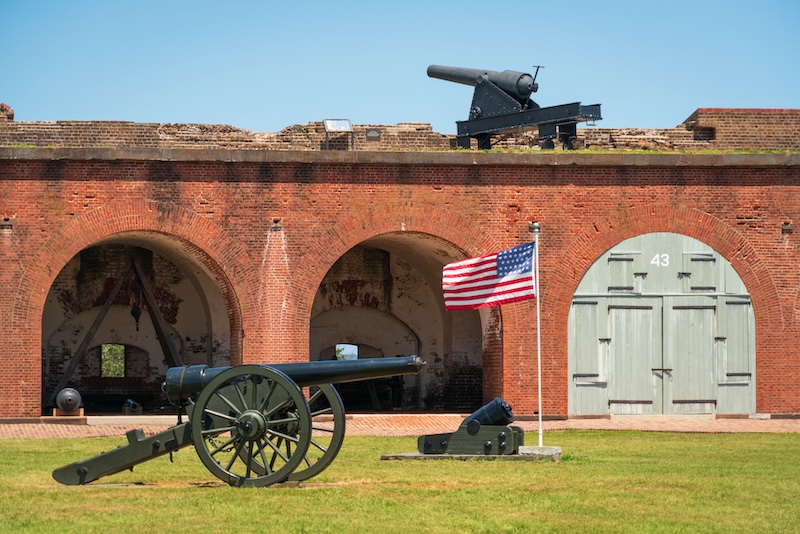
Fort Pulaski National Monument
Rising from Cockspur Island between Savannah and Tybee Island, Fort Pulaski stands as one of the Civil War’s most significant landmarks. Built with nearly 25 million bricks and once considered impenetrable, the fort became the site of a military turning point in 1862, when Union forces used rifled cannons to breach its massive walls, forever changing the future of warfare. Visitors can explore the fort’s corridors, ramparts and parade grounds while learning about the soldiers who served there and the difficult decisions they faced during wartime. The site also played an important role in the story of freedom in the South after Union forces occupied the fort and the surrounding area. Today the remarkably preserved fort offers a powerful look at the leadership, sacrifice and transformation that shaped American history.
Plan a visit: 101 Fort Pulaski Road, Savannah; 9 a.m.-5 p.m. daily. Admission $10 per person; ages 15 and younger free.
Beneath the oaks, a nation remembers
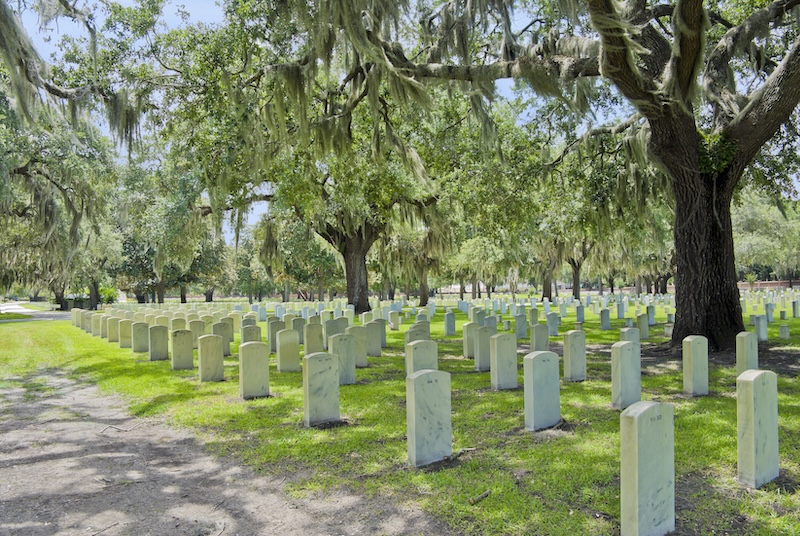
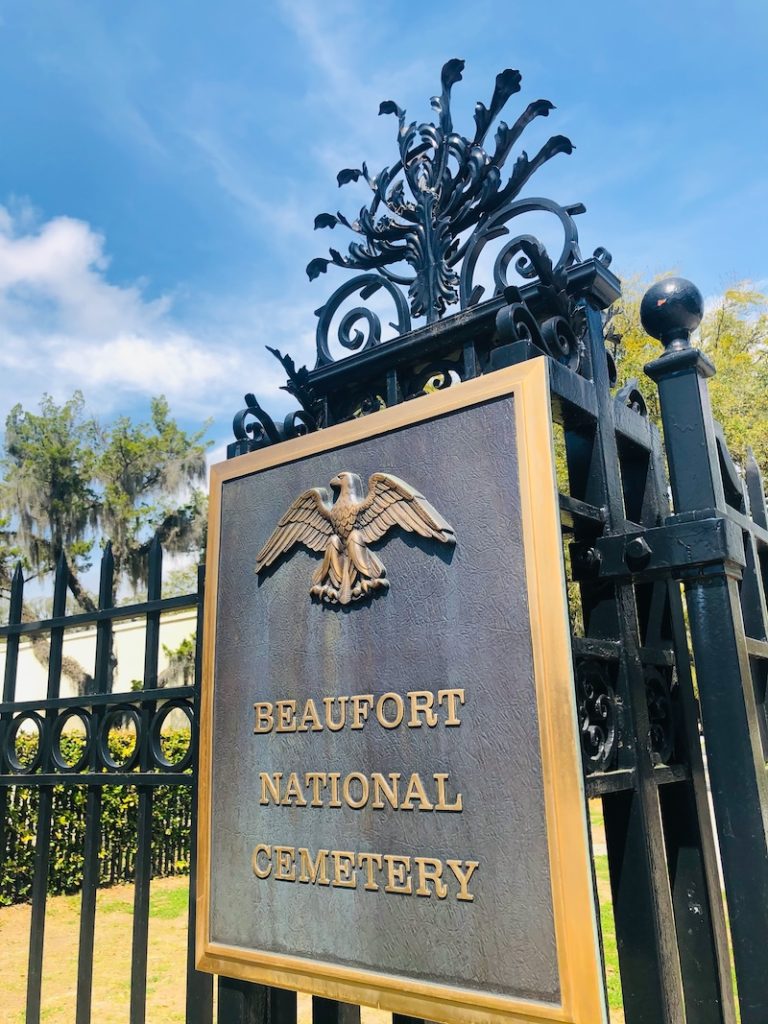
Beaufort National Cemetery
Beneath a canopy of live oaks draped in Spanish moss, Beaufort National Cemetery stands as one of the Lowcountry’s most powerful reminders of the cost of freedom. Established during the Civil War and designated a national cemetery by President Abraham Lincoln in 1863, the site began as a burial ground for Union soldiers who died in nearby military hospitals following the Battle of Port Royal. Today more than 19,000 veterans, service members and family members are laid to rest here, representing every major American conflict from the Civil War to the Gulf War. Rows of white headstones stretch across the landscape, honoring generations who answered the call to serve. Quiet, dignified and moving, the cemetery offers a lasting reminder that bravery is often measured not by a single act, but by a lifetime of dedication.
Plan a visit: 1601 Boundary Street, Beaufort; open daily from 8 a.m. until sunset. Free admission.
Courage at 30,000 feet
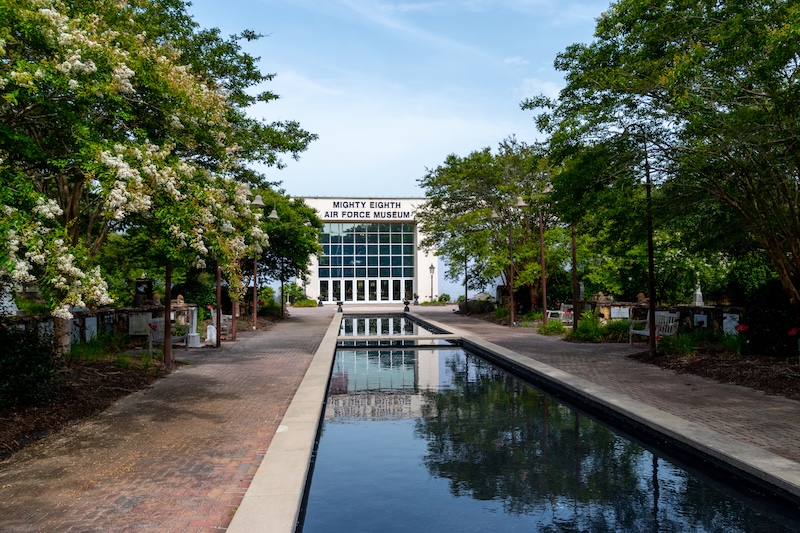
National Museum of the Mighty Eighth Air Force
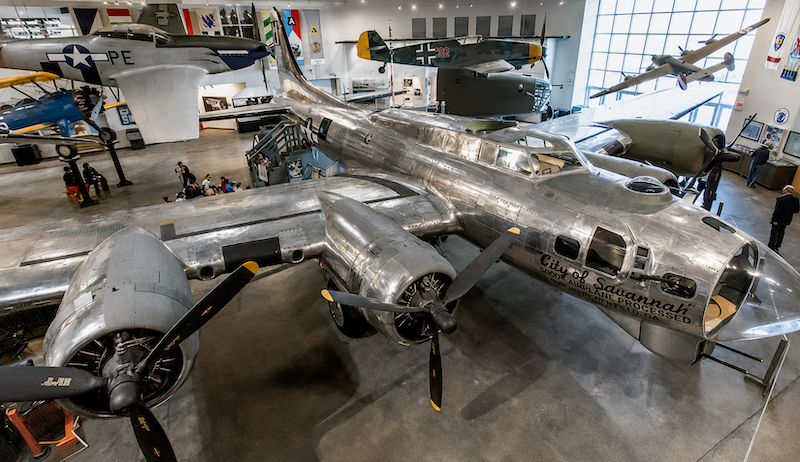
The National Museum of the Mighty Eighth Air Force preserves the legacy of the American airmen who carried the fight across the skies of Europe during World War II. Dedicated to the Eighth Air Force, whose bomber crews faced staggering odds and casualty rates, the museum combines powerful personal stories with remarkable aviation history. Handwritten letters, uniforms, photographs and archival materials reveal the human side of war, while aircraft exhibits bring the scale of their mission into focus. Visitors can view historic planes, including a B-17 Flying Fortress undergoing restoration, and explore immersive exhibits that honor the determination and service of those who flew dangerous missions over enemy territory. More than an aviation museum, it is a tribute to a generation whose actions helped shape the course of history.
Plan a visit: 175 Bourne Avenue, Pooler; 10 a.m.-5 p.m., Tuesday-Saturday, and noon-5 p.m. Sunday. Adult admission $19; seniors $17; youth (6-12) $11; children 5 and under free.
Where freedom took root
Historic Mitchelville Freedom Park
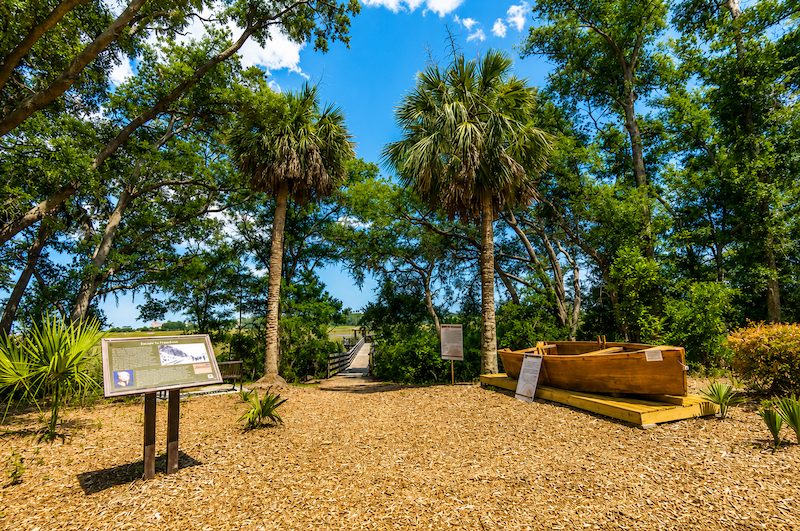
Tucked between the marshes and shoreline of Hilton Head Island’s north end, Historic Mitchelville Freedom Park preserves the story of the nation’s first self-governed freedmen’s town. Established during the Civil War, Mitchelville became a place where formerly enslaved people built homes, established schools, created local government and laid the foundation for a new life in freedom. Today interpretive exhibits, walking trails and historic markers bring that remarkable story to life, highlighting the determination and vision of residents who transformed opportunity into a thriving community. Recognized as part of the Reconstruction Era National Historic Network, the park stands as one of the Lowcountry’s most important sites for understanding the enduring legacy of freedom and self-determination.
Plan a visit: 40 Harriet Tubman Way, Hilton Head Island; open daily from 6 a.m.-9 p.m. Free admission. Features include historic exhibits, interpretive trails, beach access, a picnic pavilion, observation gazebo and the Toni Morrison Bench.
Preserving culture through courage
Penn Center
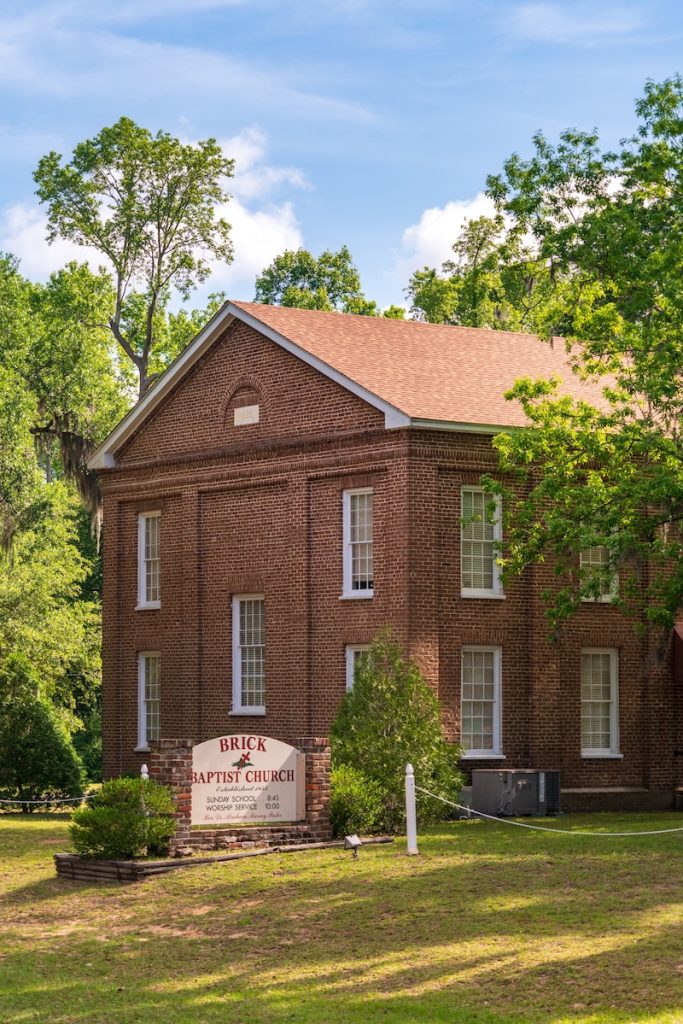
Founded in 1862 on St. Helena Island, Penn Center began as the first school in the South established specifically to educate formerly enslaved people. Created during the Port Royal Experiment, it provided opportunities for education, leadership and self-determination at a pivotal moment in American history. Students who had once been denied access to education pursued knowledge there, while later generations continued the institution’s mission of empowerment and progress. The campus also played an important role in the Civil Rights Movement by hosting Dr. Martin Luther King Jr. and other movement leaders. Today this National Historic Landmark preserves the rich traditions of Gullah culture while honoring those who pursued equality and opportunity despite extraordinary barriers.
Plan a visit: 16 Penn Center Circle W., St. Helena Island; 9 a.m.-4 p.m., Tuesday-Saturday. Self-guided tours are $10, while docent-led tours are $15. Children ages 5 and younger are admitted free.
Layers of Lowcountry history
Beaufort History Museum
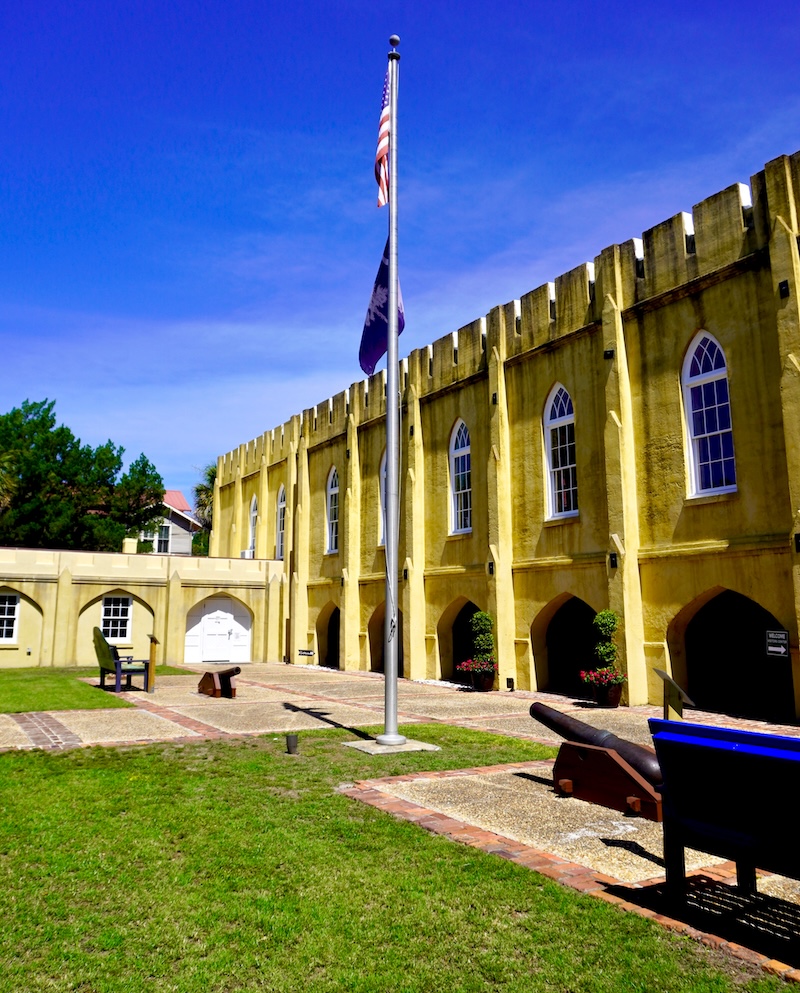
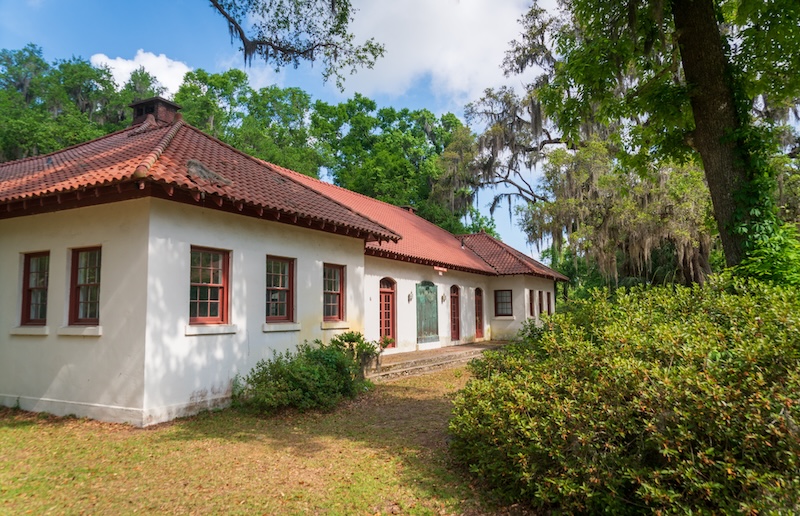
Housed in Beaufort’s historic Arsenal building, the Beaufort History Museum brings more than 450 years of Lowcountry history to life through artifacts, exhibits and compelling local stories. Visitors journey from the Spanish settlement of Santa Elena on nearby Parris Island to the Revolutionary War, the Civil War and Reconstruction, exploring the events and people who helped shape both the region and the nation. Along the way the museum highlights stories of leadership, perseverance and service, from Declaration of Independence signer Thomas Heyward Jr. to the formerly enslaved men and women who helped build a new future during the Port Royal Experiment. Few places offer a broader perspective on the determination woven throughout the Lowcountry’s past.
Plan a visit: 713 Craven St., Beaufort; 10 a.m.-4 p.m., Tuesday-Friday, and 10 a.m.-3 p.m. Saturday. Admission is $8 for adults and $7 for seniors. Active-duty military members and children younger than 12 are admitted free.