5 Lowcountry Places Where History, Mystery and Legend Meet
Explore five Lowcountry places in Beaufort, Sheldon and Daufuskie Island where ghost stories, Gullah traditions, history and local legends intertwine.
Story by Lance Hanlin
Photography by Michael Hrizuk
In the Lowcountry the past is never far away. It reveals itself in ruined churches, old mansions and weathered cemeteries, where ghost stories, spiritual traditions and historical mysteries blur the line between fact and folklore. Here are five local places where the two intertwine.
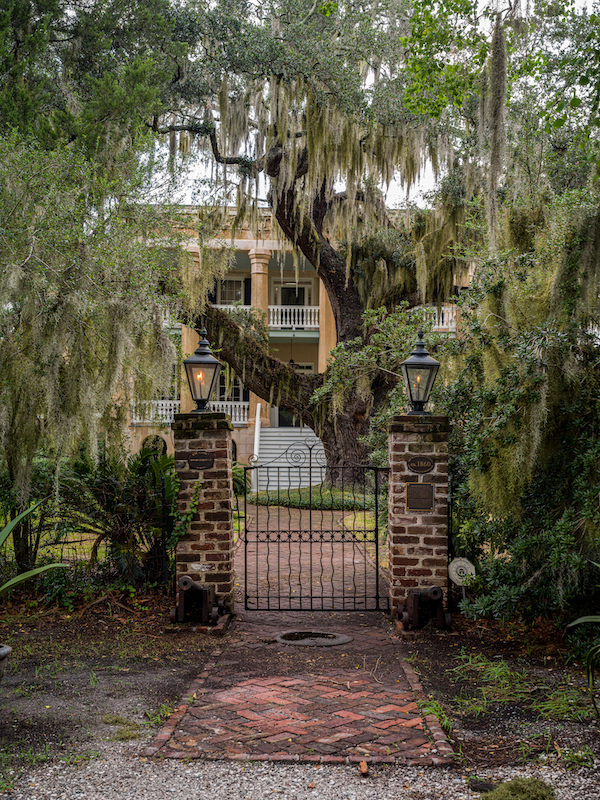
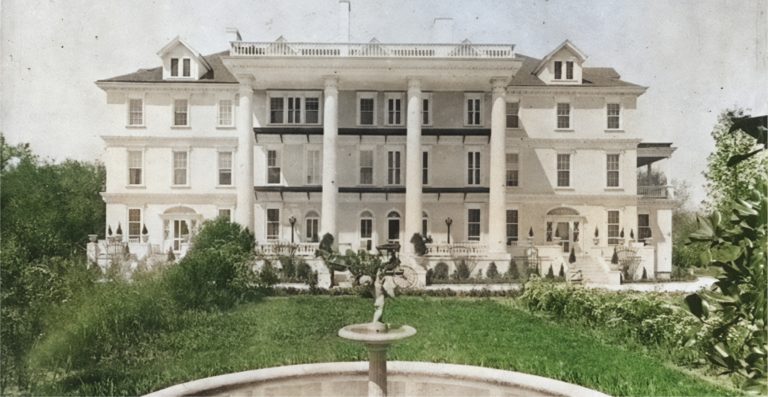
The Castle, Beaufort
Few Beaufort homes come with a ghost story as colorful as the Castle. The Craven Street mansion was still unfinished when Union forces occupied Beaufort in 1861 and used it as part of a military hospital, with a small building behind the house serving as a morgue. But its most famous resident, according to legend, arrived nearly 300 years earlier. Gauche, a dwarf and jester said to have accompanied French explorer Jean Ribaut in 1562, is believed to haunt the property. Stories about Gauche credit him with tapping messages, moving furniture, jingling bells and leaving red handprints on windows. No records prove Gauche ever existed, but his legend has become inseparable from the Castle.
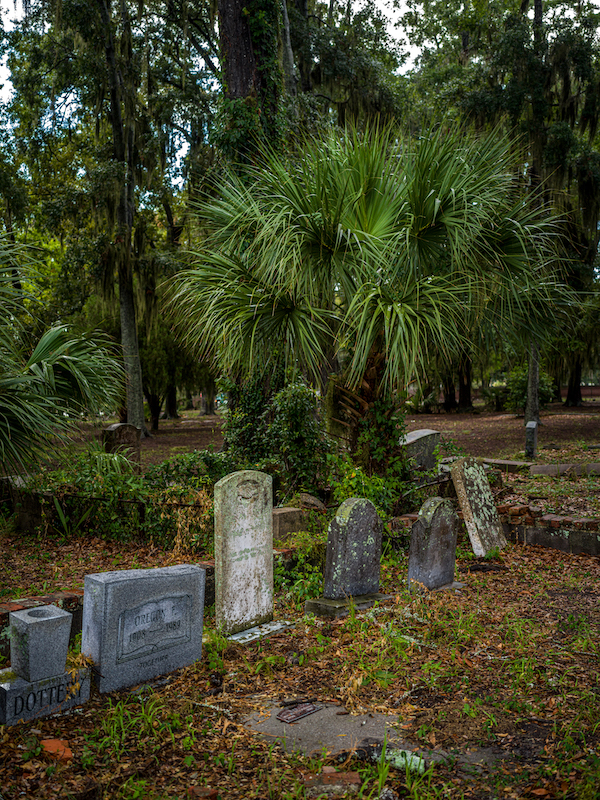
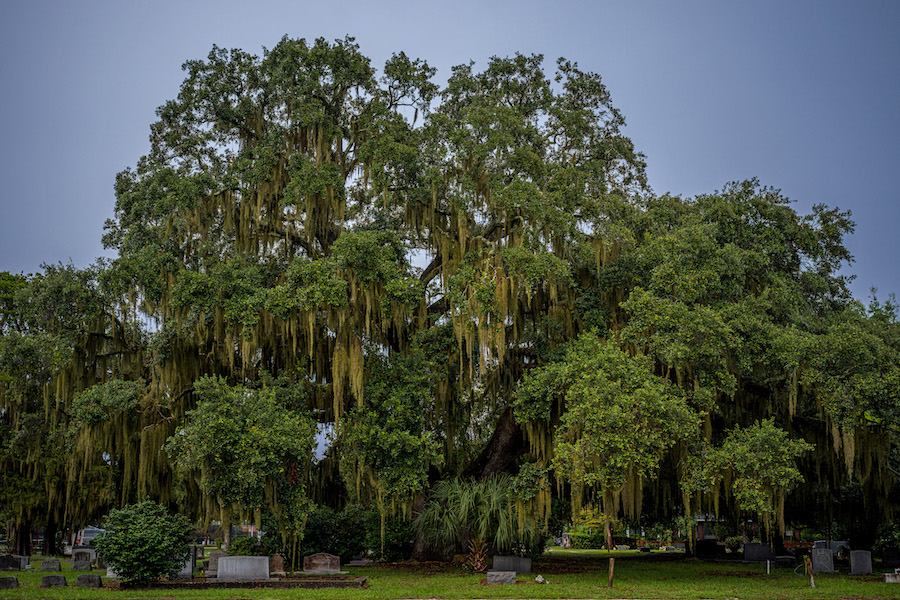
Citizens Cemetery, Beaufort
Along Hamar Street lies an unlikely piece of literary history: the burial ground associated with the “garden” in John Berendt’s Midnight in the Garden of Good and Evil. Buried here is Percy H. Washington, a well-known Beaufort root doctor called Dr. Eagle. His common-law partner, fellow rootworker Valerie Boles, inspired Minerva, the mysterious spiritual adviser in Berendt’s bestseller. The couple practiced rootwork from their home just two blocks away on Congress Street, giving the famous tale of mysticism and the supernatural a very real Beaufort connection.
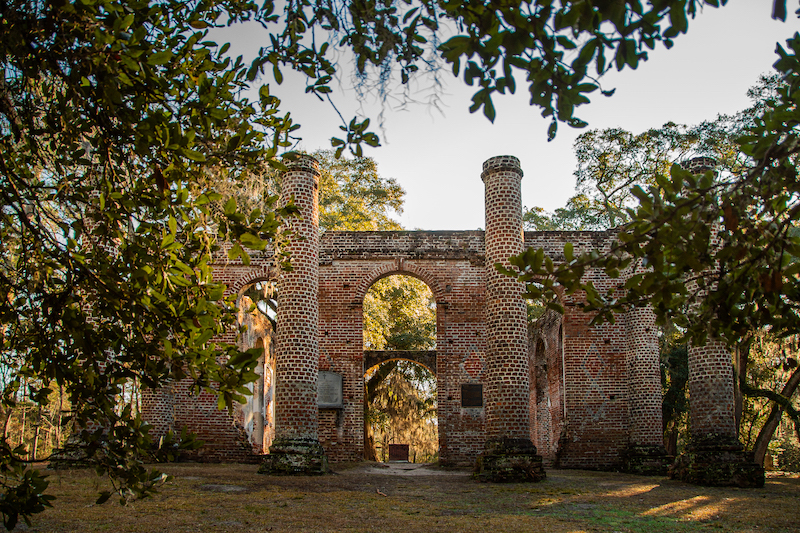
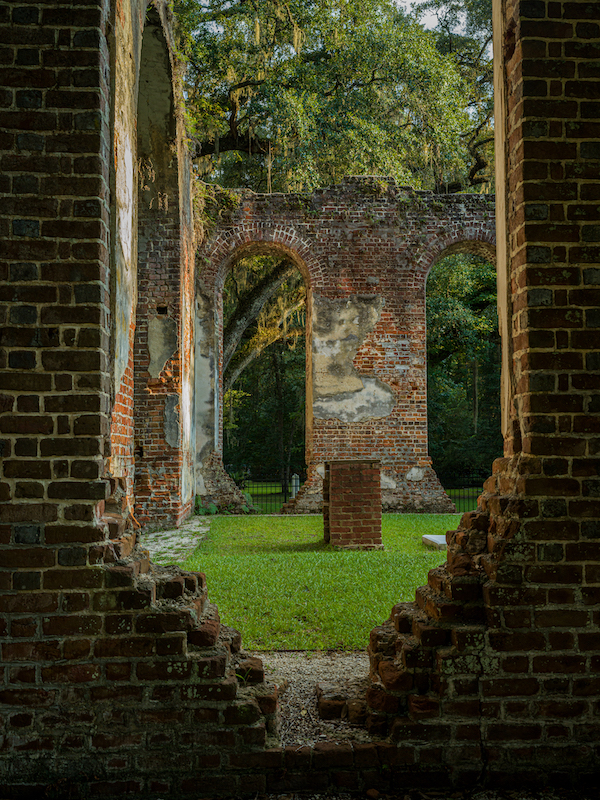
Old Sheldon Church Ruins, Sheldon
With towering columns, ancient graves and moss-draped oaks, Old Sheldon Church looks built for a ghost story. The 18th-century church was partially burned by Loyalists during the American Revolution and later rebuilt. For generations lore held that Federal troops burned it again in 1865. But the current historical marker says the church survived the war and was dismantled by local freedmen around 1865-67, an account supported by an 1866 letter reporting that Sheldon had not burned. It’s a fascinating historical mystery, where even the story of how the church became a ruin has changed with time.
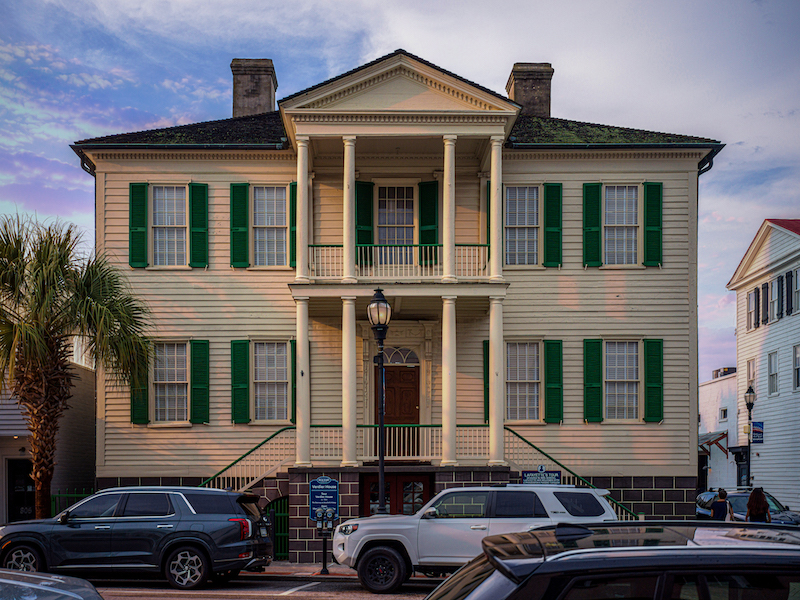
John Mark Verdier House, Beaufort
Built around 1804, this grand Bay Street home is associated with Lafayette’s celebrated 1825 visit and later served as Union Army headquarters during the Civil War. A popular ghost story claims a Verdier family member was killed in a duel and still haunts the house. There really was a Verdier duel at nearby Pigeon Point, but researchers have not confirmed who fought it, and records indicate John Mark Verdier Jr. died years later after a long illness. It’s a fitting Beaufort mystery, where a real event appears to have taken on a supernatural afterlife of its own.
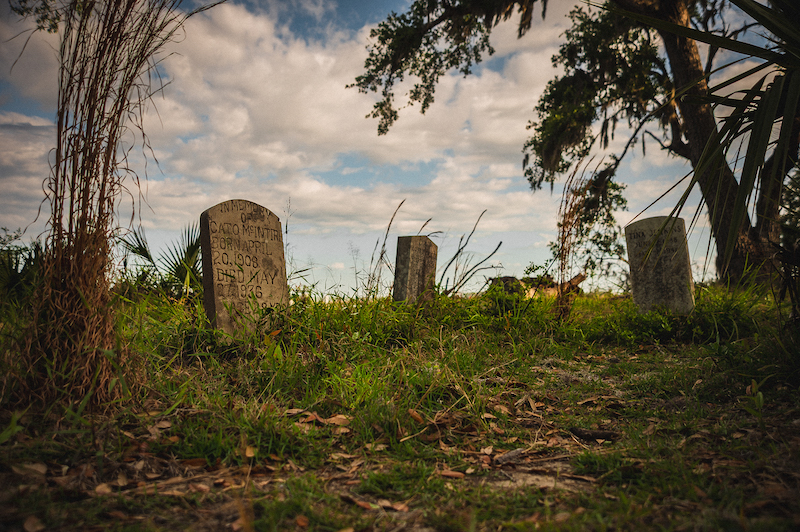
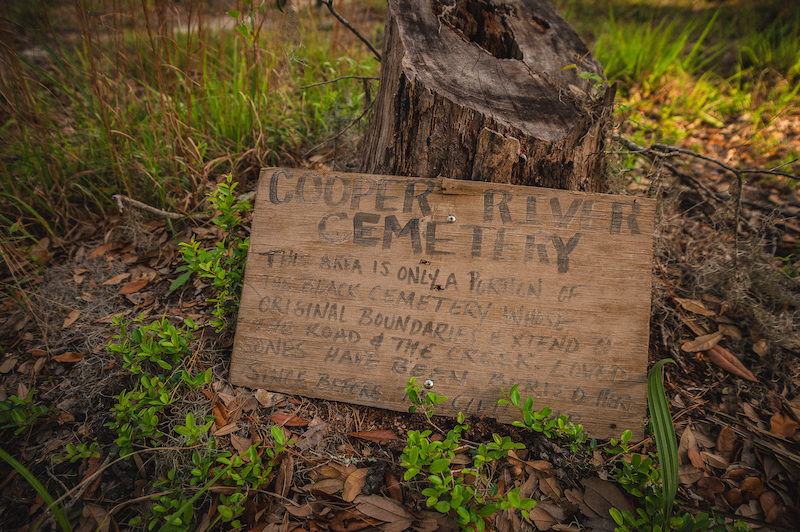
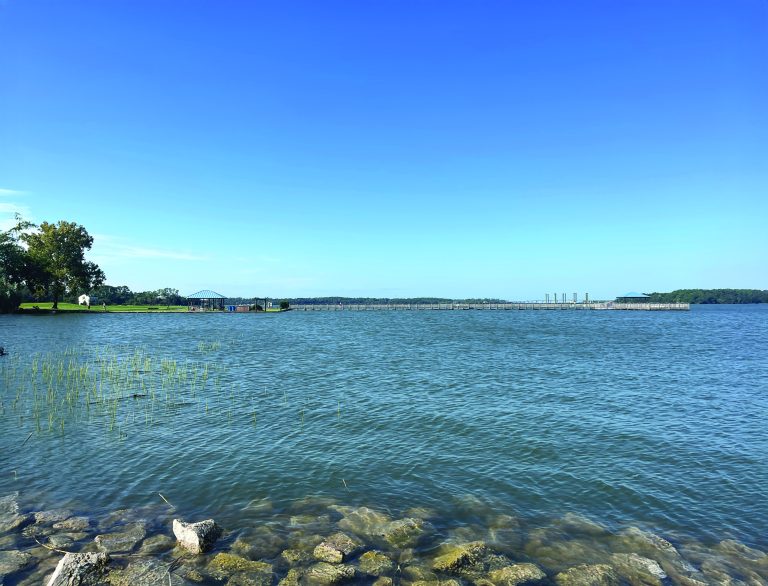
Cooper River Cemetery, Daufuskie Island
At Cooper River Cemetery, even the location tells a story. With roots reaching back to Daufuskie’s plantation era, the historic Gullah burial ground was established beside moving water, reflecting a tradition that spirits of the dead could travel across the water home to Africa. Generations of Gullah families have buried loved ones here, and some graves were traditionally marked with personal possessions, or “grave goods,” rather than carved headstones. The cemetery remains a powerful link to Daufuskie’s Gullah heritage, where beliefs carried across the Atlantic centuries ago can still be read in the landscape.