The Hidden Risk of Ocean Water for Dogs
Saltwater poisoning can quickly turn a fun beach day into a serious medical emergency. Here’s what every pet owner needs to know.
Story by Bailey Gilliam
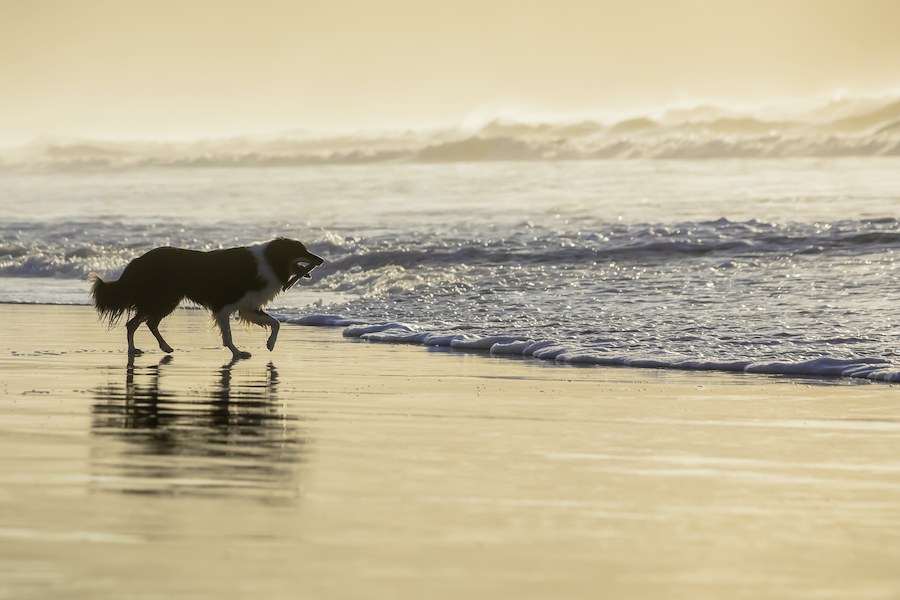
There is no greater joy than watching your dog run on the beach for the first time. The wide-open space, the crashing waves, the endless water to splash through. There’s nothing like it. But while we know better than to drink saltwater, our dogs don’t. To them it’s just another water source. They lap at the surf, bite at waves and inevitably swallow some while playing fetch or swimming. And while a little exposure is often unavoidable, too much saltwater can quickly turn a fun beach day into a serious medical emergency.
“Dogs and the beach … two things that make sense,” says Dr. Matthew Tenwolde of Carolina Veterinary Critical Care. “But it’s safe to say that while there’s fun to be had, we offer a word of caution when it comes to exposing your pet to saltwater.”
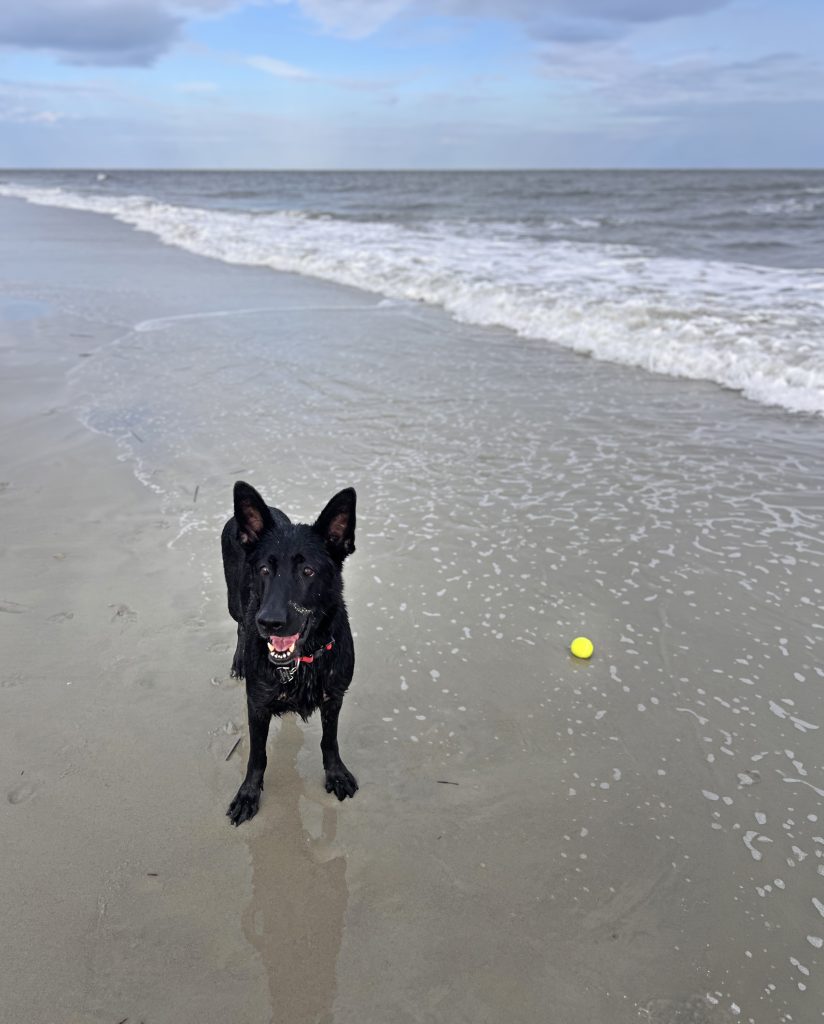
Most dogs will ingest some saltwater while playing, and in small amounts, it may cause only mild stomach upset or diarrhea. However, larger quantities can be dangerous or even fatal. “Salt water can lead to extreme fluid imbalance, promoting the perfect environment for dehydration,” Tenwolde explains. “When a dog ingests salt water, the excess salt draws water from the brain, causing neurological issues, which can be irreversible and, in some cases, life-threatening.” Unfortunately, he has seen too many serious cases here in the Lowcountry.
Know the signs
Symptoms of saltwater poisoning can appear within hours. Vomiting is often one of the first signs, followed by diarrhea. In more serious cases, dogs may show weakness, muscle tremors, confusion, lethargy or even seizures. Odd or uncharacteristic behavior is a major red flag, as elevated sodium levels begin to affect brain function. Severe cases carry a high risk. Dogs with toxic sodium levels can have a mortality rate of 50% or higher, even with treatment. If you notice any of these symptoms, it’s critical to contact your veterinarian or an emergency clinic immediately.
“It is imperative to seek out medical attention if you suspect your pet ingested salt water,” says Tenwolde. “In ideal cases, the water and electrolyte balance will be restored safely with IV fluid therapy and supportive medications.” Recovery can take several days, and correcting sodium levels too quickly can create additional complications, so close monitoring is essential.
Prevention starts with preparation
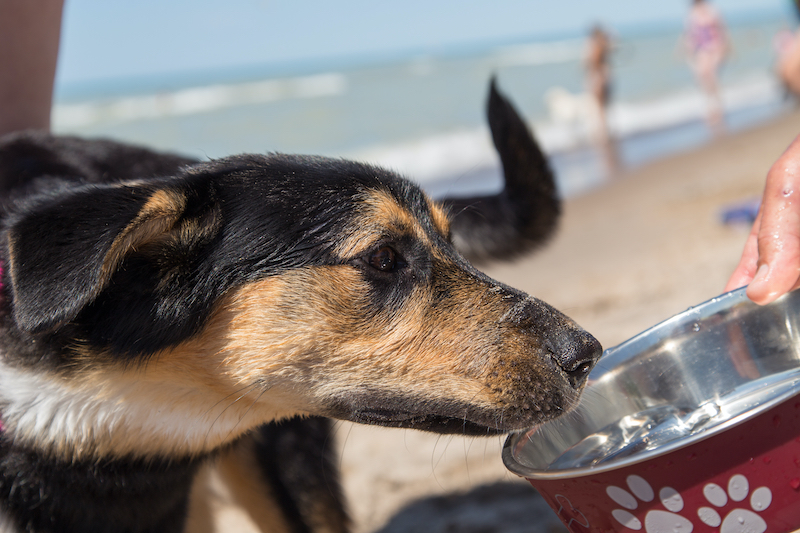
The good news is that with a little planning, you can greatly reduce the risks while still enjoying the beach. Always bring plenty of fresh water, and make it easily accessible. A well-hydrated dog is far less likely to drink from the ocean. Providing shade is equally important. Dogs often lie in the surf to cool off, which increases the chance of ingestion, so giving them a cool, dry place to rest helps limit that behavior.
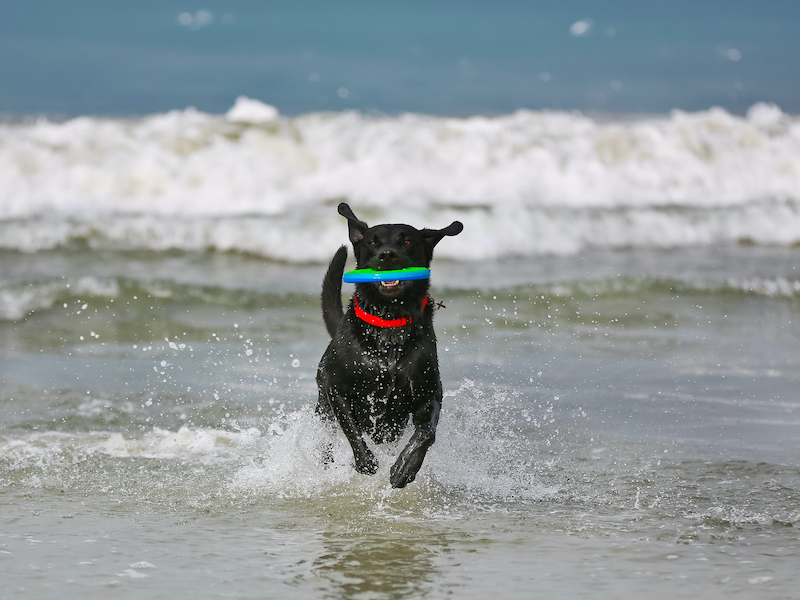
Toys also play a bigger role than you might think. Avoid anything that absorbs water, like plush toys or even tennis balls, which can soak up saltwater and increase intake. Instead, opt for solid, floating toys that stay on the surface and are easier for your dog to grab without swallowing excess water.
Set boundaries for beach time
Supervision is key. Dogs that chase waves or retrieve toys from the water are more likely to ingest saltwater, so keeping a close eye on their behavior can make all the difference. Training a reliable “leave it” command can help prevent them from drinking directly from the ocean, and choosing toys that float high in the water can reduce the amount they swallow during play.
Frequent breaks are also essential. Every 15 minutes, guide your dog away from the water, encourage them to rest in the shade, and offer fresh water. Limiting total beach time, ideally to under two hours, can further reduce the risk of overexposure. Don’t forget to rinse your dog off with fresh water after being on the beach, as sand and salt can irritate their skin, and licking freshly soaked fur increases salt ingestion.
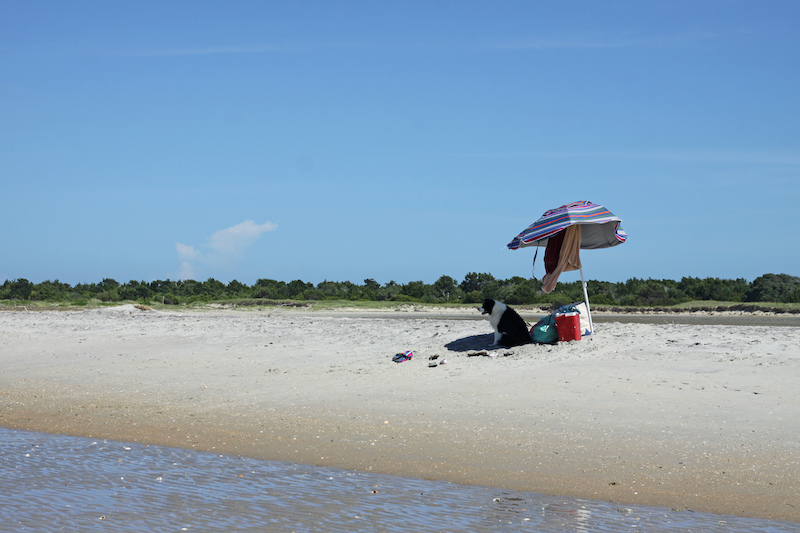
“By keeping an eye on your pets and having control over their investigative instincts, you can easily enjoy a wonderful evening or morning on the beach exploring with your pet,” Tenwolde says. “The look on their face when they see where they are is priceless.”
The beach is one of the most joyful places you can share with your dog, and with a few mindful precautions, it can stay that way. Understanding the risks of saltwater, watching for early warning signs and taking simple preventive steps ensures that your time together remains what it should be: fun, carefree and full of those unforgettable, sandy-pawed moments.
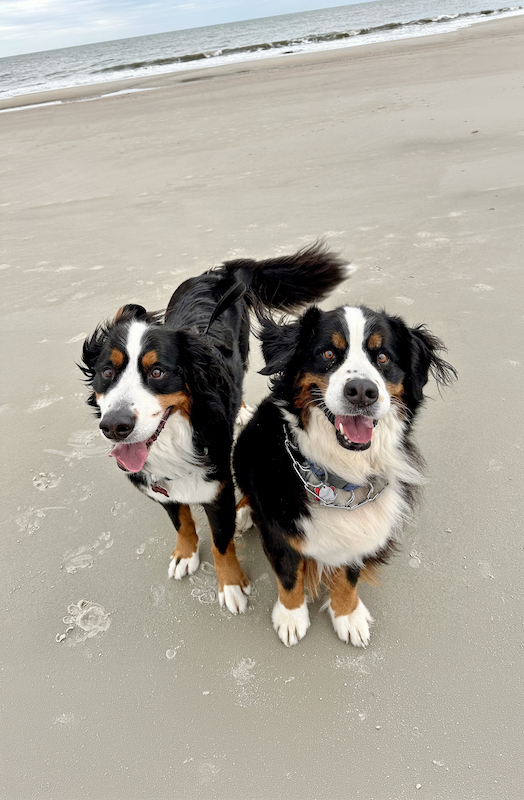
Beach hours for dogs
Follow Hilton Head Island’s rules to keep your pup safe and avoid a fine.
October through March
Anytime, on leash or under voice control
April through the Thursday before Memorial Day
10 a.m.-5 p.m., on leash
5 p.m.-10 a.m., on leash or under voice control
Friday before Memorial Day through Labor Day
10 a.m.-5 p.m., not allowed on beach
5 p.m.-10 a.m., on leash or under voice control
Tuesday after Labor Day thru September
10 a.m.-5 p.m., on leash
5 p.m.-10 a.m., on leash or under voice control