How the Lowcountry Marsh Creates Our Seafood: Tides, Oysters and Shrimp Explained
Our marsh powers one of the most productive seafood ecosystems on the East Coast
Story by Belle Whitfield
The Lowcountry marsh prepares food long before it ever reaches a kitchen. Dockside lunches and trips to the seafood market for the latest catch are weekly rituals for many locals. Seafood is so central to life here that Hilton Head celebrates it with a major festival each February. But long before shrimp boats return to the dock or clusters of oysters reach the bucket, a powerful force of nature is already at work.
The true chef of the Lowcountry is the tide. Twice a day the Atlantic Ocean flows in and out across the salt marsh, shaping both the ecosystem and the region’s food culture. High tide floods the spartina grass. Low tide reveals the pluff mud. These daily movements do far more than change the scenery. They push shrimp into rivers, bring redfish deep into the marsh and position oysters perfectly to feed. Few ecosystems on the East Coast match the productivity of the Lowcountry’s tidal marsh.
“This type of salt marsh is preferred for a lot of Atlantic species as reproductive grounds because it has the same salinity as the ocean,” explains Rex Garniewicz, president and CEO of the Coastal Discovery Museum.
Because of that balance, species such as redfish and blue crab, both vital to the ecosystem and the local table, depend on the rhythm of the tide.
“The marsh isn’t separate from the ocean,” Garniewicz says. “It is the ocean just slowed down and spread across land.”
Our marsh food web
The tide does more than move water. It powers an entire food chain. When the tide rises, a remarkable chain reaction begins in the marsh grass.
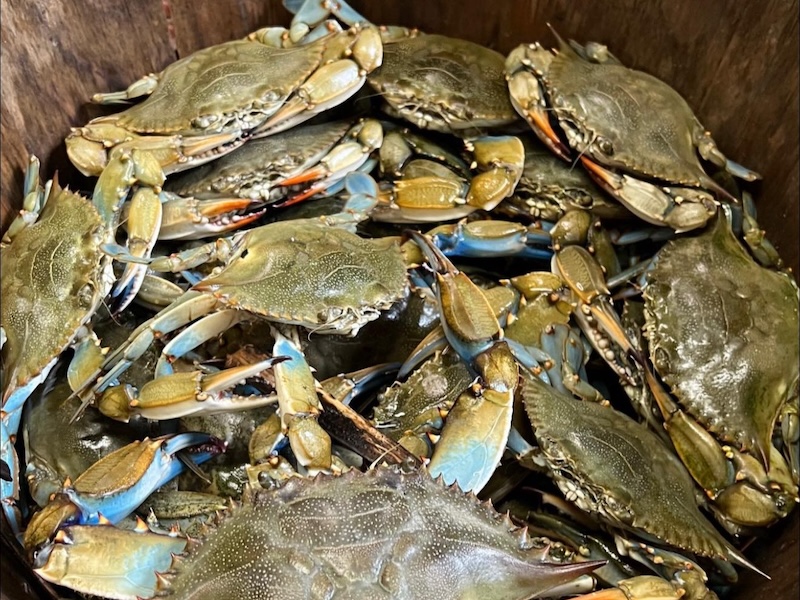
“Marsh periwinkles climb up the spartina to get away from blue crabs,” Garniewicz says. “They’re the favorite food of the blue crab.”
The periwinkles feed on spartina. Blue crabs feed on the periwinkles. Then redfish move in with the tide and feast on the crabs. It is a perfectly balanced food web, driven entirely by the rising and falling water.
“Without the tides,” Garniewicz says, “none of that would happen.”
What does brown water mean?
In summer the Lowcountry fills with visitors, many seeing the marsh for the first time. One of the most common misconceptions appears in the water itself.
“People drive by and think it’s just a wet field,” Garniewicz says. “But it is the breeding ground for the Atlantic.”
During the warmer months, marsh water turns a deep brown color. Visitors often assume the water is polluted. In reality, the opposite is true.
“When the water turns brown in the summer, that means it’s healthy,” Garniewicz says.
The color comes from nutrients released by decomposing spartina grass. Those nutrients feed plankton and bacteria, the foundation of the marsh food chain. Plankton thrives in warmer water, typically in the 60s and 70s. When temperatures drop in winter, production slows, and the water clears. It may look prettier, but it becomes far less productive.
“The marsh feeds itself before it feeds us,” Garniewicz says.
Oysters: Nature’s filtration system
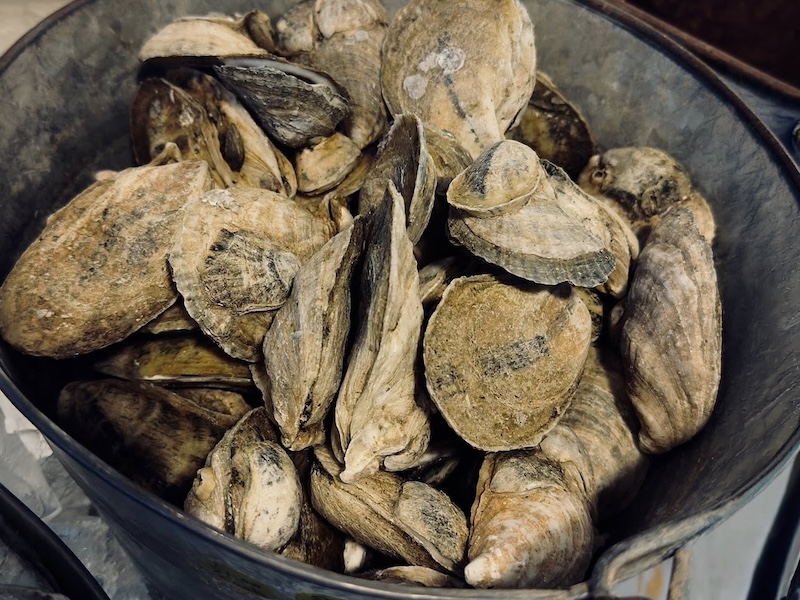
If the tide is the chef of the Lowcountry, oysters are its filtration system.
“When people grow most seafood or crops, there is usually some environmental impact,” Garniewicz says. “With oysters, the opposite happens. The more oysters you have, the cleaner the water becomes.”
A single oyster can filter up to 20 gallons of water each day. But oysters face a challenge in the Lowcountry. The marsh floor is made of soft pluff mud. Without something solid to attach to, oyster larvae simply sink. To grow successfully, they need hard material such as old shells. That is why shell recycling programs are so important.
“People donate used oyster shells so we can build new reefs,” Garniewicz says of the oyster shell recycling bins at the Coastal Discovery Museum, operated by the Outside Foundation. “It’s a simple cycle, recycling shell to grow more oysters.”
The oyster growing season also follows a specific cycle. Summer is a time of growth, when warm, nutrient-rich water helps oysters gain weight. Harvest typically comes later in the year before spawning begins in spring. Local oysters also spend part of their lives exposed to the air.
“They are intertidal,” Garniewicz explains. “If they stayed underwater all the time, parasites in the water would destroy them.”
On the dock: Tonya Hudson’s perspective
Garniewicz explains the science of the marsh. Tonya Hudson sees its results every day. Hudson owns and operates Benny Hudson Seafood Market, which has had a strong local following for five decades and counting. Harvesting oysters, she says, remains one of the toughest jobs on the water.
“It was all done by hand. And it still is,” Hudson says. “It’s a very labor-intensive process.”
Her family once leased far more oyster beds than exist today.
“In the ‘50s and ‘60s my family had over 400 acres of oyster beds,” she says. “Now there’s not even that much available to lease.”
Labor shortages also reshaped the industry.
“There just isn’t a labor force for that anymore,” Hudson says.
Still, oysters remain one of the defining flavors of the Lowcountry.
“All oysters are is a filter,” she explains. “They filter everything that’s in the water around them. Because our salinity is so high, the first thing people notice is the brininess.”
Restaurants often serve both local and imported oysters, offering different sizes and flavor profiles. But the taste of a Lowcountry oyster is unmistakable.
Shrimp: A season you cannot predict
Shrimping presents its own challenges.
“There’s what we call a day boat,” Hudson says. “They shrimp all day and unload in the afternoon or evening.”
Other vessels stay at sea for much longer.
“Freezer boats can stay out five, 10, 15, even 20 days,” she explained.
On those boats shrimp are processed immediately and placed into a saltwater brine freeze, preserving thousands of pounds at a time. Soft-shell crab season, for example, can vanish almost overnight.
“People think crab season lasts months,” Hudson says. “Sometimes it lasts four days, and it’s over.”
A small drop in water temperature can halt molting completely.
“All we can do is go by the cycles of the past,” she says.
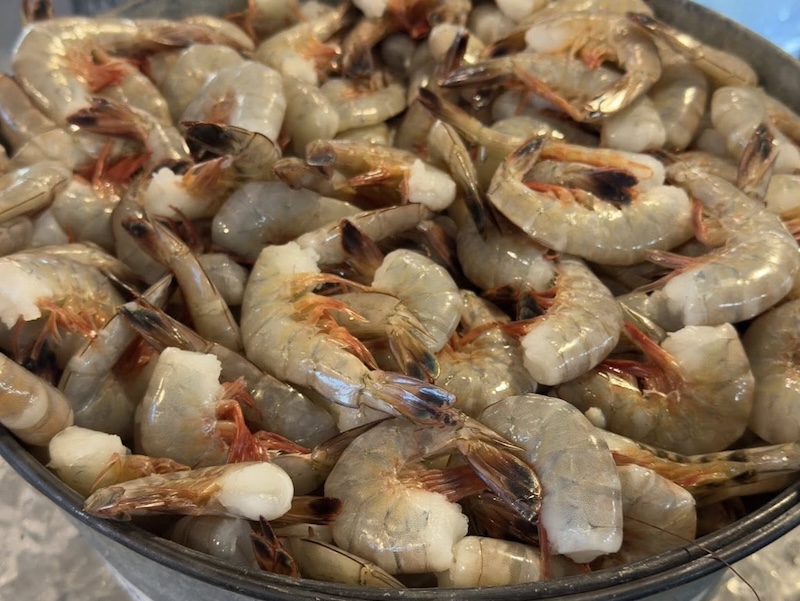
The Lowcountry also has two local shrimp seasons. White shrimp tend to be slightly sweeter, while brown shrimp are smaller and richer in flavor. Those differences come largely from habitat and diet shaped by the marsh. Many customers do not realize the difference between imported shrimp and local catch.
“It’s not that people don’t care where their shrimp comes from,” Hudson says. “They just don’t know there’s a difference.”
Until they taste it.
“It has a special sweetness and a firm texture,” she says. “Almost like a baby lobster.”
After that first bite, many people never go back.
Always something in season
Both Garniewicz and Hudson agree on one thing that makes the Lowcountry unique: the harvest never truly stops. When oyster season slows, crab season begins. When crab season fades, shrimp arrive.
“There is always something in season,” Hudson says.
Few coastal regions enjoy that kind of year-round abundance.
Respecting the process
Understanding where seafood comes from changes how you see it. The tide shapes the marsh. The marsh shapes the food. And the food shapes the Lowcountry. What looks like quiet scenery along the water’s edge is actually a living system that feeds an entire region. Long before the first shrimp boat returns to the dock, the marsh has already prepared the meal.
What’s fresh in April
Warming waters bring a changing mix of seafood to Lowcountry markets.
- Soft-shell crabs: A prized spring delicacy that appears when blue crabs molt, typically arriving in local markets as water temps rise.
- Flounder: A mild, flaky fish that begins moving inshore in spring, with increasing availability as the season progresses.
- Sheepshead: Commonly caught around docks and oyster beds, this striped fish is a reliable spring staple at local seafood counters.
- Black drum: Often available in smaller sizes, this firm, mild fish is a steady presence in spring catches.
- Oysters (season ending): Still legal to harvest through May 15, but quality declines as waters warm, and many locals consider April the end of oyster season.
- Other fishing targets: Redfish, speckled trout, tripletail (early arrivals), cobia (late April)
- Sources: Certified South Carolina Seafood and local seafood markets