The Small Hunters Quietly Preserving Lowcountry Marshlands
Rarely spotted but deeply essential, the mink moves through the Lowcountry mostly unnoticed. Learn about their behaviors, personalities and how the little critters play a vital role in the local ecosystem.
Story by Bailey Gilliam
Photography by Jeanne Paddison
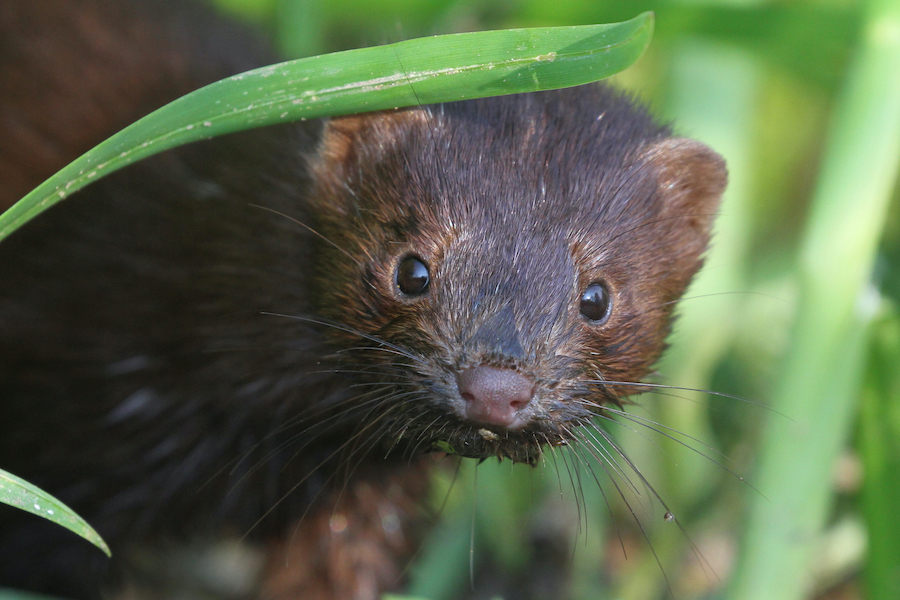
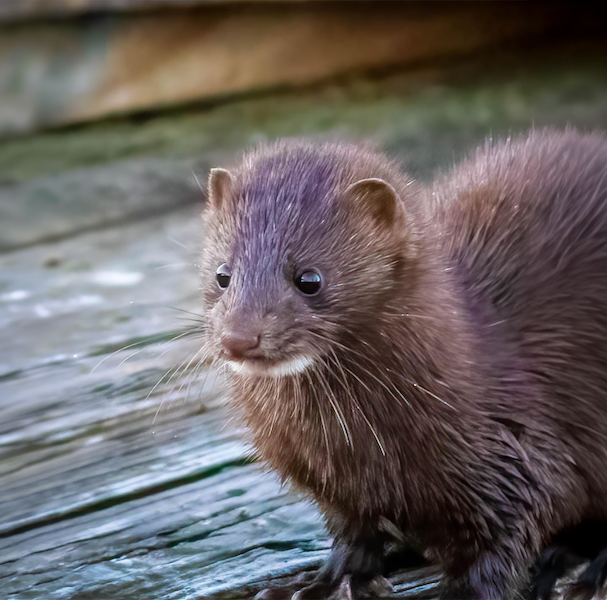
They move like shadows with purpose. One second, nothing. The next, a ripple along the marsh edge, a flash of dark fur, gone again before your brain catches up. Mink are out there, whether you see them or not. Sleek, muscular and built for efficiency, these small predators are among the Lowcountry’s most elusive residents. With glossy brown coats, short legs and long, flexible bodies, they slip through tidal creeks, spartina grass and wooded banks with ease. Most people never spot one. That does not mean they are not watching the marsh unfold in real time, playing their part in keeping it balanced.
Marshland hunters
Mink may be small, but they are serious hunters. Fish make up much of their diet, along with crabs, shrimp and the occasional unlucky rodent. They are strong swimmers, capable of diving deep and covering surprisingly long distances underwater. Around here they have learned to take advantage of dolphin strand feeding, darting in to grab fish left behind on the flats. Unlike their mostly nocturnal relatives inland, Lowcountry mink are often active during the day. Catching a glimpse of one moving along a creek bank or slipping between oyster mounds feels like being let in on a secret. They are not pests. They are part of the ecosystem.
A little trouble, a lot of personality
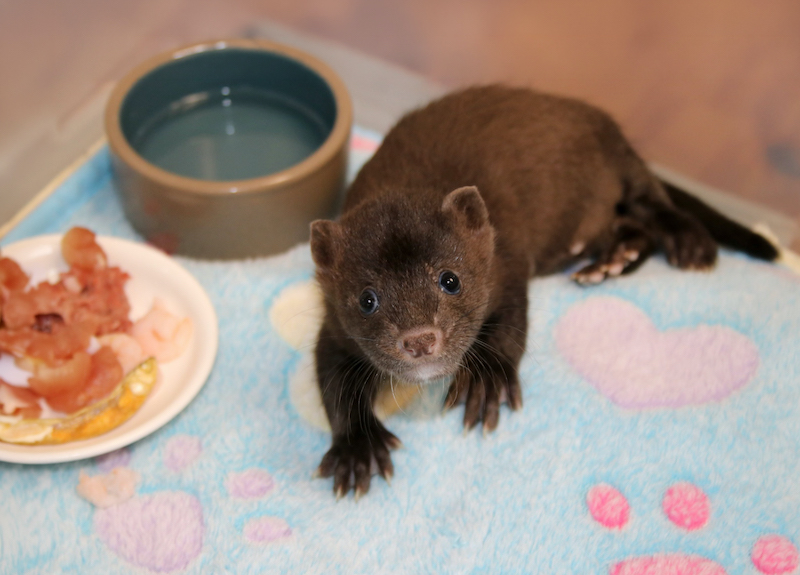
At Savannah Wildlife Rescue Center, Jeanne Paddison has seen that up close. The first mink she cared for, a tiny orphan named Ricky, arrived with his umbilical cord still attached.
“He was our first baby mink at SWRC, and what a mischievous one he was,” she says. “Minutes before his adventure into the wild, he was full of curiosity and energy.”
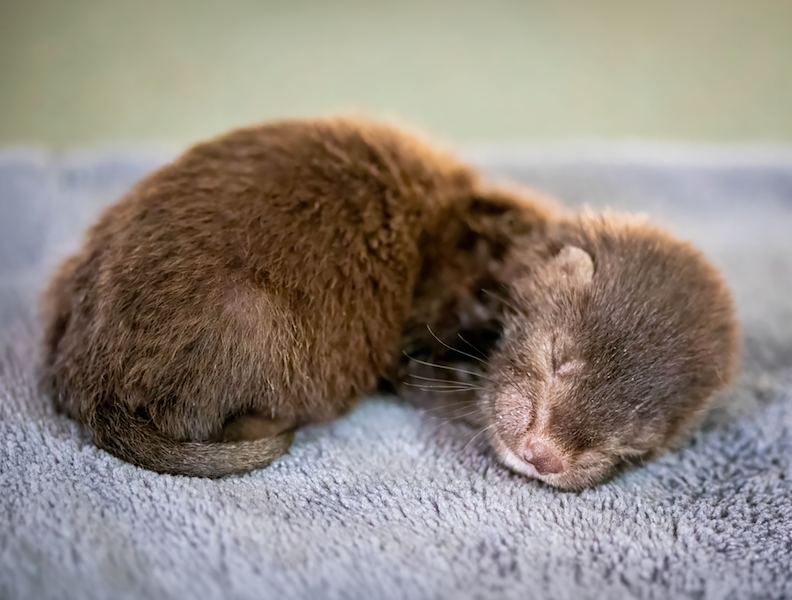
Mink are intelligent, intense and endlessly curious. They climb, dive, explore and test everything around them. Jeanne points out a small but helpful detail for identification. Look for the white patch under the chin, a subtle mark that separates a mink from an otter at a glance. Up close, they are captivating. In the wild, they are nearly invisible.
Coexisting with a predator
Conflicts with mink tend to happen when humans forget one simple truth. Chickens, ducks and small pets look a lot like dinner.
“In my chicken coop, a mink can cause damage, but that’s the responsibility of the person who owns the chickens,” Jeanne says. “Protect them with a coop like Fort Knox, and you can coexist with nature while keeping local predators safe.”
Her message is straightforward. Secure what needs protecting. Do not blame the animal for doing exactly what it was built to do. Mink are native to this landscape. They belong in the marsh as much as the oysters, the egrets and the tides themselves.
Small, wild and essential
Mink face growing pressure from habitat loss, water pollution and development. Regulated trapping still exists in South Carolina, though most fur on the global market now comes from farms. Even so, their biggest challenge is often us. Shrinking habitat and fragmented waterways make survival harder for a species that depends on access to both land and water. They breed from January through March, raising a single litter each year. Young mink stay with their mother into the fall, learning how to hunt and navigate the marsh. It is a critical window, and one where wildlife rehabilitators often step in to give orphaned kits a second chance. Spotting a mink is rare. Appreciating one is rarer still. They are not just a flicker along the shoreline. They are proof that the Lowcountry is still, in all the best ways, a little bit wild.