How to Keep Your Lowcountry Garden Going All Winter
Cooler days bring a different rhythm to Lowcountry gardens, but there’s still plenty to grow and enjoy. Hardeeville gardener Linda Kurecki shares the seasonal habits that keep her garden going.
Story by Alea Wilkins
As the year winds down, the garden slows its pace. Linda Kurecki, vice president of the Hardeeville Garden Club of South Carolina, explains how she adjusts her gardening routine for winter and which seasonal changes bring her joy.
Key Points
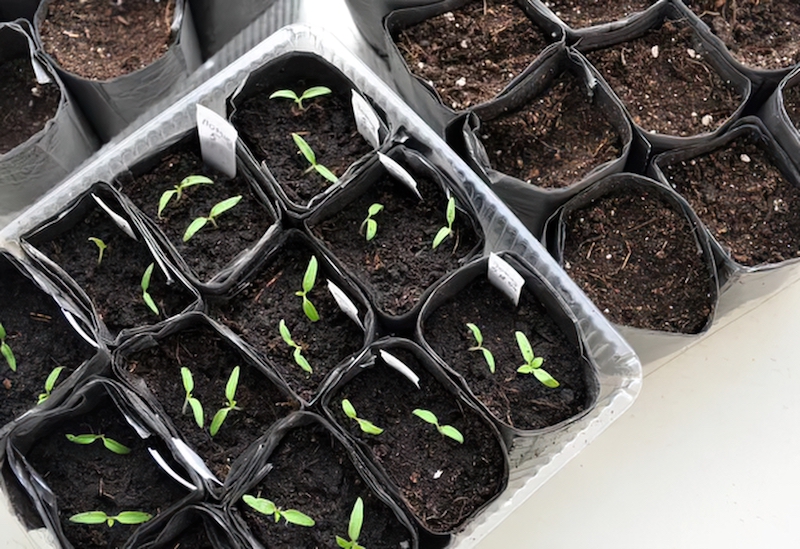
● Start planning next year’s vegetable garden. Linda Kurecki starts vegetables indoors during winter, then transplants them outside as temperatures warm.
● Reduce winter irrigation. Kurecki recommends watering no more than once or twice a week because plant growth slows during shorter days.
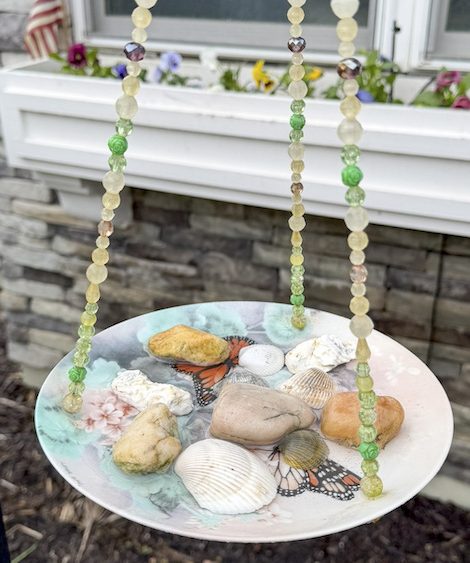
● Provide water for pollinators. A shallow tray with rocks or seashells gives visiting insects a place to land while drinking.
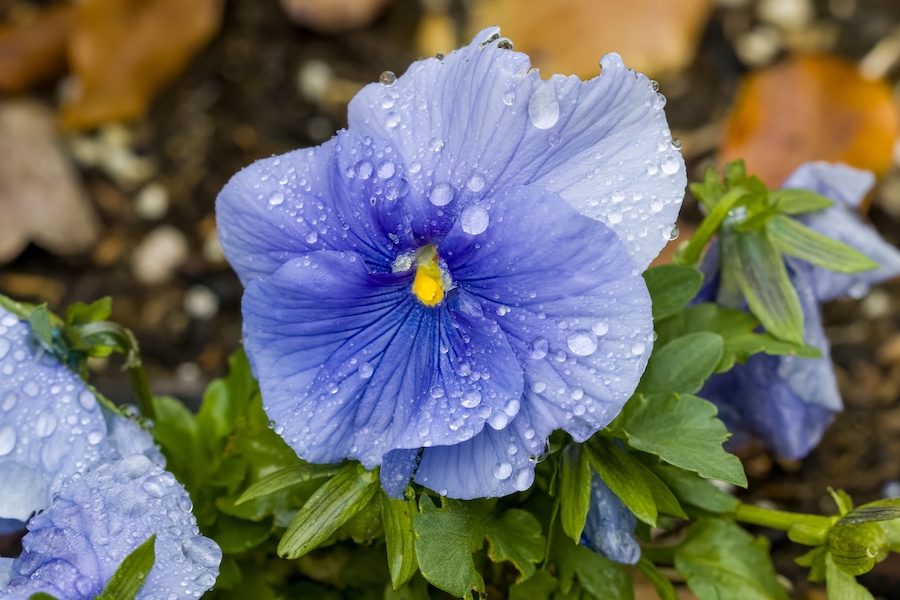
● Enjoy winter color. Pansies, violas, sweet alyssum and other cool-season flowers can brighten Lowcountry gardens in December.
[LOCAL Life] Since you, like so many locals, are originally from up North, what changes have you had to make to your winter gardening routine?
[Linda Kurecki] One of the biggest changes for me was learning that I can start planting next year’s garden earlier than before. The challenge is that many big-box stores typically don’t have vegetable plants until later in the spring, and if I waited until then to get my summer veggies, it would be too hot to start them. Now I start growing those indoors over the winter and transplant them outside when the weather starts to warm up. One change I love, however, is how flowers bloom all winter down here. There’s always color, and it’s always changing! I love to drive up and down 278 and see all the neighborhoods with their seasonal flowers instead of evergreens, evergreens, evergreens.
[LL] What changes should I make to my irrigation schedule for the winter?
[LK] In the winter, when there are fewer hours of daylight, plants slow their growth or go completely dormant, so they don’t need as much water as they do in the summer months. Cut irrigation back to once or twice a week at most. If you overwater, you may start to notice fungus or mold that can damage your lawn if left untreated.
[LL] How can I help pollinators through the cooler months?
[LK] As some butterflies migrate south, now is a great time to ensure local pollinators have the water and nutrients they need. Like a birdbath, I like to set out a small tray of water filled with rocks — or seashells for decoration — that pollinators can land on as they drink. I change the water regularly and enjoy watching them pass by all season long.
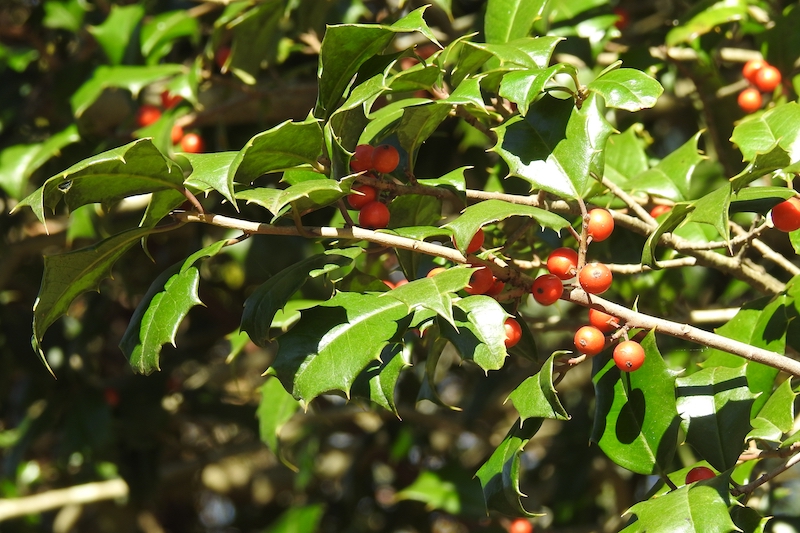
December Birth Plant: Holly
Shining bright against the winter landscape, holly is a natural symbol of holiday cheer. American holly is native to North America and thrives in the Lowcountry, where it can grow 20 feet tall or more. Its symbolism has long been tied to winter traditions, with ancient cultures believing it could ward off evil spirits. Today its glossy green leaves and bright red berries make it a fitting choice for front-door wreaths and decking the halls.
What’s in Bloom This Month?
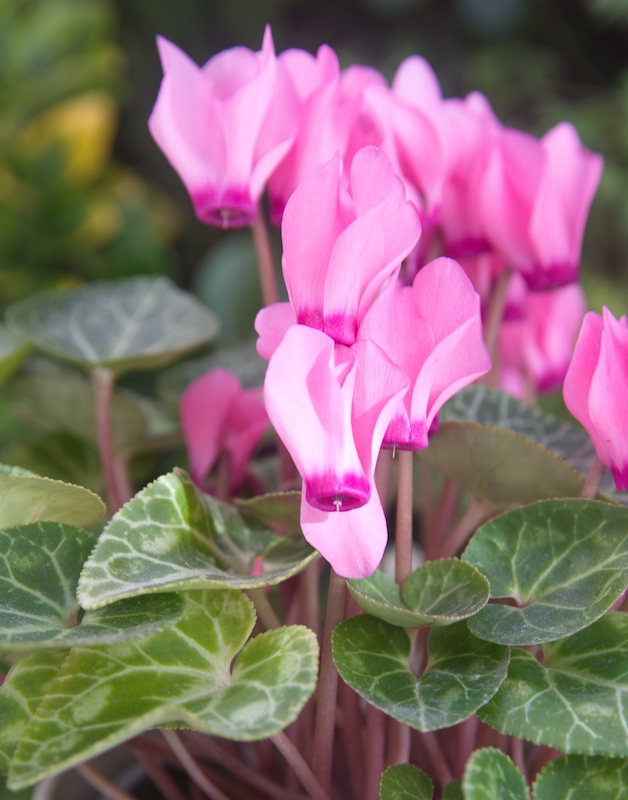
Cool-season flowers bring bursts of color to Lowcountry gardens this December.
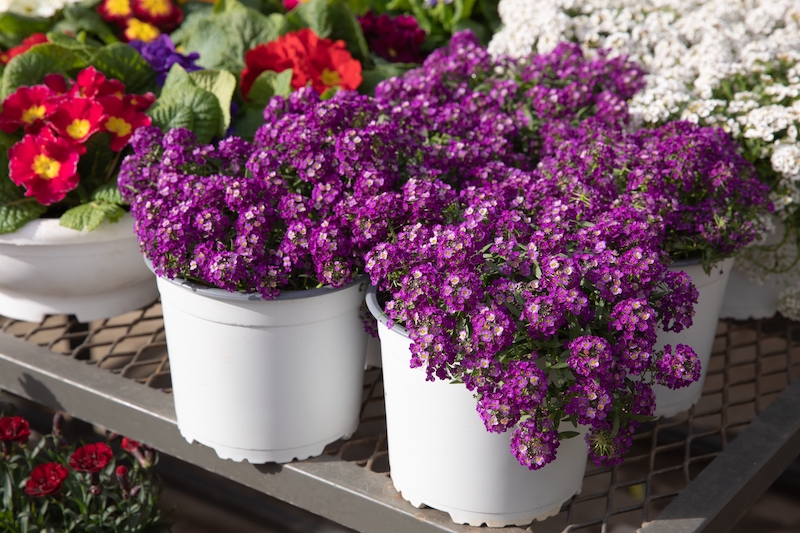
Annuals: Pansies, violas, sweet alyssum
Perennials: Chrysanthemums, asters, cyclamen