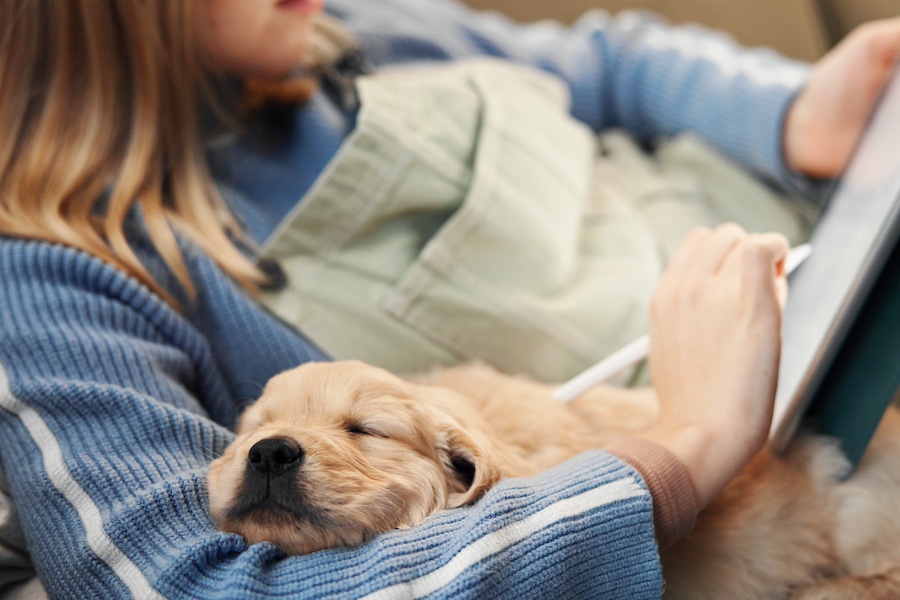
The Science Behind How Pets Choose Their Favorite Person
Veterinarians and animal behavior experts explain why dogs and cats form stronger bonds with certain people and what those relationships reveal about trust, routine and companionship.
Story by Bailey Gilliam
Key Points
● Veterinarians explain the science behind why dogs and cats often form stronger attachments to one person over others.
● Daily routines, trust, positive experiences and consistent interactions all influence how pets develop lasting bonds.
● Understanding pet behavior can help owners strengthen relationships with both dogs and cats through simple, everyday habits.
● Learn what animal behavior experts say about attachment, socialization and the human-animal bond, plus practical ways to build a closer connection with your pet.
If your dog races past everyone else to greet one family member, or your cat claims the same lap night after night, you’ve probably wondered: Why them? While it may feel personal, experts say favoritism usually has less to do with popularity and more to do with trust, consistency and connection. Every pet is different, but there are a few common reasons one person often rises to the top.
It starts with trust
A pet’s favorite person is often the one who makes them feel safest. That trust is built over time through routines, gentle interactions and positive experiences.
“Dogs usually bond with the person who spends the most positive, consistent time with them and makes them feel safe,” says Drew Kaufman, owner of Just a Walk In The Park. “That favorite can absolutely change as life and routines change.”
Early socialization plays a major role, especially in puppies, but even pets adopted later in life can form strong attachments through patience and care.
It’s more than treats
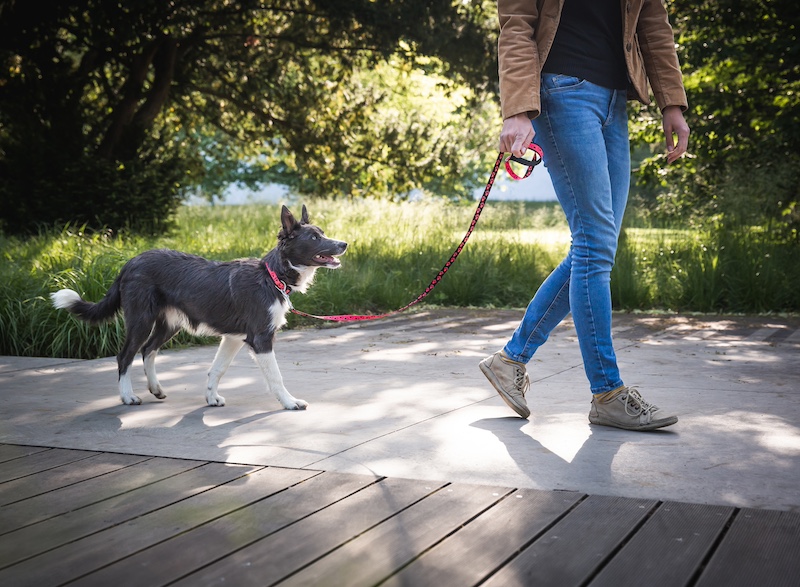
Treats can help build positive associations, but they are only part of the equation. Walks, playtime, grooming, training and daily care all shape the bond.
“The person who consistently offers food, medication, walks and care is usually the one the pet seeks out,” says Carla Genther, hospital manager and veterinary assistant at Carolina Critical Veterinary Care.
She notes that the person a pet follows most isn’t always their favorite. Sometimes it’s simply the person whose communication style makes them feel most secure.
Personality plays a part
Like people, pets have preferences. An energetic dog may gravitate toward the family adventurer, while a shy or anxious pet may prefer someone calm and gentle.
Dogs are especially skilled at reading body language and tone of voice. A patient, predictable person often becomes their source of comfort, especially during stressful moments like storms, fireworks or vet visits.
Following you isn’t the full story
A dog that follows you from room to room may be deeply bonded, but that doesn’t always mean you’re the favorite. Some dogs are naturally clingy, while others simply like staying close to the people they trust.
Pets also show favoritism in quieter ways, like choosing to nap beside you, seeking you out when they’re stressed or lighting up when you walk through the door.
Favorites can change
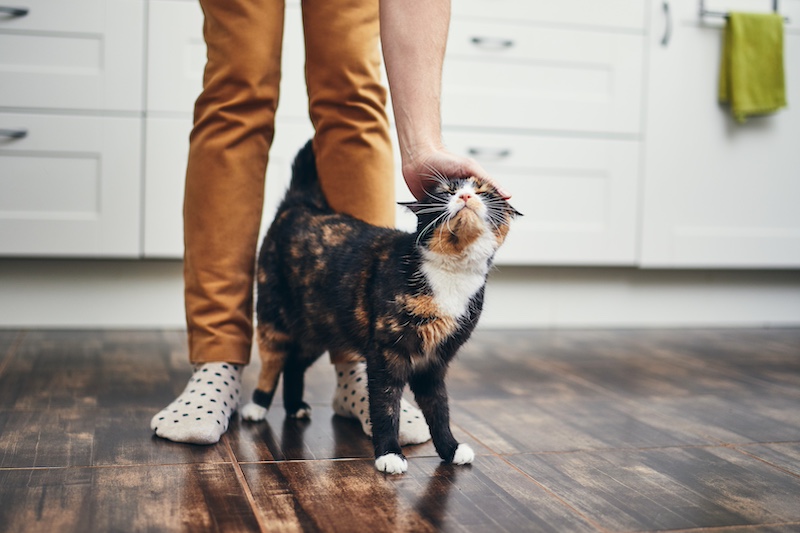
A pet’s favorite person isn’t always chosen for life. Changes in routines, care giving or family dynamics can shift those bonds over time. The good news? Becoming your pet’s favorite isn’t about buying more toys or handing out endless treats. It’s about showing up consistently, creating positive experiences and building trust.
Love isn’t a competition
If your pet seems to favor someone else, don’t take it personally. Animals often form different kinds of bonds with different people. One may be the playmate, another the comfort source and another the snuggle partner. Instead of competing, focus on building your own connection. In the end, trust is often what turns a pet parent into a pet’s person.