Why Pets Don’t Always Get Along and How to Help
From personality differences to past experiences, local pet experts explain why some animals become instant friends while others need time, patience and the right introduction.
Story by Bailey Gilliam
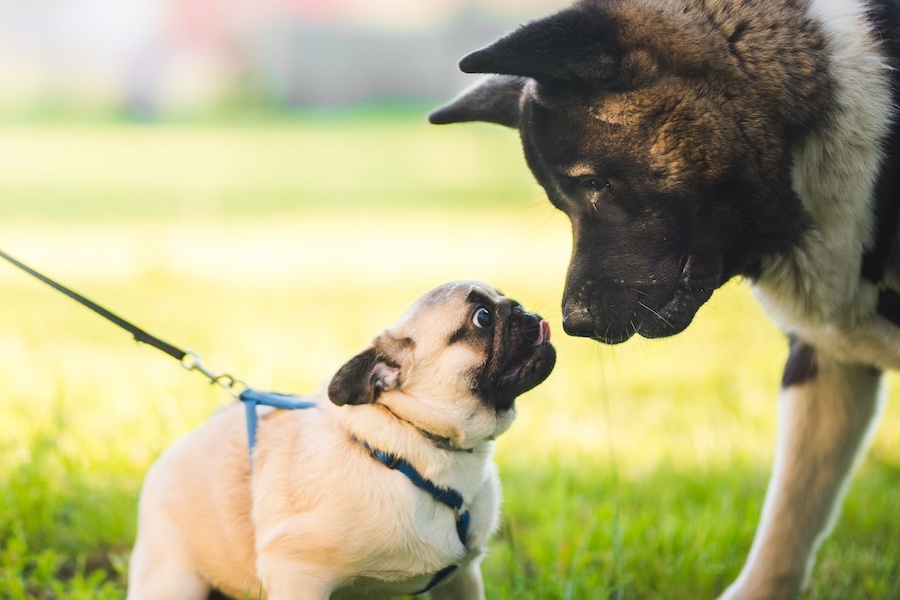
We’ve all seen it happen. Two dogs meet on a walk and instantly become best friends, tails wagging before they even reach each other. Then another dog appears, and suddenly the barking begins. Or maybe you bring home a new kitten, only to discover your longtime dog wants nothing to do with its energetic new roommate. It can be easy to assume pets are simply being stubborn or unfriendly, but that is rarely the case. Like people, animals have individual personalities, past experiences and preferences that shape how they respond to others. They are also highly skilled at reading signals humans often miss. While some friendships form instantly, others take time, patience and the right introduction.
They notice what we don’t
Long before we notice another animal approaching, dogs have already gathered important information.
“Dogs usually read body language long before we do,” says Drew Kaufman, dog trainer and owner of Just a Walk In The Park. “A dog’s posture, movement or energy can make them seem friendly or threatening.”
Dogs also rely heavily on scent, which helps them detect whether another animal feels familiar, nervous, confident or even healthy. Together these signals often explain why dogs seem to make instant decisions about new companions.
Personality shapes friendships
Not every pet enjoys the same kind of company. Some dogs thrive around energetic playmates, while others prefer calm, predictable companions.
“Just like people, dogs tend to have preferences,” Kaufman says. “Personality, energy and past experiences all matter.”
Age matters too. A playful puppy may overwhelm an older dog, while shy or reserved pets can find overly social animals exhausting instead of enjoyable.
Home can create tension
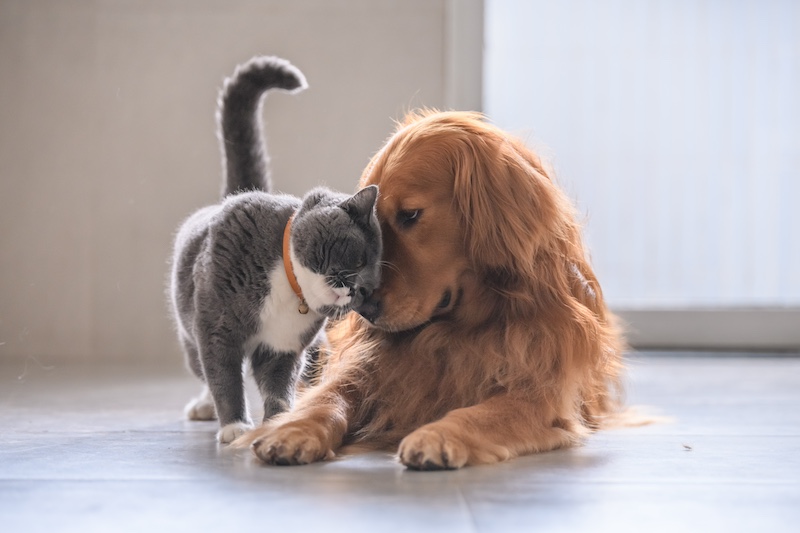
Bringing a new pet into the household often creates stress, even when animals are otherwise friendly.
“Most of the time, what looks like dislike is actually a response to comfort, safety, communication or past experiences,” says Carla Genther, hospital manager and veterinary assistant at Carolina Veterinary Critical Care.
One common issue is resource guarding, when pets become protective of food, toys or even their owner. Routine disruption can also create anxiety. Giving each pet separate space and allowing introductions to happen gradually can help ease the transition.
They communicate differently
Sometimes pets are not fighting. They are simply misunderstanding each other.
“Young animals can be overwhelming for seniors. Social animals can be viewed as rude by other pets and create distance,” Genther says.
Dogs generally appreciate direct greetings, while cats often prefer slower introductions and more personal space. Even among dogs, some communicate politely, while others rush in too quickly, creating unnecessary tension.
Bad experiences leave lasting impressions
Pets remember unpleasant encounters, and those memories can shape future relationships.
“Dogs tend to make associations,” Kaufman says. “One bad experience with a certain look or behavior can make them wary of similar dogs, but those opinions can change.”
A frightening encounter with a large or overly aggressive dog may cause hesitation around similar animals for years. Fortunately, positive experiences can gradually build new trust.