Lowcountry Almanac: September 2026
From fall gardening and the Harvest Moon to the best days for fishing, here’s what to watch for across the Lowcountry this September.
By Bailey Gilliam
Photography by Ben McMurtray
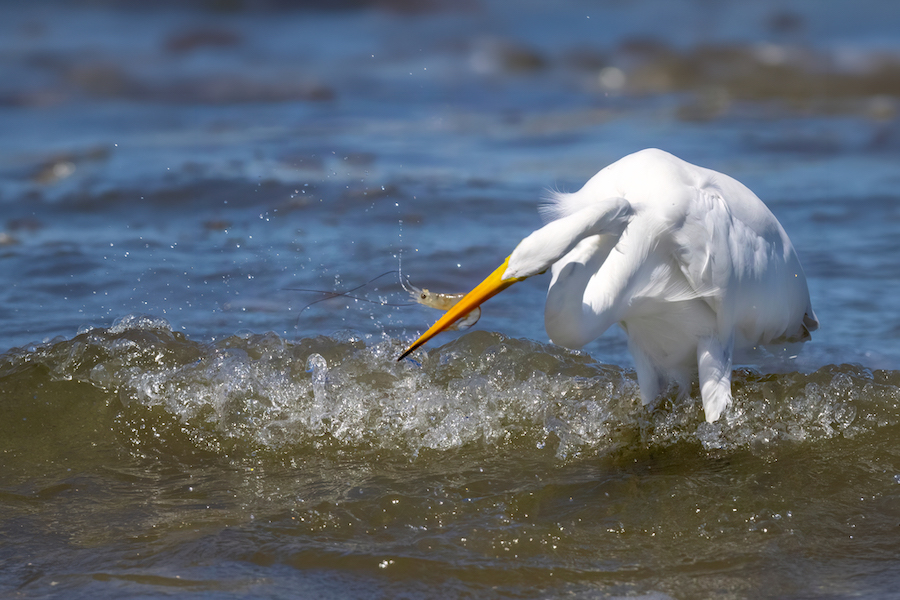
September brings a subtle transition to the Lowcountry. Summer’s heat begins to ease, cooler mornings arrive, and gardens shift into a second growing season. Shrimp boats head out before dawn during one of the year’s busiest harvests, while migratory birds return to the coast. Drawing from the 2026 Old Farmer’s Almanac and Grow Great Vegetables South Carolina, this guide highlights the seasonal rhythms that make September a special time in the Lowcountry.
Weather predictions
Don’t pack away the shorts just yet. September still delivers plenty of warm afternoons, but cooler mornings, lower humidity and refreshing coastal breezes make it one of the most comfortable months to be outside.
Average temperature: 74 degrees (1 degree below average)
Precipitation: 2 inches (3 inches below average)
Forecast by week:
- Sept. 1-7: Sunny and mild
- Sept. 8-18: Thunderstorms, then sunny and cooler
- Sept. 19-24: Sunny and mild
- Sept. 25-30: Sunny and cool before warming again
Sunrise & sunset
You’ll notice the season change most in the evenings. By month’s end the sun sets nearly 40 minutes earlier than it does at the beginning of September, creating cooler nights that are perfect for porch dinners, beach walks and stargazing.
Sunrise: From 6:58 a.m. to 7:16 a.m. (later each day)
Sunset: From 7:47 p.m. to 7:09 p.m. (earlier each day)
Astronomical events
As daylight fades earlier each evening, September offers some of the year’s best opportunities to enjoy the night sky.
- Sept. 11: New Moon. The moon begins a new lunar cycle, creating darker skies that are ideal for spotting stars, planets and even the Milky Way.
- Sept. 23: Autumn Equinox. The sun crosses the celestial equator, bringing nearly equal hours of daylight and darkness and marking the official start of fall in the Northern Hemisphere.
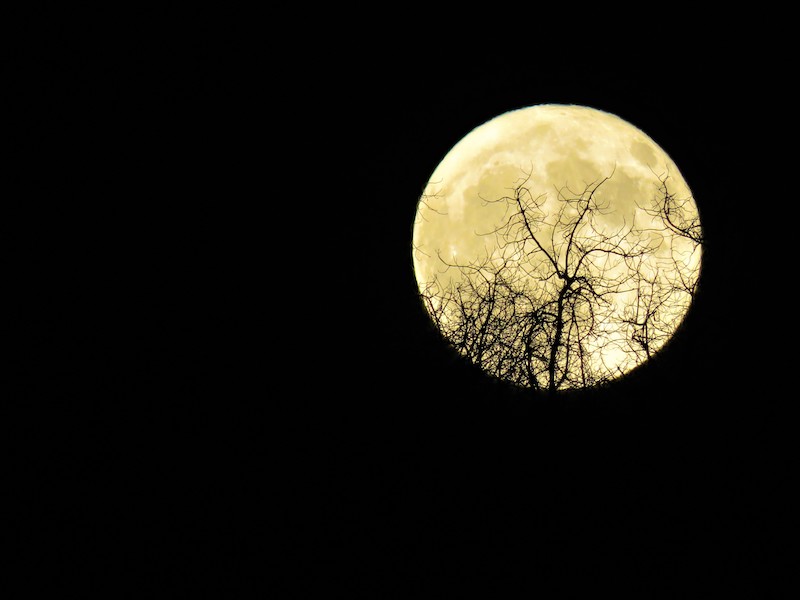
- Sept. 26: Harvest Moon. September’s full moon rises shortly after sunset for several evenings in a row, providing extra natural light that once helped farmers harvest crops after dark.
Tides & currents
Life here follows the water. Follow the latest tide and current predictions from NOAA, and plan your days accordingly.
In the garden
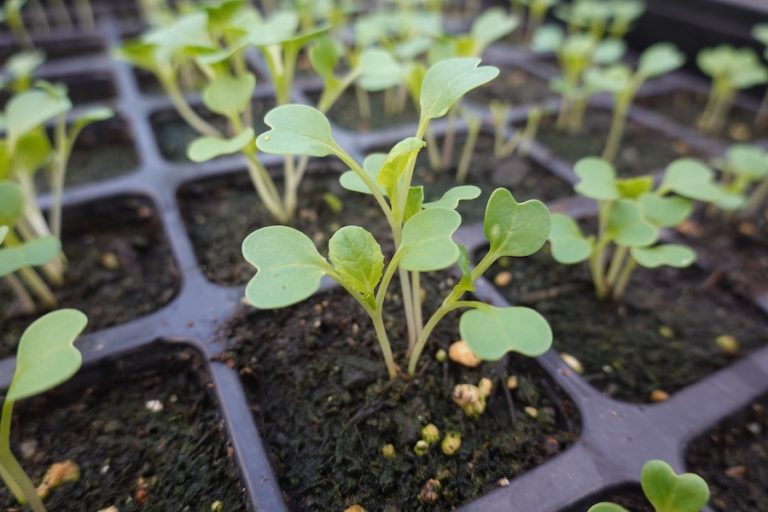
Ask any seasoned Lowcountry gardener, and they’ll tell you September marks the beginning of a second growing season. Warm soil encourages quick germination, while cooler air helps leafy greens and root vegetables thrive.
Prep
Prepare beds for garlic, shallots and onions, review next season’s garden plan, lightly harvest healthy rhubarb, inspect row covers, and organize gardening supplies before cooler weather arrives.
Plant
Indoors: Harvest, cure and store winter squash and pumpkins.
Outdoors: Sow kale, collards, spinach, turnips, radishes, daikon, kohlrabi, Asian greens and scallions. Plant quick-maturing peas, fava beans and bush beans. Transplant fast-growing cucumbers and summer squash. In late September sow winter greens and salad mixes. Make a final sowing of spinach and kale for an early spring harvest.
Harvest
Vegetables: Beans, beets, broccoli, cabbage, carrots, cauliflower, celeriac, celery, chard, corn, cowpeas, cucumbers, eggplant, leeks, lima beans, okra, peppers, radishes, scallions, squash,
tomatoes, turnips and zucchini.
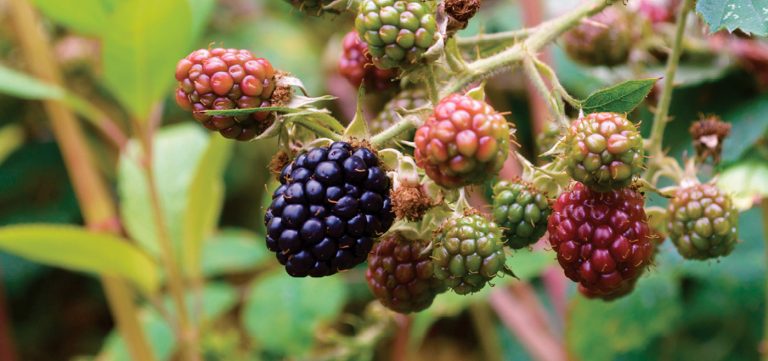
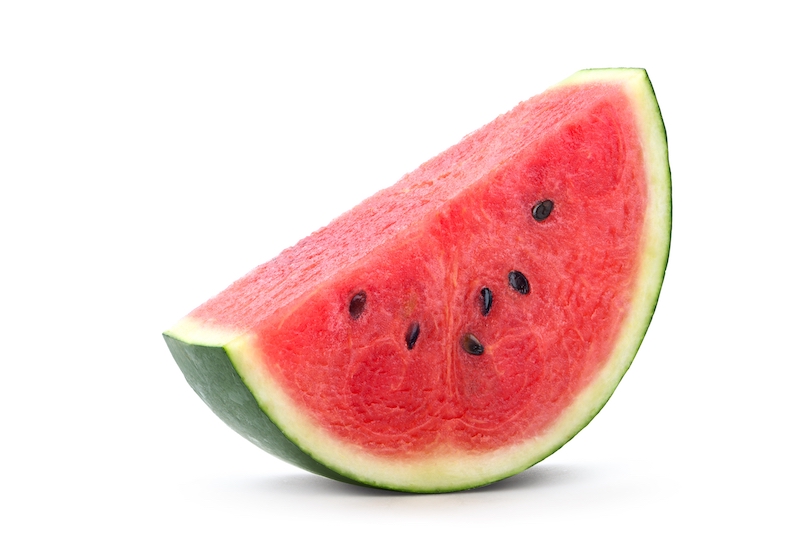
Fruit: Cantaloupes, figs, raspberries and watermelons. Herbs & specialty crops: Fresh herbs, asparagus beans, edamame, horseradish and rhubarb.
Best days
According to the moon’s phases, these are September’s best days for:
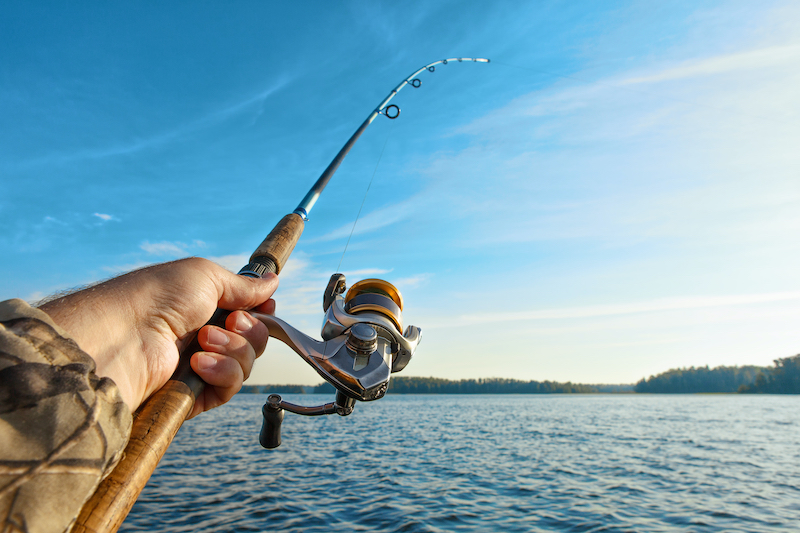
- Going fishing: Sept. 10-26
- Starting your fall garden: Sept. 10-18
- Fall cleaning: Sept. 25-27
- Baking the season’s first pie: Sept. 5-6