What to Plant, Prune and Preserve in the Lowcountry This September
Take advantage of September’s sweet spot with expert tips for healthier plants, happier gardens and longer-lasting herbs.
Story by Alea Wilkins and Suzanne Barton
Key Points
● September is prime gardening time in the Lowcountry, with cooler temperatures and more frequent showers creating ideal conditions for garden maintenance and fall preparation.
● Dividing perennials every three to five years can encourage healthier growth, while removing weeds before they go to seed helps prevent bigger problems in spring.
● Freezing fresh herbs in olive oil is an easy way to preserve the flavors of summer for sauces, stir-fries and other dishes throughout the year.
September is go time in the garden. As cooler days and more frequent showers arrive in the Lowcountry, now is the perfect time to get outside, soak up the sunshine and prepare for a beautiful fall. With weeding reminders, maintenance tips and a creative hack to store summer herbs, certified professional horticulturalist Suzanne Barton shares how to make the most of September’s sweet spot.
[LOCAL Life] Now that it’s cooler, I’m ready to get back out in the garden. What’s the first thing I should do?
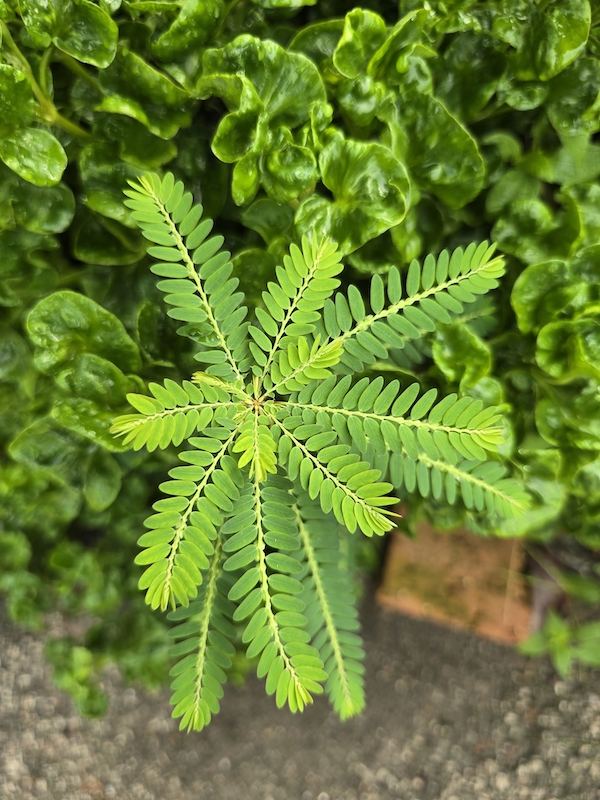
[Suzanne Barton] Weed, weed, weed! If the heat has kept you from managing all of those pesky things in your garden, it’s super important to get rid of them before they release their seeds. If you don’t, come spring, they’ll be all over your yard. Use tools or your hands (my preferred method — it’s almost cathartic) to dig them up at the root.
[LL] Do I need to do anything to my perennials?
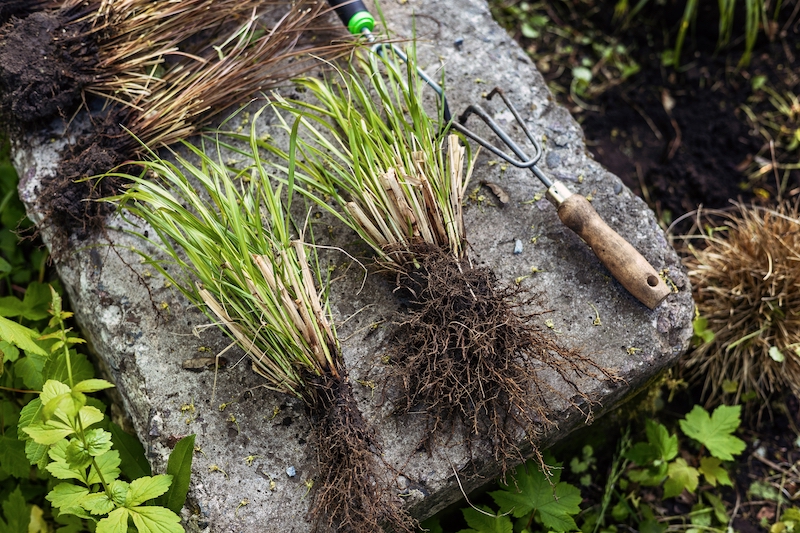
[SB] Yes, now is the perfect time to divide your perennials. Novice gardeners often get confused by this, but it’s not something to be scared of. Dig them up, divide them into smaller clumps, and replant them at their original level in the soil. This last step is especially important. Replant them too deep, and the roots will suffocate or rot. Too shallow, and the roots won’t get the moisture and nutrients they need. Generally, you can tell where the plant naturally sits in the soil, and being off by half an inch won’t make a big difference. Do this every three to five years, and your perennials will stay happy and healthy.
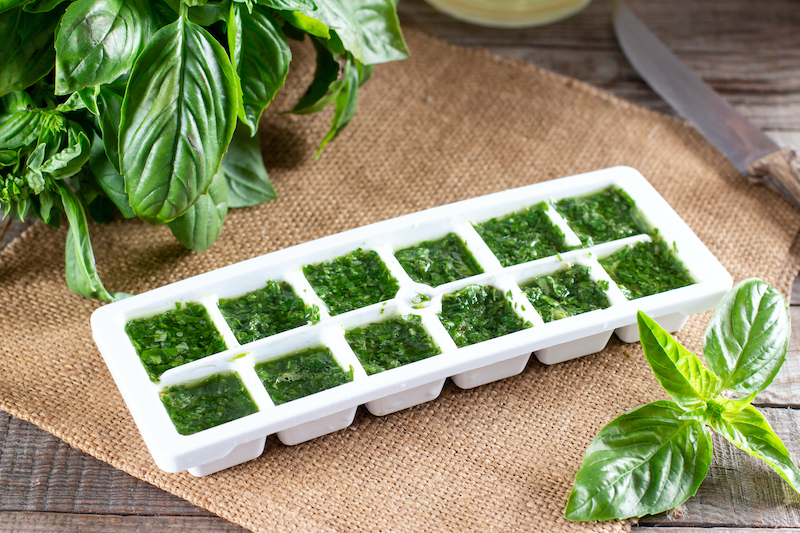
[LL] What can I do with my excess herbs from the summer?
[SB] One of my favorite ways to preserve leftover herbs is to freeze them in olive oil. Wash them thoroughly, then use a salad spinner or clean towels to remove any excess moisture. Chop the herbs finely, and stir them into a bowl of olive oil, making sure they’re completely coated. Pour the mixture into an ice cube tray, and once the cubes are firm, transfer them to a plastic freezer bag. That way, any time you want to add freshness to sauces, stir-fries or skillet dishes, you can toss in a couple of cubes for an extra burst of flavor.
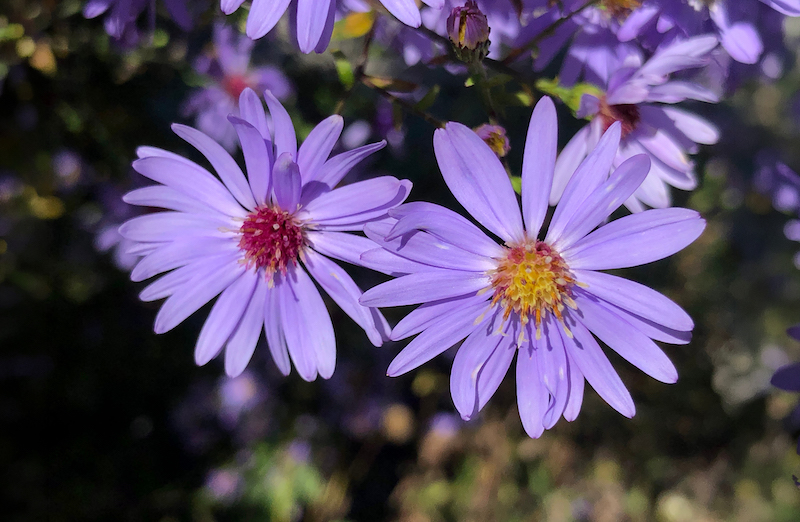
September birth flower: Aster
Named after the Greek word for “star,” aster dazzles in the backyard with delicate blooms that, upon closer inspection, burst into a firework of slender, pointed petals. As a late-season bloomer, these perennials provide a much- needed snack for nectarivores, attracting hummingbirds and butterflies to your fall garden. The blue wood variety performs especially well in our area, and as a symbol of faith and wisdom, it’s a popular gift for 20th anniversaries.
What’s in bloom in September?
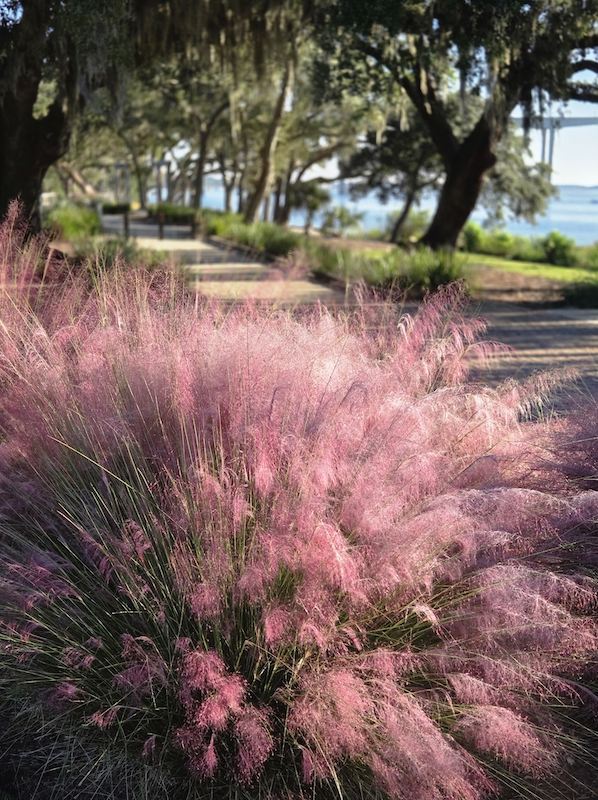
With its cotton candy-like strands, the native pink muhly grass leads September’s lineup of blooms. Its airy pink plumes bring a soft wash of color to landscapes as summer gives way to fall.
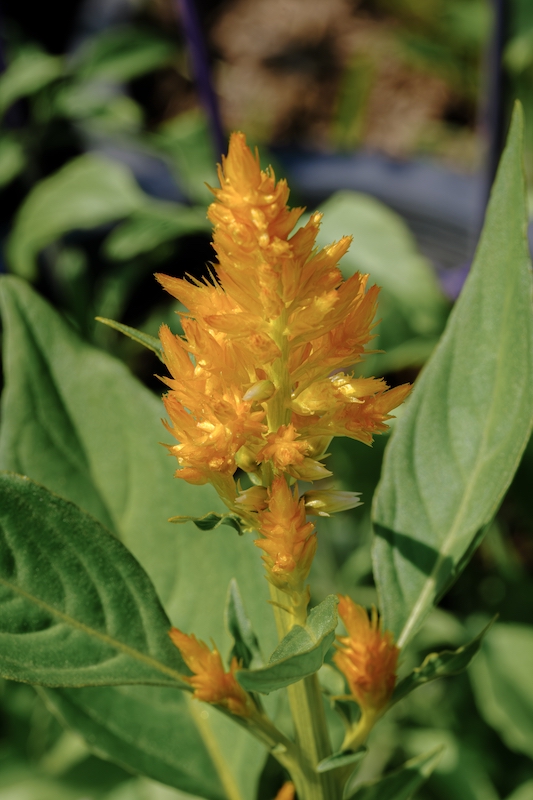
Annuals: Celosia, vinca
Perennials: Echinacea, gaillardia, pink muhly grass, rudbeckia