
Is Shrimp Healthy? Nutrition, Benefits & What to Know About Cholesterol
Lowcountry shrimp packs an impressive nutritional punch.
Story by Mary Bell
Shrimp Nutrition & Health Benefits
Shrimp has been a Lowcountry staple for generations. Piled into a seafood boil, served over creamy grits or grilled fresh from the day’s catch, it has earned its place as one of the region’s most beloved ingredients. But beyond its sweet flavor and versatility, shrimp brings plenty of nutritional value to the table. According to USDA nutrition data, a 3-ounce serving of cooked shrimp provides roughly 20 grams of high-quality protein for fewer than 100 calories. Protein helps build and repair muscle, supports healthy bones and can help you feel satisfied after a meal. Shrimp also contains very little total or saturated fat, making it a lean source of protein.
Its benefits extend beyond protein. Shrimp provides selenium and vitamin B12 and, like other seafood, can contribute iodine to the diet. According to the National Institutes of Health, selenium plays important roles in thyroid function, DNA production, reproduction and protecting the body from oxidative damage and infection. Vitamin B12 is essential for healthy nerve function, red blood cell formation and DNA synthesis, while iodine is needed to produce thyroid hormones. Shrimp also provides the omega-3 fatty acids EPA and DHA, though in smaller amounts than fatty fish such as salmon. The U.S. Food and Drug Administration notes that fish and shellfish provide high-quality protein and other essential nutrients and can be part of a healthful diet.

Is Shrimp High in Cholesterol?
What about cholesterol?
Shrimp’s relatively high cholesterol content has long given it a questionable nutritional reputation, but today’s science tells a more nuanced story. Dietary cholesterol can affect blood cholesterol, though the response varies from person to person and depends partly on the overall diet. The American Heart Association now emphasizes the bigger picture, recommending an eating pattern low in saturated fat and rich in fruits, vegetables, whole grains and lean sources of protein. That’s good news for shrimp lovers: shrimp is naturally very low in saturated fat.
Research also suggests cholesterol content alone doesn’t tell the whole story. In a small, controlled feeding study published in The American Journal of Clinical Nutrition, adults who ate a shrimp-rich diet experienced an increase in LDL (“bad”) cholesterol but an even greater increase in HDL (“good”) cholesterol, along with a decrease in triglycerides. The study was small and involved far more shrimp than most people would typically eat, so its findings shouldn’t be viewed as definitive. Still, they illustrate an important point: when it comes to shrimp and cholesterol, the entire nutritional picture matters. For most people that means looking beyond a single number and considering how shrimp is prepared, what accompanies it and how it fits into an overall balanced diet.
Healthy Ways to Cook Shrimp
Preparation matters
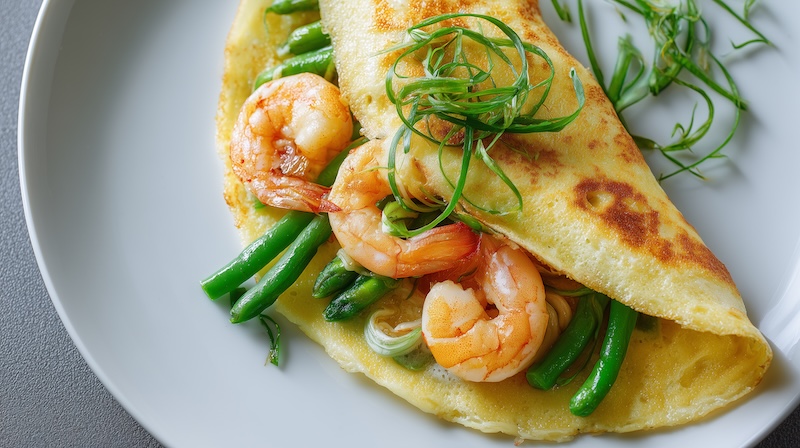
Shrimp may be naturally lean, but what happens in the kitchen can quickly change the equation. Frying, heavy breading and rich sauces can add significant calories, saturated fat and sodium, while simpler preparations allow shrimp’s nutritional benefits — and naturally sweet flavor — to shine.
Fortunately, shrimp doesn’t need much help. Its mild flavor and quick cooking time make it an easy addition to everything from salads and grain bowls to tacos and pasta. And here in the Lowcountry, choosing locally harvested shrimp offers another benefit: supporting the fishermen, docks and seafood businesses that have helped shape the region’s coastal culture for generations.
Fresh from the dock or pulled from the freezer, shrimp brings together flavor, versatility and impressive nutrition. Sometimes the simplest preparation is all this Lowcountry favorite needs.
Healthy Shrimp Cooking Swaps
SMART SWAPS
Small changes in preparation can make a big difference without sacrificing flavor.
Instead of: Deep-fried shrimp
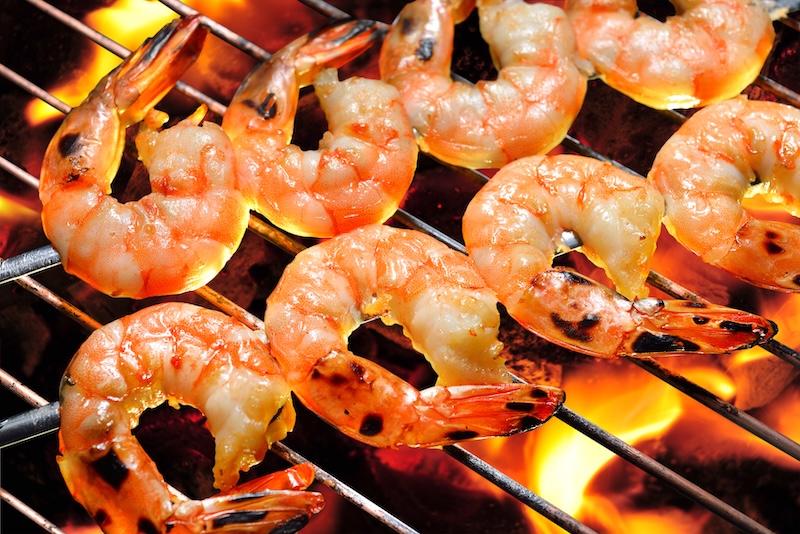
Try: Grilled, roasted or sautéed shrimp for plenty of flavor with less added fat.
Instead of: Heavy cream or butter sauces
Try: Olive oil, lemon and fresh herbs for a lighter finish.
Instead of: Reaching for more salt
Try: Garlic, citrus, chile and spices to build bold flavor without piling on sodium.
Instead of: A plate heavy on refined carbs
Try: Pair shrimp with colorful vegetables and whole grains for a more balanced meal.
Fresh vs. Frozen Shrimp: Which Is Better?
Fresh or frozen?
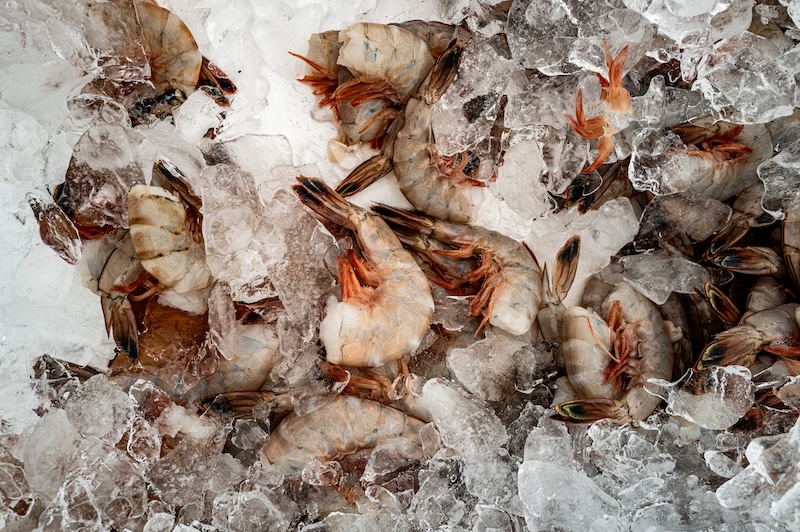
Don’t assume fresh is automatically better. Both fresh and frozen shrimp can be nutritious choices, and what matters most is the quality of the product, how it has been handled and what has been added to it.
Check the ingredients. Compare labels for added sodium and other ingredients, particularly in seasoned, breaded or processed shrimp.
Inspect the package. When buying frozen shrimp, avoid packages that are open or damaged or contain excessive frost or ice crystals, which can be signs of lengthy storage or thawing and refreezing.
Keep it cold. Refrigerate fresh shrimp promptly, and keep frozen shrimp frozen until you’re ready to use it.
Thaw it safely. Defrost frozen shrimp overnight in the refrigerator or, for a quicker method, seal it in a plastic bag and immerse it in cold water.
Shrimp Nutrition Facts
Shrimp by the numbers
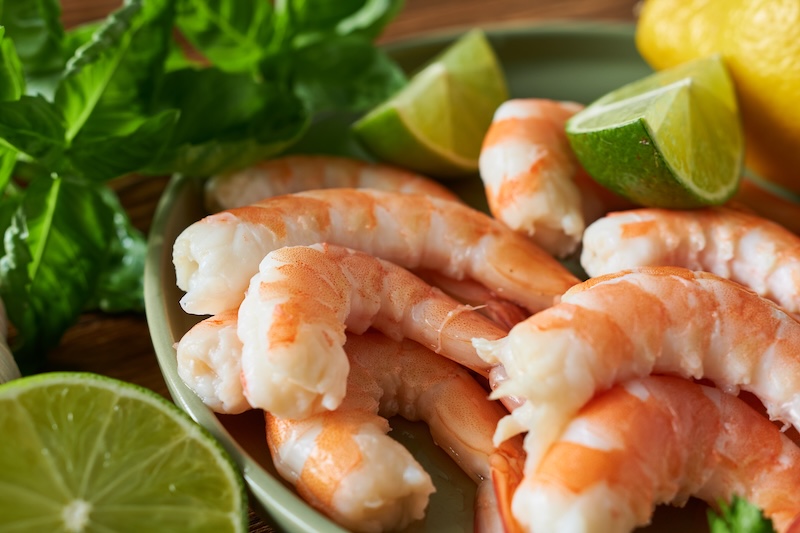
Approximate values for a 3-ounce serving of cooked shrimp; nutrition varies by species, product and preparation.
Calories: About 85
Protein: About 20 grams
Total fat: Less than 1 gram
Saturated fat: Less than 0.5 gram
Also provides: Selenium, vitamin B12 and omega-3 fatty acids