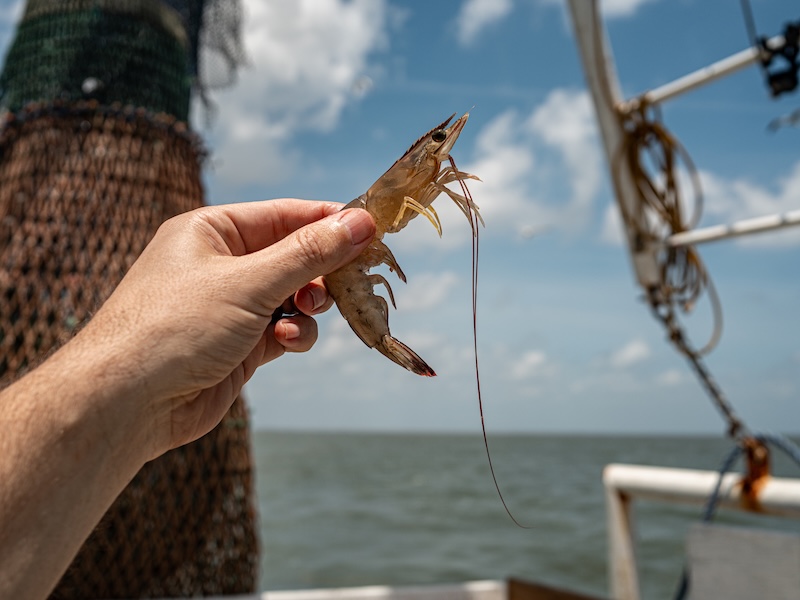
Can You Develop a Shellfish Allergy as an Adult? Warning Signs to Know
Why shellfish allergies can develop later in life and how to recognize the warning signs.
Story by Madison McBride
In the Lowcountry, shrimp is more than dinner. It’s the centerpiece of backyard boils, seafood restaurants and family gatherings. But for some people, one bite can turn a favorite meal into a medical emergency. Even more surprising, shellfish allergies often develop after years — even decades — of eating shrimp, without any problems. About 60% of food allergies begin in adulthood, proving they’re not just a childhood condition. Knowing the warning signs can help you recognize when shrimp bites back.
Why Shellfish Allergies Can Develop Later in Life
When allergies appear
Unlike milk or egg allergies, which often begin in childhood, shellfish allergies frequently appear later in life. Researchers are still studying why, but one leading theory involves an unexpected culprit: dust mites.
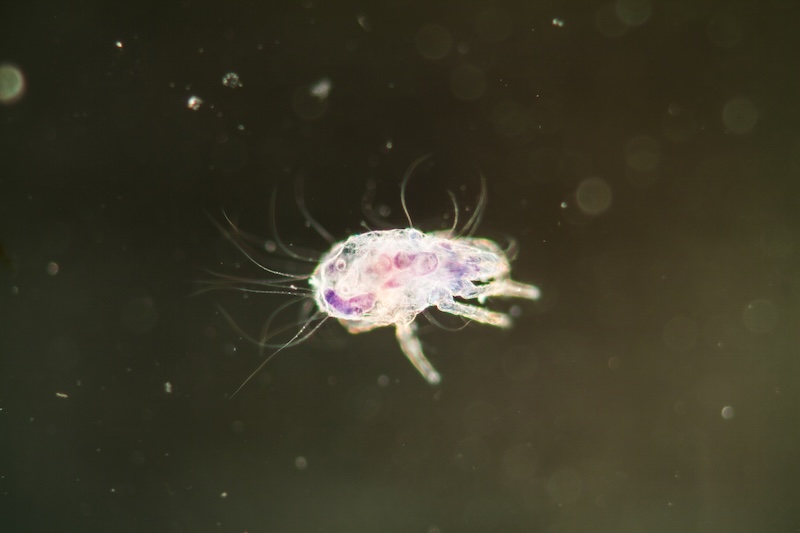
According to local allergist Dr. Thomas Beller, shrimp and dust mites share a muscle protein called tropomyosin. Years of exposure to dust mites eventually may cause the immune system to mistake shrimp proteins for those found in dust mites.
“If you look at a dust mite, it basically looks like a microscopic little land crab,” Beller said.
It may sound unusual, but the science supports the comparison. This phenomenon, known as cross-reactivity, helps explain why shellfish allergies sometimes develop seemingly out of nowhere after years of eating shrimp without issue. While not everyone with a dust mite allergy will develop a shellfish allergy, the connection offers one explanation for why the condition can develop later in life.
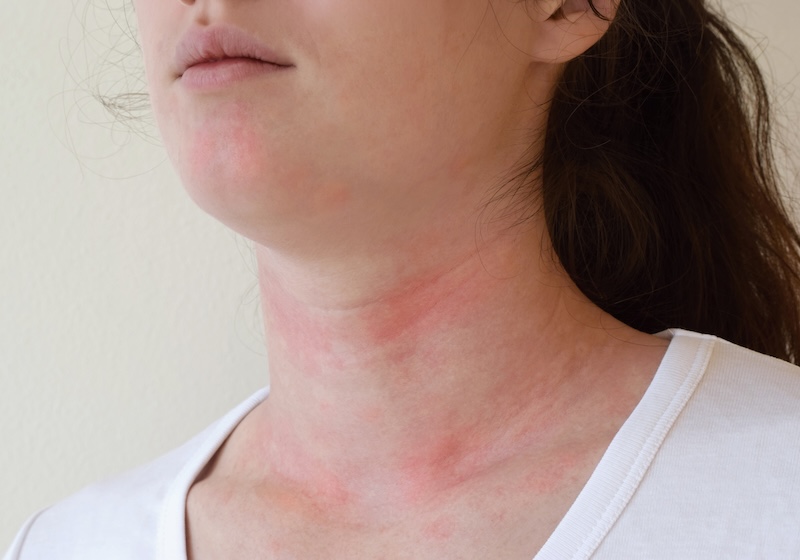
When someone with a shellfish allergy eats shrimp, the immune system mistakenly identifies proteins such as tropomyosin as dangerous invaders. It releases chemicals that can trigger symptoms ranging from an itchy mouth and hives to swelling, difficulty breathing and, in severe cases, a dangerous drop in blood pressure.
Shellfish Allergy Symptoms: Know When to Act
Know when to act
Many people assume the greatest danger during a severe allergic reaction is that the throat closes. Beller says the more immediate threat is often a rapid drop in blood pressure, known as anaphylactic shock. An epinephrine auto-injector, commonly called an EpiPen, quickly helps reverse the reaction by relaxing the airways, raising blood pressure and slowing the body’s allergic response.
“If you’re even questioning, ‘Should I use it?’ … just use it,” Beller said. “You’re much better off taking it and not needing it than not taking it when you needed it.”
Medical recommendations have evolved in recent years. While people were once told to use an EpiPen and immediately call 911, experts now recognize that fear of an emergency room visit sometimes caused people to delay using the medication.
Beller recommends using an EpiPen as soon as symptoms spread beyond the mouth or include vomiting, stomach pain, dizziness, fainting, trouble breathing or you have a strong sense that something isn’t right. If symptoms don’t improve — or worsen at any point — call 911 immediately.
How to Live Safely With a Shellfish Allergy
Living safely with a shellfish allergy
Living with a shellfish allergy requires extra planning, but it doesn’t have to mean giving up Lowcountry traditions. Tell restaurant staff about your allergy, ask how your food is prepared and whether precautions are taken to prevent cross-contamination. Whether you’re attending a shrimp boil, enjoying waterfront dining or cooking at home, understanding the risks — and acting quickly if symptoms appear — can help you continue enjoying one of the Lowcountry’s favorite traditions with confidence.

Shellfish Allergy Facts & Myths
FACT OR FICTION?
Fiction: A shellfish allergy is caused by iodine.
Fact: Shellfish allergies are triggered by proteins, not iodine.
Fiction: A fish allergy and a shellfish allergy are the same.
Fact: They are separate allergies and having one doesn’t necessarily mean you’ll have the other.
Fiction: Cooking shrimp thoroughly prevents an allergic reaction.
Fact: Heat doesn’t destroy the proteins that trigger shellfish allergies, so cooked shrimp can be just as dangerous as raw shrimp for someone with the allergy.
Shrimp Allergy Survival Guide
Heading to a shrimp boil or a seafood restaurant? A little preparation can make all the difference.
Know the warning signs
If these symptoms develop after eating shellfish, seek medical attention immediately.
• Itchy mouth or throat
• Hives or skin rash
• Swelling of the lips, tongue or throat
• Vomiting or severe stomach pain
• Difficulty breathing or wheezing
• Dizziness or fainting
Before dining out
Simple precautions can help reduce your risk of accidental exposure.
• Tell your server about your shellfish allergy before ordering.
• Ask how your meal is prepared and whether there’s a risk of cross-contamination.
• Always carry your prescribed EpiPen if you have a shellfish allergy.
• Know where the nearest emergency medical care is located, especially when traveling.
Remember, you can develop a shellfish allergy even after enjoying shrimp for decades. If you experience symptoms for the first time, don’t ignore them. Talk with a doctor or an allergist to determine whether shellfish is the cause and develop a plan to keep yourself safe.