5 Strange and Spooky Plants for Lowcountry Gardens
From snapping Venus flytraps and brain-like blooms to ghostly plants rising from the forest floor, these botanical oddities bring a little natural Halloween spirit to the Lowcountry.
Story by Alea Wilkins
This time of year, jack-o’-lanterns find their place on the porch, “beware” signs warn passersby, and 12-foot skeletons loom large. For a dose of holiday “fear” without the kitschy decor, these spooky-looking plants can thrive in Lowcountry homes and gardens while celebrating the season naturally.
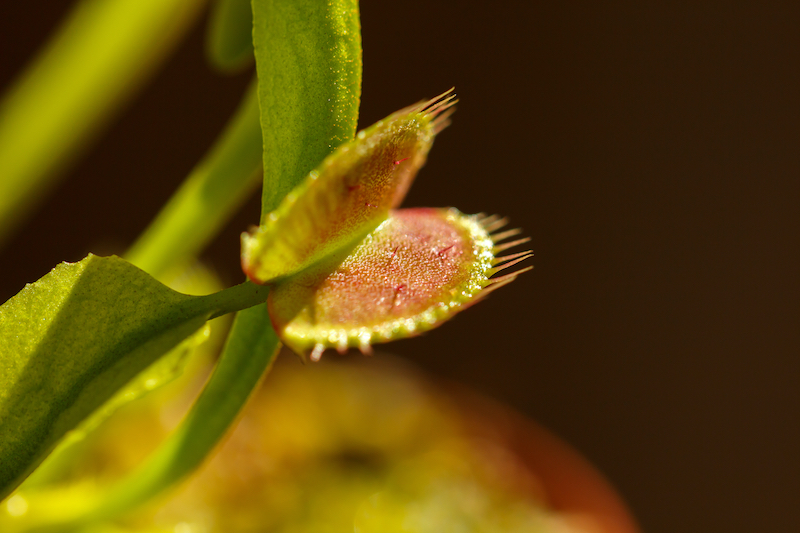
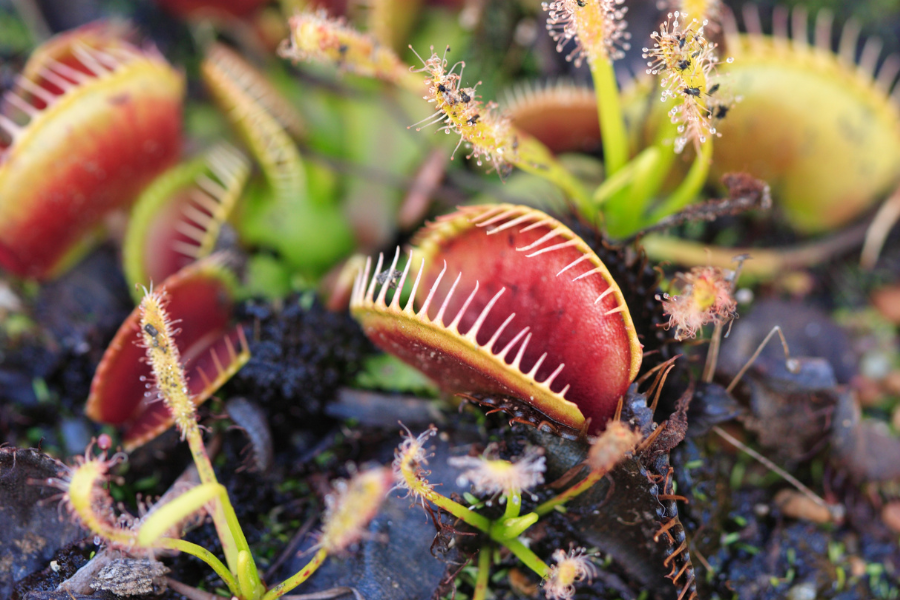
Venus flytrap (Dionaea muscipula)
Best known for its fanged, gaping trap that snaps shut on unsuspecting prey, the venus flytrap is perhaps the most recognizable creepy plant. Recognized as South Carolina’s official state carnivorous plant, this native perennial famously feeds on insects and other small arthropods that trigger its open traps. Over several days it digests its prey, absorbing nutrients that are scarce in the acidic, nutrient-poor soils of its natural habitat. At home it grows best in containers with plenty of sunlight and consistently moist, acidic growing conditions.
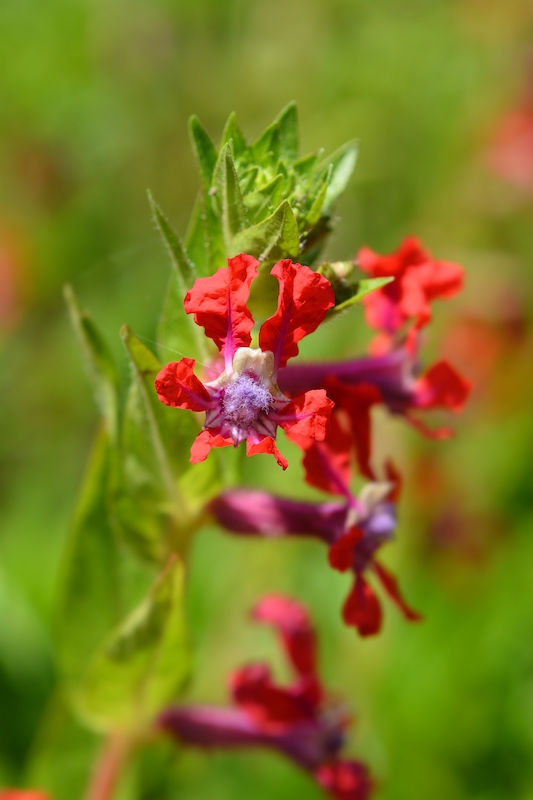
Bat-faced cuphea (Cuphea llavea)
A purple calyx and a set of red “ears” give this whimsical bloom its name. Native to Mexico and Central America, bat-faced cuphea thrives in hot, humid conditions, making it a colorful addition to Lowcountry gardens or hanging baskets. Its moniker may sound frightening, but the plant is more cheerful than chilling, drawing hummingbirds, butterflies and other pollinators to the backyard.
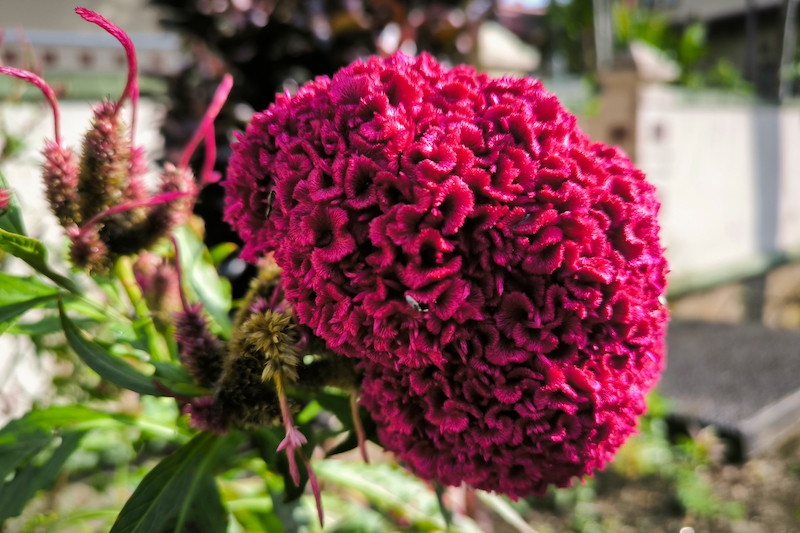
Cockscomb (Celosia argentea var. cristata)
The velvety, wrinkled blooms of cockscomb look uncannily brain-like during spooky season. Named for their resemblance to a rooster’s comb, these plants originally hail from tropical regions but have become a familiar sight in warm-weather gardens. Their blooms, which can reach impressive sizes, come in red, pink, orange, yellow or white. Keep an eye out for pollinators, which are drawn to their vibrant blooms — or zombies, which may mistake the plants for their favorite snack.
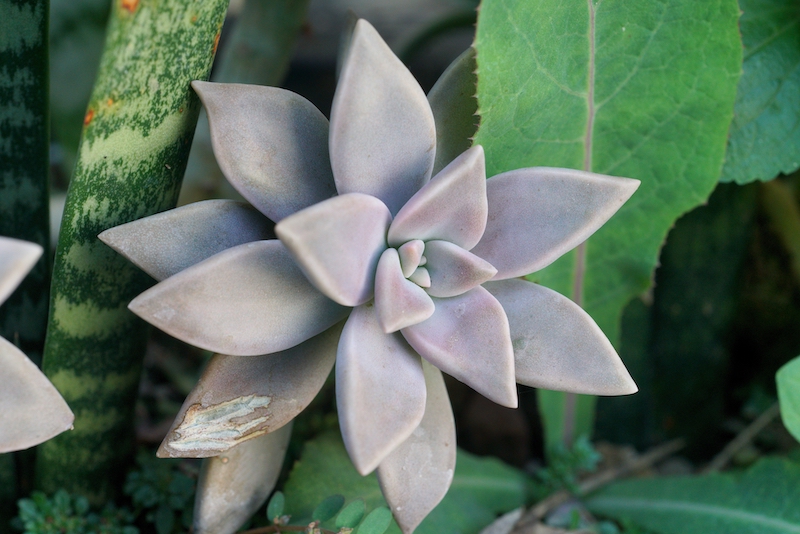
Ghost plant (Graptopetalum paraguayense)
No succulent embodies the spirit of the season more than the ghost plant, a small, ashen botanical native to Mexico. Also referred to as mother-of-pearl plant, this succulent forms rosettes that vary in color, depending on growing conditions. Hot, dry weather can turn its pale leaves slightly pink, while some protection from intense sun can shift them toward a bluer hue. As ground cover, it makes a dimensional addition to garden beds, while in a container it makes charming-yet-ghoulish decor. Wherever it’s planted, it looks simply boo-tiful.
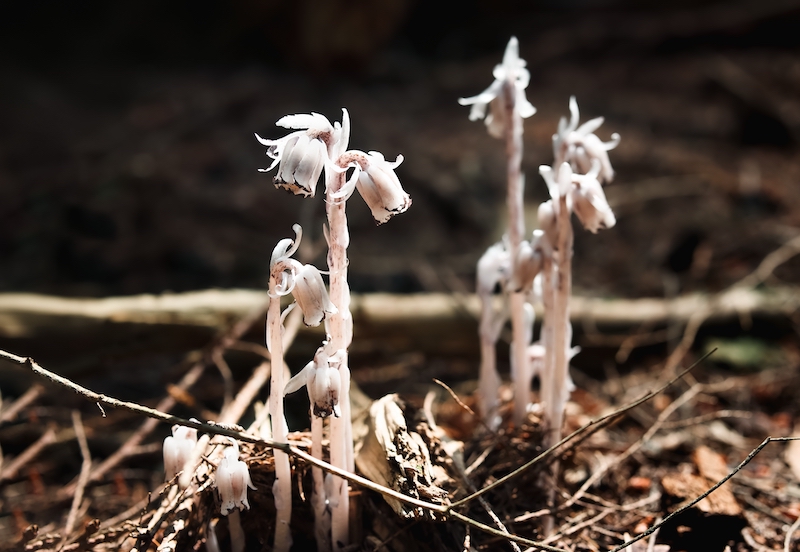
Ghost pipe (Monotropa uniflora)
Rising from the ground like the undead, ghost pipe earns its name from its pale, translucent appearance. Each spindly stem, generally growing several inches tall, produces a single nodding flower. This unusual perennial is found in forests throughout much of the United States. Unlike the other plants on this list, however, ghost pipe is not a practical choice for the home garden. It lacks chlorophyll and obtains nutrients through a complex relationship with fungi and trees, making it extremely difficult to cultivate. In the Lowcountry it has been documented on Pinckney Island National Wildlife Refuge.
October birth flower: Marigold
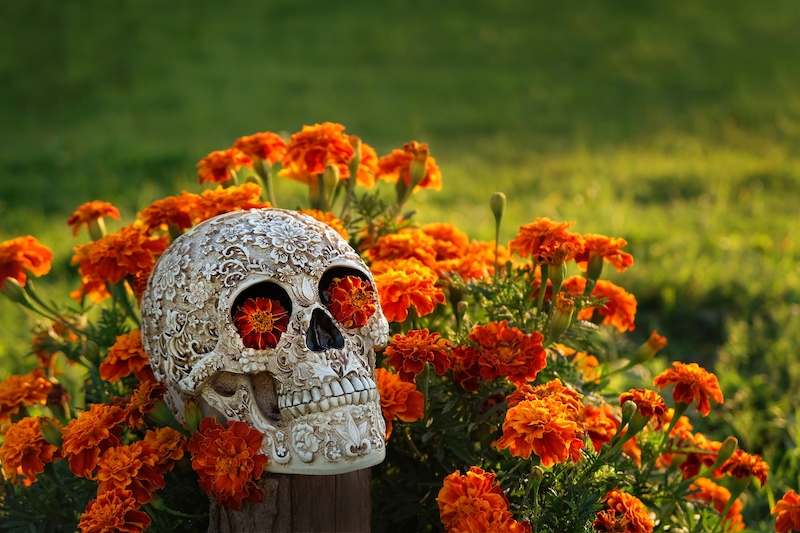
With fiery flowers in shades of yellow, orange and red, marigolds bring fall color to the garden until the first frost. Long associated with remembrance, they hold special meaning during Mexico’s Día de los Muertos, when their petals are traditionally used to honor the dead and help guide their spirits home.
What’s in bloom this month?
October brings a fresh wave of color to Lowcountry gardens as cooler days give fall flowers their time to shine. Many will keep the show going well into the season while providing valuable late-season food for bees, butterflies and other pollinators.
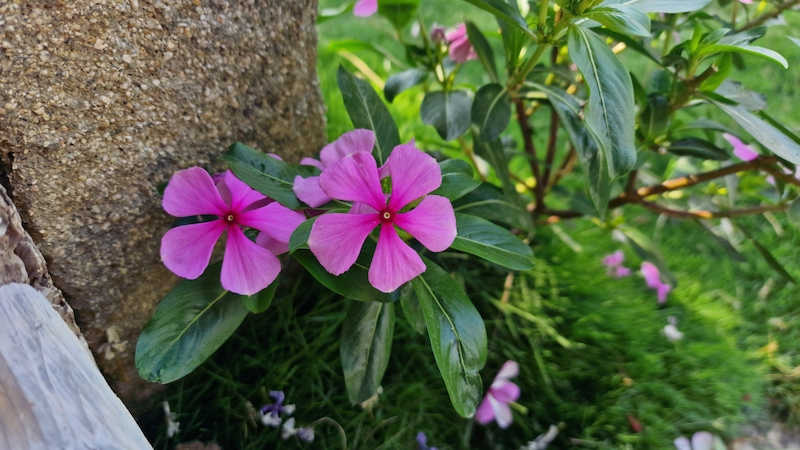
Annuals: Celosia, marigold, pentas, vinca, zinnia
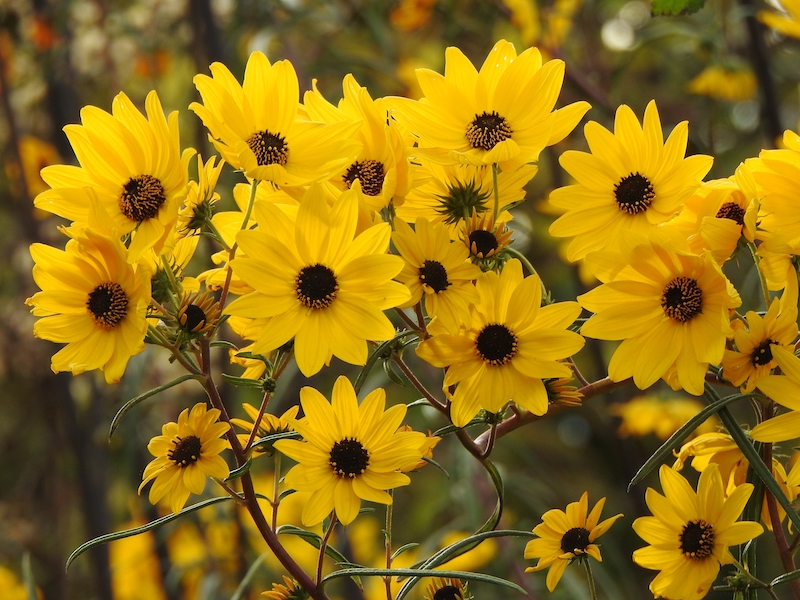
Perennials: Asters, blue mistflower, goldenrod, spotted beebalm, swamp sunflower