The Biggest Cosmetic Decision Happens Before Anyone Picks Up a Syringe
The most important cosmetic recommendation isn’t always filler. Dr. Nicole V. Nadel explains why understanding facial aging comes first.
By Olivia Sims
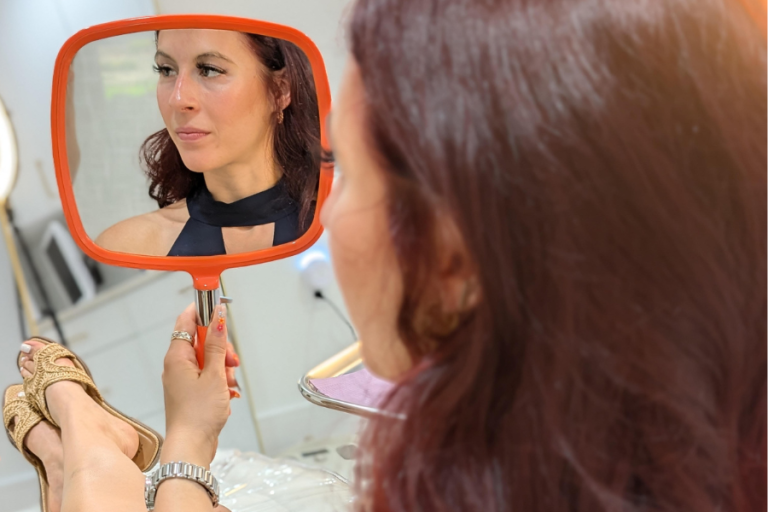
Most people schedule an aesthetic consultation believing they already know what they need. They have spent hours studying their reflection, comparing photos from a few years ago, reading about fillers online, and convincing themselves the answer lives in one specific area of the face.
By the time they sit down with Dr. Nicole V. Nadel at Totality MediSpa Hilton Head, many have already decided which treatment they want.
The consultation rarely begins there.
Patients often point to their smile lines, cheeks, or jowls as the problem. Dr. Nadel starts somewhere they never expected.
“Patients almost always notice the last sign of aging first,” Dr. Nadel says. “The jowls are the final domino to fall. By the time someone sees changes there, the rest of the face has already been changing for years.”
To patients, aging often looks like a single concern. Dr. Nadel sees a series of connected changes involving bone support, fat loss, skin quality, and facial support, all developing gradually over time. Focusing on the feature drawing the most attention without understanding those underlying changes can lead to treatment plans that never fully address what patients hope to improve.
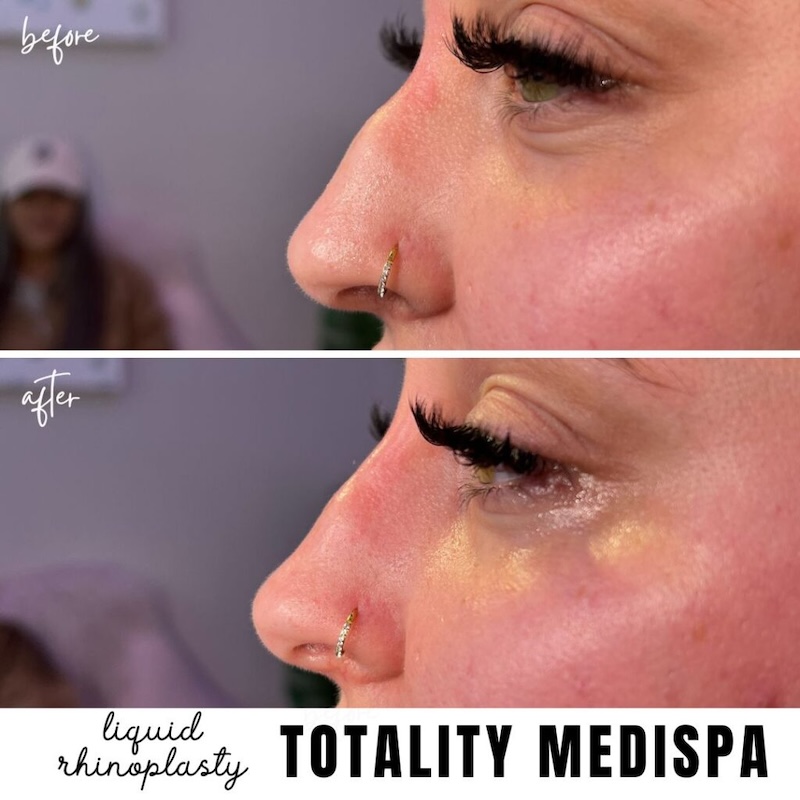
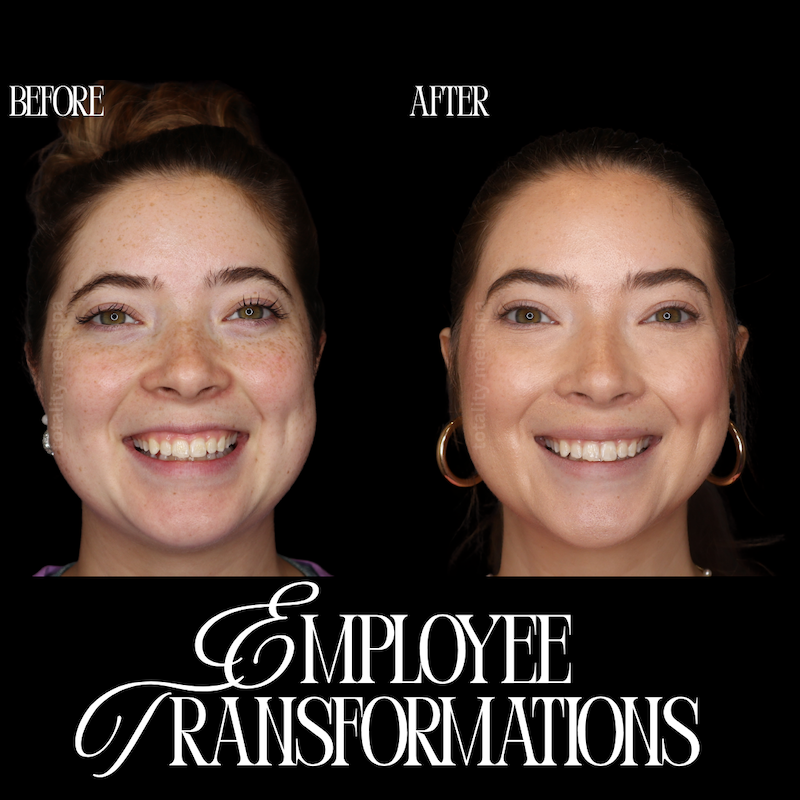
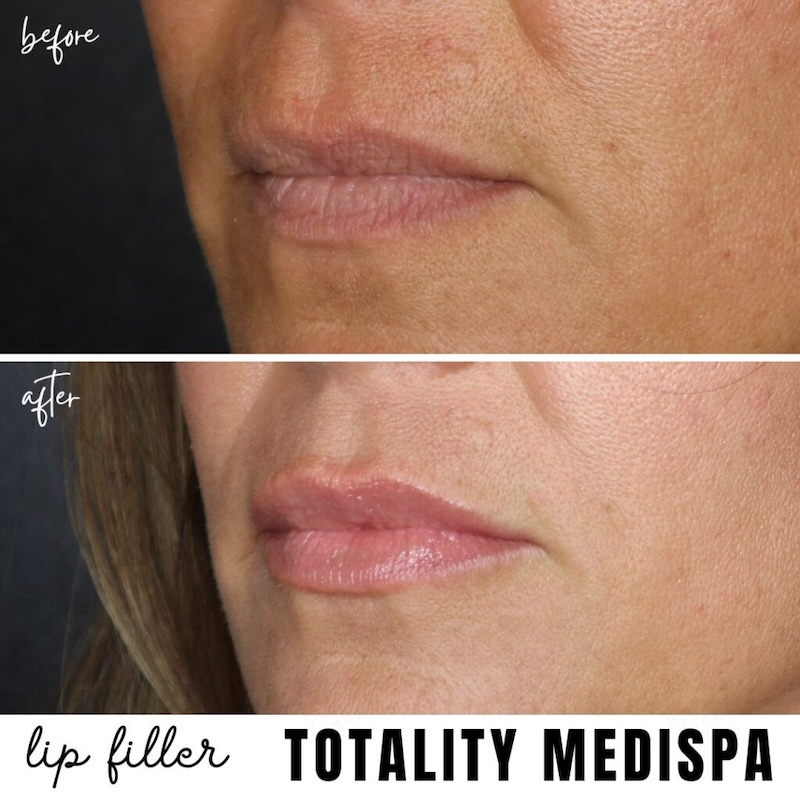
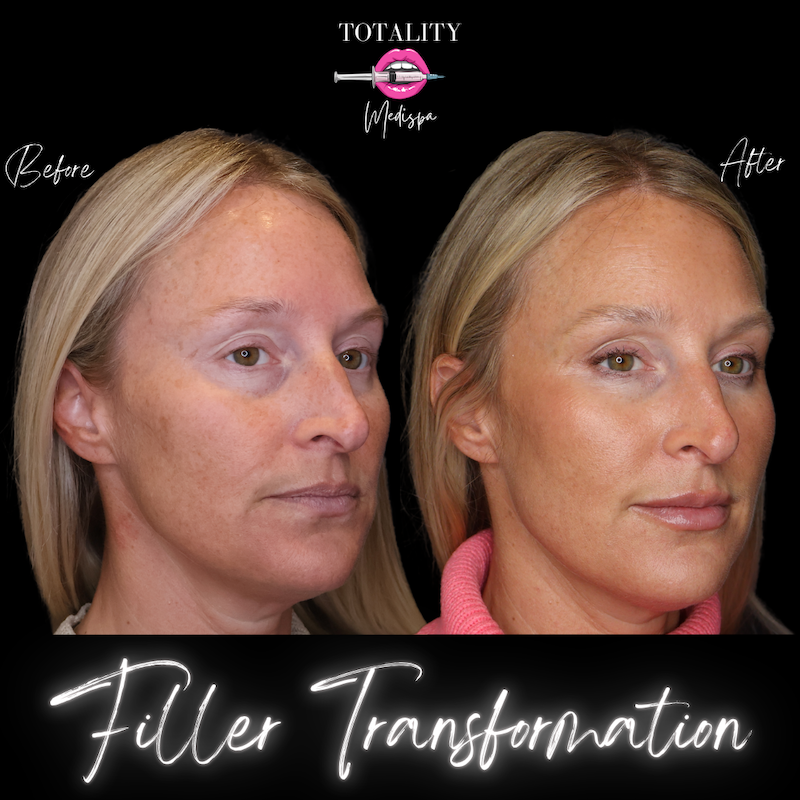
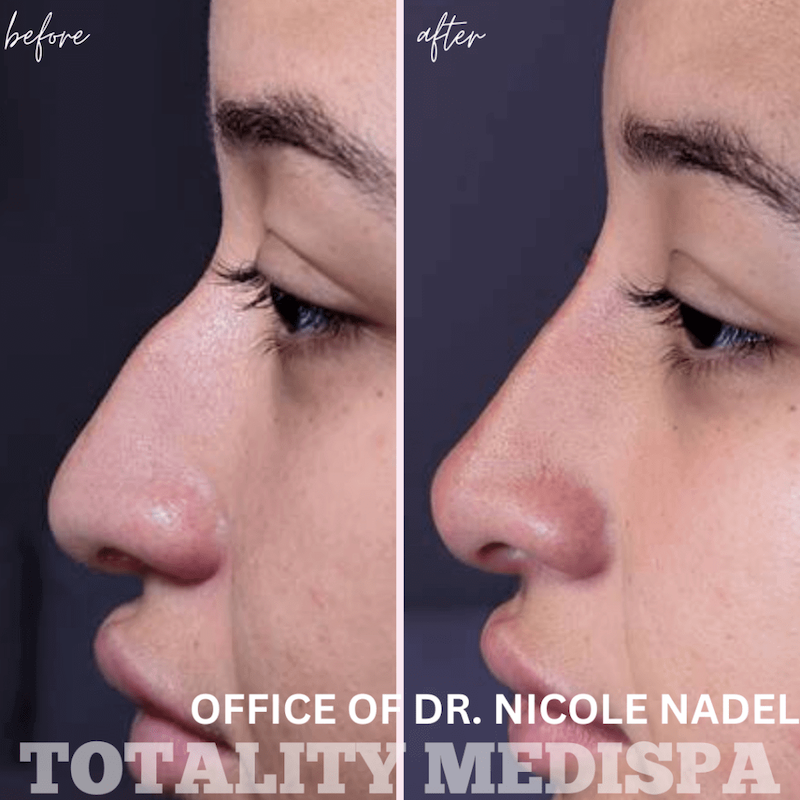
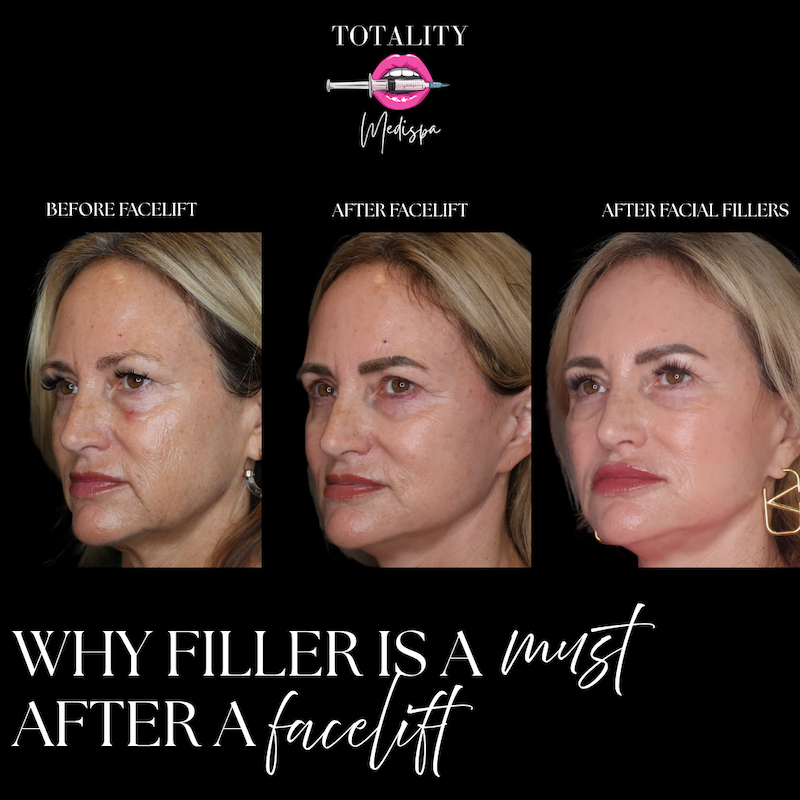
What to Ask Before Getting Facial Fillers
Many patients spend weeks researching filler brands before they ever schedule a consultation. They compare products online, ask friends for recommendations, and assume choosing the right syringe will have the greatest influence on their appearance.
Dr. Nicole V. Nadel believes the conversation starts much earlier.
“The product matters, but it will never outweigh the skill of the injector. Poor technique can undo even the best filler.”
Before recommending any treatment, Dr. Nadel works to understand why someone looks older, not simply where they look older. Once she identifies the underlying cause, the conversation can turn to treatment options, including filler if it truly belongs in the plan.
The first question is never which product belongs in the syringe. It is whether injectables can realistically accomplish what the patient hopes to achieve.
When the Right Answer Isn’t More Filler
Many patients assume every concern has a nonsurgical solution. At Totality MediSpa, one of the most important parts of every consultation is recognizing when injectables have reached their limit.
Skin laxity often becomes the deciding factor. Fillers restore lost volume exceptionally well, yet they cannot recreate the support lost through significant loose skin.
“One of the most important parts of my job is knowing where injectables stop working,” Dr. Nadel says. “When someone needs surgery, they deserve to hear it. Recommending more filler simply isn’t the right answer.”
Some patients benefit more from laser treatments to improve skin quality or collagen-building procedures before considering filler. Others achieve the best outcome through plastic surgery. Those recommendations are not always what patients expect when they schedule an appointment, yet Dr. Nadel believes honesty should always come before another procedure.
“The consultation isn’t about finding a way to inject every patient,” she says. “It’s about recommending the treatment that will truly help them.”
Why Treating Just One Area of the Face Can Make You Look Older
One of the quickest ways to recognize inexperienced injector work, according to Dr. Nadel, is seeing the same areas treated repeatedly while the rest of the face remains deflated.
Many providers become comfortable injecting cheeks and lips early in their careers. As patients return over the years, those same areas often receive more filler while surrounding areas continue losing volume.
“The more cheek filler that is added to an already aging face, the more morphed the face can become ,” Dr. Nadel says. “Eventually you create what I call a peanut shaped head because everything around the cheeks continues hollowing while the cheeks keep getting bigger.”
An experienced injector recognizes a different pattern. Instead of continuing to add volume where filler already exists, Dr. Nadel evaluates the temples, under eyes, and other areas that less experienced injectors are unable to treat. Restoring balance often depends less on adding more filler and more on understanding where aging actually began.
“The face doesn’t age one feature at a time,” she says. “It changes as a complete unit, and your treatment plan has to reflect that.”
What an Honest Aesthetic Consultation Looks Like
Patients often believe the most important cosmetic decision is choosing a filler. At Totality MediSpa Hilton Head, the most important decision happens much earlier, during the conversation that determines if filler is even the right answer.
Every recommendation begins with the same question.
What will create the healthiest, most balanced outcome for this individual, not just today, but years from now?
Sometimes the answer is filler. Sometimes it is Botox, laser treatments, collagen stimulation, or surgery. Occasionally, it is waiting.
“Patients deserve honest recommendations, even when the answer isn’t another syringe,” Dr. Nadel says. “My responsibility is to recommend what will truly benefit them, not simply what they came in asking for.”
Patients spend countless hours researching products, comparing before and after photos, and following the latest cosmetic trends. Dr. Nadel believes a different decision deserves far more attention.
The most important choice is not what goes into the syringe. It is who decides if the syringe belongs there at all.
To learn more about injectable treatments and consultation options, visit www.totalitymed.com/location/hilton-head-location.

[Related Read: ‘Undetectable injectables’ are the new trend. This Hilton Head MediSpa has been doing it for years]
This post was created by LL Partner Studio on behalf of Totality MediSpa Hilton Head. Learn more at www.totalitymed.com/location/hilton-head-location.