What to Plant in August and What to Do With All Those Hot Peppers
From planning a fall garden to preserving summer’s hottest harvest, Suzanne Barton shares what every Lowcountry gardener should do this month.
Story by Alea Wilkins and Suzanne Barton
Key Points
● Learn how crop rotation improves soil health and prepares your Lowcountry garden for a productive fall growing season.
● Find out why late summer is one of the best times to plant palm trees and how to grow them at home.
● Turn leftover peppers into homemade hot sauce, but make sure the windows are propped open.
● Discover expert late-summer gardening tips to extend your harvest, prepare for fall planting and keep your garden flourishing into the next season.
As summer slows down, the beaches get quieter, but the garden stays active well past Labor Day. Whether you’re eagerly awaiting fall’s harvest or wondering what to do with the rest of your summer bounty, The Green Thumb’s Suzanne Barton shares how to appreciate the season’s grand finale while preparing for what’s to come.
[LOCAL Life] I’m ready to start my fall garden. What’s the first step?
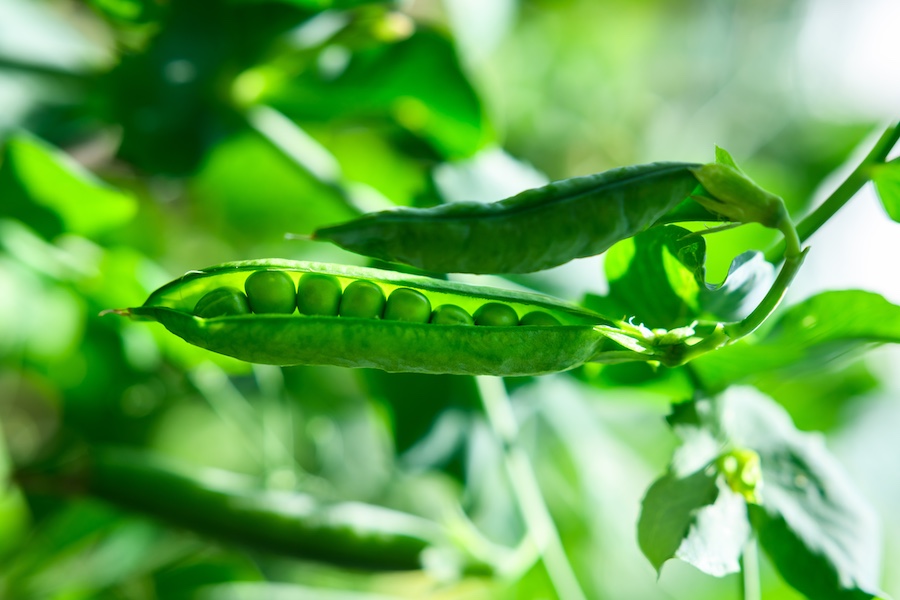
[Suzanne Barton] Before setting foot outside, you’ll want to decide where you are going to plant your fruits and vegetables. Take a look at your current crops, and consider which need to be rotated. This will help restore essential nutrients to the soil. For example, leafy greens like kale, lettuce and bok choy heavily consume nitrogen. To add nitrogen back to your garden, plant legumes like beans and peas. This way, your garden will stay healthy and fertile season after season.
[LL] Is there anything I can plant now?
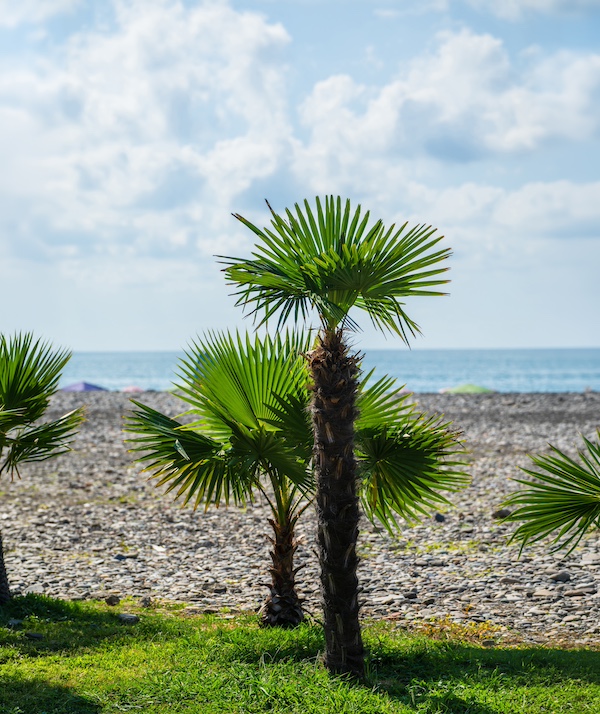
[SB] Yes! Now is actually the perfect time to plant palm trees. In most cases, Lowcountry gardeners have to think about adding compost or fertilizer to help plants survive in our sandy soil, but palm trees thrive in it naturally. Pick up a containerized sapling at your local grower (seven- to 15-gallon pots are easiest), add a sprinkle of palm tree food, and with a little patience, you’ll have a tropical paradise in your backyard.
[LL] I have many hot peppers. What should I do with them?
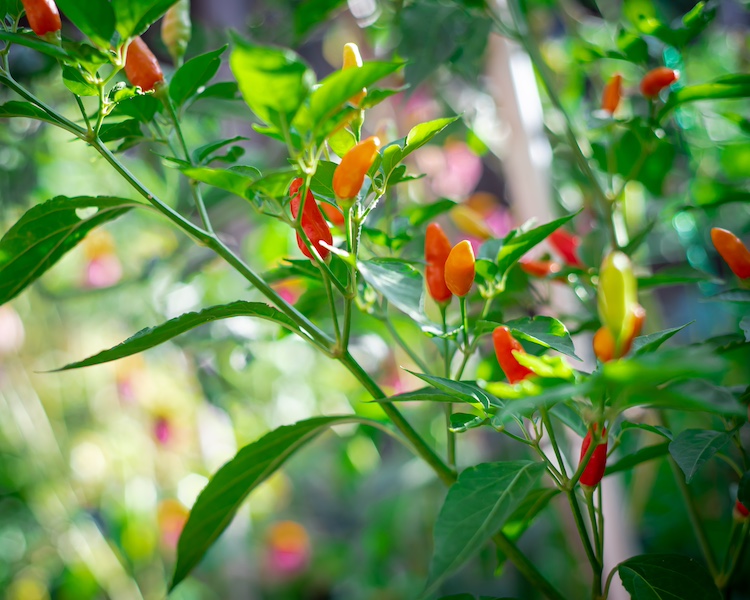
[SB] Easy — make hot sauce! I used to grow nearly 30 varieties of peppers, and I’d get to a point where I had so many, my neighbors wouldn’t take them anymore. Hot peppers like habaneros, tabasco and cayenne all grow wonderfully in our area, and they make fabulous sauces. There are so many recipes from which to choose, but no matter which you try, make sure to ventilate your kitchen. One year I accidentally made our house smell like hot sauce for a whole week!
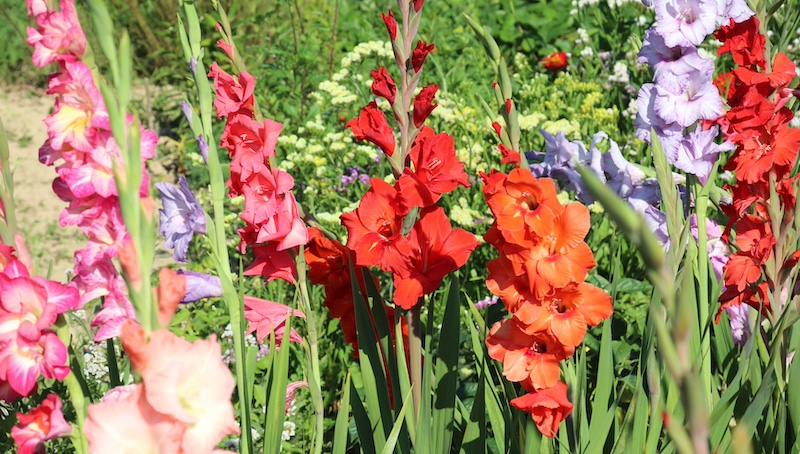
August birth flower: Gladiolus
Referred to as the “sword lily” for its striking blooms, gladiolus resembles strength and integrity. Growing two to five feet tall, it stands proudly above common blooms and foliage, emblazoning the backyard with streaks of red, orange, yellow and purple as it reaches toward the sky. Barton says its impressive height makes it the perfect natural fence. Like a garden wall, it shields areas for enhanced privacy, yet it decorates as it protects. Graceful and dignified, gladiolus is a reminder of the beauty in strength.
What’s in bloom in August?
August’s blooms mark summer’s final act, splashing the Lowcountry with vibrant color before berries ripen and the landscape gently settles into fall. Take a moment to savor the season’s last show.
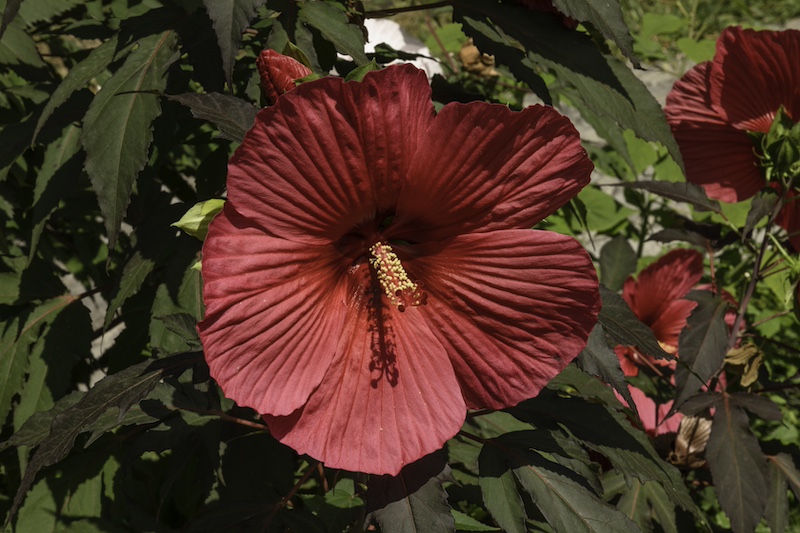
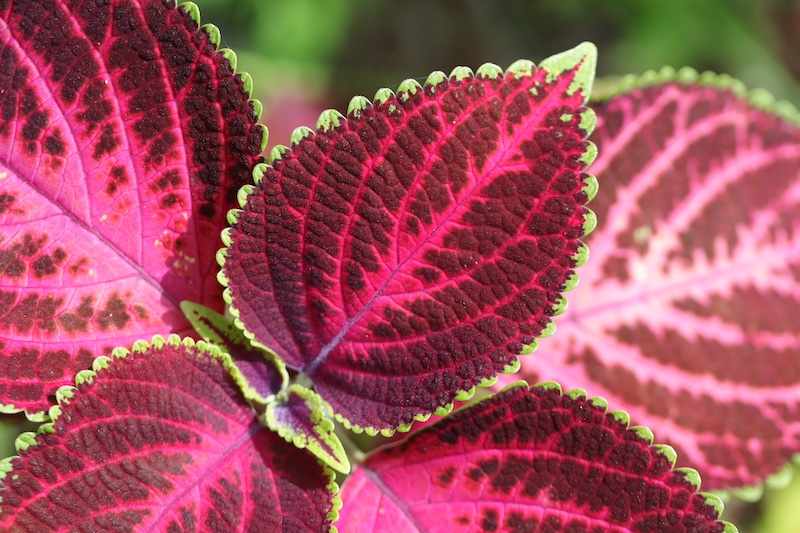
Annuals: Coleus, profusions zinnias, lantana, vinca
Perennials: Hardy hibiscus, rudbeckia, false sunflower, coreopsis, echinacea, beautyberry, chaste tree