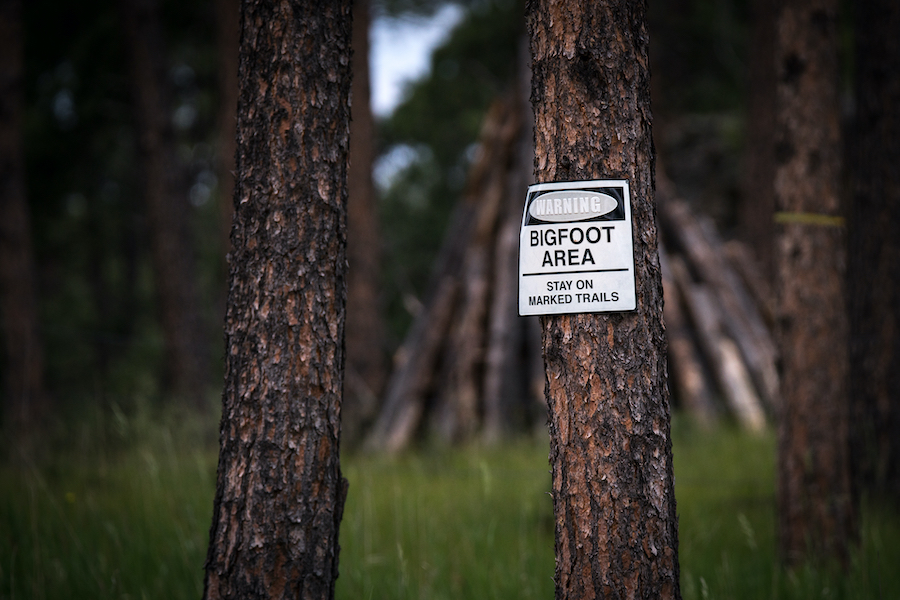
Human, Ape or Legend? A Serious Case for the Existence of Bigfoot
A closer look at the evidence, eyewitness accounts and enduring mysteries that keep the question alive.
Story by Michele Roldán-Shaw
A shy, hairy giant digs clams on misty beaches and forages for berries in the matted temperate rainforests of the Pacific Northwest. Sasquatch. An elusive bi-ped with thick white fur roams the snowy ranges of the Himalayas. Yeti. A primitive, muscular man haunts the remote regions of Siberia. Chuchunya. An aggressive hominid covered in reddish-brown hair terrorizes bushwalkers in the Australian Outback. Yowie. A strange ape-man that can laugh and cry interacts with villagers in hidden valleys of China. Yeren. A shaggy, barrel-chested creature with long, swinging arms wanders across T-shirts, mugs and bumper stickers in America. Bigfoot.
Stories of not-quite-human beings have been present across time and cultures. From the feral Wildman of the Woods portrayed in illuminated manuscripts of medieval Europe (wodewose) to powerful wild beings depicted in the carved masks and oral traditions of Indigenous peoples of the Pacific Northwest, human-adjacent figures have fascinated us for centuries. But if you thought the modern pop-culture Bigfoot was just a trendy joke, think again. Serious inquiry into the alleged evidence can be even more fascinating than the legend. For the remainder of this article, we will use the word Bigfoot as shorthand for the various humanoid cryptids described around the world, while recognizing that these figures come from distinct cultures and traditions.

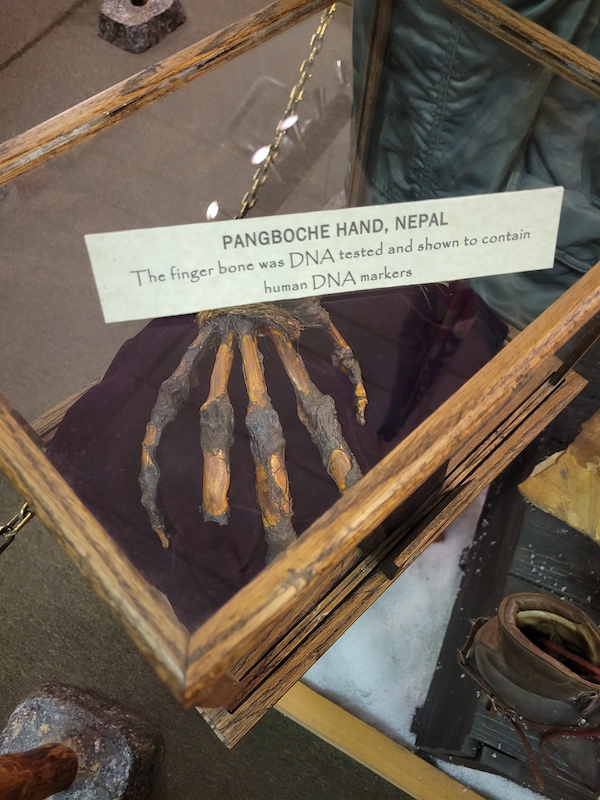
For some researchers who have spent years investigating alleged evidence, the question has shifted from whether Bigfoot exists to what kind of creature it might be. Their work goes beyond searching for physical proof such as footprints, hairs, bones or a body. Researchers and advocates, including the late anthropologist Grover Krantz, anatomist and anthropologist Jeff Meldrum and Matt Moneymaker, founder of the Bigfoot Field Researchers Organization (BFRO), have explored how such a creature might fit into the primate family tree.
Some have proposed that Bigfoot could be a relic hominin, meaning modern individuals would be unlikely survivors from an earlier evolutionary period. Hypotheses have invoked Neanderthals, Homo erectus, Paranthropus or other extinct human relatives. Others have proposed an undiscovered great ape, sometimes drawing comparisons to Gigantopithecus, a massive prehistoric primate known from fossils found in Asia. Fossil evidence, however, does not demonstrate that Gigantopithecus was a giant biped resembling Bigfoot, and none of these proposed connections have been scientifically established. Still others speculate that alleged Bigfoot populations could represent isolated groups of humans that somehow remained apart from modern Homo sapiens. Again, intriguing theory is not the same as proof.
Long before Bigfoot entered American popular culture, many Indigenous peoples had traditions involving powerful wild, giant or human-like beings. Those traditions vary widely, however, and should not all be treated as versions of the modern Bigfoot legend. Among some First Nations of the Pacific Northwest, stories describe beings associated with forests, mountains and remote places. Depending on the community and tradition, such figures could be viewed as benevolent, dangerous, spiritually powerful or simply deserving of respect and avoidance.
Rather than flattening these distinct traditions into a single Bigfoot narrative, it is more accurate to recognize that stories of beings beyond the boundaries of ordinary human society have deep roots that long predate today’s cryptid culture.
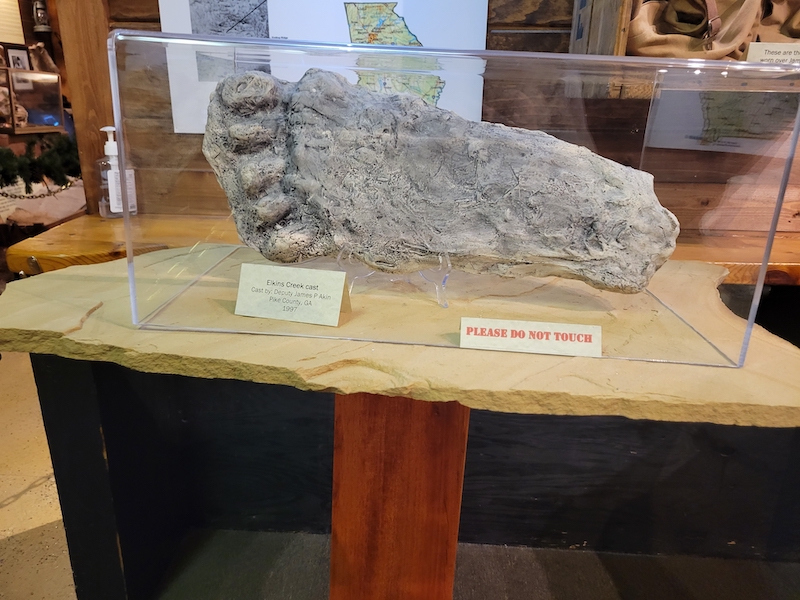
As European settlers and newcomers pushed farther into the North American backcountry, accounts of encounters with mysterious wild people and hairy creatures began appearing in newspapers, books and oral histories. Hunters, trappers, gold prospectors and others venturing into remote country returned with hair-raising stories that they sometimes hesitated to tell for fear of ridicule.
One of the most incredible came from Albert Ostman, a Swedish-born lumberman who said he ventured into the wilderness near Toba Inlet, British Columbia, on a prospecting trip in 1924. Ostman claimed an enormous Sasquatch picked him up in his sleeping bag one night and carried him to a remote mountain valley. There, he said, he spent several days with a family of four creatures, observing their behavior and apparent communication at close range before escaping. Ostman repeated the extraordinary story for decades without substantially changing its central details and reportedly passed a polygraph examination. None of that proves his account was true, but it helped make his tale one of the most enduring stories in Bigfoot lore.
Given that many people reporting Bigfoot encounters have been hunters accustomed to carrying firearms and bringing down big game, believers find it interesting that relatively few accounts end with a shot being fired. Again and again in eyewitness reports, people describe hesitating because the figure seemed disturbingly humanlike. Though hairy and primal, and sometimes described as emitting foul odors or blood-chilling cries, the alleged creature can appear just human enough to make pulling the trigger unthinkable.
That idea has even made its way into law. Skamania County, Washington, famously passed a 1969 ordinance threatening severe penalties for killing Sasquatch. A later ordinance revised the punishment and established the county as a refuge for the creature. Whatcom County, Washington, declared itself a Sasquatch Protection and Refuge Area in 1991. Far across the world, Bhutan’s Sakteng Wildlife Sanctuary has also become associated in popular lore with the migoi, a yeti-like creature from Himalayan tradition.
Then there is the film.
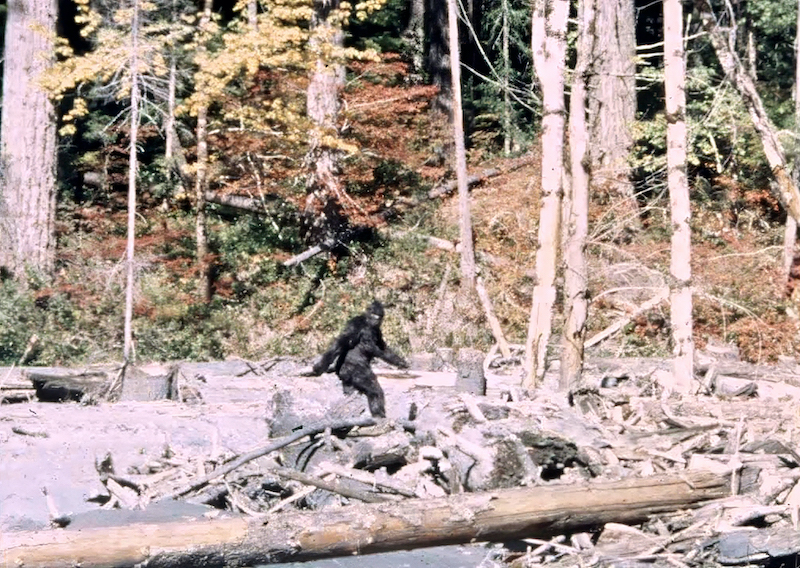
In 1967 Roger Patterson and Bob Gimlin were riding through the Bluff Creek area of Northern California when they filmed a large, dark, hairy figure striding across a creek bed. The few seconds of footage became the most famous visual evidence in Bigfoot history. More than half a century later, the Patterson-Gimlin film remains disputed. Believers argue that aspects of the figure’s proportions, muscles and gait are difficult to reproduce, while skeptics contend that it could depict a person in a costume. No analysis has conclusively established the figure’s identity.
There are also haunting field recordings purported to capture Bigfoot vocalizations, most famously the so-called Sierra Sounds recorded in California’s Sierra Nevada in the early 1970s. The strange whoops, whistles and chatter have fueled decades of debate over whether they came from an unknown creature, humans or some other source.
Skeptics raise questions that are difficult to dismiss. Why don’t we have clearer pictures and videos in an age when nearly everyone carries a camera? Why has no definitive body, bone or DNA sample been produced? And how could a breeding population large enough to survive remain hidden in a continent crisscrossed by roads, hikers, hunters, trail cameras and aircraft? Those are valid challenges, and no universally accepted scientific evidence has yet established Bigfoot as a living species.
And yet the stories continue.
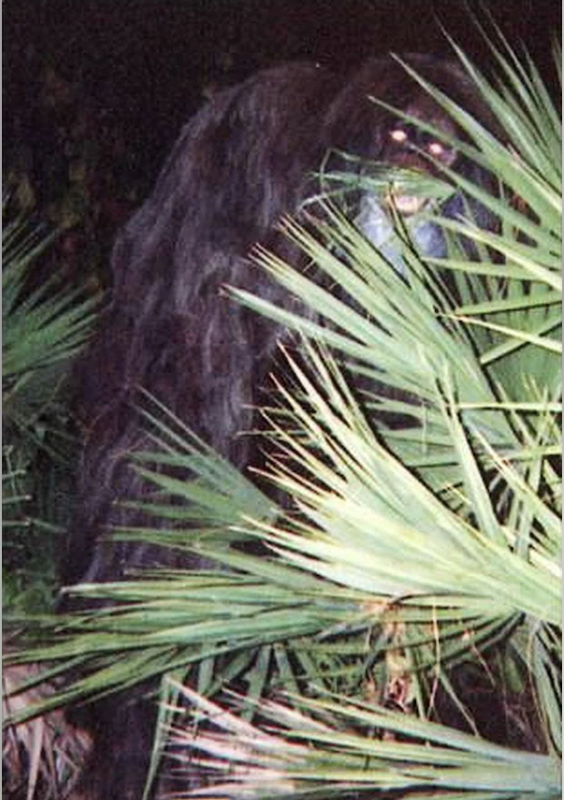
Here in the Southeast, we are not without our own version of Bigfoot. The Swamp Ape, or Skunk Ape, is a hairy, famously foul-smelling biped most closely associated with Florida and the Everglades. Reported sightings of similar creatures, however, extend beyond Florida and through other parts of the Southeast.
And if there were anywhere left for one to hide, the vast, wet wilderness of South Carolina’s ACE Basin would certainly look promising.
Just sayin’.
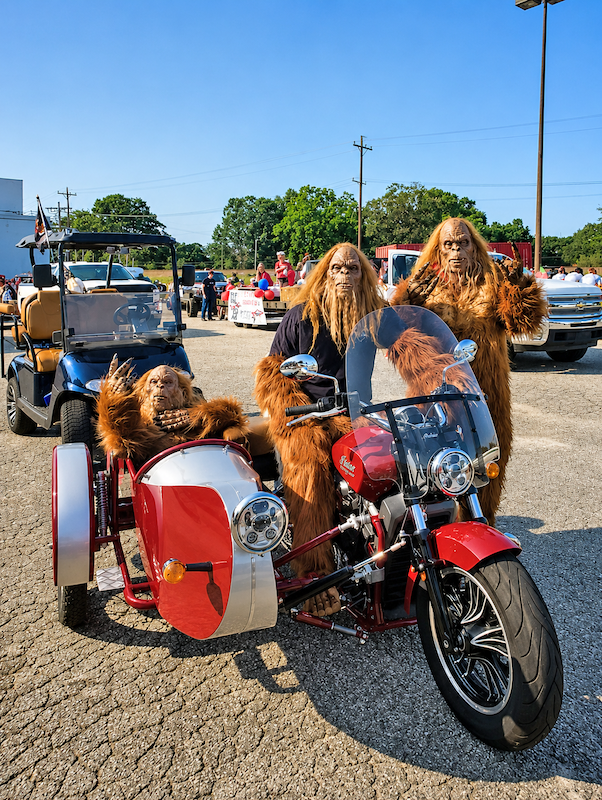
Bigfoot festivals around the U.S.
- South Carolina Bigfoot Festival: Oct. 9-10; Westminster, S.C.
- sQuatch Fest: Jan. 29-30, 2027; Longview, Wash.
- Estes Park Bigfoot Days: April 23-24, 2027; Estes Park, Colo.
- Ohio Bigfoot Conference: May 1; Cambridge, Ohio
- Smoky Mountain Bigfoot Festival: May; Townsend, Tenn.
- Great Florida Bigfoot Conference: June 12; Ocala, Fla.
- Bigfoot Daze: June 26; Willow Creek, Calif.
- Sasquatch Summer Fest: July; Oakridge, Ore.
- WNC Bigfoot Festival: August; Marion, N.C.